Warehousing and Distribution: How to Choose the Right Warehouse
01/13/2025
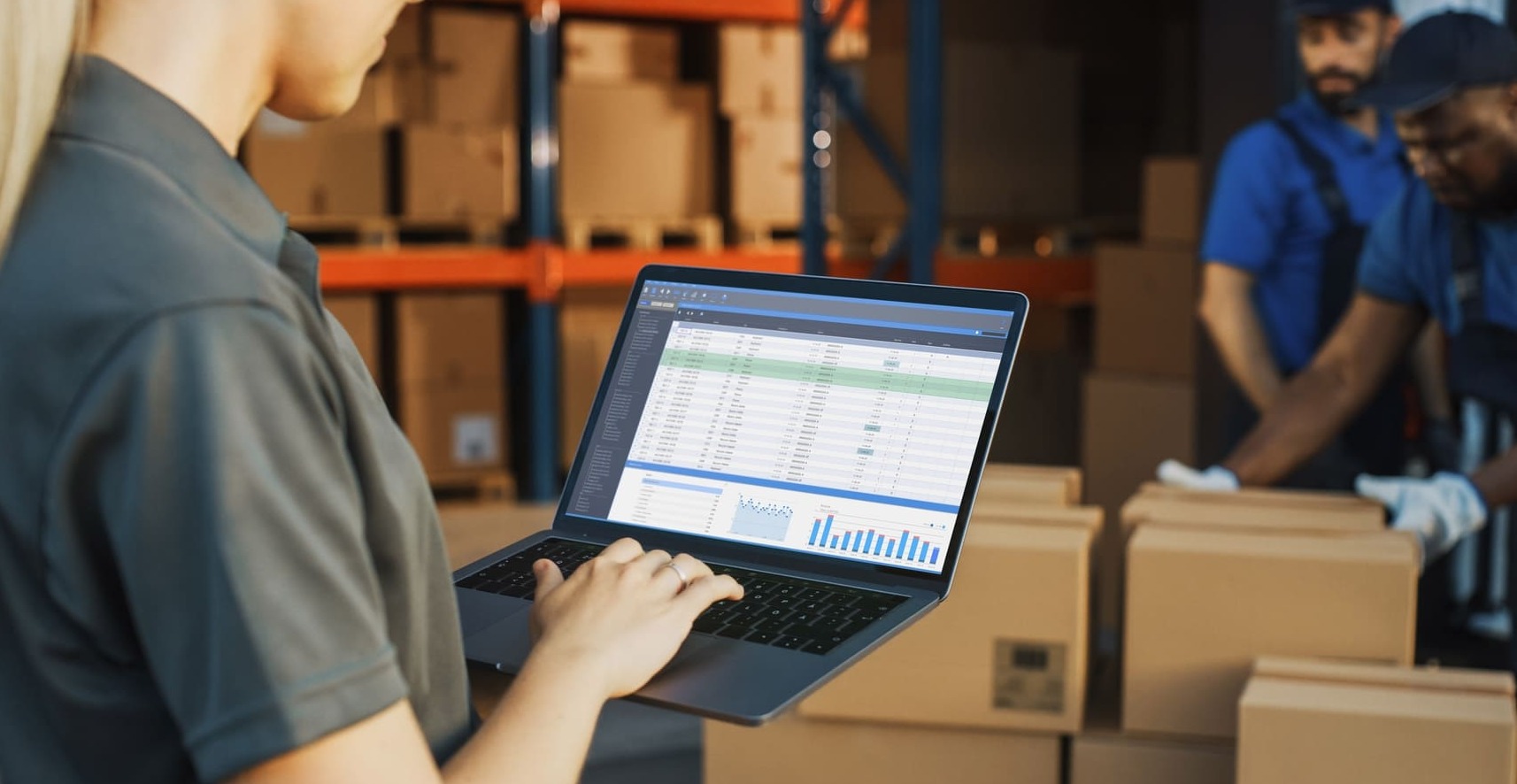
Warehousing and distribution combine inventory storage with order preparation and delivery to retailers, businesses, or consumers. The right distribution warehouse must fit your products, shipping destinations, order volumes, and delivery requirements.
A useful comparison starts with the work each facility will perform: what arrives, how inventory is managed, and what must happen before an order leaves. This guide explains the services, costs, and operating capabilities to check before choosing a warehouse.
What Is a Distribution Warehouse?
A distribution warehouse stores goods and prepares outbound orders for their next destination. It may replenish stores, supply wholesalers, transfer stock to other facilities, or fulfill customer orders.
Its defining feature is the coordinated flow of goods through receiving, inventory control, order preparation, and shipping. Storage duration depends on demand and replenishment plans.
| Facility | Typical operating focus | What to confirm |
|---|---|---|
| Storage warehouse | Holding and protecting inventory | Storage conditions, access, handling, and stock records |
| Distribution center | Receiving goods and preparing outbound replenishment or customer orders | Case and pallet picking, staging, dispatch capacity, and delivery coordination |
| Fulfillment center | Processing orders, often including individual consumer purchases | Item picking, packing, channel integrations, shipping, and returns |
Facilities may support more than one role, so confirm the workflows included in each proposal.
Cross-docking is a separate operating process: freight moves from inbound to outbound transport with little or no storage. A distribution center may offer it alongside conventional storage and picking.
What Do Warehousing and Distribution Services Include?
Distribution and warehousing services can cover the journey from inbound receiving to outbound shipping:
- Receiving: unload freight, check quantities, and record visible damage or discrepancies.
- Storage: place goods in suitable pallet positions, shelving, or designated floor space.
- Inventory management: track stock quantities, locations, and relevant lot or serial information.
- Order preparation: pick items, cases, or pallets and complete packing or labeling.
- Dispatch: stage orders, prepare shipping documents, and coordinate carrier collection.
- Returns and additional work: inspect returned products, repack goods, assemble kits, or correct pallets when agreed.
A 3PL warehousing provider can manage several of these functions. Confirm the scope in writing, including whether transportation is provided, arranged, or booked separately.
How Do You Choose Warehousing and Distribution Services?
Choose a provider by comparing location, product suitability, capacity, technology, total cost, and operating performance. Give each candidate the same shipment profile so its proposal can be evaluated fairly.
1. Match the Location to Your Freight Flows
Map supplier origins and customer destinations using recent shipment records. Compare transit times and freight quotes from each proposed warehouse to the destinations that account for most of your volume.
Your warehouse location strategy should also account for port or rail access, truck routes, carrier coverage, and receiving appointments.
A nearby facility is useful only if it can support your required routes and service levels. Request lane-specific estimates for the shipments you actually move.
2. Check Product Handling and Facility Conditions
Provide pallet dimensions, weights, stackability, product descriptions, and any temperature or handling requirements. Ask the operator to confirm suitable equipment, storage space, and operating procedures.
For sensitive inventory, check how the facility handles temperature records, expiry dates, damaged stock, and product segregation. Verify any permits or certifications relevant to your goods and the specific site.
During a visit, inspect docks, racking, access controls, and warehouse safety practices, including forklift movement and material handling.
3. Confirm Capacity and Contract Flexibility
Ask about both available storage and the number of orders or pallets the facility can process during busy periods. Extra space is useful only when labor, equipment, and dock availability can support the workload.
On-demand warehousing can suit seasonal stock, overflow, or a new regional operation. A longer agreement may suit predictable, ongoing demand.
Confirm minimum charges, notice periods, peak-season reservations, and the process for increasing or reducing capacity.
4. Test Inventory Visibility and System Connections
A warehouse management system (WMS) helps manage receiving, stock locations, picking, and shipping. Ask the provider to demonstrate a sample order using a workflow similar to yours.
Check whether you can see available, allocated, and held inventory; review shipment status; and retrieve receiving or dispatch records. Confirm how often information updates and how discrepancies are corrected.
Agree how the warehouse will exchange data with your sales and inventory systems, including setup costs and onboarding time.
5. Compare Total Costs
Warehouse storage costs are one part of the overall bill. Request an itemized proposal covering:
- Inbound work: unloading, counting, inspection, and putaway.
- Storage: charging unit, billing period, minimums, and special conditions.
- Outbound work: pallet retrieval, case or item picking, packing, and loading.
- Additional services: labels, materials, kitting, rework, and returns.
- Transport and administration: freight, appointment services, system setup, and after-hours charges where applicable.
When comparing pallet storage pricing, confirm whether receiving and outbound handling are included or billed separately.
Ask each provider to price the same normal month and peak month. This shows how the proposal changes when inventory, orders, and handling requirements increase.
6. Agree on Performance and Responsibility
Ask for evidence of experience with similar products and order profiles. Review a sample operating report and agree on measurable service expectations.
Useful measures include receiving turnaround, inventory accuracy, order accuracy, and on-time dispatch. Define how each is calculated and how exceptions are reported.
Document who books delivery appointments, investigates shortages, approves rework, and handles urgent issues. Track warehouse dispatch and final delivery separately so delays can be investigated accurately.
What Should a Retail Distribution Warehouse Handle?
A retail distribution warehouse prepares inventory for stores or retailer distribution centers. Its processes must reflect each buyer’s current receiving instructions.
Before selecting a facility, confirm that it can check:
- Purchase-order details, product codes, and shipment quantities.
- Required case packs and store-specific allocations.
- Pallet condition, dimensions, height, weight, and permitted overhang.
- Carton and pallet label formats, placement, and scan quality.
- Advance shipping notices and other electronic documents when required.
- Approved carriers, delivery appointments, and receiving windows.
A Serial Shipping Container Code (SSCC) provides unique identification for a pallet or other logistics unit. Where your buyer requires it, the warehouse should ensure that labels and shipment records match.
These checks are part of B2B order fulfillment. Ask the provider to walk through a sample retail order and show how errors are caught before dispatch. Confirm the approval process and charges for correcting noncompliant freight.
Should You Use One Warehouse or a Distributed Warehouse Network?
A distributed warehouse network uses multiple facilities to serve different regions or operating needs. Distributed inventory is the stock allocated across those locations.
One warehouse can simplify inventory control and suit demand concentrated in a single region. Multiple facilities can place goods closer to customers when orders are spread across distant markets.
However, additional locations may introduce more stockholding, transfers, separate minimum charges, and split shipments. Products and quantities should reflect regional demand; every location does not need the same assortment.
Compare a centralized setup with multi-node fulfillment using the same order history. Evaluate delivery performance alongside transportation, handling, and inventory costs before adding another location.
What Information Do You Need for a Warehouse Quote?
Prepare a short operating brief containing:
- Preferred region, inbound origins, and main delivery destinations.
- Product types, SKU count, pallet dimensions, weights, and storage conditions.
- Average and peak inventory, arrival dates, and expected storage duration.
- Monthly order volume and whether orders ship as items, cases, or pallets.
- Labeling, retailer, system integration, and reporting requirements.
- Required services, dispatch deadlines, and delivery expectations.
Include a sample order and any relevant buyer instructions. This helps providers identify requirements before quoting and reduces differences between proposals.
Find a Warehouse That Fits Your Distribution Needs
OLIMP connects businesses with warehouse partners across North America for warehousing and storage services, cross-docking, pallet rework, and related logistics support.
Share your freight profile, locations, and timing so the team can help identify suitable options. Confirm each facility’s availability, service scope, and pricing before booking.
Request a warehouse quote to discuss your requirements.
Frequently Asked Questions (FAQ) – OLIMP Warehousing
Q: What Is the Difference Between Warehousing and Distribution?
Warehousing focuses on storing, protecting, and managing inventory. Distribution covers preparing and moving products to their next destination. Providers often combine both functions within the same operation.
Q: Is a Distribution Center the Same as a Warehouse?
A distribution center is a type of warehouse focused on outbound product flow and order processing. Other warehouses may emphasize storage. The practical difference depends on the facility’s services and operating model.
Q: What Do Warehouse and Distribution Services Usually Include?
They may include receiving, storage, inventory control, picking, packing, labeling, dispatch, and transportation coordination. Returns, kitting, and pallet rework may be available separately. Always confirm the contracted scope.
Q: How Much Do Warehousing and Distribution Services Cost?
Costs depend on location, storage volume, product requirements, order activity, handling, and transport. Compare itemized quotes using the same inventory and shipment assumptions to understand the expected total bill.
Q: What Is a Distributed Warehouse Network?
It is a group of warehouses used to position inventory across different locations. The approach can shorten shipping distances, but requires coordinated stock allocation, replenishment, and inventory visibility.
Q: How Does a Retail Distribution Warehouse Differ From an Ecommerce Fulfillment Center?
Retail distribution often involves cases or pallets, buyer-specific labels, and scheduled receiving. Ecommerce fulfillment often involves smaller consumer orders and parcel shipping. Some facilities support both workflows.
Q: How Do I Choose a Distribution Warehouse Near Me?
Start with facilities serving your required region, then compare capabilities, availability, freight routes, service levels, and total costs. Confirm that the location works for both inbound shipments and outbound customer deliveries.
You may be interested in

What Are The Main Benefits Of Urban Distribution Centers?
What are distribution centers? A distribution center is a logistics facility designed to store, manage, and efficiently distribute goods to various destinations, such as retail stores, wholesalers, or directly to customers. These centers are essential in the supply chain, acting as hubs for receiving, organizing, and dispatching products to ensure timely delivery. Their strategic locations […]

Guide to Choosing the Right Fulfillment Partner
What Is a Fulfillment Partner? A fulfillment partner (often a 3PL or fulfillment company) is a specialist third-party logistics provider that manages the entire order process on behalf of an online retailer. In practice, a fulfillment partner receives and stores your inventory in its warehouse, then picks, packs, and ships customer orders as they come […]

Direct-to-Consumer (D2C) Fulfillment Guide
Direct-to-consumer (D2C) fulfillment means shipping products directly from a brand’s own warehouse or fulfillment center straight to the customer. This direct shipping model bypasses traditional retailers and distributors, giving brands full control over packaging, shipping speed, and the customer experience. By eliminating middlemen and retail markups, D2C fulfillment can improve profit margins and strengthen customer […]
Ready to streamline your warehousing needs?
Request a quote today and discover how OLIMP's tailored solutions can optimize your operations