Multi‑Node Fulfillment: Strategies to Control Freight Costs & Optimize Shipping
03/27/2026
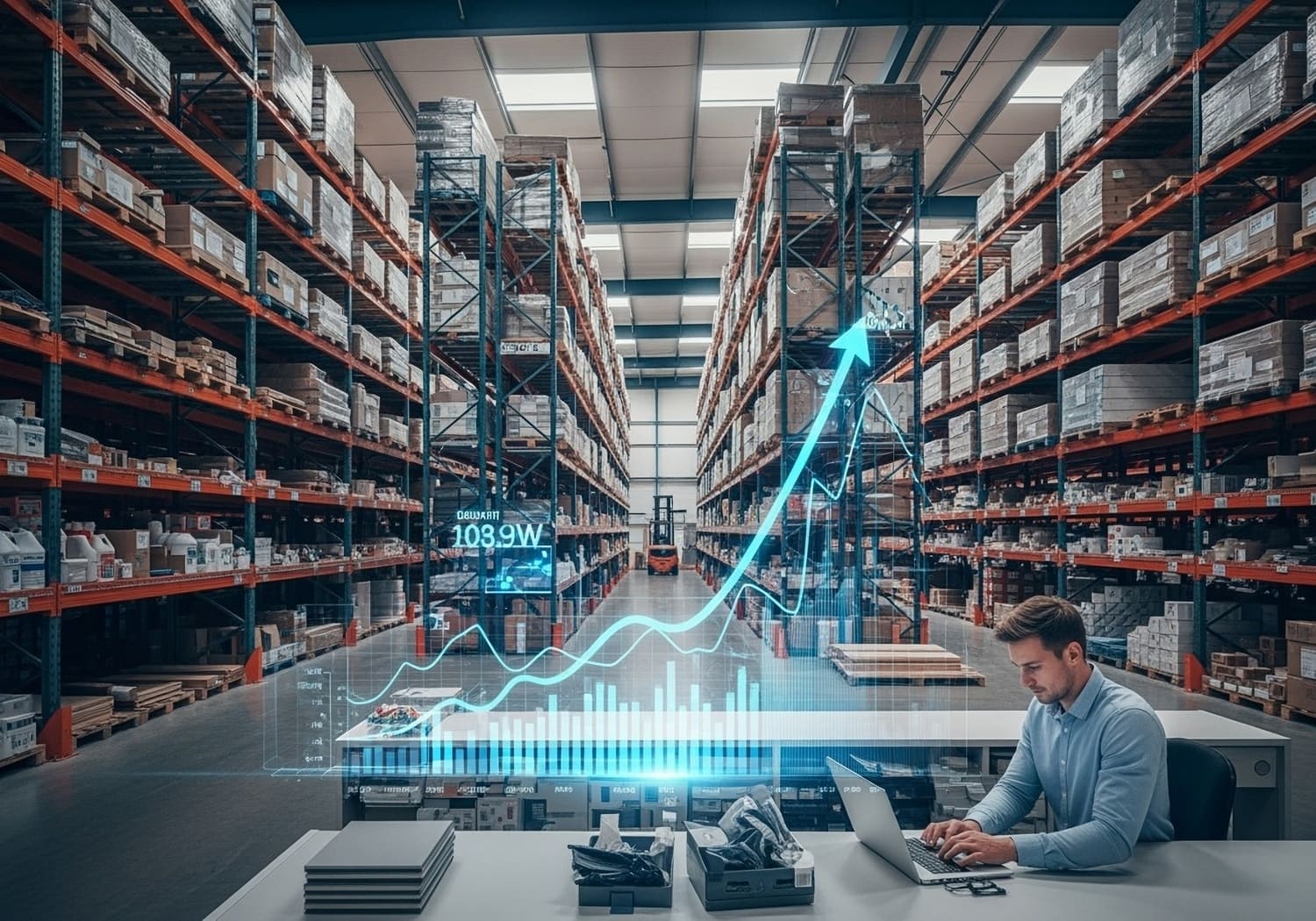
- Definition – Multi‑node fulfillment means storing inventory at multiple fulfillment centers and using software to route each order to the most appropriate node. A node can be a warehouse, micro‑fulfillment center or even a retail store.
- Why it matters – Positioning inventory closer to customers reduces shipping distances and zones, leading to faster delivery and lower costs. Brands often see shipping savings of one to three dollars per order when switching from one warehouse to multiple nodes.
- Hidden costs – Splitting a single purchase order across multiple nodes increases freight costs due to higher per‑pallet minimum charges, extra handling at cross‑docks and detention/layover fees. Detention charges generally begin after a two‑hour free window and range from about $50–$150 per hour. Cross‑dock pricing covers basic unload and reload but add‑ons like sorting, re‑stacking and extended dwell time are billed separately.
- Smart routing – A modern order management or “multi‑node order optimizer” uses cost, speed and service‑level rules to pick the best node for each order. Without orchestration, brands often ship from the wrong location or split orders unnecessarily, eroding margin.
- Key metrics – Track total freight cost per unit, split‑shipment rate, cross‑dock cost per pallet, detention hours and on‑time delivery. Watching these indicators helps you decide when to add or remove nodes.
A multi‑node fulfillment network distributes inventory across multiple fulfillment points rather than a single warehouse. According to Ryder, a multi‑node network uses additional micro‑fulfillment centers so that orders can be fulfilled from the location closest to the customer. Each node is any location capable of receiving, fulfilling and shipping orders-examples include warehouses, distribution centers, retail storefronts or pop‑up stores.
This approach contrasts with traditional centralized fulfillment. In a single‑node network, all orders ship from one facility; customers farther away pay more and wait longer. By placing inventory near demand, brands lower the distance packages travel and compress shipping zones. Research shows that reducing distances saves $1–$3 per shipment for many brands and can boost conversion rates because faster delivery is now a baseline consumer expectation.
As networks expand, deciding which node should fulfill an order becomes complex. A “multi‑node order optimizer” (also called a smart order orchestrator) is software that reviews cost, distance, service‑level agreements and inventory to pick the best node. A strong omnichannel fulfillment system uses rules for cost‑based, speed‑based and SLA‑based routing. AI then refines these rules by learning which nodes ship fastest or cheapest. Without orchestration, retailers often ship from the wrong location or split an order across nodes when one node could handle it, quietly eroding margin.
Why Multi‑Destination Purchase Orders Blow Up Budgets
1. Split Loads and Carrier Minimums
When a purchase order is divided among several nodes, each leg incurs its own minimum charges. LTL carriers price shipments based on weight, distance and freight class, but they also have minimum shipment charges, often around $100 per load, that apply even to small freight. Splitting one large order into two smaller shipments means paying the minimum twice and losing volume discounts. For parcel shipments, each box has its own per‑package charge and label fee. ShipBob notes that sending separate shipments increases packaging waste and can raise per‑order shipping costs dramatically; in their example, splitting an order across two U.S. regions increased the total shipping cost from $7.94 to $26.08.
2. Extra Handling and Poor Routing
Freight often passes through a cross‑dock when moving between nodes. Cross‑docking services charge a base rate for unloading and reloading freight but bill extra for additional touches. A standard cross‑dock rate covers unloading, short staging and reloading; activities like sorting freight across multiple destinations, re‑stacking pallets or extended dwell time are billed separately. Carriers may also price cross‑dock services per pallet (around $25 per pallet in one example). If your freight requires re‑palletization, labeling or verification, costs rise quickly. Poor routing decisions, such as sending an order from the wrong node, create unnecessary cross‑dock moves and amplify these fees.
3. Detention and Layover Fees
Shipping through multiple nodes increases the risk of missed appointments and wait time. Detention fees begin after a free window (usually two hours) and range from $50–$150 per hour depending on carrier size. These charges compensate carriers for lost productivity and can quickly erode savings from multi‑node networks if appointments are not tightly coordinated. Shippers should document arrival, loading and departure times to successfully claim or avoid detention fees.
4. Hidden Operational Overhead
Operating multiple nodes introduces inventory and coordination costs. You need enough safety stock at each location to maintain service levels, which ties up capital. Teams must forecast demand by region, coordinate transfers and manage more purchase orders. If inventory allocation is wrong, you either split orders (and pay extra) or pay to rebalance stock between nodes. Overly complex networks also strain teams; rising exception rates or hours spent chasing appointments often signal that the network is too complex.
Comparing Fulfillment Models
| Model | How it Works | Pros | Cons |
|---|---|---|---|
| Direct shipping to every node | The vendor splits the purchase order and ships pallets to each fulfillment center. | Simple; fast replenishment. | Each shipment pays minimum charges; small volumes pay higher per-unit rates; increases split handling. |
| Centralize then break out (cross-dock) | Bulk freight is sent to a central cross-dock, consolidated with other loads and broken out to individual nodes. | Fewer linehaul loads; can leverage TL pricing; reduces carrier minimums. | Cross-dock fees apply; extra handling and dwell charges; must manage timing to avoid detention. |
| Outsourced or flexible networks | Use a 3PL or on-demand warehousing with multiple nodes and an order optimizer. | Access large networks without long-term leases; 3PL negotiates carrier rates and provides technology. | May lack control; requires strong SLA management; variable costs can surprise if not monitored. |
Practical Playbook: How to Control Freight Costs
- Group purchase orders and build volume – Whenever possible, consolidate vendor orders by region. A full truckload (or a few LTL pallets) to one cross‑dock is cheaper per unit than several small shipments because you pay minimum charges only once.
- Use cross‑dock strategically – Cross‑docking can reduce storage and handling costs when you avoid warehousing. Moving three pallets through a cross‑dock might cost around $25 per pallet. However, sorting, re‑palletizing or extended dwell time increases fees. Make sure freight is stable, labeled and ready to transfer to minimize labor and avoid hybrid pricing models.
- Negotiate detention terms – Clarify free time allowances and hourly detention rates in carrier contracts. Most carriers grant two hours of free time; after that, owner‑operator detention rates typically run $50–$100 per hour while larger carriers charge $100–$150 per hour. Accurate appointment scheduling and real‑time visibility software can help drivers avoid waiting at congested docks.
- Implement a smart order optimizer – As your network grows, invest in an order management system that considers cost, speed and SLA requirements. AI‑assisted systems can learn which nodes and carriers perform best and adjust routing accordingly. This reduces unnecessary splits and ensures orders ship from the most efficient location.
- Balance inventory and forecast demand – Spread inventory strategically based on where customers are located and which products are frequently ordered together. Sufficient stock at each node prevents split shipments and reduces cross‑dock moves. Use analytics to forecast demand and adjust safety stock levels.
- Monitor key metrics – Track total freight cost per unit, cross‑dock fees per pallet, split‑shipment rate (percentage of orders shipped from multiple nodes), detention hours and on‑time delivery. If costs rise as you add nodes, revisit your network design.
Deciding on the Right Fulfillment Model
No single model fits every business. Consider these factors:
- Order volume and weight – High‑volume shippers can justify cross‑dock investments; low‑volume or lightweight freight may stay cheaper via parcel carriers.
- Product variety – SKUs shipped together frequently should be co‑located to avoid split shipments and extra labels.
- Customer geography – If most customers are concentrated in one region, adding a single regional node may deliver 80% of the benefits.
- Delivery speed requirements – Fast‑shipping expectations (e.g., same day or next day) make multi‑node networks more attractive.
- Operational capacity – Assess your team’s ability to manage multiple nodes. If coordination hours or exception rates climb, either simplify the network or outsource to a 3PL.
Key Metrics to Watch
- Total freight cost per unit – Include linehaul, cross‑dock fees, carrier minimums and accessorial charges.
- Split‑shipment rate – Percentage of orders fulfilled by more than one node. A high rate signals poor inventory placement or routing.
- Cross‑dock cost per pallet – Track base rates and add‑ons like sorting, re‑stacking or extended dwell.
- Detention hours and cost – Monitor free time vs. paid detention. Detention rates of $50–$150 per hour add up quickly if schedules slip.
- On‑time delivery percentage – A core measure of customer experience; ensure multi‑node routing delivers on promised lead times.
Frequently Asked Questions (FAQ) – OLIMP Warehousing
Q: What is multi‑node fulfillment?
Multi‑node fulfillment is a decentralized strategy where inventory is stored at multiple fulfillment centers and orders are routed based on proximity to the customer. This reduces shipping distances, speeds up delivery and improves conversion rates.
Q: How does a multi‑node order optimizer work?
A multi‑node order optimizer (or smart order orchestrator) applies rules for cost, speed and service levels to select the best node for each order. It evaluates factors such as shipping distance, carrier rates, stock availability and platform‑specific deadlines, then routes the order accordingly. AI enhances the optimizer by learning which nodes or carriers perform best and adjusting the rules over time.
Q: When should I use cross‑docking instead of direct shipping?
Cross‑docking makes sense when consolidating freight reduces total cost. Sending full truckloads to a central cross‑dock and breaking them out to nodes can lower linehaul rates and avoid multiple carrier minimums. However, you must account for cross‑dock fees and ensure freight is ready to transfer; sorting or re‑palletization increases costs. Cross‑docking also helps avoid detention fees by converting missed appointments into scheduled outbound transfers.
Q: Why do split shipments cost so much?
Each split order requires its own packaging, shipping label and pick/pack labor. ShipBob’s example shows that splitting an eight‑pound order across two fulfillment centers increased the total shipping cost from $7.94 to $26.08. Splits also generate more packaging waste and can frustrate customers.
Q: What are typical detention rates and how can I avoid them?
Carriers usually allow a free waiting period of one to two hours. After that, detention fees accrue at roughly $50–$100 per hour for owner‑operators and $100–$150 per hour for large carriers. To minimize detention, schedule pick‑ups and deliveries precisely, ensure freight is ready when trucks arrive, and communicate delays quickly. Document arrival, loading and departure times to support claims or avoid disputes.
Q: How do I know when my network is too complex?
Watch for rising exception rates, increasing detention charges or excessive time spent coordinating shipments. If adding nodes doesn’t reduce per‑unit cost, or if teams are overwhelmed by routing decisions and purchase orders, the network may be over‑engineered. Simplify by consolidating nodes or partnering with a 3PL that offers a managed multi‑node network.
You may be interested in
Best On-Demand Warehousing Platform for Short-Term Overflow Storage
When warehouses reach capacity during peak seasons, promotions, or unexpected supply chain disruptions, businesses need fast access to additional storage. On-demand warehousing platforms solve this challenge by connecting companies with available warehouse space exactly when it’s needed. Among these solutions, OLIMP’s on-demand warehousing platform helps businesses quickly secure short-term overflow storage across thousands of warehouse […]
Multi-Channel vs. Omni-Channel Fulfillment Strategies: Key Differences, Trends, and Best Practices
In today’s retail landscape, customers shop across multiple channels, from e-commerce websites and marketplaces to physical stores. Businesses have responded with two main approaches to order fulfillment: multi-channel and omni-channel fulfillment. Understanding the difference is crucial, as an increasing number of retailers are moving toward omni-channel models to meet rising customer expectations for speed and […]

Micro Fulfillment Centers: Accelerating Urban & Local Order Delivery
E‑commerce has exploded in recent years, and consumers expect rapid delivery of everything from groceries to electronics. Traditional distribution centers, often hundreds of thousands of square feet, were designed for bulk storage and nationwide shipping, not for orders that must arrive within hours. To meet rising expectations, retailers and logistics providers are deploying micro fulfillment […]
Ready to streamline your warehousing needs?
Request a quote today and discover how OLIMP's tailored solutions can optimize your operations