Pallet Storage Cost per Month and Cold Storage Rates: 2026 U.S. Guide
04/17/2026
- Average dry storage cost: Industry surveys show that a standard 40″×48″ pallet stored in an ambient warehouse costs about $20 per month, with most providers charging $18–$25. Volume discounts can reduce that to around $14 per pallet for large enterprise contracts.
- Cold storage premium: Temperature‑controlled facilities add significant utility and maintenance costs. Ambient (dry) storage typically costs $12–$22 per pallet per month, while temperature‑controlled storage ranges from $25 to $50+ per pallet.
- Other pricing models: On average, warehouses charge $0.35–$0.60 per cubic foot, $1.25–$2.25 per square foot or $2.50–$4.00 per bin per month, depending on your product mix and footprint.
- Main cost drivers: Location, storage type (dry vs. cold), inventory volume and handling services (receiving, pallet in/out fees, picking) have the biggest impact on monthly rates.
- Cost trend: Pallet storage prices have climbed from around $13 per pallet in 2017 to $20.17 in 2025. Growth has slowed recently, but high demand and labor costs keep upward pressure on rates.
- Saving strategies: Improve inventory turnover, use flexible or on‑demand warehousing, optimize pallet configuration and negotiate volume discounts.
Understanding how much it costs to store a pallet is essential for any business moving goods. Warehousing fees are not one‑size‑fits‑all-rates vary widely depending on location, storage type, volume and the services you need. This 2026 guide explains the latest average pallet storage costs in the United States, highlights why cold storage demands a premium, and offers actionable tips to keep your warehousing budget under control.
What Is Pallet Storage?
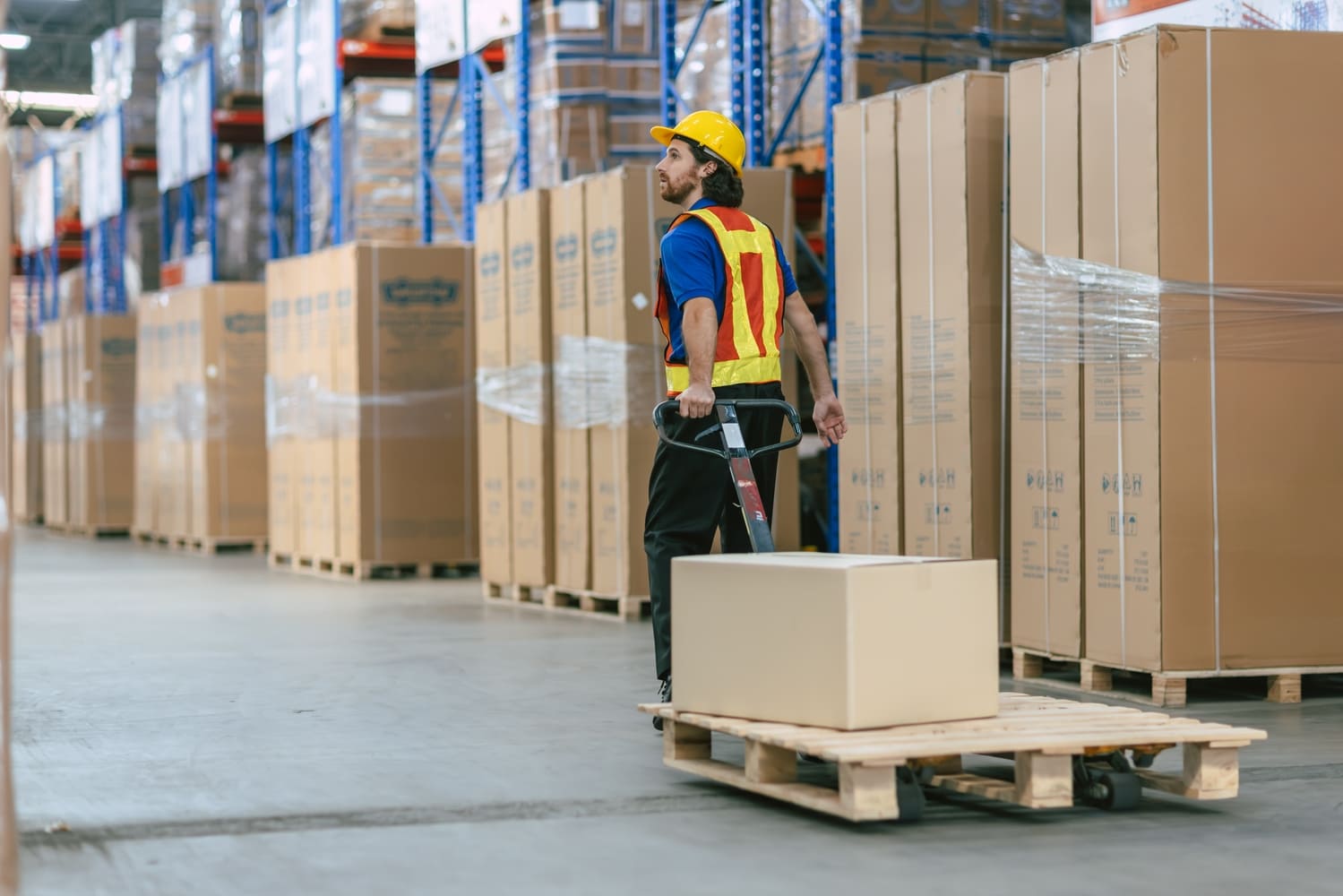
Pallet storage refers to placing goods on standardized pallets and storing them in designated positions within a warehouse. Each pallet occupies a slot on a rack or on the floor, and businesses pay a recurring fee per pallet position. The most common pallet size used for pricing in the U.S. is 40″×48″. If your pallets are larger or heavier, expect higher fees because they reduce rack density and require more handling.
Why Cold Storage Costs More
Cold storage facilities maintain temperature‑controlled environments for perishable goods. They require specialized insulation, refrigeration systems and high‑efficiency doors. As a result, utilities alone can add $3–$8 per square foot per year to the cost of running a facility, and cold storage commands an additional $4–$12 per square foot premium on top of normal lease rates. These infrastructure and energy costs translate directly into higher per‑pallet rates.
Average Pallet Storage Cost per Month (2026)
Dry (Ambient) Storage
Industry surveys from The Fulfillment Advisor and other warehousing studies show that storing a standard 40″×48″ pallet in a dry warehouse costs about $20.17 per month, with most providers charging between $18 and $25. Some low‑cost or overflow contracts start around $14–$18 per pallet, but those rates are limited and often require long‑term commitments or high volumes. Third‑party logistics (3PL) providers typically charge $22.50 per pallet for small clients (~50 pallets/month) but may drop to ~$14 per pallet at enterprise volumes (500+ pallets).
Cold (Temperature‑Controlled) Storage
Because of the refrigeration premium, temperature‑controlled warehouses charge significantly more per pallet. According to Buske Logistics’ 2026 cost breakdown, ambient storage ranges from $12–$22 per pallet per month, while temperature‑controlled storage runs $25–$50 or more per pallet. Typical cold‑storage costs at $22–$30 per pallet, depending on volume and service level. When budgeting, assume roughly a 30–100% premium over dry storage.
Example Cost Calculation
If you store 100 pallets of non‑perishable goods at an average dry‑storage rate of $20 per pallet, your monthly bill would be $2,000. Moving those pallets into a cold storage facility at $35 per pallet would raise the total to $3,500 per month-a 75% increase. While exact rates vary by region and provider, this example illustrates how quickly cold storage premiums add up.
Alternative Pricing Models
Not all warehouses price storage by the pallet. Other common models include:
| Pricing Model | Average Cost | Typical Range | When to Use |
|---|---|---|---|
| Per cubic foot | $0.46 per cubic foot per month | $0.35–$0.60 | Ideal for small or irregularly shaped items where vertical space matters more than pallet count. |
| Per square foot | $1.73 per sq ft per month | $1.25–$2.25 | Suitable for companies leasing dedicated space or storing oversized/non-palletized goods. |
| Per bin | $3.08 per bin per month | $2.50–$4.00 | Common in pick-and-pack operations with small, fast-moving SKUs. |
Cost Trends Over Time
Pallet storage fees have increased steadily over the past decade. The average per‑pallet price climbed from $13.02 in 2017 to $20.17 in 2025 as labor, real estate and utility costs rose. Pricing growth slowed slightly in 2024 with a 4.23% year‑over‑year increase, down from 4.54% in 2023. Cold storage demand remains high, which continues to push up temperature‑controlled rates.
Factors That Affect Pallet Storage Cost
Understanding the levers behind storage rates helps you negotiate better deals.
Location
Warehousing costs mirror real‑estate prices. Urban warehouses near ports or population centers command higher rates, whereas rural facilities are cheaper. For example, storing 500 pallets in California averaged $25 per pallet, while the same volume in the Midwest cost roughly $18.50 per pallet. Consider transportation costs and lead times when choosing between regions.
Storage Type and Special Requirements
Costs rise with specialized requirements:
- Climate‑controlled or refrigerated storage: Utilities and maintenance increase per‑pallet fees.
- Bonded or customs storage: Compliance with customs requirements adds administrative costs.
- Hazardous material or food‑grade storage: Additional certifications and safety protocols raise prices.
Standard dry storage remains the most economical option for non‑perishable goods.
Inventory Volume and Contract Length
Most providers offer volume and term discounts. Contracts covering more than 100 pallets may qualify for 5–10% price breaks, while small clients storing fewer than 30 pallets may face higher rates to meet minimum revenue thresholds. Long‑term agreements (6–12 months or longer) typically secure lower per‑pallet pricing.
Handling and Additional Services
Monthly storage fees often exclude other logistics services. Common extra charges include:
- Pallet in/out fees: $4–$8 per pallet for inbound and outbound handling.
- Receiving and unloading: $10 or more per pallet to check in goods and unload trucks.
- Pick and pack fees: Average $3.18 per order for B2C fulfillment.
- Long‑term storage premiums: Slow‑moving inventory can incur $15–$40 per pallet after six months.
- Minimum monthly spend: Some warehouses require a minimum billing threshold (e.g., $337.50/month in 2024).
Always request a detailed pricing breakdown to understand what is included and avoid hidden fees.
Cold Storage Rate Considerations
Cold storage (refrigerated and frozen) plays a critical role in food, pharmaceutical and chemical supply chains. When evaluating cold storage rates, consider the following:
- Temperature zones and cost differences: Facilities may offer cool (35–55°F), refrigerated (32–40°F) and freezer (0°F or below) zones. Lower temperatures generally mean higher costs because of increased energy use.
- Energy and infrastructure premium: Cold facilities require continuous refrigeration, adding $3–$8 per square foot per year in energy costs and a $4–$12 per square foot premium on lease rates.
- Regulatory compliance: Food‑grade or pharmaceutical storage must meet FDA, USDA or HACCP standards, which add certification and auditing costs.
- Handling fees: In cold environments, receiving, pallet wrapping and cross‑docking often cost more due to specialized equipment and labor. For example, cross‑docking at a cold storage facility can run $27.50 per pallet, with additional delivery charges.
- Limited supply: There are fewer cold facilities than dry warehouses, particularly near ports or major cities, so demand pushes prices higher.
How Warehouses Charge for Storage
Warehouses use several billing methods. Knowing which model fits your operation can save money.
Per Pallet Pricing
This is the most common model for bulk goods. You pay a flat fee for each pallet position per month. It aligns costs directly with inventory levels and simplifies budgeting.
Per Cubic Foot Pricing
You are charged for the total volume your inventory occupies. Typical rates average $0.46 per cubic foot per month. This model suits high‑SKU operations storing small or irregularly shaped items. Verify how the warehouse measures volume, some charge on actual occupied cubic footage, while others bill on allocated volume.
Per Square Foot Pricing
Warehouses lease a dedicated footprint, often at $1.73 per square foot per month. This model works well when your footprint is predictable or you need space for oversized or unpalletized items. It converts fixed costs to variable if your business commits to long‑term space.
Per Bin Pricing
Small, high‑velocity operations may prefer bin pricing, which averages $3.08 per bin per month. However, picking fees are usually higher than pallet storage, so evaluate total fulfillment costs.
How to Find Affordable Pallet Storage
Businesses have several options when searching for pallet storage:
- Direct relationships with local warehouses: Contacting regional providers allows negotiation but requires significant research and may involve long‑term leases.
- Third‑Party Logistics (3PL) providers: 3PLs bundle storage, handling, fulfillment and transportation. They typically charge higher per‑pallet rates for small clients but provide expertise and technology.
- On‑demand warehousing platforms: Platforms like OLIMP connect companies with available warehouse space across the U.S. and allow you to book pallets without long‑term contracts. This flexible model is ideal for seasonal surges, port congestion or overflow inventory.
Tips to Reduce Pallet Storage Costs
- Improve inventory turnover: Keep goods moving to avoid long‑term storage premiums. Liquidate slow movers and adopt just‑in‑time practices.
- Use flexible or on‑demand warehousing: Pay only for the space you need rather than committing to long leases.
- Optimize pallet configuration: Better stacking and packaging reduce the number of pallets you require.
- Negotiate volume and term discounts: Ask for price breaks when storing more than 50 or 100 pallets and sign multi‑month agreements.
- Monitor hidden fees: Understand pallet in/out fees, minimum monthly spend and long‑term surcharges.
- Choose the right pricing model: Select per‑pallet, cubic foot or square foot pricing based on your product mix and turnover.
When Businesses Need Pallet Storage
Pallet storage isn’t just for large manufacturers. Common scenarios include:
- Seasonal inventory overflow: Retailers may stock up for holidays and require temporary space.
- Port congestion: Delays at ports can necessitate short‑term storage until goods can be shipped.
- E‑commerce growth: Rapid sales growth often outpaces in‑house storage capacity.
- Freight consolidation: Businesses combine shipments to lower transportation costs.
- Temporary distribution hubs: Companies use regional warehouses to stage goods closer to customers.
Pallet Storage vs Other Warehouse Pricing Models
Pallet Storage
The most common model for bulk goods and freight shipments. Pallet positions offer standardized spaces and predictable costs.
Bin Storage
Ideal for small items and pick‑and‑pack operations. Bins are charged per month and often come with higher picking fees.
Dedicated Warehouse Space
Large companies with predictable footprints may lease dedicated square footage. This provides control but requires long‑term commitments. Average cost is $1.73 per square foot per month.
Conclusion
Pallet storage remains the backbone of warehouse pricing in the U.S. In 2026, dry storage averages around $20 per pallet per month, while temperature‑controlled facilities typically cost $25–$50+ per pallet. Rates vary widely by location, storage type, volume and handling requirements. By understanding pricing models, negotiating volume discounts and leveraging flexible warehousing solutions, businesses can control storage costs without sacrificing service quality.
On‑demand platforms like OLIMP make it easy to compare warehouse options across the country, access high‑quality facilities without long contracts and scale capacity up or down as needed. Armed with the insights above, you can budget confidently and choose the storage solution that fits your unique needs.
Frequently Asked Questions (FAQ) – OLIMP Warehousing
Q: How much does pallet storage cost per month?
Average ambient warehouse rates are $18–$25 per pallet per month, with an industry average of $20.17. Low‑cost contracts may start around $14, while temperature‑controlled storage ranges from $25–$50+ per pallet.
Q: Why do pallet storage costs vary by location?
Real estate and labor drive geographic price differences. For example, California warehouses averaged $25 per pallet at 500‑pallet volumes, whereas similar contracts in the Midwest averaged $18.50. Urban facilities near ports or consumer hubs command higher rates; rural sites may be cheaper but could increase transportation costs.
Q: What is the cost of cold storage per pallet?
Temperature‑controlled facilities typically charge $25–$50 or more per pallet per month, roughly 30–100% higher than dry storage. The premium covers refrigeration equipment, insulation and higher energy usage.
Q: Are there additional fees beyond the monthly pallet rate?
Yes. Warehouses often charge pallet in/out fees ($4–$8 per move), receiving and unloading fees (≈$10 per pallet), pick‑and‑pack fees (~$3 per order) and long‑term storage premiums ($15–$40 per pallet). Always request a full fee schedule.
Q: How can I reduce warehouse storage costs?
Improve inventory turnover, use flexible or on‑demand warehousing, optimize pallet configuration, negotiate volume discounts and monitor hidden fees. Choosing the pricing model that aligns with your product mix (per pallet, cubic foot, square foot or bin) can also reduce costs.
Q: How do volume discounts work?
Most warehouses offer price breaks when you store 50–100+ pallets or sign multi‑month contracts. Discounts typically range from 5–10% off standard rates. Ask about tiered pricing before committing.
Q: What’s the difference between pallet pricing and cubic foot pricing?
Pallet pricing charges a flat fee per pallet regardless of how full it is, making it simple and predictable. Cubic‑foot pricing bills you for the actual volume your inventory occupies at $0.35–$0.60 per cubic foot, which benefits high‑SKU or irregularly shaped inventory where vertical space utilization matters.
You may be interested in
3PL Warehousing & Distribution Services: Processes, Benefits & 2026 Trends
3PL warehousing and distribution refers to a company outsourcing the storage, handling, inventory management and delivery of its products to a specialist provider. 3PL providers operate warehouses and distribution centres, employ trained staff, and use technology to track and ship goods on the company’s behalf. Outsourcing logistics to a 3PL partner saves capital expense, provides […]

Amazon FBA vs 3PL: 2026 U.S. Cost Comparison and Guide
A 3PL (third-party logistics) provider is a company you outsource warehousing and fulfillment to, typically covering storage, pick/pack, shipping, and often returns. Fulfillment by Amazon (FBA) is a program where you send inventory into Amazon’s network and Amazon stores it, then picks, packs, ships, and handles customer service and returns, while also enabling fast Prime […]
Best Ecommerce Shipping Solutions & Logistics Platforms (2026)
Modern shoppers expect fast shipping, real‑time tracking and painless returns. For ecommerce brands juggling multiple carriers and fulfilment centres, meeting those expectations can be overwhelming. Shipping aggregators and logistics platforms solve this problem by connecting your store to dozens of carriers and automating everything from rate shopping to label printing. In this updated guide for […]
Ready to streamline your warehousing needs?
Request a quote today and discover how OLIMP's tailored solutions can optimize your operations