What Does Shipment Exception Mean, and What Should You Do?
09/11/2026
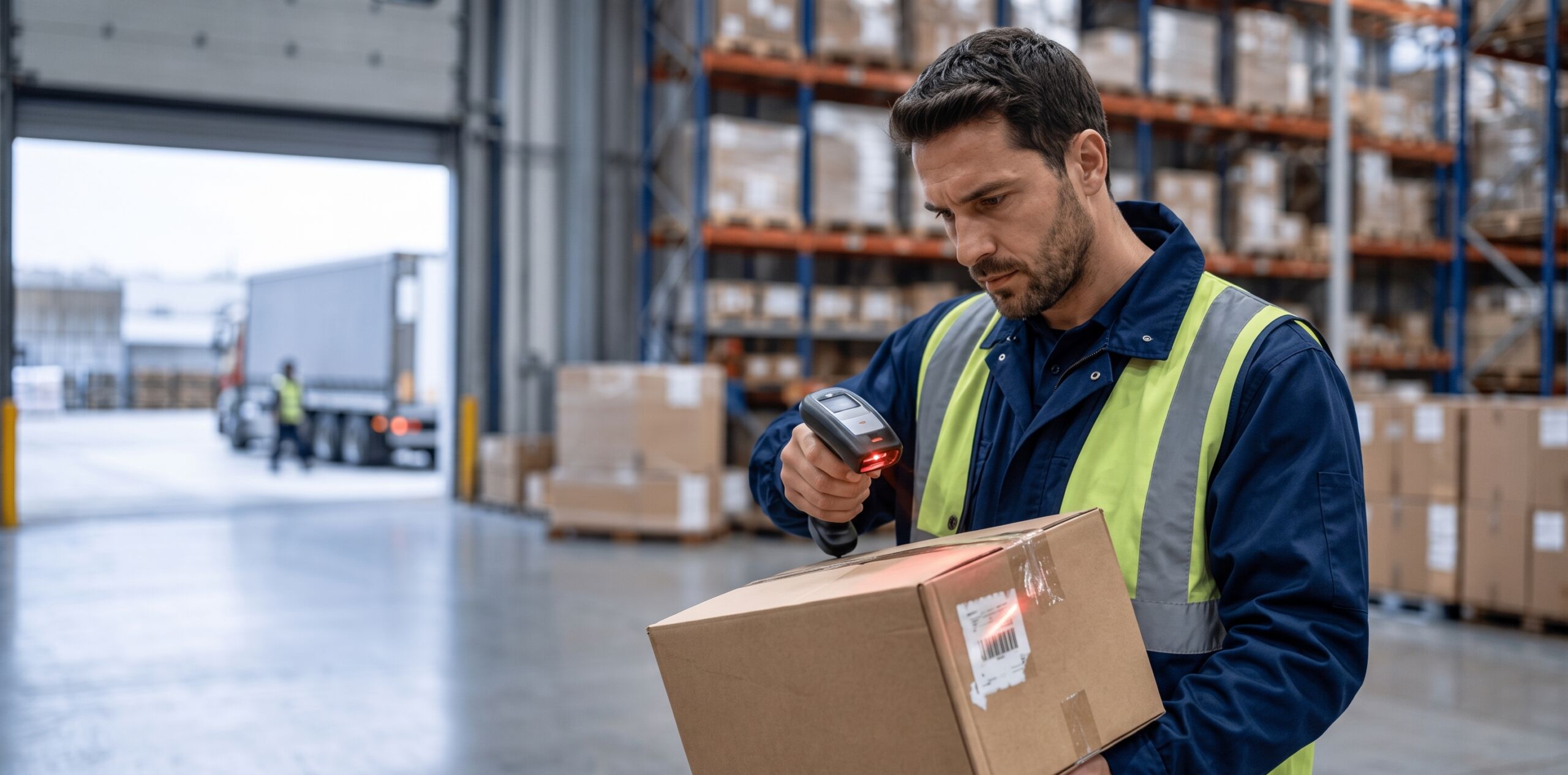
A shipment exception is a tracking update showing that an unexpected event has interrupted a package’s normal journey and may affect its delivery date. It usually signals a temporary delay, not that the shipment is lost or canceled.
What Does Shipment Exception Mean?
The shipment exception meaning is simple: something occurred outside the expected flow, so the carrier flagged the shipment for attention. The package may still be moving, waiting at a facility, or scheduled for another delivery attempt.
UPS defines an exception as an unexpected error within its network that may change the scheduled delivery date; the reason appears in the tracking details. FedEx similarly explains that an exception is a temporary delay and does not necessarily mean the shipment will arrive late. (UPS tracking-status guidance, FedEx delivery-exception guidance)
In other words, “exception” is a warning that the original shipping plan has changed or could change. It is not a final outcome.
Is a Shipment Exception the Same as a Delivery Exception?
Carriers and tracking platforms often use shipment exception and delivery exception interchangeably. When a distinction is made, it usually relates to where the disruption occurs:
| Term | Typical scope | Example |
| Shipment exception | Any point from pickup through transit and delivery | A package is held at customs because documentation is incomplete. |
| Delivery exception | Usually the final-mile or delivery-attempt stage | The driver cannot deliver because a signature is required and no one is available. |
Carrier terminology is not universal, so the detailed tracking message matters more than the label itself. For a closer look at final-mile problems, see OLIMP’s guide to what a delivery exception means.
Why Do Shipment Exceptions Happen?
A shipment exception may involve the carrier, sender, recipient, package, or external conditions. Common reasons include:
- Severe weather or natural disasters: Unsafe conditions may interrupt transportation.
- Incorrect or incomplete addresses: A missing suite number, incorrect ZIP code, or misspelled street can prevent routing or delivery.
- Customs or documentation issues: International shipments may pause for document review, inspection, or unpaid duties.
- No recipient or signature available: The carrier may schedule another attempt or hold the package for pickup.
- Closed or inaccessible location: A locked gate, closed business, or unsafe entrance can prevent delivery.
- Damaged packaging or an unreadable label: The carrier may stop the package for inspection or repacking.
- Operational disruption: Congestion, missed connections, equipment problems, or routing errors may delay movement.
Pro tip: Open the full tracking history instead of relying on the short notification in an email or shopping app. The carrier’s tracking page is more likely to show the location, reason, revised delivery estimate, and whether you need to act.
Does a Shipment Exception Mean the Package Is Lost?
No. A shipment exception does not, by itself, mean the carrier has lost the package. It means the shipment encountered an event that interrupted the planned schedule.
Many exceptions clear after rerouting, an address correction, new paperwork, or another delivery attempt. An unresolved exception can eventually lead to a return, claim, or lost-package investigation, so act when tracking requests information or passes the revised delivery date.
Will a Package Still Arrive After a Shipment Exception?
Usually, yes. The package can continue once the cause is resolved and may even arrive on the original date. UPS says tracking will show a new date if the schedule changes.
How long the delay lasts depends on the reason:
| Exception type | What may happen next |
| Weather or network disruption | The carrier resumes movement when the route or facility is operating safely. |
| Address problem | Delivery continues after the address is corrected, if the carrier permits a change. |
| Missed signature | The carrier may reattempt delivery or hold the package at an approved pickup location. |
| Customs hold | Clearance continues after review, documentation, or payment requirements are completed. |
| Damaged label or packaging | The shipment may be inspected, relabeled, repacked, returned, or placed into a claims process. |
Did you know? An exception scan can appear even when a package is still expected on time. Treat the latest estimated delivery date and any action request as more important than the word “exception” alone.
What Should You Do When Tracking Shows a Shipment Exception?
1. Read the complete tracking details
On the carrier’s official tracking page, check the last scan, location, reason, updated estimate, and instructions.
2. Determine who needs to act
Weather or network delays may require no action. Other exceptions may require an address correction, customs documents, payment, access, or a signature.
3. Fix correctable information quickly
If permitted, correct the address, add instructions, submit documents, or pay required charges. Use only official carrier channels; unexpected payment messages may be fraudulent.
4. Arrange redelivery or pickup when available
After an unsuccessful attempt, the recipient may be able to reschedule, redirect the package, or collect it. Options depend on carrier and shipper restrictions.
5. Contact the carrier or shipper if the status stalls
Contact the carrier if instructions are unclear, the revised date passes, or no new scan appears. Keep the tracking number and delivery details ready. Contact the seller if an investigation or claim must be initiated by the shipper.
How Can Businesses Prevent Shipment Exceptions?
Businesses can reduce avoidable exceptions by improving shipping data and follow-up:
- Validate addresses before labels are created.
- Use durable packaging and place labels on a flat, visible surface.
- Confirm service restrictions, dimensions, weights, and hazardous-material requirements.
- Prepare accurate customs descriptions, values, classifications, and supporting documents.
- Monitor carrier scans and assign ownership for exception follow-up.
- Notify customers early with the cause, next step, and expected update time.
- Maintain contingency options for time-sensitive or high-value freight.
For larger freight, a rejected load or damaged pallet may require temporary storage, inspection, pallet rework, cross-docking, or redelivery. Access to local warehouse capacity can prevent one exception from disrupting the wider supply chain.
What Is the Bottom Line?
A shipment exception means an unexpected event has interrupted the normal shipping process, not that the package has automatically been lost. Review the detailed tracking note, act quickly if information is requested, and watch for an updated delivery date.
If a freight exception creates a need for temporary warehousing, pallet rework, cross-docking, or redelivery, OLIMP Warehousing can help you explore a practical local solution.
Frequently Asked Questions (FAQ) – OLIMP Warehousing
Q: What does “shipment exception” mean on FedEx tracking?
It means an unexpected event has temporarily affected the shipment’s normal progress. Check the detailed tracking update for the reason and any revised delivery estimate; the package may still arrive on time.
Q: How long does a shipment exception last?
There is no fixed duration. A missed signature or correctable address may be resolved quickly, while severe weather, customs review, or damaged freight can take longer.
Q: Can a package arrive the same day after an exception?
Yes, it can. An exception does not always change the delivery date, but same-day arrival depends on the cause, location, and time of the tracking update.
Q: What is the difference between a shipment delay and a shipment exception?
A delay describes the result: the shipment is running late. An exception identifies an unexpected event that may cause a delay, although the carrier might still meet the original delivery date.
Q: What does a customs shipment exception mean?
It means an international shipment has paused during the clearance process. Authorities or the carrier may need additional documents, corrected information, an inspection, or payment of duties and taxes.
Q: Should I contact the carrier or the seller about an exception?
Start with the tracking instructions. Contact the carrier for delivery details or permitted changes, and contact the seller when the carrier requires the shipper to correct information, start an investigation, or file a claim.
You may be interested in
What Does “Delivery Exception” Mean? – Definition, Causes & How to Fix
A delivery exception is a carrier tracking status indicating an unforeseen issue that has temporarily delayed your package. It does not mean your parcel is lost, it simply means an unexpected problem needs to be resolved first. For example, a wrong address, severe weather, or a required signature might trigger a “delivery exception.” In logistics terms, an exception in […]

Amazon FBA vs 3PL: 2026 U.S. Cost Comparison and Guide
A 3PL (third-party logistics) provider is a company you outsource warehousing and fulfillment to, typically covering storage, pick/pack, shipping, and often returns. Fulfillment by Amazon (FBA) is a program where you send inventory into Amazon’s network and Amazon stores it, then picks, packs, ships, and handles customer service and returns, while also enabling fast Prime […]

Best Ecommerce Shipping Solutions & Logistics Platforms (2026)
Modern shoppers expect fast shipping, real‑time tracking and painless returns. For ecommerce brands juggling multiple carriers and fulfilment centres, meeting those expectations can be overwhelming. Shipping aggregators and logistics platforms solve this problem by connecting your store to dozens of carriers and automating everything from rate shopping to label printing. In this updated guide for […]
Ready to streamline your warehousing needs?
Request a quote today and discover how OLIMP's tailored solutions can optimize your operations