Food & Beverage Logistics Guide: Supply Chain, Warehousing & Transportation (2026)
07/21/2025

Food & beverage logistics manages the end‑to‑end flow of perishable goods from farms and factories to retailers and restaurants. It encompasses sourcing, processing, packaging, warehousing, transportation and last‑mile delivery. The sector faces unique challenges-products spoil quickly, temperature control must be maintained, and regulations such as the U.S. Food Safety Modernization Act (FSMA) require strict documentation. In 2026, logistics leaders are investing in cold‑chain capacity, AI‑powered visibility and sustainable practices to keep products safe and fresh. For businesses shipping food or beverages, partnering with specialized 3PL/4PL providers and adopting resilient strategies can reduce waste, lower costs and ensure regulatory compliance.
What is Food & Beverage Logistics?
Food & beverage logistics refers to the specialized planning, storage and movement of edible products (produce, meat, dairy, packaged goods, beverages, etc.) through the supply chain. Unlike general freight, food shipments are highly perishable and must stay within strict temperature ranges to remain safe. The process includes:
- Sourcing & procurement: Vetting growers and ingredient suppliers, performing risk assessments and qualifying vendors to meet food safety standards.
- Processing & packaging: Transforming raw ingredients into finished products under sanitary conditions and packaging them in materials that maintain freshness.
- Warehousing & inventory management: Storing goods in ambient, refrigerated or frozen warehouses; managing inventory based on shelf life (fresh produce may only hold ~48 hours of supply, while frozen goods might stock ~30 days).
- Transportation: Moving products via refrigerated trucks, tank containers, rail, air or ocean. Dedicated fleets and freight brokerage provide capacity, while intermodal shipping handles bulk liquids.
- Distribution & retail delivery: Consolidating loads for grocery stores or restaurants, cross‑docking shipments to minimize storage time and coordinating last‑mile deliveries within strict time windows.
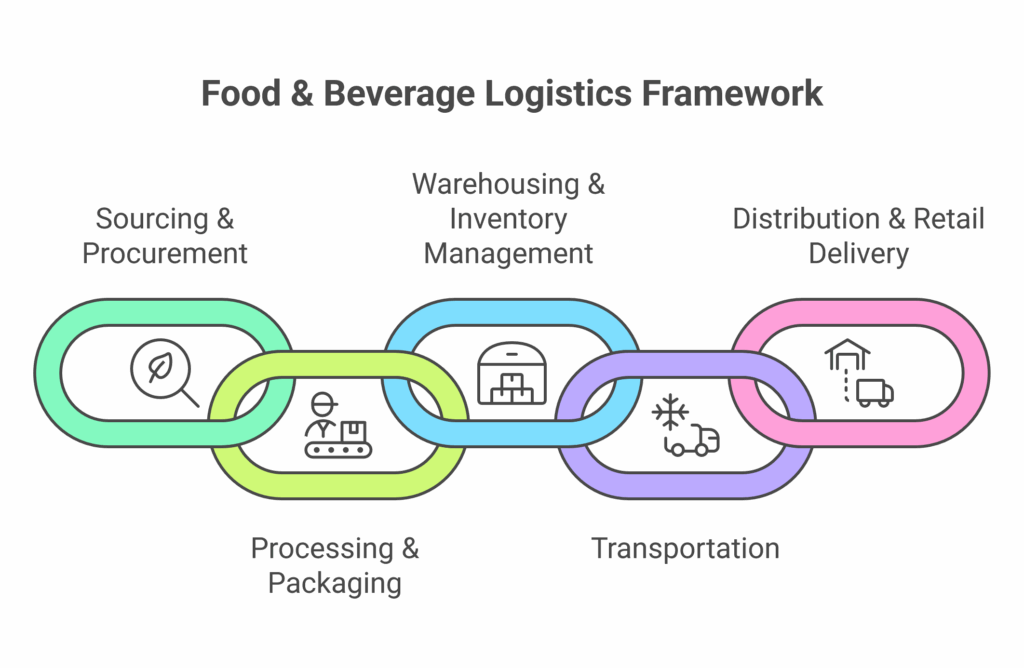
How Food Logistics Differs From Other Freight
General freight like steel or textiles can tolerate delays or minor temperature shifts; perishables cannot. Food & beverage logistics demands:
- Temperature integrity: Refrigerated (2–8 °C), chilled (0–2 °C) or frozen (below –18 °C) environments must be maintained from processing through delivery. Even brief excursions can ruin entire loads.
- Regulatory compliance: In the U.S., FSMA’s Sanitary Transportation Rule requires sanitary conditions, temperature recording and traceability during transit. Europe’s Import Control System 2 mandates electronic pre‑notification of data for imports, while new FSMA 204 food traceability rules require digital records of critical tracking events.
- Shelf‑life & demand forecasting: Short product life cycles demand precise forecasting and rapid inventory turnover. Seasonal swings and viral social‑media trends can create sudden demand spikes.
- Complex distribution networks: Food companies often ship through a mix of direct‑store delivery, wholesale distribution, e‑commerce fulfillment and foodservice, each with different order sizes and handling requirements.
Key Components of the Food & Beverage Supply Chain
1. Production & Procurement
Food safety starts on the farm. Businesses must approve and audit ingredient suppliers, conduct risk assessments and monitor compliance with biological, chemical and allergen controls. Using supplier‑quality management tools and blockchain‑based traceability can reduce contamination risks.
2. Processing & Packaging
Facilities transform raw materials into consumable products, adhering to Hazard Analysis and Critical Control Points (HACCP), allergen controls and sanitation programs. Packaging must insulate products, prevent leaks and include handling instructions like “keep upright” or “refrigerate upon arrival”. Sustainable packaging is increasingly important; companies are balancing eco‑friendly materials with durability.
3. Cold Chain Warehousing & Inventory Management
Warehouses range from ambient to chilled, refrigerated and frozen. Food‑grade storage facilities must hold FDA or equivalent approvals. Strategic placement near ports and distribution centers enables fast turnover, while cross‑docking moves inbound shipments directly to outbound trucks. Inventory is managed based on shelf life, fresh produce may only stay 48 hours, whereas frozen goods can hold 30 days. IoT sensors and warehouse management systems (WMS) provide real‑time temperature and inventory visibility.
4. Transportation & Freight Shipping
Transportation options include dedicated reefer fleets, freight brokerage, intermodal shipping and reverse logistics. Cold chain integrity is essential; trucks, railcars and containers must maintain proper temperatures and avoid delays. Multimodal solutions balance cost, speed and product safety. Reverse logistics programs manage returnable containers (e.g., milk crates, kegs) and packaging to support sustainability.
5. Distribution & Last‑Mile Delivery
Retailers and restaurants require deliveries within tight windows. Consolidation centers combine multiple small shipments into full truckloads to cut costs and reduce dwell time. Direct‑store delivery and omnichannel fulfillment demand flexible carriers, real‑time tracking and coordination with receivers.
Best Practices & Challenges (2026 Perspective)
Food logistics is time- and quality-sensitive. Common recommendations include:
- Plan and Secure Capacity: Perishables spike during holidays and promotions. Shippers should lock in refrigerated capacity well in advance to avoid seasonal shortages.
- Prevent Spoilage: Ensure on-time delivery to keep products fresh. Refrigerated fleets consume more fuel, so budget extra time and cost for climate control. Schedule periodic temperature checks en route (at loading, during transit, at checkpoints) to verify stability.
- Comply with Regulations: Adhere to FDA’s Food Safety Modernization Act (FSMA) and USDA rules. This includes maintaining sanitary conditions and keeping detailed records. Facilities often hold certifications like SQF or HACCP to prove they meet high safety standards.
- Optimize Packaging: Use insulated or refrigerated packaging when needed. For fragile items (glass bottles), use cushioning void-fillers to absorb shocks. Label packages with handling instructions (e.g. “keep upright”, “refrigerate upon arrival”).
- Communicate with Receivers: Coordinate precise delivery windows. Many retailers and restaurants only accept deliveries at specific times. Stay in touch (via your TMS or ERP) to adjust schedules in case of delays.
By following these practices, food companies reduce waste and ensure customer satisfaction. Maintaining freshness is about speed and visibility, you need dependable, rapid transportation to get fresh foods to their destination… so consumers can enjoy them in their freshest form.
2026 Trends & Innovations
Rising Demand for Frozen & Refrigerated Foods
Global demand for refrigerated and frozen foods continues to surge. Market researchers estimate the frozen food market will grow from roughly US$ 280 billion in 2025 to US$ 403 billion by 2032 (CAGR ≈ 4.65 %). Similar forecasts show the frozen food market climbing from US$ 311.74 billion in 2025 to US$ 394.93 billion by 2030. This expansion drives investment in cold‑chain warehousing, multi‑temperature transport and real‑time monitoring.
Regulatory Digitalization & Traceability
Regulations now require electronic data capture and traceability. FSMA 204 mandates digital tracking of critical events for high‑risk foods, while the EU’s Import Control System 2 demands electronic pre‑notification of shipment data. China’s CIFER program and Canada’s SFCR strengthen import registration and documentation requirements. Operators must integrate interoperable platforms (WMS, TMS, IoT) to ensure compliance.
Artificial Intelligence & Predictive Analytics
AI is transforming cold‑chain operations. Predictive models forecast demand surges, adjust capacity, and optimize transport routes considering temperature constraints. AI‑powered systems also enable predictive maintenance of refrigerated fleets and warehouse equipment. Surveys show that 60 % of supply‑chain leaders rank data and AI among the top forces reshaping operations and that 24 % report exceeding ROI expectations from AI adoption.
Sustainability & Carbon Accounting
Environmental regulations are tightening. The EU’s emissions trading system (ETS2) and CBAM scheme expand carbon pricing to maritime transport and cross‑border goods. Logistics providers must implement energy‑efficient refrigeration, explore alternative fuels and invest in route optimization to reduce emissions. Measuring and reporting carbon footprint will become a competitive differentiator.
Tariff & Geopolitical Volatility
Geopolitical tensions and shifting trade policies introduce tariff uncertainty. Operators need flexible networks with near‑shoring, FTZ usage and diversified suppliers. Resilient supply chains rely on regional hubs and multimodal networks to maintain service during route disruptions.
Growth of 4PL & Resilient Partnerships
With supply chains becoming more complex, many manufacturers and retailers are turning to specialized 3PL and 4PL providers. Surveys reveal that 85 % of top logistics providers offer refrigerated trucking and ~80 % provide cold storage. Modern 4PLs integrate technology, capacity and industry expertise, enabling real‑time visibility, AI‑powered pricing and tailored solutions.
Conclusion
Effective food and beverage logistics is the “winning recipe” that keeps our grocery shelves and restaurant kitchens stocked with fresh, safe products. It requires meticulous planning, temperature-controlled transport, regulatory compliance and real-time information. By understanding the key supply chain stages, from production and cold storage to delivery, businesses can reduce spoilage and cut costs. Modern solutions (like automation and data analytics) are making these supply chains faster and more reliable. As consumer demand for convenience and freshness grows, companies that partner with specialized 3PLs and invest in best practices will have a competitive edge.
Food manufacturers and distributors should proactively address the unique demands of perishable goods – securing adequate refrigerated capacity, optimizing inventory, and choosing partners experienced in food logistics. With careful management and the right technology, food logistics can ensure customers get the products they want, when they want them, in the safest condition.
Frequently Asked Questions (FAQ) – OLIMP Warehousing
Q: How does food logistics differ from general freight logistics?
Unlike general freight, food logistics must maintain strict temperature ranges, comply with food safety regulations (e.g., FSMA, HACCP) and manage short shelf lives. Even small delays or temperature excursions can lead to spoilage and product recalls.
Q: What are the key challenges in beverage supply chain management?
Beverage supply chains handle heavy, fragile products with varying shelf lives. Challenges include maintaining cold chain integrity, managing SKU proliferation, complying with FDA and TTB regulations, forecasting demand spikes and balancing sustainability with packaging strength.
Q: What regulations govern food transportation in 2026?
Key regulations include the FSMA Sanitary Transportation Rule and FSMA 204 food traceability requirements in the U.S., the EU’s Import Control System 2 for pre‑notification of imports, Canada’s Safe Food for Canadians Regulations and China’s updated CIFER import registration rules. Compliance requires electronic documentation and real‑time data capture.
Q: How is cold‑chain integrity maintained during transport?
Refrigerated trucks, containers and railcars equipped with sensors maintain set temperatures. Logistics providers perform temperature checks at loading, during transit and at checkpoints. IoT sensors send real‑time data to TMS platforms, enabling carriers to act quickly if temperatures drift.
Q: What is the difference between a 3PL and a 4PL in food logistics?
A third‑party logistics (3PL) provider offers warehousing, transportation and sometimes co‑packing. A fourth‑party logistics (4PL) provider acts as a strategic integrator, orchestrating multiple 3PLs, carriers and technology platforms to deliver end‑to‑end visibility and optimization. 4PLs often leverage AI for pricing, demand forecasting and network design.
Q: What technologies are reshaping food supply chains in 2026?
AI‑driven demand forecasting, IoT sensors for temperature and location tracking, blockchain for traceability, warehouse automation (AS/RS, robotics), and integrated TMS/WMS platforms are giving companies real‑time visibility and predictive insights.
You may be interested in
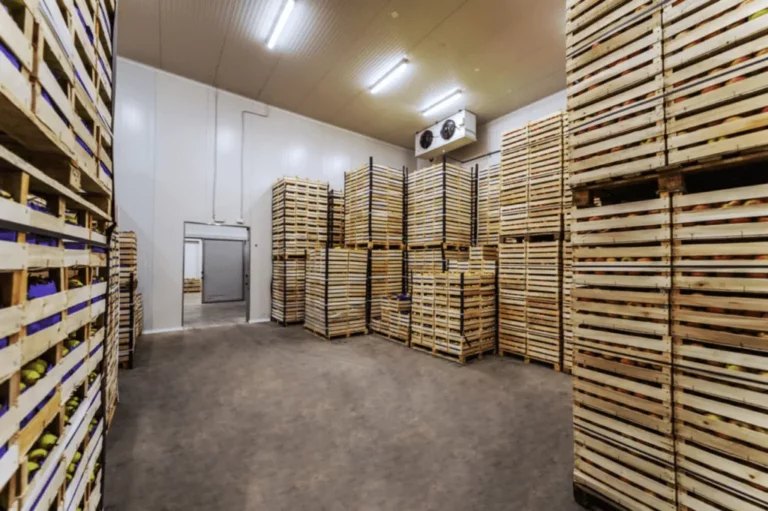
What Is Cold Storage Warehousing? A Guide to Refrigerated & Freezer Warehouses
A cold storage warehouse (also called a refrigerated warehouse or cold storage facility) is a highly insulated, climate-controlled building that preserves temperature-sensitive products by maintaining precise low-temperature zones. These warehouses use industrial refrigeration (compressors, condensers, evaporators, etc.) to remove heat and lock in cold air, much like a giant commercial refrigerator. For example, chilled storage […]
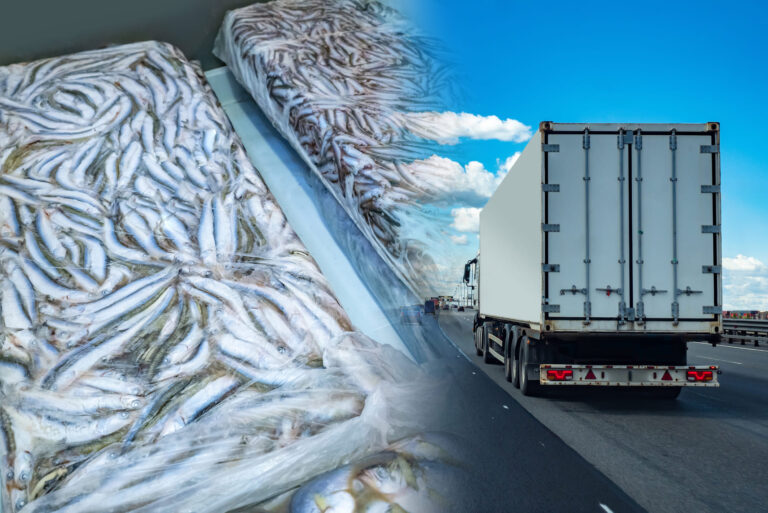
Refrigerated Transportation: A Comprehensive Guide to Cold‑Chain Freight
Refrigerated transportation – often called reefer freight or cold transportation – uses temperature‑controlled trucks, trailers, intermodal containers and warehouses to move perishable goods. By keeping cargo within a defined temperature range from pickup to delivery, refrigerated transport services prevent spoilage, maintain quality and ensure safety for products such as food, pharmaceuticals, chemicals and cosmetics. This article […]
Retail Consolidation Services: The Complete Guide to Cost Savings and OTIF Compliance
Retail consolidation is a logistics strategy that groups multiple small shipments for the same retailer into one larger truckload. Instead of sending many underfilled LTL (less-than-truckload) loads, suppliers pool their goods to form consolidated full truckloads. This approach leverages economies of scale – sharing truck space to one retail center – and dramatically cuts per-unit […]
Ready to streamline your warehousing needs?
Request a quote today and discover how OLIMP's tailored solutions can optimize your operations