Cold Chain Logistics in 2026: Trends, Costs & Solutions
05/08/2026
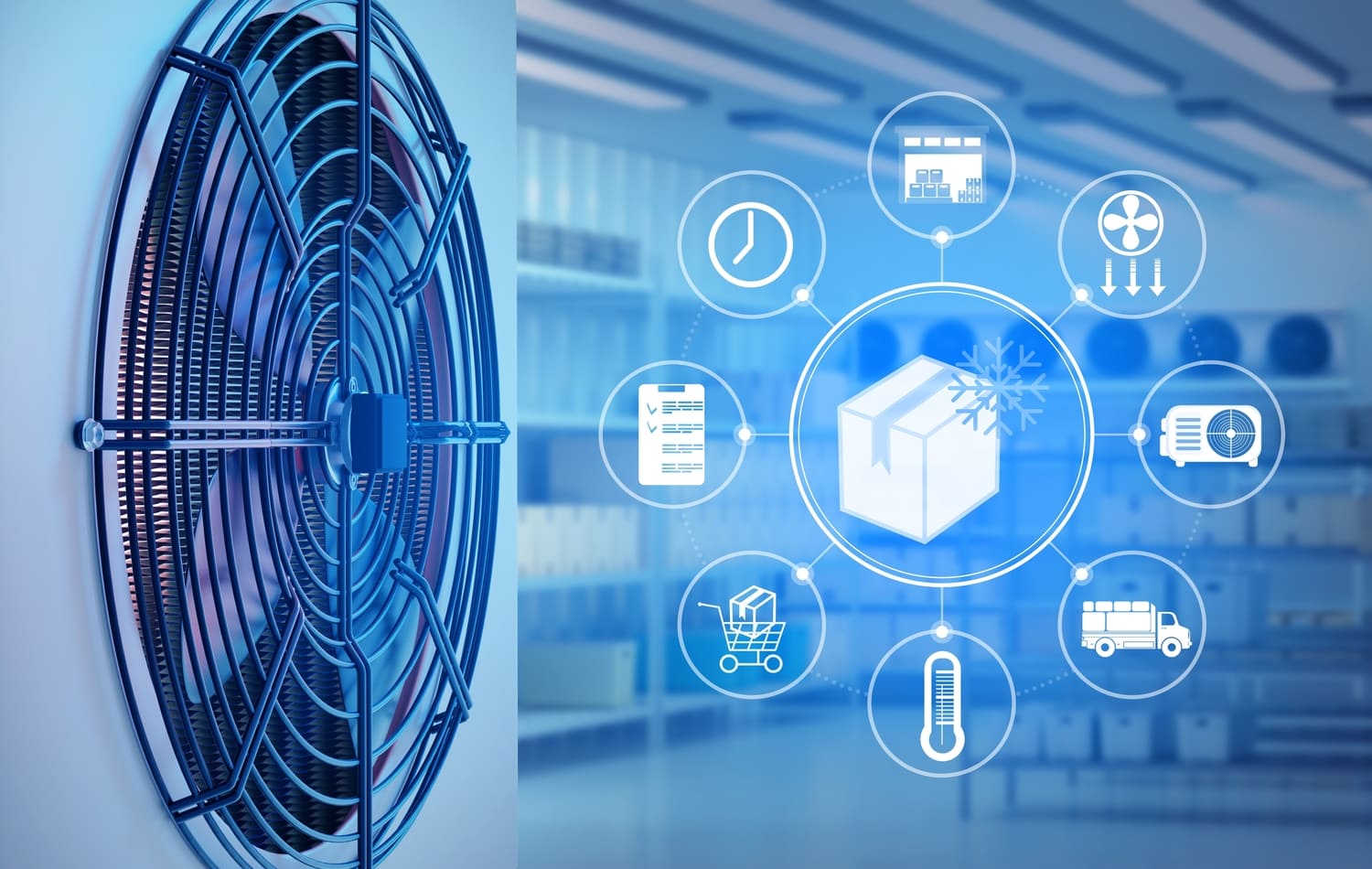
- Cold chain logistics is the temperature-controlled storage, handling, and transportation of products such as food, pharmaceuticals, and other temperature-sensitive goods.
- Temperature monitoring is essential. Data loggers, connected sensors, and documented handling procedures help identify temperature excursions and protect product quality.
- Key cold chain trends in 2026 include AI-assisted forecasting, digital traceability, energy-efficient refrigeration, resilient distribution networks, cybersecurity, and smart packaging.
- Cold chain logistics costs depend on required temperatures, storage duration, shipment distance, handling complexity, monitoring, and compliance needs.
- Choosing the right cold chain logistics company requires evaluating temperature capabilities, geographic coverage, emergency procedures, documentation, and total service costs.
Cold chain logistics plays a critical role in food and pharmaceutical supply chains, helping temperature-sensitive products maintain their required conditions from storage through transportation and final delivery.
As demand for fresh groceries, frozen foods, and temperature-sensitive medical products continues, businesses need cold chain logistics solutions that combine reliable infrastructure with better shipment visibility.
However, refrigeration alone is not enough. Successful cold chain management also depends on accurate temperature records, coordinated handling, qualified partners, and contingency planning.
This guide explains how cold chain logistics works, the major trends shaping the industry in 2026, the factors influencing costs, and how businesses can choose a suitable logistics solution.
What Is Cold Chain Logistics?
Cold chain logistics is the process of storing, handling, and transporting temperature-sensitive products within defined temperature ranges to maintain their safety, quality, and condition.
Unlike standard logistics, cold chain operations depend on controlled environments throughout the distribution process.
Products commonly requiring cold chain logistics include:
- Fresh produce, meat, seafood, and dairy products
- Frozen foods and ready-to-eat meals
- Temperature-sensitive medications and vaccines
- Biologics and certain laboratory materials
- Flowers, specialty ingredients, and other perishable products
The specific temperature, humidity, packaging, and handling requirements depend on the product.
Meaning of the Cold Chain
The term cold chain describes the connected series of temperature-controlled environments through which a product moves, from production and storage to transportation and delivery.
Maintaining cold chain integrity means keeping products within their approved conditions at every stage.
A temperature excursion occurs when a product or its surrounding environment goes outside an established temperature limit. Depending on the product and duration of exposure, an excursion may affect quality, shelf life, safety, or pharmaceutical potency.
Common temperature ranges include:
| Product category | Typical reference range |
|---|---|
| Refrigerated perishable foods | Often at or below 40°F (4°C), depending on the product |
| Frozen foods | Commonly 0°F (-18°C) or colder |
| Refrigerated vaccines | 2°C to 8°C (36°F to 46°F) for vaccines labeled for this range |
| Frozen or ultra-cold vaccines | Product-specific; some require temperatures well below conventional freezing |
| Fresh fruits and vegetables | Varies considerably by commodity, ripeness, and chilling sensitivity |
These are general reference conditions, not universal shipping specifications. The approved product label, applicable food safety requirements, and shipper’s written instructions determine the correct operating range.
For example, freezing can damage certain refrigerated vaccines, while some fresh produce is vulnerable to chilling injury even when it remains above freezing.
Sources: FDA Food Storage Guidance and CDC Vaccine Storage and Handling.
Components of a Cold Chain Logistics Service
Well‑managed cold chain logistics services rely on several key components:
- Temperature‑controlled storage: Warehouses and distribution centres maintain precise thermal conditions using refrigeration systems. These facilities can include standard coolers, freezers, ultra‑low freezers (for vaccines or biologics) and cryogenic storage.
- Refrigerated transportation: Products move through refrigerated trucks, containers, rail cars and air cargo units. Advances in insulation and cooling technology help reduce energy consumption and temperature fluctuations.
- Real‑time monitoring: IoT sensors and data loggers track temperature, humidity and location throughout the journey. Real‑time alerts allow corrective action if a temperature excursion occurs.
- Specialized packaging: Gel packs, dry ice, phase‑change materials and thermal liners help maintain required temperatures. Smart packaging with QR codes or NFC tags can record temperature history and support digital traceability.
- Quality assurance protocols: Standard operating procedures and quality management systems (HACCP, Good Distribution Practice) govern handling, loading/unloading and documentation.
A reliable cold chain depends on coordination between these components.
For example, a frozen food shipment may remain within its required range while stored in a warehouse but experience temperature exposure during unloading if staging and dock procedures are poorly managed.
Why the Cold Chain Market Is Booming
The cold chain logistics industry continues to evolve as businesses invest in food distribution, healthcare logistics, and more dependable temperature-controlled supply chains.
Several factors are driving demand:
- Food and pharmaceutical distribution: Fresh foods, frozen meals, biologics, and temperature-sensitive medicines depend on reliable storage and transportation.
- E-commerce and grocery delivery: Online grocery orders and home delivery services create additional requirements for temperature control, particularly during picking, dispatch, and last-mile delivery.
- Technological innovation: Connected monitoring devices, warehouse management systems, and predictive analytics provide new ways to manage temperature-sensitive inventory.
- Regulatory requirements: Food and pharmaceutical businesses need appropriate handling procedures, traceability records, and documentation based on their products and operating jurisdictions.
- Sustainability priorities: Businesses are evaluating refrigeration efficiency, refrigerants, transportation routes, and energy consumption to improve operating performance.
Regulatory developments are particularly important in 2026.
In the United States, the FDA’s Sanitary Transportation of Human and Animal Food Rule establishes requirements for covered transportation operations, including appropriate equipment, sanitary practices, and temperature controls when necessary for food safety.
Separately, FSMA Section 204 introduces additional traceability requirements for certain foods on the FDA’s Food Traceability List. The FDA has stated that it will not enforce this rule before July 20, 2028, giving covered businesses additional time to prepare.
These developments make traceability readiness and clear operating procedures important long-term investments.
For businesses, the opportunity is not simply to add more refrigerated capacity. It is to develop cold chain networks that support reliable distribution, cost visibility, and faster responses to operational problems.
New Trends Reshaping Cold Chain Logistics in 2026
Cold chain logistics technology is advancing, but the most valuable innovations address practical problems such as delayed shipments, incomplete temperature records, equipment failures, and rising operating costs.
Here are six trends influencing cold chain logistics in 2026.
1. Predictive Analytics and AI
Artificial intelligence is moving from buzzword to practical tool. Predictive analytics uses historical and real‑time data to anticipate demand, plan capacity, and flag equipment failures before they occur. For example, AI‑driven route optimization can adjust delivery schedules to avoid traffic or weather disruptions and reduce the risk of temperature excursions. In maintenance, predictive algorithms help schedule servicing of refrigeration units and thereby lower downtime.
AI is also improving inventory planning. Machine‑learning models can forecast demand spikes for perishable goods or vaccines, helping companies allocate storage space and transport resources efficiently. These capabilities reduce waste and support on‑time deliveries.
2. Digital Traceability and Compliance
Regulators worldwide are mandating more granular traceability. Under FSMA 204 in the U.S., certain foods must be traced through electronic records. The EU’s Import Control System 2 and Canada’s Safe Food for Canadians Regulations require electronic pre‑notification and traceability data. China has implemented digital clearance for food imports.
These regulations are pushing cold chain logistics companies to adopt blockchain and cloud platforms that provide immutable records of a product’s journey. Blockchain technology can link temperature logs, location data and handling records, ensuring transparency and preventing fraud. In the pharmaceutical sector, blockchain enhances security for high‑value biologics, reduces counterfeiting, and supports recall processes.
3. Sustainability and Green Technologies
Environmental concerns are more than marketing; they are becoming a regulatory requirement. New carbon pricing mechanisms (e.g., the EU’s Carbon Border Adjustment Mechanism and Emissions Trading Scheme 2) internalise the cost of emissions, increasing pressure on logistics providers to decarbonise. Countries like Brazil have introduced emissions trading systems and reverse packaging logistics laws.
Cold chain logistics companies are responding by:
- Switching refrigerants: Phasing out high‑global‑warming‑potential (GWP) HFCs in favour of natural refrigerants like CO₂, ammonia or hydrocarbon blends.
- Using renewable energy: Deploying solar panels, micro‑grids and battery storage to power warehouses and refrigeration units.
- Adopting reusable packaging: Designing gel packs and phase‑change materials that can be recovered and reused, reducing single‑use waste. Recyclable and biodegradable insulation materials are increasingly common.
- Optimising transport: Route optimisation, load consolidation and intermodal transport help reduce fuel consumption and carbon emissions. Hybrid or electric refrigerated vehicles are emerging, especially for last‑mile deliveries.
4. Geopolitical Pressures and Supply Chain Resilience
Global events-such as conflicts in the Middle East, disruptions in the Panama Canal, and the lingering effects of pandemic‑era shocks-have underscored the importance of resilient cold chain networks. Tariff volatility requires flexible logistics strategies, nearshoring and diversification of supply bases. Companies are investing in micro‑fulfillment centres close to urban hubs to shorten supply routes and reduce risks.
Nearshoring is particularly relevant for pharmaceuticals and sensitive food products. Regional cold storage hubs and cross‑docking centres in Latin America and Asia allow faster response times and reduce reliance on long‑haul shipping.
5. Cybersecurity and Digital Risk Management
As cold chain logistics systems become more digitised, they become attractive targets for cyberattacks. A report on maritime cyber incidents reveals that over 80 % of incidents originate from hostile state actors or criminal groups. Hackers may target IoT sensors, GPS systems or warehouse management software to disrupt operations or steal sensitive data.
To mitigate these risks, companies are investing in:
- Network segmentation and encryption to protect data streams from sensors and vehicles.
- Multi‑factor authentication and secure protocols for accessing tracking platforms.
- Employee training to identify phishing and social engineering attempts.
- Cyber insurance and incident response planning.
6. Smart Packaging and Sensor Innovations
Packaging is no longer just a box; it’s a data device. Smart packaging integrates sensors that monitor temperature, humidity and tampering. QR codes or near‑field communication (NFC) tags allow shippers and receivers to access a product’s history. In pharma cold chain logistics companies, smart packaging ensures biologics remain within narrow temperature ranges and provides traceability for compliance audits.
The use of portable cryogenic freezers is increasing in biopharmaceutical logistics. These systems maintain ultra‑low temperatures (−80 °C or lower) for mRNA vaccines and gene therapies. Innovations such as solar‑powered portable freezers enable distribution in remote regions with limited grid access.
Challenges and Risk Factors
Despite advances, cold chain logistics services face significant challenges:
- Labour shortages: Warehousing and transport sectors struggle to attract skilled workers. Automated storage and retrieval systems can help but require significant capital.
- Energy costs: Electricity accounts for about 18 % of facility operating costs, and the cold chain industry spends over $30 billion annually on energy. Rising energy prices can erode margins.
- Temperature excursions: Even minor temperature deviations cause large losses, billions of dollars of fresh produce and pharmaceuticals spoil each year due to poor cold chain systems.
- Regulatory compliance: Meeting diverse standards (FSMA, HACCP, ISO 9001/22000, Good Distribution Practice) across multiple jurisdictions is complex and costly.
- Infrastructure gaps in emerging markets: Many developing regions lack reliable refrigeration, transportation or digital connectivity. Portable solar solutions and investment in local infrastructure are bridging these gaps.
What Does Cold Chain Logistics Cost in 2026?
Cold chain logistics costs depend on storage temperature, shipment distance, cargo volume, handling requirements, monitoring, and the duration of service.
There is no single nationwide rate for refrigerated transportation or cold storage. Prices vary by location, capacity, product requirements, and service level.
The main cost components include:
| Cost component | What affects pricing |
|---|---|
| Refrigerated or frozen storage | Required temperature, pallet count, location, storage duration |
| Refrigerated transportation | Distance, equipment type, route, fuel, shipment size |
| Warehouse handling | Receiving, pallet movement, order picking, loading, unloading |
| Monitoring and documentation | Sensors, data logging, reporting, validation requirements |
| Packaging | Insulation, cooling materials, reusable containers, shipment duration |
| Additional services | Cross-docking, inspections, special handling, short-notice requests |
How Do Cold Chain Costs Compare With Ambient Logistics?
Temperature-controlled logistics is generally more resource-intensive than ambient storage and transportation because refrigeration, monitoring, and specialized handling may be required.
However, total costs depend on the specific operation.
A short-term refrigerated storage request may be more practical than arranging an extended refrigerated trailer hold. Similarly, storing products at the wrong temperature can create losses that exceed any apparent savings from cheaper storage.
Important: Ambient logistics is not a suitable substitute for cold chain services when a product requires controlled temperatures for safety or quality.
How Can Businesses Reduce Cold Chain Logistics Costs?
Companies can evaluate several opportunities:
- Forecast storage needs to reduce emergency capacity requests.
- Choose locations close to key transportation routes or customers.
- Coordinate receiving and shipping schedules to reduce delays.
- Consolidate compatible shipments where practical.
- Use suitable packaging and monitoring rather than unnecessary premium specifications.
- Compare total service costs, including handling and accessorial charges.
For accurate pricing, request a quote using the product’s required temperature range, pallet quantity, expected arrival date, storage duration, and handling requirements.
Businesses needing flexible refrigerated or frozen capacity can explore cold storage warehousing solutions based on their location and freight requirements.
How to Choose a Cold Chain Logistics Company or Solution
Selecting a cold chain logistics company requires more than comparing transportation or warehouse rates.
A suitable provider must be able to meet the product’s specific storage, handling, and documentation requirements.
Consider these five factors:
1. Industry experience and product requirements
Choose a provider familiar with your product category, whether food, frozen goods, pharmaceuticals, or biologics.
For pharmaceutical shipments, confirm that the provider can meet the relevant product-specific conditions and quality requirements. Not every refrigerated warehouse is qualified for pharmaceutical storage.
2. Temperature control infrastructure
Ask about available temperature zones, refrigeration equipment, alarms, backup power, and loading procedures.
Facilities should be able to explain how they monitor conditions and respond to excursions.
3. Monitoring and documentation
Determine whether the provider offers the temperature records, shipment visibility, alerts, and handling documentation your operation needs.
Ask who receives alerts and how exceptions are escalated.
4. Geographic coverage and flexibility
Review access to warehouses near manufacturing facilities, distribution centers, ports, or final delivery markets.
For seasonal or unexpected demand, flexible short-term storage may be particularly valuable.
5. Total cost and operational support
Request a clear breakdown of storage, handling, transportation-related services, and any additional charges.
The least expensive quote is not necessarily the most suitable if it excludes required monitoring, handling, or contingency support.
Finding Temperature-Controlled Warehousing Through OLIMP
OLIMP connects shippers, freight brokers, carriers, and other businesses with warehousing partners across North America, including options for temperature-controlled and cold storage requirements.
Businesses can request short-term, overflow, or longer-term storage based on their shipment needs and available facility capabilities.
When requesting a quote, provide:
- Desired warehouse location
- Product type and required temperature range
- Number of pallets or shipment dimensions
- Expected arrival date and storage duration
- Receiving, handling, monitoring, or documentation requirements
This information helps identify suitable warehouse options without making unnecessary assumptions about facility capabilities.
Request a Cold Storage Quote from OLIMP
Conclusion: Building a Resilient Cold Chain
Cold chain logistics continues to evolve as technology, regulatory requirements, and distribution needs change.
AI-assisted forecasting, digital temperature monitoring, efficient refrigeration, and better packaging can help businesses improve operational control. However, reliable cold chain logistics still depends on appropriate infrastructure, trained teams, and clear procedures.
For businesses moving temperature-sensitive freight, the priority should be maintaining product conditions while managing costs, reducing unnecessary delays, and preparing for disruptions.
Need refrigerated or frozen warehouse capacity? OLIMP helps businesses connect with temperature-controlled warehousing partners based on location, freight specifications, and storage requirements.
Explore OLIMP’s Cold Storage Warehousing Services or Request a Quote.
Frequently Asked Questions (FAQ) – OLIMP Warehousing
Q: What is cold chain logistics and why is it important?
Cold chain logistics refers to temperature‑controlled storage and transportation of perishable goods from origin to consumption. It is important because it preserves product quality, prevents spoilage and ensures safety for consumers. Perishable items like dairy, seafood and vaccines can lose efficacy or become unsafe if exposed to improper temperatures.
Q: How do cold chain logistics companies monitor temperature during transit?
Modern cold chain logistics companies use IoT sensors and data loggers to monitor temperature, humidity and location in real time. These devices send alerts if a shipment deviates from its temperature range, enabling corrective action before product spoilage.
Q: What are the main cost components of cold chain logistics?
Major costs include refrigerated storage, transportation, warehouse handling, energy, monitoring, packaging, and additional services. Pricing varies based on temperature requirements, location, volume, duration, and the level of operational support needed.
Q: What regulations apply to cold chain logistics in the United States?
Requirements depend on the product. Covered food transportation operations must follow applicable FDA FSMA sanitary transportation rules. Certain foods also fall under FSMA 204 traceability requirements, for which FDA enforcement is deferred until July 20, 2028. Pharmaceutical storage and distribution may involve applicable FDA drug regulations and product-specific quality requirements.
Q: How should businesses choose a cold chain logistics company for pharmaceuticals?
Evaluate temperature capabilities, documented procedures, monitoring records, excursion management, security, and quality qualifications. Confirm that the provider can support the product’s approved storage range and any applicable pharmaceutical distribution requirements.
Q: What is the difference between active and passive cold chain packaging?
Active packaging uses powered temperature-control equipment, while passive packaging relies on insulation and conditioned cooling materials. The appropriate solution depends on the product, transit time, environmental conditions, and validated temperature requirements.
Q: Where can businesses find temperature-controlled warehousing near major ports?
Businesses can look for refrigerated and frozen warehouses near ports and major freight corridors, then confirm capacity, temperature ranges, handling capabilities, and delivery access. OLIMP helps connect businesses with suitable cold storage warehouse partners based on location and shipment requirements.
Q: What are the best practices for maintaining cold chain integrity during last-mile delivery?
Maintaining cold chain integrity during last-mile delivery requires consistent temperature control, real-time monitoring, and efficient handling. Businesses should use pre-cooled vehicles or qualified insulated packaging, monitor shipments with temperature sensors, optimize delivery routes, minimize loading and unloading delays, and train drivers in proper handling procedures. Having contingency plans for equipment failures or delivery delays also helps prevent temperature excursions and protect product quality.
Q: What cold chain packaging options are available for temperature-sensitive shipments?
Cold chain packaging options include insulated foam containers, gel packs, phase-change materials (PCMs), dry ice, and active temperature-controlled containers. Passive packaging uses insulation and cooling materials to maintain temperatures without external power, while active packaging uses powered temperature regulation. Gel packs are commonly used for refrigerated shipments, while dry ice supports frozen products and requires special handling. The best solution depends on the product’s required temperature, shipping duration, environmental conditions, and applicable handling requirements.
You may be interested in
Cold Chain Logistics: Safeguarding Food, Pharma & Electronics
Cold chain logistics refers to the specialized supply chain and warehousing of temperature-sensitive products, from fresh produce and pharmaceuticals to electronics, using refrigeration to prevent spoilage and preserve quality. Temperature-controlled warehousing protects goods from degradation and ensures compliance with strict safety regulations. This sector is booming: the global cold chain market is projected to surge […]
Chemical Warehousing & HAZMAT Storage: Safety, Standards, and Best Practices
Chemical warehouse storing drums of hazardous substances under safety controls. Chemical warehousing (also called hazardous materials or HAZMAT warehousing) refers to specialized storage of chemicals and other dangerous goods under strict safety and regulatory controls. These facilities are designed to prevent accidents by segregating incompatible substances and complying with rigorous safety standards. In North America, […]
Pharma Cold Chain Logistics: Providers, Costs & Storage
Pharmaceutical cold chain logistics is the controlled storage, handling and transportation of temperature-sensitive medicines within their approved conditions. It combines qualified facilities, packaging, transport and temperature records. Many refrigerated products require 2°C to 8°C, but the correct range comes from the specific product’s labeling and stability requirements. For a pharmaceutical shipper, the practical question is […]
Ready to streamline your warehousing needs?
Request a quote today and discover how OLIMP's tailored solutions can optimize your operations