Refrigerated Transportation: A Comprehensive Guide to Cold‑Chain Freight
01/23/2025
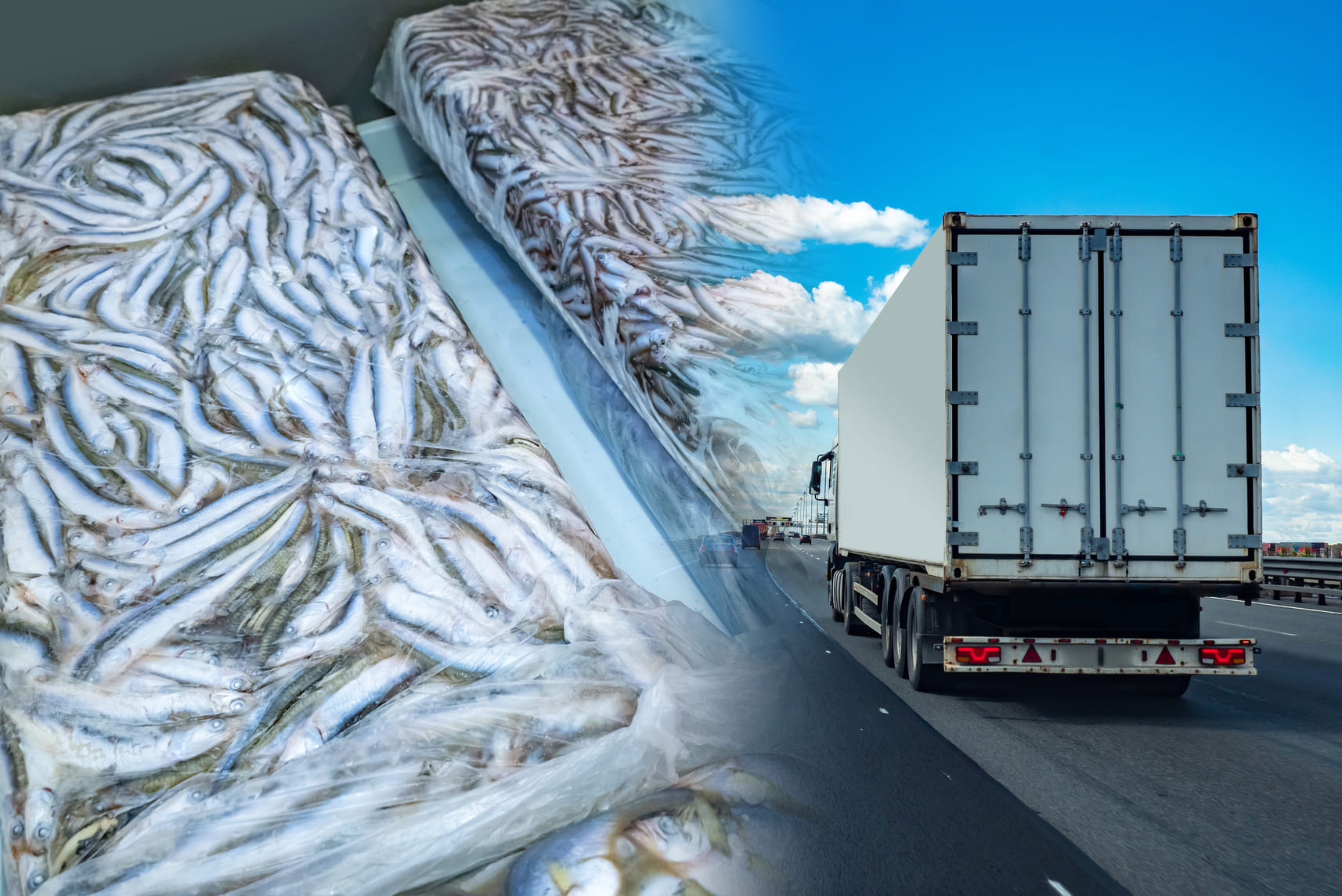
- What it is: Refrigerated transportation (also known as reefer or cold storage transport) uses insulated vehicles and active cooling or heating systems to maintain specific temperature ranges during transit. It is part of the broader cold chain, which also includes temperature‑controlled storage and monitoring systems.
- Who needs it: Industries requiring refrigerated freight shipping include fresh food and beverage, pharmaceuticals, chemicals, cosmetics and certain industrial goods.
- Key equipment: Full trailer reefers, less‑than‑truckload (LTL) refrigerated freight, intermodal refrigerated containers, heated trailers for protect‑from‑freeze and passive solutions like gel packs.
- Temperature tiers: Frozen (≤ 0 °F), refrigerated (36–46 °F) and protect‑from‑freeze (above 32 °F). Each tier has different cost and risk considerations.
- Costs: Refrigerated shipping is 30‑50 % more expensive than ambient transport due to high equipment costs, energy consumption and specialized infrastructure.
- Regulations: The FDA’s Food Safety Modernization Act requires shippers, carriers and receivers to use sanitary practices and maintain proper refrigeration during transit.
- Best practices: Pre‑cool products, specify the exact temperature range, monitor and record temperatures, vet carriers for equipment quality and insurance, and plan for contingencies.
Refrigerated transportation – often called reefer freight or cold transportation – uses temperature‑controlled trucks, trailers, intermodal containers and warehouses to move perishable goods. By keeping cargo within a defined temperature range from pickup to delivery, refrigerated transport services prevent spoilage, maintain quality and ensure safety for products such as food, pharmaceuticals, chemicals and cosmetics. This article explains how refrigerated transport works, why it’s essential for modern supply chains and how to select the right service for your business.
What Is Refrigerated Transportation?
Refrigerated transportation (sometimes abbreviated reefer freight, refrigerated freight or cold transportation) refers to moving temperature‑sensitive cargo in trailers, containers or rail cars equipped with refrigeration or heating units. These systems maintain precise temperatures regardless of outside weather. The term “reefer” is shorthand for refrigerator, and it applies to both vehicles and trailers. Unlike dry van freight where damage is often visible, temperature excursions in refrigerated cargo can leave no external mark, which makes monitoring and equipment integrity critical. Modern reefer units digitally log temperature data, creating an audit trail that helps prove compliance and supports claims resolution.
The Cold‑Chain System
Refrigerated transportation is one link in the cold chain – the end‑to‑end network of temperature‑controlled handling from production through delivery. Successful cold chains depend on three core components:
- Temperature‑Controlled Storage: Warehouses and distribution centers keep products at their required temperature. Facilities use efficient HVAC systems, backup generators and humidity controls.
- Refrigerated Transport: Specialized vehicles (reefers) and containers maintain precise temperatures during transit. Heated trailers prevent freezing, while insulated boxes or gel packs suffice for short hauls.
- Monitoring & Data Systems: Real‑time tracking and analytics provide visibility, allowing proactive adjustments and ensuring compliance. Integrated sensors and telematics alert operators when temperatures drift outside set points.
Why Refrigerated Transportation Matters
Many products degrade when exposed to temperatures outside a narrow range. Food and beverages spoil quickly; dairy can curdle outside 36–46 °F and frozen meat suffers thaw/refreeze damage. Pharmaceuticals and biologics lose potency above 46 °F, while chemicals, coatings and cosmetics can activate enzymes or separate when too hot or cold. Reefer shipping protects these products during transit and helps companies comply with regulatory standards.
In addition to product quality, refrigerated transport minimizes waste and financial losses. The pharmaceutical industry loses roughly $35 billion annually due to cold‑chain failures, and U.S. food retailers discard 16 billion pounds of product per year because of temperature mismanagement. Investing in proper cold transportation reduces spoilage, protects brand reputation and ensures consumer safety.
Types of Refrigerated Transport Services
| Service Type | Description | Best For |
|---|---|---|
| Full Truckload (FTL) Reefers | A dedicated refrigerated trailer keeps freight at the required temperature from pickup to delivery. | Deep-frozen meat, large dairy loads, seafood, and pharmaceutical shipments. |
| LTL Refrigerated Freight | Multiple shipments share space in one refrigerated trailer, often with separate temperature zones. | Smaller loads of produce, beverages, packaged foods, and temperature-sensitive goods. |
| Intermodal Reefer Containers | Temperature-controlled containers move by truck, rail, or ship for long-distance cold transportation. | Import/export freight, long-haul routes, and refrigerated freight shipping across regions. |
| Protect-From-Freeze | Heated trailers, thermal blankets, or insulated covers keep freight above freezing without full refrigeration. | Paints, beverages, cosmetics, chemicals, and products damaged by freezing. |
| Passive Cooling | Insulated boxes, gel packs, or dry ice help maintain temperature for short-distance cold storage transport. | Medical samples, specialty foods, small cold shipments, and short transit times. |
Temperature Ranges & Cold‑Chain Tiers
Refrigerated transportation can be tailored to three primary temperature tiers:
| Cold Chain Tier | Temperature Range | Example Products | Important Notes |
|---|---|---|---|
| Frozen | ≤ 0°F / -18°C | Ice cream, frozen meat, seafood, frozen meals, and specialty biologics. | Requires strong insulation, powerful cooling units, and careful loading to prevent thawing or refreezing. |
| Refrigerated | 36–46°F / 2–8°C | Fresh produce, dairy products, vaccines, beverages, and prepared foods. | Needs stable temperature control and proper airflow. Humidity control may also be important for produce and dairy. |
| Protect-From-Freeze | Above 32°F / 0°C | Paints, cosmetics, beverages, chemicals, and liquid products damaged by freezing. | Uses heated trailers, thermal blankets, or insulated covers. It is often more cost-effective than full reefer shipping. |
Selecting the correct temperature tier ensures cargo integrity while avoiding unnecessary cost. For example, cosmetics can often travel with protect‑from‑freeze protection rather than a full reefer, saving on fuel and equipment expenses.
Regulatory & Safety Considerations
Reefer shippers must comply with stringent regulations. In the United States, the Food Safety Modernization Act (FSMA) Sanitary Transportation Rule requires shippers, carriers, loaders and receivers to use sanitary practices and prevent contamination. Key requirements include:
- Maintaining vehicles and equipment that can be adequately cleaned and hold the necessary temperature.
- Using proper loading practices to prevent cross‑contamination between raw and ready‑to‑eat goods.
- Training carrier personnel on sanitary transportation procedures and keeping records of training.
- Establishing written agreements outlining responsibilities for temperature control and hygiene.
Non‑compliance can result in fines, cargo rejection and liability issues. Businesses shipping internationally must also adhere to guidelines from agencies such as the International Air Transport Association (IATA), U.S. Customs and Border Protection and the Department of Transportation.
Operational Best Practices
Success in refrigerated freight shipping requires meticulous planning and execution:
- Know Your Product: Determine the exact temperature tolerance, weight and dimensions before booking a reefer. Prepare accurate documentation and product descriptions for carriers.
- Pre‑Condition Cargo: Pre‑cool or pre‑heat products to the desired temperature before loading. Reefer units are designed to maintain temperature, not rapidly change it.
- Proper Packaging: Use insulated packaging, pallets and dividers to minimize temperature fluctuations and allow airflow around the cargo. Gel packs or dry ice can supplement mechanical cooling for short LTL shipments.
- Efficient Loading and Unloading: Minimize door‑open time. Each minute the trailer door remains open causes temperature spikes and humidity changes. Use load locks and curtains to partition sections.
- Monitor and Record: Utilize telematics and temperature data loggers to track conditions throughout transit. Modern reefer units store temperature records that can be reviewed if disputes arise.
- Vet Carriers Thoroughly: Check CSA safety scores, age of motor carrier authority, insurance coverage, claims history and real‑time monitoring capabilities. Ask how exceptions are handled and ensure there is a point of contact for emergencies.
- Plan for Seasonal Variations: Rates and equipment availability fluctuate with growing seasons and regional demand. Book reefer capacity early during peak produce seasons or around holidays.
Cost Drivers & Budget Considerations
Refrigerated transportation is typically 30–50 % more expensive than dry van shipping. Major cost drivers include:
- Equipment Investment: Reefer trailers can cost $150,000 or more and require regular maintenance for seals, refrigerant and calibration.
- Energy Consumption: Refrigeration units run 24/7, increasing diesel usage. Even dock idling adds 10 % to fuel consumption.
- Specialized Infrastructure: Temperature‑controlled warehouses and cross‑docking facilities charge premiums due to insulation, backup power and monitoring equipment.
To optimize costs:
- Use protect‑from‑freeze services when appropriate, which rely on heating rather than full refrigeration.
- Combine small shipments via LTL refrigerated freight to share trailer space and costs.
- Leverage real‑time data to adjust routes based on weather, reducing unnecessary refrigeration time.
Choosing the Right Refrigerated Shipping Partner
Choosing the right partner for refrigerated transportation is critical to keeping your perishable goods safe. From experience to technology, here’s what to look for when selecting refrigerated shipping companies or 3PLs.
Experience and Expertise: Work with refrigerated freight shippers who have a strong track record in handling temperature-sensitive freight. They should be familiar with cold chain regulations, industry standards, and common risks, offering proactive solutions and ensuring minimal product loss.
Network and Capacity: A reliable partner should have a wide network of cold storage facilities and refrigerated trucks in key locations. This provides the flexibility to reroute shipments and access temperature-controlled warehousing near your delivery zones. For example, OLIMP Warehousing connects shippers with vetted cold storage across North America.
Technology for Visibility: Choose providers offering real-time tracking of both shipment location and temperature. Dashboards and alert systems help identify issues early and allow for quick response, crucial in avoiding spoilage and meeting customer expectations.
Comprehensive Services: Look for end-to-end cold chain solutions, not just refrigerated truck shipping. A 3PL like OLIMP Warehousing can handle warehousing, cross-docking, and final delivery, all on one platform. Fewer hand-offs mean better accountability and smoother communication.
Reliability and Backup Plans: Ask how the provider handles equipment failure or delays. Trusted refrigerated shipping companies have contingency plans like spare reefer units or backup trailers. Check reviews and performance records for indicators like low spoilage rates and high on-time delivery.
Stay Cool with OLIMP Warehousing
Managing refrigerated transportation doesn’t have to be complicated. OLIMP Warehousing makes it easy to connect with reliable carriers and cold storage providers tailored to your shipping needs. With a vetted network and seamless cold chain coordination, we keep your goods fresh and your customers happy.
→ Request a quote today and get refrigerated freight shipping you can count on.
Frequently Asked Questions (FAQ) – OLIMP Warehousing
Q: What is refrigerated freight shipping?
Refrigerated freight shipping involves transporting perishable or temperature‑sensitive goods in vehicles equipped with refrigeration or heating units that maintain specific temperatures regardless of outside conditions. It ensures product quality and safety by preventing spoilage and contamination.
Q: Which products require refrigerated transport services?
Products that require refrigerated transport include fresh produce, dairy, meat, seafood, frozen foods, vaccines, pharmaceuticals, certain chemicals, coatings, cosmetics and even some adhesives.
Q: How do I know which temperature tier to use?
Identify the product’s temperature tolerance and choose among frozen (≤ 0 °F), refrigerated (36–46 °F) and protect‑from‑freeze (> 32 °F) tiers. Shippers should consult product specifications and regulatory guidelines to select the appropriate tier.
Q: How can shippers reduce costs when using refrigerated transport?
Consolidate loads via LTL reefer services, use protect‑from‑freeze solutions when appropriate, optimize routes based on weather and demand, and schedule shipments during off‑peak seasons. Working with experienced carriers also helps avoid claims and delays, further reducing total costs.
Q: What regulations govern refrigerated transportation?
In the U.S., the FSMA Sanitary Transportation Rule requires shippers, carriers and receivers to prevent contamination, maintain proper temperature control and keep records. International shipments may also need to comply with IATA guidelines and customs agencies.
Q: How can I track temperature during transit?
Most modern reefer units have built‑in data loggers and telematics. Carriers can provide real‑time dashboards that show temperature, location and door status. Shippers can also use standalone data loggers placed inside pallets or boxes for added assurance.
Q: Are there eco‑friendly options for refrigerated freight?
Yes. Emerging technologies include battery‑electric refrigeration units, solar‑powered reefers and alternative fuels. Some carriers also offset emissions through route optimization and use of multi‑temperature trailers to reduce empty miles.
You may be interested in
The Ultimate Guide to Cross-Docking: Definition, Types and Benefits
Cross-docking is a logistics strategy where products from inbound vehicles are immediately transferred to outbound transport with little or no warehousing. In other words, goods “cross the docks” at a specialized facility instead of entering long-term storage. By minimizing handling and storage time, cross-docking accelerates delivery and reduces supply chain costs. For example, a cross […]
Box Truck Sizes and Dimensions by Cargo Capacity
Common box truck sizes include 10, 12, 15, 16, 17, 20, 22, 24 and 26 feet. Smaller trucks suit compact deliveries, while larger bodies provide more room for furniture, business inventory and palletized freight. Some fleets also offer longer options, including U-Haul’s 29-foot moving truck. A box truck has an enclosed cargo body mounted on […]
Dock-to-Dock Delivery: A Comprehensive Guide
Dock-to-dock delivery means shipping goods straight from one loading dock to another with no intermediate stops. In other words, a shipment is picked up at the origin dock and delivered directly to the destination dock, bypassing extra handling or storage. This direct approach cuts out delays and extra labor – making deliveries faster, cheaper, and […]
Ready to streamline your warehousing needs?
Request a quote today and discover how OLIMP's tailored solutions can optimize your operations