What Is Perishable and Nonperishable Food? Differences and Examples
10/31/2025
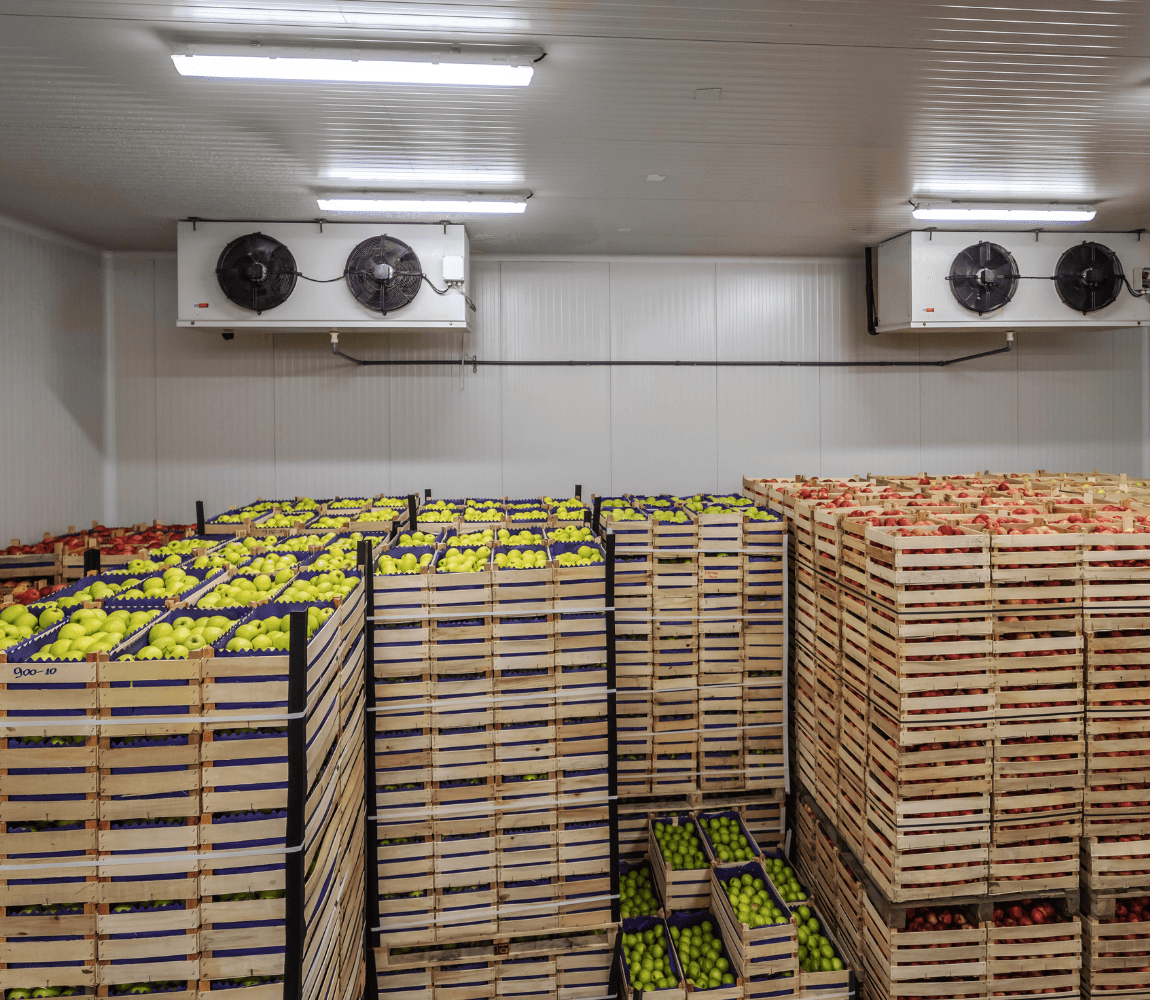
Perishable and nonperishable food differ in how quickly they deteriorate and the conditions they need to stay safe. Perishable foods, such as fresh meat and refrigerated milk, generally need refrigeration or freezing. Nonperishable foods, such as dry pasta and unopened shelf-stable canned beans, can be stored without refrigeration under suitable conditions.
For businesses, this distinction determines which warehouse, packaging, and transportation arrangements a shipment needs.
What Is Perishable Food?
Perishable food deteriorates relatively quickly. Many perishable foods also become unsafe when temperature controls fail, even if they still look or smell normal.
Common examples include:
- Fresh meat, poultry, fish, and seafood.
- Refrigerated milk, yogurt, and soft cheeses.
- Fresh berries, leafy greens, and cut fruit.
- Cooked rice, prepared meals, and leftovers.
The USDA identifies meat, poultry, fish, dairy products, and cooked leftovers as foods that require refrigeration for safety.
Fresh produce needs a more specific approach. Storage conditions vary by commodity and whether the product is whole or cut. For example, the FDA recommends refrigeration for strawberries, lettuce, and pre-cut produce. Avoid assigning every fruit and vegetable the same temperature range.
What Does Nonperishable Food Mean?
Nonperishable food, also called shelf-stable food, can be stored without refrigeration for an extended period when its packaging and storage conditions are appropriate.
Examples include:
- Dry rice, pasta, oats, and dried beans.
- Commercially canned vegetables, beans, and fish labeled for shelf storage.
- Flour, sugar, and dried spices.
- Unopened milk in shelf-stable aseptic packaging.
The USDA’s shelf-stable food guidance includes canned, dried, and aseptically packaged products in this category.
Nonperishable does not mean indestructible or suitable for indefinite storage. Heat, moisture, pests, damaged packaging, and time can affect quality or safety. Always follow the label, including any instructions to refrigerate after opening.
| Logistics Factor | Perishable Goods | Non-Perishable Goods | What This Means for Shipping |
|---|---|---|---|
| Handling Priority | Time-sensitive and condition-sensitive. | Less time-sensitive but still requires protection. | Perishable goods need faster receiving, loading, and delivery windows. |
| Warehouse Type | Refrigerated or frozen storage where required; commodity-specific conditions for whole produce. | Dry food storage within the product’s specified temperature and humidity limits. | Confirm the storage conditions for the exact product and packaging before booking. |
| Risk During Delays | Spoilage, quality loss, rejected loads, or food safety concerns. | Packaging damage, moisture exposure, or inventory delays. | Perishable freight needs stronger backup planning and faster issue resolution. |
| Packaging Needs | Insulated boxes, gel packs, dry ice, liners, or sealed containers. | Corrugated boxes, pallets, shrink wrap, and moisture-resistant materials. | Packaging should match the temperature requirement, distance, and transit time. |
| Inventory Rotation | Use FEFO when product dates determine picking priority. FIFO may suit lots with comparable shelf life. | Use FEFO for dated stock; FIFO may suit lots with comparable shelf life. | Check relevant product dates and the buyer’s minimum remaining shelf life. |
| Transportation Method | Reefer trucks, cold chain shipping, or expedited freight. | Dry van, LTL, FTL, parcel, or consolidated freight. | Perishable goods usually cost more because they require controlled conditions. |
| Best Use Case for OLIMP | Short-term cold storage, cross-docking, rejected load support, and temperature-controlled warehousing. | Dry storage, pallet storage, overflow inventory, and consolidated freight support. | OLIMP can help match freight with the right warehouse type based on product requirements. |
Shelf life alone does not determine storage requirements. In the United States, shell eggs sold refrigerated should remain refrigerated. Hard cheese and dried fruit have different storage needs, so follow each product’s label and specification instead of using “semi-perishable” as a storage instruction.
What Are Examples of Perishable and Nonperishable Food?
The same ingredient can fall into different categories depending on how it is processed and packaged.
| Food category | Perishable example | Nonperishable example |
|---|---|---|
| Dairy | Refrigerated milk | Unopened shelf-stable aseptic milk |
| Fish | Fresh salmon | Unopened shelf-stable canned salmon |
| Grains | Cooked rice | Dry, uncooked rice |
| Vegetables | Fresh-cut vegetables | Unopened shelf-stable canned vegetables |
| Fruit | Fresh berries | Commercially dried fruit labeled for shelf storage |
Classification can change after preparation. Dry rice is shelf-stable, but cooked rice requires temperature control. Likewise, opening a shelf-stable product may introduce a refrigeration requirement. For shipping decisions, identify the exact product and packaging, rather than relying on the ingredient name alone.
How Should Perishable and Nonperishable Food Be Stored?
The best storage solution for perishable and nonperishable food depends on the product’s required conditions. Foods that need chilling belong in refrigerated storage, frozen products need freezer storage, and shelf-stable foods generally need clean, dry storage within the manufacturer’s limits. Whole produce may need a different temperature, humidity, or ventilation setting. For commercial inventory, confirm that the warehouse can maintain those conditions throughout receiving, storage, and dispatch.
Storage for perishable food
Use storage that maintains the product’s specified conditions. Refrigerated and frozen goods require different environments, and some products need additional humidity or ventilation controls.
For household storage, the FDA recommends refrigerators at 40°F (4°C) or below and freezers at 0°F (-18°C). Commercial operations should set their permitted temperature ranges using the product specification and applicable food-safety requirements.
When choosing a cold storage warehouse, confirm:
- The facility can maintain the required temperature range.
- Staff check product condition and temperatures at receiving.
- Monitoring and response procedures cover temperature excursions.
- Loading and unloading arrangements protect the product.
Storage for nonperishable food
Store shelf-stable products in clean, dry conditions within the manufacturer’s recommended limits. Protect packaging from crushing, leaks, pests, and moisture.
For dry warehouse storage, check sanitation, pest management, stacking limits, and protection from excessive heat. Ambient storage still needs environmental oversight, particularly during hot weather or in humid locations.
Inventory rotation for both categories
Record lot numbers, relevant dates, and storage requirements when goods arrive. Use first-expired, first-out (FEFO) when expiration dates determine picking priority. First-in, first-out (FIFO) selects earlier receipts first and may suit products with comparable remaining shelf life.
Before dispatch, confirm that the goods meet the buyer’s minimum remaining shelf-life requirement. A shipment can be within its stated shelf life and still fail a customer’s acceptance criteria.
How Do Shipping Requirements Differ?
Shipping perishable food
Food requiring refrigeration or freezing needs a cold chain: coordinated storage and transport that maintain the required conditions throughout the journey.
For palletized freight, refrigerated transportation may be appropriate. Small parcel shipments may use insulated packaging and suitable cold sources, provided the packaging can maintain the necessary conditions for the expected journey and possible delays.
Before shipping:
- Specify the product requirements. Share the permitted temperature range, handling instructions, and shelf-life limits.
- Confirm equipment and packaging. Check that the trailer or parcel system suits the product and route.
- Coordinate the appointment. Verify receiving hours, unloading arrangements, and available storage.
- Agree on monitoring. Establish how temperatures will be checked and who responds to an excursion.
- Plan for a delay. Identify suitable temporary storage and an escalation contact before departure.
Choose transit time around the product’s remaining shelf life and the transport system’s capabilities. Overnight delivery alone does not establish that a shipment has stayed within its required conditions.
For covered U.S. road and rail operations, the FDA’s sanitary transportation rule addresses equipment, sanitary practices, temperature controls, training, and records. Applicability and responsibilities depend on the operation and any exemptions.
Shipping nonperishable food
Shelf-stable food can often travel by dry van, less-than-truckload (LTL), full truckload (FTL), or parcel service. The right option depends on shipment size, packaging, delivery timing, and environmental limits.
Protect cartons and cans from crushing, prevent pallet overhang, and check that the vehicle is clean and suitable for food. Refrigeration may be unnecessary, but excessive heat, condensation, and incompatible co-loaded goods can still create problems.
When timing and product requirements allow, cross-dock warehouse services can transfer freight between vehicles with minimal storage. Temperature-sensitive food needs a facility and transfer process suited to its handling requirements.
What Should You Check Before Booking Food Storage?
Before accepting a shipment, check packaging condition, lot identification, remaining shelf life, and required product temperatures. Review available temperature records for chilled or frozen freight. Separate damaged or out-of-specification stock for assessment under your food-safety procedures. Brand reputation, appearance, and smell alone cannot establish that food is safe.
Give the warehouse enough information to assess the shipment before the truck arrives:
- Product: food type, packaging, and whether it is chilled, frozen, or shelf-stable.
- Conditions: required temperatures and any humidity, allergen, or segregation needs.
- Quantity: pallet count, dimensions, weight, and stacking restrictions.
- Timing: arrival appointment, storage duration, and planned release date.
- Acceptance: lot details, shelf-life requirements, and the receiver’s instructions.
Check the facility’s actual capabilities, even when it advertises food-grade warehousing. A dry food warehouse and a freezer warehouse serve different needs.
OLIMP helps businesses find warehouse options for their freight requirements. Whether you need temporary storage or a transfer point before delivery, request a warehousing quote with your product details, location, pallet count, required temperature range, and dates.
Frequently Asked Questions (FAQ) – OLIMP Warehousing
Q: What is the difference between perishable and nonperishable food?
Perishable food deteriorates relatively quickly and often requires refrigeration or freezing. Nonperishable food can remain usable without refrigeration for an extended period when stored according to its instructions.
Q: What is a perishable item?
A perishable item loses quality or becomes unusable relatively quickly under unsuitable conditions. Examples include fresh meat, refrigerated dairy, fresh produce, and cut flowers. Handling requirements depend on the product.
Q: What does “nonperishable goods” mean?
Nonperishable goods are products that do not spoil quickly under appropriate storage conditions. The term includes shelf-stable foods and durable nonfood products, such as paper goods. They still need protection from damage.
Q: Is frozen food nonperishable?
Frozen food is not shelf-stable. Freezing preserves it only while appropriate frozen conditions are maintained. Frozen meat, seafood, and prepared meals therefore require a frozen storage and transport plan.
Q: Are all canned foods nonperishable?
No. Some canned products require refrigeration. Treat a can as shelf-stable only when its storage instructions permit it, its packaging is intact, and it remains unopened. Follow separate instructions after opening.
Q: Can nonperishable food become perishable?
Yes. Cooking dry rice or pasta makes it perishable. Opening certain canned foods or shelf-stable beverages can also create a refrigeration requirement. Follow the product’s instructions after preparation or opening.
Q: Can perishable food be shipped without a refrigerated truck?
Some small shipments can use insulated packaging and appropriate cold sources. Foods that require refrigeration must still remain within their specified temperature range throughout transit. Packaging must suit the product, journey length, and likely delays.
Q: What are the best storage containers for fresh produce?
The best container depends on the produce and its handling needs. For commercial shipments, choose crates, cartons, or clamshells suitable for contact with food. They should protect against crushing and allow the airflow the product requires. Vented packaging can help cooling air reach the produce. Avoid sealing every type of whole produce in airtight containers. Keep cut produce covered and refrigerated, and follow the packaging supplier’s and product supplier’s instructions.
Q: How can you keep perishable food fresh for longer?
Maintain the product’s recommended storage conditions from receiving through delivery, protect it from damage, and reduce time outside controlled storage. Keep raw meat separate from ready-to-eat foods. For produce, check humidity, ventilation, and compatibility with ethylene-producing fruits. Rotate dated inventory by FEFO. For household storage, keep the refrigerator at 40°F (4°C) or below and the freezer at 0°F (-18°C). Commercial settings should follow product specifications and applicable requirements.
Q: How long does nonperishable food last?
Nonperishable food has no single shelf life. Storage conditions, packaging, and the product itself determine how long it keeps. USDA lists general storage periods of 12–18 months for unopened high-acid canned foods, such as tomatoes and fruit, and 2–5 years for many unopened low-acid canned foods, such as beans, meat, and vegetables. These are general guidelines, not a guarantee for a particular product. Follow its label and reject leaking, bulging, or badly damaged cans.
Q: Can perishable and nonperishable food be stored in the same warehouse?
Yes, if the facility has suitable storage areas and handling procedures for each product. Chilled, frozen, and dry inventory may need separate zones. Confirm temperature and humidity compatibility, protect packaging from condensation and damage, and control contamination and allergen cross-contact. Sharing a building does not mean every food can share the same room or temperature setting.
You may be interested in

Intermodal Shipping: The Smart, Efficient Way to Move Freight
Intermodal shipping refers to moving freight by two or more transportation modes (truck, rail, ship, etc.) using standardized containers. Cargo stays sealed inside its container during transfers, reducing handling and speeding up delivery. This containerized approach cuts costs and transit time for long-distance shipments, making intermodal freight shipping a cost-efficient, secure method to move goods. […]

What Is Transloading? Definition, Services & Facilities Guide
Transloading moves cargo between trucks, trains and ships to cut costs and speed delivery. It means unloading freight from one mode (like a ship’s container) and reloading it onto another (such as a freight train or trailer). This process lets importers and shippers mix modes – using rail or ocean for long hauls and trucks […]

Hidden Logistics Costs in E-Commerce: Surprises and Tips
Online retailers often focus on base shipping rates and warehouse fees, but e-commerce logistics costs include many hidden charges. For example, fuel surcharges and peak-season fees vary with oil prices and demand. Port and handling fees (Terminal Handling Charges) can add $50–$200+ per container. Other fees like detention, last-mile tolls, and currency conversion may quietly […]
Ready to streamline your warehousing needs?
Request a quote today and discover how OLIMP's tailored solutions can optimize your operations