How to Find a Shipper for Intermodal & Drayage: The Ultimate Guide
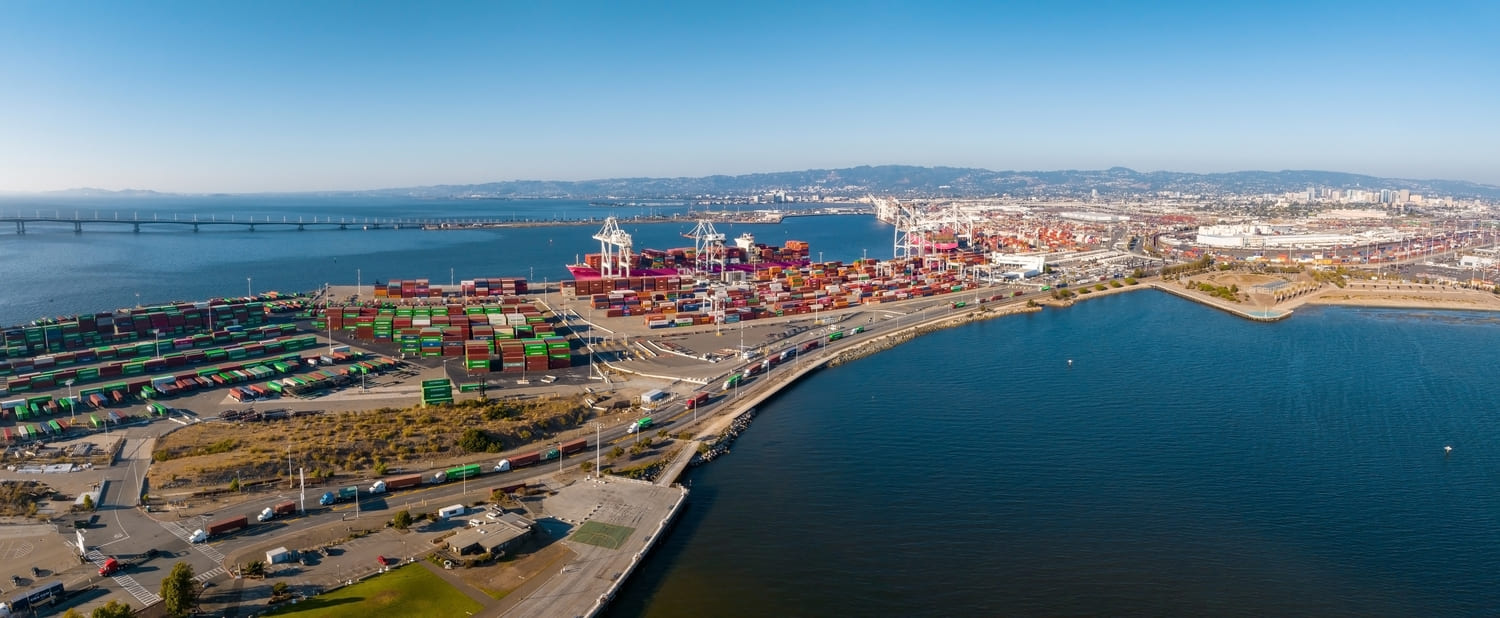
- Intermodal transportation uses two or more modes-typically rail, truck and ship-within a single journey. Freight stays in one sealed container, offering cost, security and environmental benefits.
- Drayage is the short‑distance truck movement of containers between ports, rail yards and distribution centers, handling the first or last mile of the trip. Drayage moves usually occur within 15–50 miles and are quoted per move, not per mile.
- Pricing for an intermodal shipment has three components: origin drayage, rail linehaul and destination drayage. Drayage carriers often provide flat rates plus a fuel surcharge and update their rate matrix annually.
- Finding the right carrier requires assessing your freight needs, choosing a local provider with experience and compliance, evaluating equipment and technology, checking reputation and safety scores, and understanding costs.
- Ask smart questions in RFPs: Do they offer nationwide coverage, real‑time tracking, transparent pricing, warehousing/transloading, and long‑term stability.
Intermodal drayage shipping links the global reach of ocean and rail networks with the flexibility of trucks. Selecting the right carrier for this first‑ and last‑mile leg can make or break your supply chain. This guide explains the concepts, pricing, and practical steps to find dependable intermodal and drayage partners in the United States.
What Is Intermodal Shipping?
Intermodal shipping moves freight using two or more transport modes under one booking, often rail and truck, with ocean transport for international moves. The cargo stays in the same sealed container throughout the journey, so handling at transfer points is minimal. This model brings several advantages:
- Lower costs: Rail and sea transport are typically cheaper for long distances than over‑the‑road trucking.
- Security: Sealed containers reduce the risk of theft or damage.
- Environmental benefits: Trains and ships use less fuel per ton‑mile, resulting in lower emissions.
- Operational efficiency: Quick transfers between modes streamline transit and help avoid congestion.
Because intermodal uses rail for long hauls and trucks only for local legs, it’s a sustainable and predictable option for domestic and international freight.
What Is Drayage?
Drayage is the short‑distance transportation of freight containers by truck. It connects major transport nodes-such as ports, rail ramps and warehouses-over distances typically under 50 miles. Drayage carriers handle the first mile (moving goods from a factory or origin to a port or rail yard) and the last mile (delivering containers from a terminal to distribution centers or final customers).
In practice, drayage may involve:
Port‑to‑rail: Hauling an ocean container from a marine terminal to the nearest rail yard.
Rail‑to‑warehouse: Trucking cargo from an intermodal rail hub to a local distribution center.
Port‑to‑warehouse: Transporting a container directly from the port to a nearby storage facility or factory.
Drayage is essential because it “glues” different modes together. Without local trucking to move containers between terminals and final destinations, freight would pile up at ports and rail yards. Reliable drayage operations also prevent congestion, reduce fuel use and keep supply chains on schedule.
Types of Drayage
Different drayage moves serve distinct purposes. Common categories include:
- Port drayage: Moving containers between marine terminals and nearby facilities.
- Rail drayage: Connecting rail yards with customer locations.
- Expedited drayage: Time‑sensitive moves that command premium rates.
- Shuttle runs and cross‑town transfers: Short, repeated routes between terminals or yards.
Each type has its own pricing dynamics and equipment needs. Understanding which drayage service fits your freight helps you select the right provider.
The Role of First and Last Mile Drayage
Drayage covers both the beginning and end of intermodal shipping:
- First mile: Goods move from their origin, such as a factory or supplier, to the port or rail yard. Drayage carriers handle these initial pickups and prepare cargo for long‑haul transport.
- Last mile: After a container completes its rail or sea journey, drayage carriers deliver it to a distribution center or final customer.
Efficient first‑ and last‑mile drayage prevents bottlenecks at terminals, reduces storage fees and keeps schedules on track. When evaluating carriers, consider whether they can manage both legs seamlessly and have local expertise near major ports.
Intermodal Drayage vs. Intermodal Transportation
The terms intermodal and drayage are often used interchangeably, but they refer to different parts of the logistics chain. Intermodal shipping is the entire multi‑mode journey, while drayage is the truck segment that links modes together.
Key differences:
| Aspect | Intermodal Transportation | Drayage |
| Scope | Combines rail, ship and truck in one journey with a sealed container | Short‑distance truck leg within the overall journey |
| Distance | Long haul (hundreds or thousands of miles) | Local moves, usually 15–50 miles |
| Benefits | Lower costs, lower emissions, fewer handoffs | Avoids congestion, ensures quick handoffs, supports first/last mile |
| Pricing unit | Rate often includes rail linehaul plus drayage components | Typically quoted per move rather than per mile |
Recognizing this distinction helps you budget correctly and understand where each carrier’s responsibility begins and ends.
Understanding Freight Pricing for Intermodal & Drayage
Intermodal rates consist of three parts: an origin drayage rate, a rail linehaul, and a destination drayage rate. Here’s what you should know about costs:
How Drayage Rates Are Structured
Drayage carriers usually provide flat rates with a fuel surcharge. They offer a point‑to‑point rate matrix covering distances from each rail ramp to nearby towns, and they tend to update rates only once per year. Typical distances are 50–100 miles, though some hauls extend up to 300 miles.
According to the Rocky Transport guide, drayage rates range from $250-400 for short moves under 25 miles and $500-800 for longer runs. Rates are determined per move rather than per mile, reflecting the specialized nature of container handling and terminal fees.
Factors Affecting Pricing
Several variables influence drayage and intermodal costs:
- Distance and complexity: Longer distances and multiple handoffs increase rates.
- Urgency: Expedited or time‑sensitive loads command premiums.
- Equipment needs: Specialized containers or chassis may require higher rates.
- Wait times and detention: Fees accrue when drivers wait at congested ports or rail yards.
- Fuel prices: Rates often include a fuel surcharge to account for diesel fluctuations.
Understanding these elements will help you evaluate quotes and negotiate fair pricing.
How to Find Intermodal Carriers in the United States
Finding a reliable carrier requires more than calling the first company you see online. Use this step‑by‑step framework to identify the right drayage and intermodal partners.
1. Define Your Needs
Before reaching out to carriers, outline your requirements:
- Container types & volume: Identify the container sizes you typically ship and the number of shipments per week.
- Service frequency & speed: Decide how often you need drayage services and whether expedited deliveries are necessary.
- Drayage type: Determine if you need port‑to‑rail, rail‑to‑warehouse, shuttle runs, or door‑to‑door services.
Clarifying your needs ensures you approach the right providers and allows carriers to prepare accurate quotes.
2. Look for Local Expertise
Choose carriers located near the ports or rail hubs where your shipments originate or terminate. Local drayage companies understand terminal operations and traffic patterns, which reduces delays and costs. A provider with a strong regional network can also scale capacity during seasonal surges.
3. Evaluate Safety, Compliance & Reputation
Safety and regulatory compliance are non‑negotiable. Confirm that carriers employ drivers with valid credentials, including Transportation Worker Identification Credentials (TWIC), and that they adhere to federal, state and local regulations. Review a carrier’s safety scores and history of violations. Seek feedback from current clients or check online reviews for consistent on‑time performance.
4. Assess Experience & Fleet Quality
Established carriers often have strong relationships with port authorities and deeper knowledge of complex logistics regulations. Inspect their fleet: look for modern, well‑maintained tractors and chassis with the flexibility to handle various container sizes. Asset‑based providers that own their equipment typically offer greater reliability and fewer delays.
5. Check Technology & Visibility
Real‑time tracking and electronic data interchange (EDI) integration have become essential. Carriers should provide GPS tracking, automated status updates, and digital proof of delivery. Providers with advanced tech platforms allow you to monitor shipments and respond proactively to disruptions.
6. Review Network Coverage & Service Portfolio
A carrier’s geographic reach and service offering should match your business needs. Look for companies with nationwide coverage and scalable capacity so you can handle fluctuating volumes. Integrated services-such as warehousing, transloading and final‑mile delivery-streamline operations and reduce handoffs.
7. Understand Pricing & Value
Obtain quotes from multiple carriers and ensure all potential fees-chassis usage, detention, fuel surcharges-are clearly outlined. The cheapest option isn’t always best; weigh reliability, safety, technology and customer support against cost. Ask carriers to explain how they mitigate detention and demurrage charges and whether they offer flat‑rate or per‑mile pricing.
8. Ask Smart Questions During RFPs
During your request for proposals (RFP) process, include targeted questions to uncover a carrier’s capabilities. Here are five critical questions from industry experts:
- Does the provider offer nationwide coverage and flexible capacity? Ensure they can scale with your freight demands.
- What technology and tracking capabilities do they provide? Look for GPS tracking, EDI/API integrations and automated status updates.
- How do they handle costs, chassis access and detention risk? Transparent pricing structures and proactive container management help avoid hidden fees.
- Can they support warehousing, transloading and end‑to‑end logistics? Integrated services reduce handoffs and keep freight moving.
- Are they stable, scalable and built for long‑term partnerships? Evaluate financial stability and commitment to ongoing service quality.
Asking these questions weeds out providers that lack the infrastructure, technology or reliability you need.
Tips for Selecting the Right Drayage & Intermodal Partner
- Prioritize safety and compliance: Choose carriers with strong safety records, TWIC‑certified drivers and adherence to environmental and regulatory standards.
- Seek experience and reputation: Established providers offer better on‑time performance and problem‑solving capability.
- Inspect fleet and equipment: Modern, well‑maintained tractors and chassis minimize delays.
- Demand technology integration: Real‑time tracking and efficient communication ensure visibility and quick response to issues.
- Consider network reach and customer service: Carriers with broad geographic coverage and dedicated account managers handle disruptions more effectively.
- Compare costs, but focus on value: Transparent pricing and high service quality deliver long‑term cost savings.
By systematically evaluating providers against these criteria, you’ll build a shortlist of carriers that can meet your freight needs reliably.
Finding Loads and Building Relationships
If you’re a carrier seeking intermodal drayage loads, the key to profitability is building relationships and leveraging market access:
- Target major ports and rail hubs: Los Angeles/Long Beach, New York/New Jersey, Savannah and Chicago handle most of the U.S. container volume, while secondary markets like Norfolk, Charleston and Houston offer opportunities with less competition.
- Develop direct shipper relationships: Large importers and retailers prefer reliable drayage providers. Identify distribution centers that receive regular container deliveries and reach out directly.
- Work with specialized brokers: Drayage brokers maintain relationships with multiple carriers and help new operators find work.
- Deliver consistent service: Show up on time, communicate proactively and handle documentation properly to build a reputation that leads to premium freight.
While this section focuses on carriers, shippers can also use these insights to identify drayage companies embedded in key markets and to understand how carriers price and secure loads.
Conclusion
Finding a shipper for intermodal and drayage is about aligning your freight needs with carriers that offer reliable service, modern equipment and transparent pricing. Drayage forms the critical first and last mile of intermodal shipping, bridging ships, rail and trucks to keep cargo flowing. By understanding how rates are structured, defining your requirements, and evaluating providers on safety, technology, network reach and value, you can build partnerships that reduce costs and keep your supply chain resilient. Consider these factors carefully, and you’ll be well on your way to a smoother, more efficient freight operation.
Frequently Asked Questions (FAQ) – OLIMP Warehousing
Q: What are the main benefits of intermodal drayage over single-mode trucking?
Intermodal drayage reduces costs, lowers emissions, and improves efficiency by combining rail or ocean transport with trucking for first and last mile delivery. It also minimizes cargo handling and increases shipment security.
Q: How to choose a reliable drayage carrier?
Look for carriers with strong local experience, good safety records, modern equipment, real-time tracking technology, and transparent pricing. Checking reviews and on-time performance is also essential.
Q: What are common challenges in drayage operations?
Common challenges include port congestion, driver shortages, chassis availability, detention fees, and scheduling delays. Poor coordination between terminals can also impact delivery timelines.
Q: What affects drayage costs and pricing?
Drayage pricing depends on distance, wait times, fuel costs, container type, urgency, and accessorial fees like detention or chassis usage. Rates are typically charged per move rather than per mile.
Q: What is the difference between port drayage and rail drayage?
Port drayage moves containers between seaports and nearby facilities, while rail drayage connects rail terminals to warehouses or distribution centers. Both are short-distance but operate in different logistics environments.
You may be interested in

Finding Reliable Freight Carriers and 3PL Partners: A Down-to-Earth Guide
Struggling to get your products to market on time and on budget? You’re not alone. Small businesses, freight brokers, logistics managers, and e-commerce companies across the U.S. often feel the pain of finding a reliable freight carrier or third-party logistics (3PL) partner. In an industry where trucks move over 70% of U.S. freight , even […]

End-to‑End Asset Visibility in Logistics: Why It Breaks – and How Teams Actually Fix It
End‑to‑end asset visibility has become a must‑have capability for logistics teams. In a perfect world, every shipment, trailer, container and pallet would be trackable from origin to destination with zero gaps in custody or status. Yet most organizations are still surprised by late trailers, missing inventory and unclear dwell times. Only 6 % of logistics […]

How E‑commerce Is Reshaping U.S. Logistics Real Estate in 2026
The e‑commerce boom continues to transform how goods move through the U.S. supply chain. As online penetration climbs toward 20 % of global retail sales by 2026, digital retailers and their logistics partners are racing to secure warehouse space. Research by Prologis shows that e‑commerce companies will account for nearly a quarter of all new […]
Ready to streamline your warehousing needs?
Request a quote today and discover how OLIMP's tailored solutions can optimize your operations
