Cold Chain Logistics: Safeguarding Food, Pharma & Electronics

Cold chain logistics refers to the specialized supply chain and warehousing of temperature-sensitive products, from fresh produce and pharmaceuticals to electronics, using refrigeration to prevent spoilage and preserve quality. Temperature-controlled warehousing protects goods from degradation and ensures compliance with strict safety regulations. This sector is booming: the global cold chain market is projected to surge from about $324.85 billion in 2024 to $862.33 billion by 2032, a ~13% CAGR. As consumer demand for fresh food, biologics and electronics grows, effective cold chain solutions are now a key pillar of global B2B supply chains.
Modern cold storage warehouses use forklifts, racks and refrigeration to handle perishable goods. Businesses rely on cold chain warehousing and logistics to move food, vaccines and high‑value items safely from origin to destination. By understanding the components of a cold supply chain (storage, transport and monitoring), companies ensure products stay within required temperatures until delivery.
What Is Cold Chain Logistics?
Cold chain logistics is the end-to-end process of handling, storing and transporting perishable or temperature-sensitive goods under controlled conditions. Unlike regular shipping, it includes refrigeration or heating systems at every step to keep items at the right temperature. For example:
- Frozen storage: Goods kept below 0°F (–18°C) to remain solid, such as frozen foods and some vaccines.
- Refrigerated/Chilled storage: Items stored just above freezing (typically 1–8°C) – e.g. dairy, fresh produce, many pharmaceuticals.
- Ambient (controlled atmosphere): Some “room temperature” products (10–18°C) like certain cheeses or electronics still use controlled airflow and humidity to maintain quality.
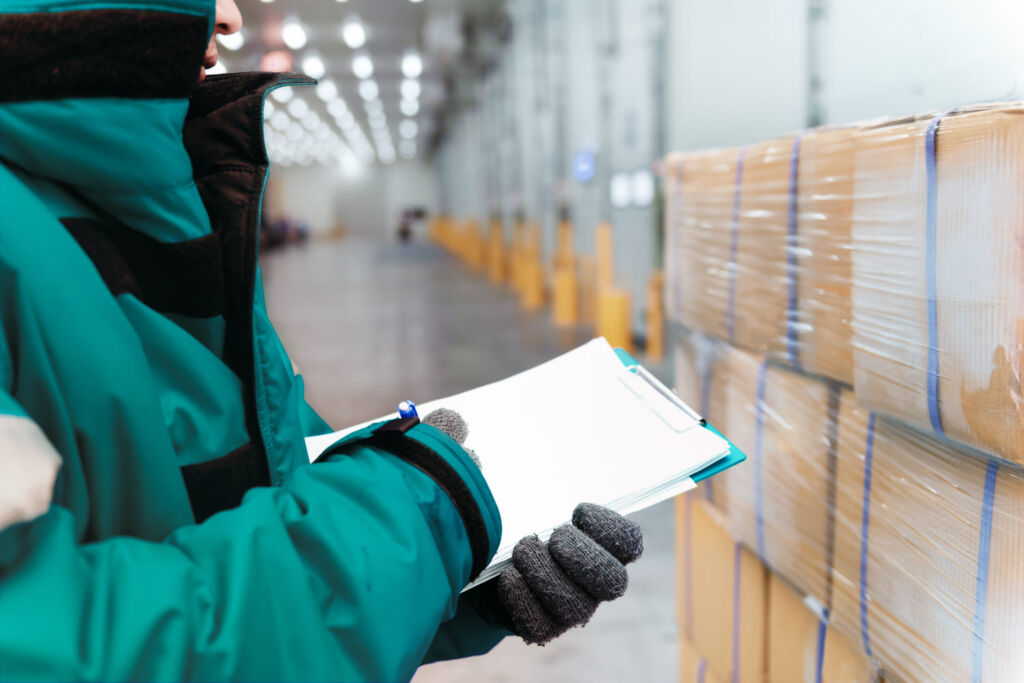
Maintaining precise temperatures from production through transport to retail or clinics is critical. Even brief temperature excursions can spoil food or ruin medicines. Advanced cold chain systems use insulation, refrigerated trailers, air‑conditioned warehouses and strict monitoring to keep conditions stable.
Why Cold Chain Matters for Food, Pharmaceuticals and Electronics
- Food Industry: Fresh and frozen foods are especially perishable. A reliable cold chain reduces spoilage and extends shelf life by keeping products at safe temperatures. For example, dairy and meat must stay below ~40°F to prevent bacterial growth, while fruits and vegetables often need 32–36°F. By preserving freshness, cold storage improves food safety and minimizes waste.
- Pharmaceuticals: Many medications and vaccines must remain within strict temperature ranges. Most vaccines and biologics require 2–8°C; others (like some mRNA COVID‑19 vaccines) need ultra‑cold storage (around –75°C). If temperatures rise or fall outside these bands, drug potency and patient safety are compromised. Consequently, pharma companies and regulators (FDA, EMA, etc.) mandate rigorous cold chain controls to maintain efficacy and compliance.
- Electronics & High‑Value Goods: Even products like computers or precision components can be sensitive to heat or humidity. Extreme temperatures can damage electronic circuits or cause malfunctions. A temperature-controlled warehouse prevents condensation and overheating, ensuring expensive goods arrive in working order. In all sectors, a broken cold chain means lost revenue and reputational risk.
Perishable items and medical supplies rely on tight temperature control. For instance, stacked crates of produce or vaccines must be kept cold at every transfer. Cold chain logistics safeguards quality by preventing bacteria growth in food and by preserving drug potency. In turn, consumers and patients receive fresher, safer products.
Technology & Innovation Driving Cold Chain Efficiency
Modern technology is transforming cold chain management. Key innovations include:
- Real-Time Monitoring (IoT Sensors): Internet-connected temperature and humidity sensors track conditions 24/7. These devices feed data to cloud platforms, alerting managers instantly if any threshold is breached. Real-time visibility turns the cold chain from reactive to proactive: operators can fix a cooling unit or reroute a truck before spoilage occurs. Satellite and GPS tracking also allow end-to-end shipment visibility, ensuring each link of the cold chain is logged.
- AI & Data Analytics: Artificial intelligence analyzes historical and live data to forecast issues and optimize operations. Machine learning models predict when a refrigeration failure or temperature spike might occur, so preventative maintenance can be scheduled. AI also helps optimize routing and load planning for refrigerated transport, minimizing transit time and fuel use. For example, algorithms can route trucks on the fastest path while avoiding regions with high heat risk, significantly reducing waste and costs.
- Automation & Robotics: In cold warehouses, automation boosts productivity and safety. Automated Storage/Retrieval Systems (AS/RS) and robotic forklifts handle pallet moves with precision, reducing labor bottlenecks. Specialized robots operate in deep freezers (–20°C or lower), taking over dangerous or tedious tasks. Autonomous mobile robots (AMRs) and automated guided vehicles (AGVs) transport goods inside the facility, smoothing workflow during peak seasons. Overall, automation minimizes human error, improves order accuracy, and significantly cuts freezer exposure for workers.
- Sustainability Trends: With cold storage being energy-intensive, eco-friendly innovations are rising. Companies adopt natural refrigerants (like ammonia or CO₂) with lower global warming potential, replacing HFC refrigerants. Improved insulation and phase‑change materials help maintain cool temperatures longer without power. Some warehouses integrate solar panels and LED lighting to slash electricity use. Even packaging is going green: biodegradable insulation and recyclable containers reduce waste. These measures cut greenhouse gas emissions and energy costs. (For example, industry efforts are underway to standardize storing frozen goods at –15°C instead of –18°C, trimming the carbon footprint of refrigeration.)
Overall, technology and data give decision-makers unprecedented control over the cold supply chain. By investing in IoT, AI, automation and green tech, businesses turn temperature management into a fine-tuned science, boosting efficiency while protecting the environment.
Challenges in Cold Chain Logistics
Despite these advances, cold chains face significant hurdles:
- High Costs & Energy Use: Building and operating refrigerated facilities demands huge investment. Specialized equipment (refrigeration units, insulated trucks, cold rooms) and the energy to run them drive up operational costs. Cold chain systems typically consume far more power than ambient warehouses, leading to high utility bills and carbon emissions.
- Aging Infrastructure: Many cold warehouses and fleets date back decades and need upgrades. Outdated freezers or transport units can be less efficient or prone to breakdowns. Upgrading infrastructure for reliability and regulatory compliance is capital-intensive.
- Regulatory Compliance: Stringent rules govern food and drug handling. Companies must document temperature logs, adhere to Good Manufacturing Practices (GMP) and HACCP, and follow laws like the Food Safety Modernization Act (FSMA). Non-compliance risks costly recalls or fines. Maintaining rigorous records and certifications demands specialized systems and training.
- Supply Chain Disruptions: Cold chains are vulnerable to delays. Weather events, equipment failures or power outages can break the cold link and spoil entire shipments. For example, a truck breakdown in extreme heat can ruin vaccine batches. Building redundancies (backup generators, alternate routes) is essential but complex and costly.
- Labor Shortages and Safety: Few workers are willing to operate in severe cold, especially during long shifts. Finding skilled staff for cold storage is hard. Moreover, human productivity drops sharply in freezing environments (fatigue, frostbite risk), raising safety and retention issues.
In summary, cold chain managers must balance operational complexity and cost against the critical need to prevent product loss. Overcoming these challenges requires smart planning, investment in technology and adherence to best practices.
Choosing a Reliable Cold Chain Warehousing Partner
For businesses (food producers, pharma companies, electronics retailers), selecting the right 3PL or cold storage provider is crucial. Key factors include:
- Location & Accessibility: Facilities near major ports, highways or production hubs offer a logistical edge. Proximity to transport networks shortens transit times, cuts fuel costs and reduces the risk of temperature excursions during delivery. For example, a warehouse close to an airport or rail terminal lets perishable goods reach retailers faster and fresher.
- Temperature Monitoring & Visibility: Top providers use real-time monitoring systems and advanced Warehouse Management Systems (WMS). Such systems track inventory and conditions continuously—alerting staff to any deviation. For instance, a connected sensor array can send an immediate alarm if a cold room warms above its setpoint. Integration with customer ERP systems also ensures full visibility into the supply chain, which is vital for traceability.
- Value-Added Services: Look for warehouses offering services beyond storage, like re-palletizing, kitting, case picking, and cross-docking. These extras streamline operations and reduce handling. For example, cross-docking (immediately transferring inbound goods to outbound shipping) minimizes storage time and handling risk in cold environments. Similarly, on‑site repackaging or labeling services help adapt products for different retailers without leaving the controlled temperature environment. A provider that can act as a full-service partner simplifies coordination and often saves cost.
- Regulatory Compliance & Certifications: Ensure the warehouse meets all industry standards. A reputable cold storage provider will be HACCP‑certified and follow GMP guidelines. Check if staff are trained in food safety or pharmaceutical handling protocols, and whether the facility has clean rooms or segregated zones for allergens or hazardous items. Compliance not only protects products but also shields your business from liability.
- Sustainability & Efficiency: Since energy use is a major expense, assess a partner’s commitment to green practices. Modern cold warehouses often use high-efficiency refrigeration, superior insulation and alternative energy sources (e.g. solar) to cut power consumption. A provider that invests in energy-efficient technology can lower your carbon footprint and operating costs. Ask about their refrigerant type (natural refrigerants like ammonia/CO₂ are eco-friendlier) and energy-saving measures like LED lighting or waste-heat recovery.
By carefully evaluating these factors, businesses can choose a cold chain partner that delivers reliability, visibility and value. The right facility becomes an extension of your supply chain, safeguarding your products every step of the way.
Conclusion
As global demand for fresh food, lifesaving medicines and high-value goods rises, cold chain logistics will only become more crucial. Investing in advanced, integrated cold chain solutions — from robust warehousing to IoT-enabled transportation — lets businesses protect product integrity and cut waste. In the years ahead, clean-tech innovations and data-driven operations will further optimize the cold supply chain. Companies that partner with technology-savvy, sustainability-minded cold storage experts will gain a competitive edge, ensuring their temperature-sensitive shipments arrive safe, effective and ready for consumers.
Ready to strengthen your cold chain? Connect with OLIMP to explore innovative warehousing and monitoring solutions that fit your needs.
Frequently Asked Questions (FAQ) – OLIMP Warehousing
Q: What cold chain technology trends should we watch in 2025?
Key trends include widespread use of IoT sensors and cloud analytics for real-time monitoring of temperature conditions. AI and predictive analytics are being adopted to forecast demand and optimize delivery routes, cutting waste. Automation (robotics, AGVs, AS/RS) in cold warehouses is growing to address labor shortages. Sustainability is also a focus: expect more eco-friendly refrigerants (CO₂, ammonia), solar-powered systems, and smarter insulation to improve energy efficiency.
Q: What are the key components of a cold chain infrastructure
A cold chain infrastructure includes temperature-controlled warehouses, refrigerated transportation, real-time monitoring systems, backup power supplies, and trained personnel. Together, these components ensure products remain within required temperature ranges from origin to final delivery.
Q: What are the top regulatory standards for pharmaceutical cold chains?
Pharmaceutical cold chains must comply with standards such as GDP (Good Distribution Practice), GMP (Good Manufacturing Practice), FDA regulations, and WHO guidelines. These standards focus on temperature control, documentation, traceability, and quality assurance throughout storage and transportation.
Q: What are cold chain temperature ranges by product type?
Cold chain temperature ranges vary by product:
•Frozen foods & some vaccines: below −18 °C (0 °F)
•Chilled food & most pharmaceuticals: 2–8 °C (36–46 °F)
•Fresh produce & dairy: 0–4 °C (32–39 °F)
•Electronics & sensitive components: typically 10–25 °C with humidity control
Maintaining the correct range is critical to prevent spoilage or product damage.
Q: How do you audit a cold chain for compliance and quality control?
A cold chain audit involves reviewing temperature logs, validating monitoring systems, inspecting storage and transport equipment, assessing SOPs, and verifying staff training. Audits also check compliance with food safety or pharmaceutical regulations and evaluate contingency plans for temperature excursions.
You may be interested in
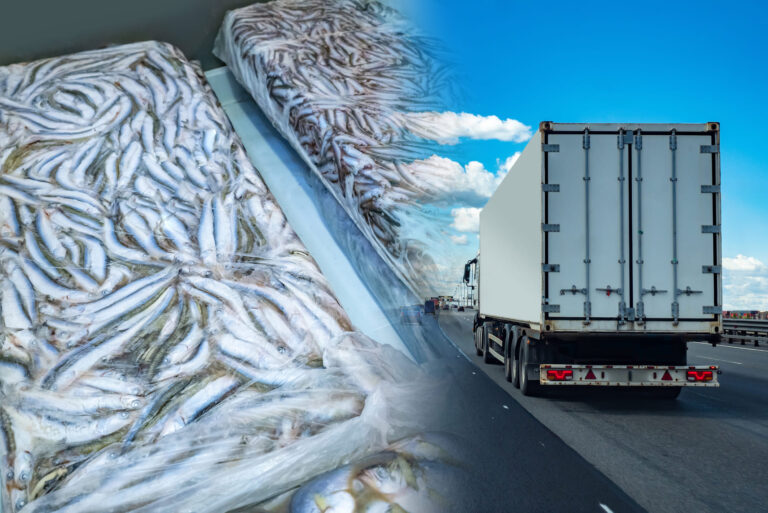
Refrigerated Transportation: Keeping Your Goods Fresh and Safe
In today’s fast-paced supply chain, the demand for refrigerated transportation is higher than ever. Businesses need to move fresh produce, dairy, frozen foods, and pharmaceuticals across long distances while preserving their quality. Refrigerated freight shipping (also known as reefer shipping) provides the solution by using temperature-controlled trucks and containers to keep perishable goods transportation safe […]
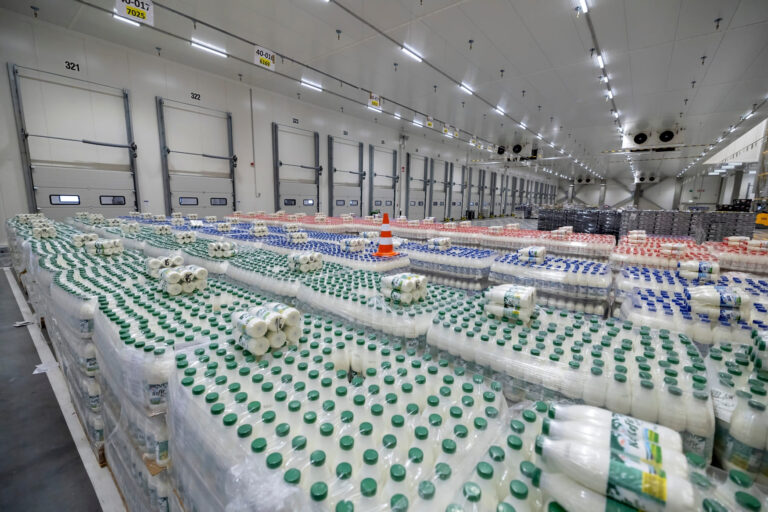
Temperature Controlled Warehousing: The Ultimate Guide to Protecting Your Products
A temperature controlled warehouse is a specialized facility designed to keep products in precise temperature zones (ambient, chilled, or frozen) to preserve quality and meet regulations. These warehouses use thick insulation, advanced HVAC or refrigeration systems, and continuous monitoring to prevent spoilage, melting or degradation. For example, a USDA study notes that maintaining cold-chain conditions […]
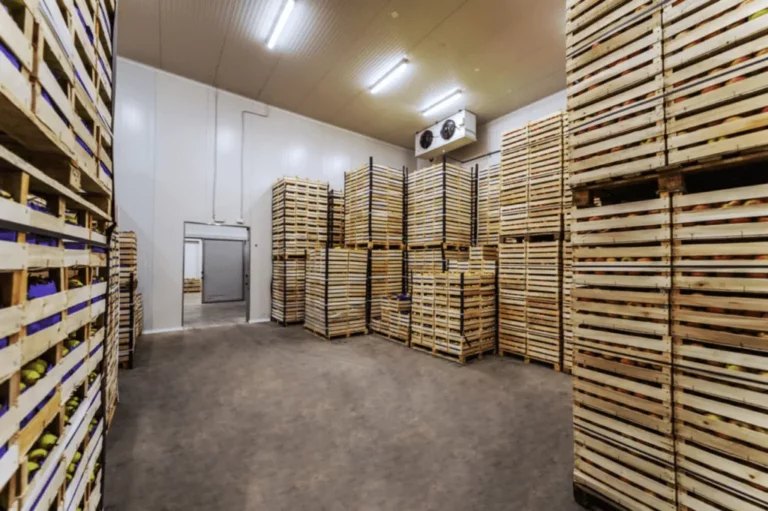
What Is Cold Storage Warehousing? A Guide to Refrigerated & Freezer Warehouses
A cold storage warehouse (also called a refrigerated warehouse or cold storage facility) is a highly insulated, climate-controlled building that preserves temperature-sensitive products by maintaining precise low-temperature zones. These warehouses use industrial refrigeration (compressors, condensers, evaporators, etc.) to remove heat and lock in cold air, much like a giant commercial refrigerator. For example, chilled storage […]
Ready to streamline your warehousing needs?
Request a quote today and discover how OLIMP's tailored solutions can optimize your operations
