Can One Mega Carrier Handle LTL, LCL and Air Cargo Freight?
05/14/2026
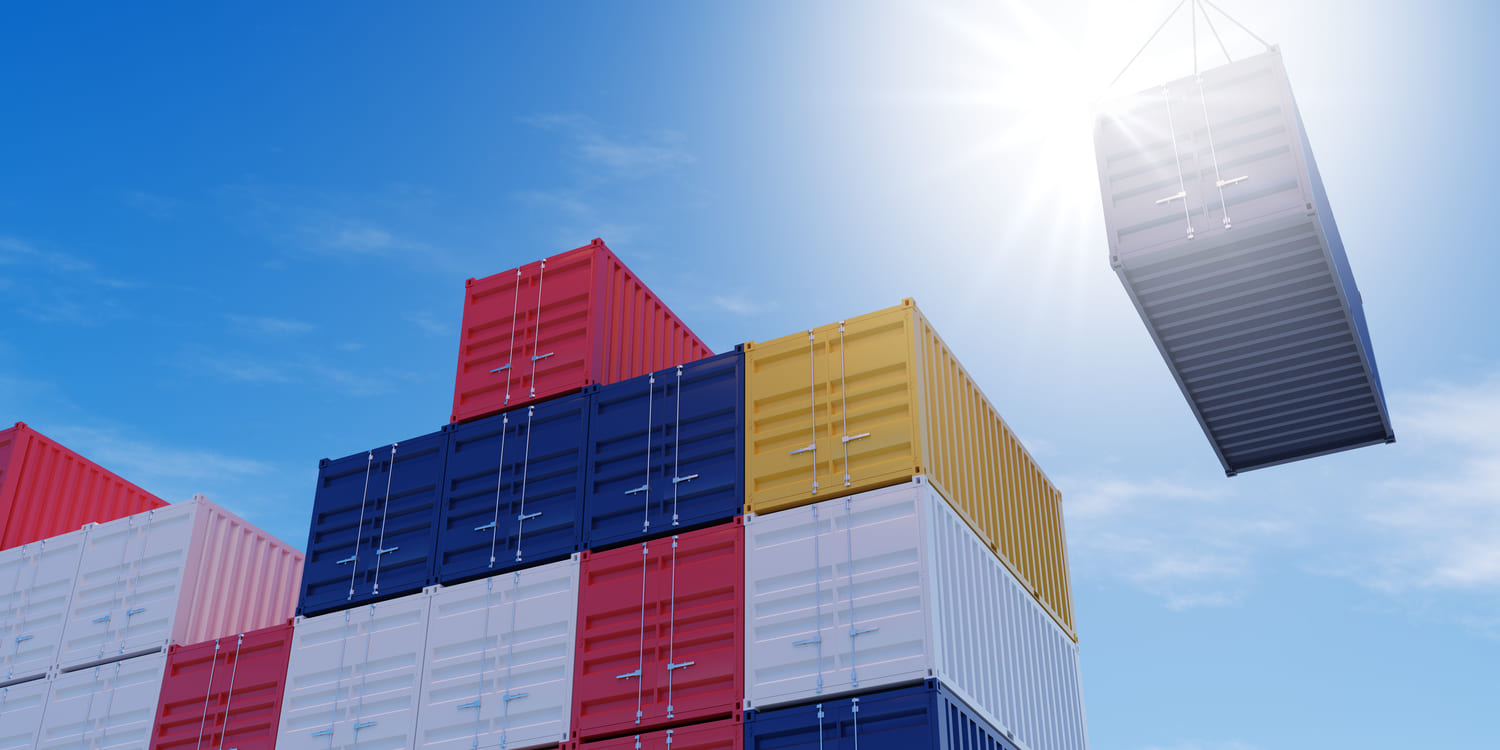
- LTL: Domestic freight for shipments too large for parcel but too small for a full truck. Several shipments share one trailer, lowering cost but adding transit time.
- LCL: Ocean freight for cargo that does not fill a full container. Shippers share container space and pay only for the space used.
- Air Cargo: Fastest freight option for urgent, high-value, or time-sensitive goods, but usually the most expensive.
- A single “mega carrier” owning full LTL, ocean LCL, and air cargo networks worldwide is unlikely because each mode requires different assets, regulations, and expertise.
- Most shippers use integrated logistics providers or freight forwarders that coordinate trucking, ocean, air, customs, warehousing, and final delivery through one network.
- The best choice depends on shipment size, budget, timeline, destination, and handling requirements.
Many shippers want one simple answer: can one mega carrier handle LTL, LCL, and air cargo freight from start to finish?
The short answer is: one logistics provider can coordinate all three, but one carrier usually does not own and operate every truck, ocean container service, aircraft, warehouse, and final-mile network involved.
That is why many companies use an integrated logistics provider, freight forwarder, or 3PL network. Instead of relying on one carrier to own every asset, the provider coordinates the best combination of trucking, ocean freight, air freight, drayage, warehousing, transloading, cross-docking, and final delivery.
What Are LTL, LCL and Air Cargo?
LTL (Less‑Than‑Truckload) Freight
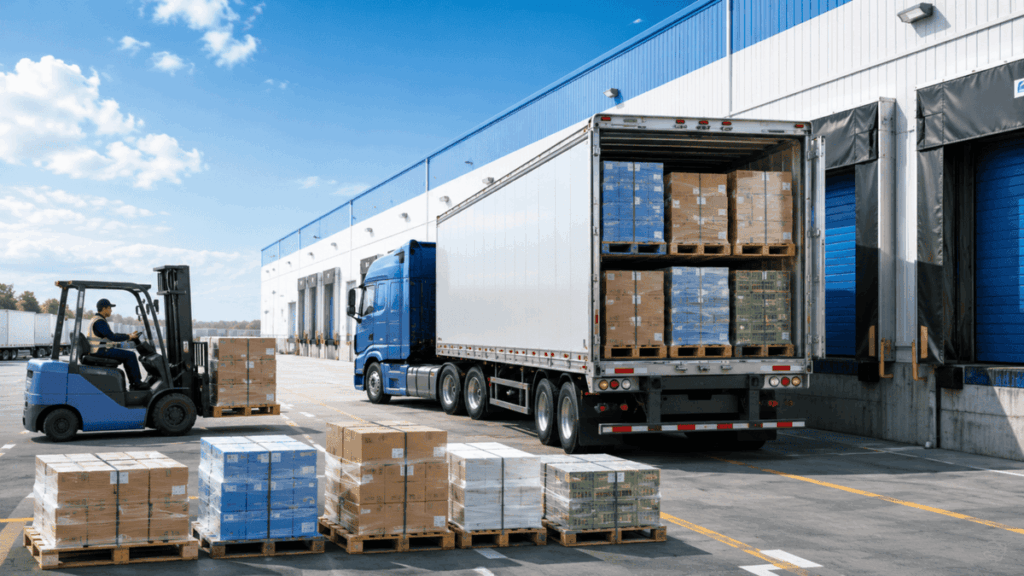
Definition: LTL freight is a road transport option for shipments that don’t fill an entire truck. Multiple customers’ loads are consolidated to occupy one trailer. Because the truck makes several stops to load and unload, transit times are longer than a dedicated full truckload but costs are lower.
When to use it: LTL works for domestic shipments typically between 150 and 15,000 pounds, such as palletized goods, consumer products or industrial parts. It’s cost‑effective for companies that don’t need a full truck and can tolerate a slightly longer lead time.
LCL (Less‑Than‑Container‑Load) Freight
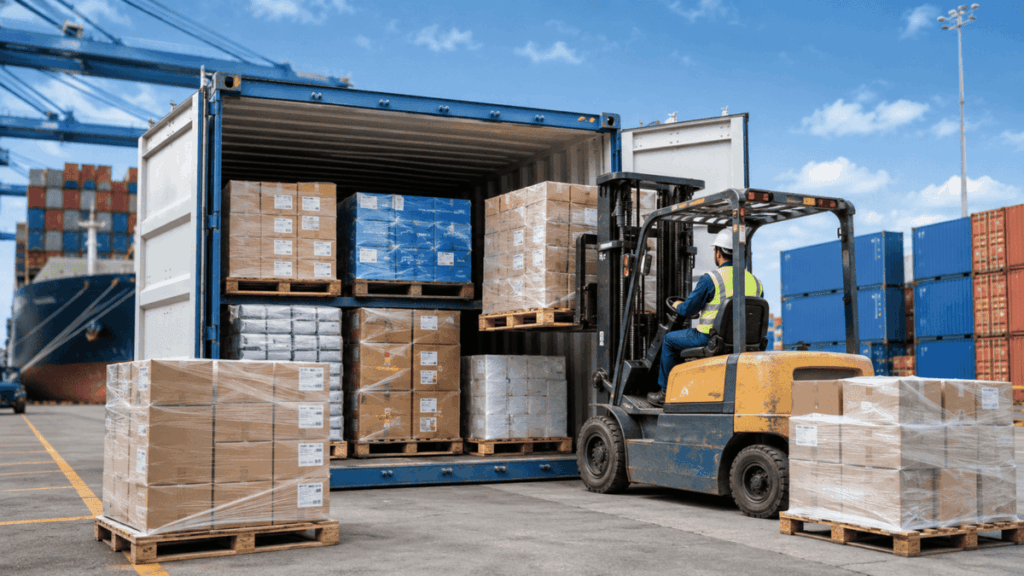
Definition: LCL shipping is an ocean‑freight method where cargo shares container space with other shippers. When your goods don’t fill a 20‑ or 40‑foot container, a freight forwarder consolidates several LCL loads into one container. Shippers pay only for the space their cargo occupies.
Benefits: LCL provides access to global routes without committing to a full container. It spreads costs across multiple shippers and reduces warehousing needs by enabling more frequent, smaller shipments. However, consolidation and deconsolidation add handling, so transit times are longer than full container load (FCL) shipments.
When to use it: LCL suits businesses testing new markets or shipping seasonal, low‑volume goods. It’s often paired with final‑mile LTL distribution once containers arrive at port.
Air Cargo (Air Freight)
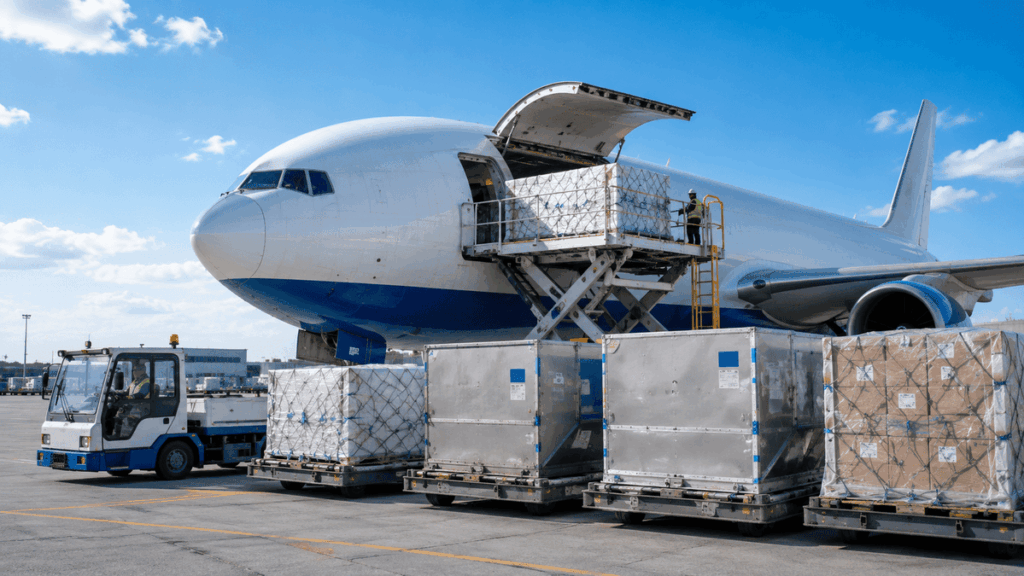
Definition: Air cargo, also called air freight, is the movement of goods by aircraft. It employs dedicated cargo planes or unused capacity on passenger flights. Airlines and freight forwarders provide services such as booking, cargo handling, customs clearance, security screening and last‑mile delivery.
Advantages: Air freight offers unmatched speed for long distances and high reliability due to fixed flight schedules. It is ideal for urgent, high‑value or perishable goods. Rigorous security procedures protect cargo. Faster transit times allow businesses to reduce inventory levels and respond quickly to demand.
Limitations: Air freight is the most expensive mode and has strict weight and size limits. Weather disruptions and environmental considerations also affect its viability. It’s generally reserved for shipments where speed and reliability outweigh cost.
Why Haven’t We Seen a Single Mega Carrier for All Modes?
The idea of an all‑in‑one carrier that owns trucking fleets, container ships and aircraft is appealing but unrealistic for several reasons:
- Capital Intensity and Asset Specialization: Owning aircraft, container ships and thousands of trucks requires enormous capital investments. Shipping lines like Maersk and MSC spend billions on vessels, while airlines invest heavily in aircraft. Trucking fleets have entirely different cost structures. Few companies can maintain competitive scale across all three assets without compromising service quality.
- Regulatory Barriers: International shipping and aviation are heavily regulated. Airlines must comply with national ownership rules and aviation safety standards. Ocean carriers navigate cabotage laws and flag‑state regulations. Trucking operations differ across countries and states. Operating globally across these domains requires multiple certifications and regulatory approvals, raising legal complexity.
- Operational Complexity: Each mode requires specialized expertise, from crew management and port operations to airport handling and line‑haul scheduling. LTL trucking involves dense networks of terminals and cross‑docks, while container shipping requires port logistics and long transit times. Air cargo demands aviation security and charters. Integrating these functions under one corporate umbrella could lead to inefficiencies rather than synergies.
- Market Structure and Competition: The logistics market is fragmented by design. Large carriers specialize to maximize efficiency and manage risk. Consolidation has occurred within each mode (e.g., mergers among shipping lines or LTL carriers), but regulators often limit cross‑modal mergers to preserve competition. There are also cultural differences among industries, sailing a ship and running an airline are very different businesses.
- Alternative Solutions Already Exist: Integrated logistics providers and freight forwarders fill the gap by coordinating across modes without owning all assets. They leverage partnerships and technology to deliver end‑to‑end solutions.
How Integrated Logistics Providers Combine Modes
While no single carrier owns and operates all assets, many third‑party logistics providers (3PLs) and freight forwarders offer multi‑modal solutions that combine LTL, LCL and air freight. They accomplish this through partnerships, digital platforms and centralized visibility.
How Do Digital Platforms Improve Multi-Modal Freight Visibility?
Modern freight platforms make it easier for shippers to compare rates, book shipments, manage documents, and track freight across different modes.
A digital logistics platform can help with:
- Comparing LTL, LCL, air freight, and truckload options
- Viewing estimated transit times and costs
- Managing customs and shipping documents
- Tracking shipment milestones
- Identifying delays or exceptions early
- Keeping communication in one place
This visibility is especially important when a shipment moves through multiple handoffs. For example, an international shipment may start with pickup by truck, move by LCL ocean freight, clear customs, transfer to a warehouse, and then continue by LTL to the final destination.
ExFreight developed a digital freight forwarding platform that integrates LTL consolidation, air forwarding and other services. The system lets users obtain instant LTL freight quotes, compare air cargo rates and manage documentation in one place. By automating density and dimension calculations, the platform eliminates costly reclassification errors and provides transparent pricing.
Consolidation and Coordination
Freight forwarders specialize in consolidation, combining small shipments into full truckloads or full containers to optimize costs. LCL consolidators bundle multiple shippers’ cargo into one container, allowing each to pay only for the space used. This process reduces damage due to fewer handling points and speeds time to market. Similar principles apply to LTL consolidation, where shipments share a truck, and air consolidation, where forwarders book space on cargo planes.
Hybrid Networks and Partnerships
Integrated logistics providers often use a hybrid network instead of relying only on owned assets. This means they may combine internal resources with trusted carrier partners, warehouse locations, drayage providers, customs brokers, and final-mile delivery teams.
This model gives shippers more flexibility because the provider can choose the most practical option based on:
- Shipment size
- Required delivery time
- Budget
- Origin and destination
- Cargo type
- Port or airport availability
- Customs requirements
- Need for warehousing or transloading
For example, a shipment may move by LCL ocean freight from overseas, transfer to a warehouse near the port, and then continue by LTL to several final destinations. If the shipment is urgent, air cargo may replace ocean freight to shorten transit time.
All City Leasing & Warehousing offers LCL, LTL and full truckload services and combines them with warehousing, transloading and drayage. Their network of vetted carriers and real‑time tracking provides nationwide reach and flexible options.
These examples show that integrated logistics is less about a single mega carrier owning everything and more about orchestrating a network of specialized carriers through a central platform.
Comparing LTL, LCL and Air Cargo: When to Use Each
Below is a high‑level comparison of the three modes. Remember that shipment specifics, routes and market conditions influence decisions.
| Mode | Typical shipment size | Speed | Cost | Ideal use case |
|---|---|---|---|---|
|
LTL (Less-Than-Truckload) |
150–15,000 lb within one country | Slower than FTL; multiple stops | Lower cost per pound; you pay for the space used | Domestic shipments too large for parcel but too small for a full truck; flexible schedule |
|
LCL (Less-Than-Container-Load) |
Less than a full 20- or 40-ft container | Slower than FCL due to consolidation/deconsolidation | Pay only for the space used | International ocean shipments of low to medium volume, non-urgent goods |
| Air Freight | From small parcels to pallets; weight and size limits apply | Fastest—hours to days | Highest cost; surcharge for weight/volume | Urgent, high-value or perishable goods; global reach where speed matters |
When goods arrive at destination ports or airports, shipments often transfer to LTL or last‑mile delivery services. Thus, multi‑modal routing is common, and digital platforms help determine the optimal combination.
Trends Shaping Multi‑Modal Freight
As of 2026, several trends influence how companies manage multi‑modal freight:
- Digitization and AI‑Enabled Planning: Freight marketplaces and transportation management systems (TMS) use AI to optimize routing, compare rates and provide real‑time tracking. Platforms like BlueGrace allow shippers to manage LTL, LCL and air freight in one interface.
- Sustainability and Carbon Reduction: Shippers face growing pressure to reduce emissions. Consolidating shipments via LCL or LTL reduces empty space and lowers fuel consumption. Many carriers invest in alternative fuels and carbon tracking.
- Nearshoring and Regionalization: Supply chains are shifting closer to end markets, increasing demand for flexible LTL and regional ocean services while decreasing reliance on long‑haul FCL routes. Air freight plays a role in bridging gaps when supply chains recalibrate.
- Resilience and Visibility: The disruptions of the early 2020s underscored the need for transparency. Integrated providers use real‑time sensors, predictive ETAs and exception management to maintain service across modes.
- Consolidation and Collaboration: While mega carriers owning all modes are unlikely, strategic partnerships and mergers continue within each sector. Carriers collaborate with tech firms and 3PLs to offer seamless services without duplicating investments.
Conclusion
The idea of a “mega carrier” that owns and operates LTL trucking fleets, container ships and cargo planes is compelling but impractical. Regulatory barriers, capital costs and operational differences make such integration rare. Fortunately, shippers don’t need one monolithic carrier to access all modes. Modern logistics providers leverage digital platforms, consolidation strategies and partner networks to combine LTL, LCL and air freight into cohesive solutions. As technology advances and supply chains evolve, integrated logistics will keep improving—helping businesses navigate complex global trade while choosing the best mode for each shipment. If you’re evaluating how to move your goods efficiently, consider partnering with a logistics provider that offers transparent pricing, real‑time visibility and the flexibility to switch between road, ocean and air based on your needs.
Frequently Asked Questions (FAQ) – OLIMP Warehousing
Q: What does LTL shipping mean?
LTL stands for Less‑Than‑Truckload. It refers to domestic road freight where multiple small shipments share one trailer; it’s cost‑effective for cargo between about 150 and 15,000 lb.
Q: What is LCL shipping and how is it different from FCL?
LCL (Less‑Than‑Container‑Load) is an ocean shipping service where cargo shares space with other shippers when it doesn’t fill a container. FCL (Full Container Load) means one shipper uses an entire container. LCL costs less per shipment but takes longer due to consolidation and deconsolidation.
Q: Why isn’t there a single mega carrier for LTL, LCL and air cargo?
Owning trucks, ships and aircraft demands massive capital and specialized expertise. Different regulatory regimes govern aviation, maritime and trucking operations, and companies tend to specialize. Integrated logistics providers achieve similar outcomes through partnerships and digital coordination, avoiding the need for one carrier to own everything.
Q: When should I choose air freight over ocean or road?
Air freight is ideal for urgent, high‑value or perishable goods because it is the fastest method for long distances. However, due to higher costs and capacity limits, it’s typically reserved for shipments where speed outweighs budget concerns.
Q: Could a mega carrier emerge in the future?
It’s unlikely that one company will own fleets of trucks, ships and aircraft worldwide. Instead, we’ll continue to see deeper partnerships and integrated platforms that make multi‑modal freight feel seamless without requiring a single corporate owner.
You may be interested in

How to Choose an LTL Carrier for Low‑Damage Freight Shipping
In the world of logistics, less‑than‑truckload (LTL) carriers play a pivotal role by consolidating shipments from multiple shippers so each customer only pays for the space they use. Because LTL freight is handled at multiple terminals, it’s more vulnerable to damage than full‑truckload shipments. Industry data show that typical LTL damage ratios range from 1 % […]
Simplify LTL Freight Shipping: 5 Challenges Solved by 3PL
LTL (less-than-truckload) shipping lets businesses move freight that’s too large for parcel carriers but doesn’t fill an entire truck. In this model, multiple shippers combine smaller shipments into one trailer, saving on per-unit costs. For example, LTL freight shipping lets a small e-commerce retailer send pallets without booking a full truck. However, many shippers note […]

Full Truckload (FTL) Shipping Services: How It Works, Costs & Use Cases
Full truckload shipping (FTL) is a freight transport mode where one shipper’s cargo occupies an entire truck trailer. In FTL service – also known as FTL trucking or full truckload freight transport – a carrier dedicates a 48′ or 53′ trailer exclusively to one shipment. Unlike less-than-truckload (LTL) shipping (where freight from multiple shippers shares […]
Ready to streamline your warehousing needs?
Request a quote today and discover how OLIMP's tailored solutions can optimize your operations