Intermodal & Drayage Carrier Guide: Find the Best Options for Asset‑Light 3PLs
04/10/2026
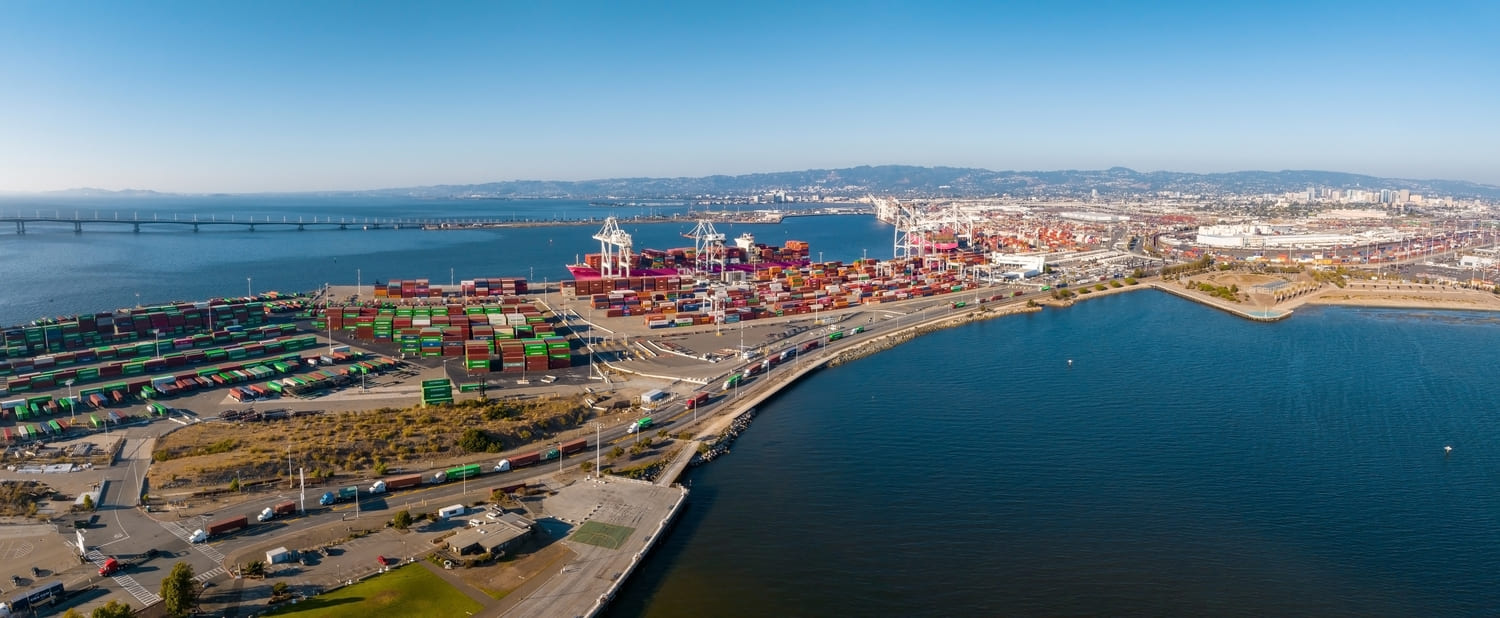
- Intermodal shipping combines two or more transport modes-usually rail, truck and ocean-in a single trip while keeping cargo sealed in the same container. This reduces handling, improves security and can lower costs over long distances.
- Drayage refers to short‑distance trucking moves that connect major transport hubs such as ports, rail ramps and warehouses. Modern drayage typically covers 50 miles or less and forms the first or last mile of an intermodal shipment.
- Intermodal drayage links modes together: drayage carriers pick up containers from ports or rail yards and shuttle them to the next leg. Without reliable drayage, containers pile up and incur demurrage and detention fees.
- Costs depend on distance, equipment and time. Base drayage rates vary by port location, distance and container size, while accessorial charges include fuel surcharges, chassis fees, pre‑pulls and storage. Efficient operations avoid demurrage charges, which can exceed $200–$400 per day.
- Asset‑light 3PLs lease or own a few strategic assets (terminals, trailers or containers) but broker most of their freight. They need flexible drayage partners with nationwide coverage, technology integration and clear pricing to serve diverse customers.
Intermodal transport has become a cornerstone of modern supply chains. By moving cargo in standardized containers across rail, truck, barge and ocean vessels, shippers can reduce handling and tap into the strengths of each mode. Drayage – local trucking that moves containers between ports, rail ramps and distribution centers- is the glue that holds this system together.
For asset‑light third‑party logistics providers (3PLs), finding dependable intermodal and drayage carriers is critical. Asset‑light 3PLs rely on a network of partners rather than owning large fleets; therefore, choosing the right carrier affects service quality, cost and customer satisfaction. This guide explains the concepts, pricing and evaluation criteria for intermodal shipping and drayage, and provides practical steps for shippers and 3PLs looking to build strong partnerships.
What Is Intermodal Shipping?
Intermodal shipping moves freight using two or more transport modes under one booking, often rail and truck, with ocean transport for international moves. The cargo stays in the same sealed container throughout the journey, so handling at transfer points is minimal. This model brings several advantages:
- Lower costs: Rail and sea transport are typically cheaper for long distances than over‑the‑road trucking.
- Security: Sealed containers reduce the risk of theft or damage.
- Environmental benefits: Trains and ships use less fuel per ton‑mile, resulting in lower emissions.
- Operational efficiency: Quick transfers between modes streamline transit and help avoid congestion.
Because intermodal uses rail for long hauls and trucks only for local legs, it’s a sustainable and predictable option for domestic and international freight.
What Is Drayage?
Drayage is the short‑distance movement of freight containers by truck between nearby logistics hubs such as ports, rail terminals, airports and warehouses. The term dates back to horse‑drawn “dray” carts used to move goods from docks to warehouses. In modern logistics, drayage operations connect different transportation modes while keeping cargo in its container. Typical drayage moves cover 50 miles or less, though some extend up to 150 miles.
Why drayage matters
- First‑ and last‑mile connection: Drayage carriers pick up containers from ports or rail ramps and deliver them to warehouses or factories, completing the intermodal journey.
- Congestion reduction: Efficient drayage prevents containers from sitting idle at ports, helping shippers avoid demurrage fees that can exceed $200–$400 per day.
- Specialized equipment: Drayage requires tractors, chassis and trained drivers familiar with port procedures.
Types of drayage
- Port drayage: Moves containers between marine terminals and nearby warehouses or rail yards.
- Rail/intermodal drayage: Connects rail terminals with local facilities.
- Inter‑carrier drayage: Transfers containers between different carriers or terminals.
- Intra‑carrier drayage: Moves containers between facilities owned by the same carrier.
- Expedited drayage: Provides time‑critical service for urgent shipments.
Intermodal Drayage vs. Intermodal Transportation
Intermodal drayage is not the same as intermodal transportation. Drayage refers specifically to the short trucking leg within an intermodal journey, whereas intermodal covers the entire multi‑mode route. A quick comparison:.
| Aspect | Intermodal transportation | Drayage |
|---|---|---|
| Scope | Combines rail, truck, ship (and sometimes air) in one trip. | Short-distance truck segment that connects modes. |
| Distance | Long haul—often hundreds or thousands of miles. | Local moves, usually 15–50 miles. |
| Benefits | Lower costs and emissions, fewer handoffs. | Avoids port congestion, ensures timely pickup/delivery, supports first/last mile. |
| Pricing | Includes rail/ocean linehaul plus drayage components. | Usually a flat rate per move with fuel and accessorial charges. |
Recognizing this distinction helps you budget correctly and understand where each carrier’s responsibility begins and ends.
Understanding Freight Pricing for Intermodal & Drayage
Intermodal rates consist of three parts: an origin drayage rate, a rail linehaul, and a destination drayage rate. Here’s what you should know about costs:
How Drayage Rates Are Structured
Drayage carriers usually provide flat rates with a fuel surcharge. They offer a point‑to‑point rate matrix covering distances from each rail ramp to nearby towns, and they tend to update rates only once per year. Typical distances are 50–100 miles, though some hauls extend up to 300 miles.
According to the Rocky Transport guide, drayage rates range from $250-400 for short moves under 25 miles and $500-800 for longer runs. Rates are determined per move rather than per mile, reflecting the specialized nature of container handling and terminal fees.
Factors Affecting Pricing
Several variables influence drayage and intermodal costs:
- Distance and complexity: Longer distances and multiple handoffs increase rates.
- Urgency: Expedited or time‑sensitive loads command premiums.
- Equipment needs: Specialized containers or chassis may require higher rates.
- Wait times and detention: Fees accrue when drivers wait at congested ports or rail yards.
- Fuel prices: Rates often include a fuel surcharge to account for diesel fluctuations.
Understanding these elements will help you evaluate quotes and negotiate fair pricing.
How to Find Intermodal Carriers in the United States
Finding a reliable carrier requires more than calling the first company you see online. Use this step‑by‑step framework to identify the right drayage and intermodal partners.
1. Define Your Needs
Before reaching out to carriers, outline your requirements:
- Container types & volume: Identify the container sizes you typically ship and the number of shipments per week.
- Service frequency & speed: Decide how often you need drayage services and whether expedited deliveries are necessary.
- Drayage type: Determine if you need port‑to‑rail, rail‑to‑warehouse, shuttle runs, or door‑to‑door services.
Clarifying your needs ensures you approach the right providers and allows carriers to prepare accurate quotes.
2. Look for Local Expertise
Choose carriers located near the ports or rail hubs where your shipments originate or terminate. Local drayage companies understand terminal operations and traffic patterns, which reduces delays and costs. A provider with a strong regional network can also scale capacity during seasonal surges.
3. Evaluate Safety, Compliance & Reputation
Safety and regulatory compliance are non‑negotiable. Confirm that carriers employ drivers with valid credentials, including Transportation Worker Identification Credentials (TWIC), and that they adhere to federal, state and local regulations. Review a carrier’s safety scores and history of violations. Seek feedback from current clients or check online reviews for consistent on‑time performance.
4. Assess Experience & Fleet Quality
Established carriers often have strong relationships with port authorities and deeper knowledge of complex logistics regulations. Inspect their fleet: look for modern, well‑maintained tractors and chassis with the flexibility to handle various container sizes. Asset‑based providers that own their equipment typically offer greater reliability and fewer delays.
5. Check Technology & Visibility
Real‑time tracking and electronic data interchange (EDI) integration have become essential. Carriers should provide GPS tracking, automated status updates, and digital proof of delivery. Providers with advanced tech platforms allow you to monitor shipments and respond proactively to disruptions.
6. Review Network Coverage & Service Portfolio
A carrier’s geographic reach and service offering should match your business needs. Look for companies with nationwide coverage and scalable capacity so you can handle fluctuating volumes. Integrated services-such as warehousing, transloading and final‑mile delivery-streamline operations and reduce handoffs.
7. Understand Pricing & Value
Obtain quotes from multiple carriers and ensure all potential fees-chassis usage, detention, fuel surcharges-are clearly outlined. The cheapest option isn’t always best; weigh reliability, safety, technology and customer support against cost. Ask carriers to explain how they mitigate detention and demurrage charges and whether they offer flat‑rate or per‑mile pricing.
8. Ask Smart Questions During RFPs
During your request for proposals (RFP) process, include targeted questions to uncover a carrier’s capabilities. Here are five critical questions from industry experts:
- Does the provider offer nationwide coverage and flexible capacity? Ensure they can scale with your freight demands.
- What technology and tracking capabilities do they provide? Look for GPS tracking, EDI/API integrations and automated status updates.
- How do they handle costs, chassis access and detention risk? Transparent pricing structures and proactive container management help avoid hidden fees.
- Can they support warehousing, transloading and end‑to‑end logistics? Integrated services reduce handoffs and keep freight moving.
- Are they stable, scalable and built for long‑term partnerships? Evaluate financial stability and commitment to ongoing service quality.
Asking these questions weeds out providers that lack the infrastructure, technology or reliability you need.
Tips for Selecting the Right Drayage & Intermodal Partner
- Prioritize safety and compliance: Choose carriers with strong safety records, TWIC‑certified drivers and adherence to environmental and regulatory standards.
- Seek experience and reputation: Established providers offer better on‑time performance and problem‑solving capability.
- Inspect fleet and equipment: Modern, well‑maintained tractors and chassis minimize delays.
- Demand technology integration: Real‑time tracking and efficient communication ensure visibility and quick response to issues.
- Consider network reach and customer service: Carriers with broad geographic coverage and dedicated account managers handle disruptions more effectively.
- Compare costs, but focus on value: Transparent pricing and high service quality deliver long‑term cost savings.
By systematically evaluating providers against these criteria, you’ll build a shortlist of carriers that can meet your freight needs reliably.
Best Intermodal Drayage Options for Asset‑Light 3PLs
Asset‑light 3PLs leverage partnerships rather than owning large fleets; they may lease a few strategic assets but broker most shipments. When sourcing intermodal and drayage capacity, asset‑light 3PLs should:
- Cultivate a network of regional drayage providers: The U.S. drayage market is highly fragmented; the largest carriers handle their own drayage, while thousands of small carriers serve metro areas. Building relationships with multiple regional carriers ensures flexible capacity.
- Leverage intermodal marketing companies (IMCs): Large intermodal providers such as J.B. Hunt, Hub Group, XPO and Schneider (top intermodal carriers in 2021) include drayage in their service bundles, simplifying procurement.
- Use technology platforms: Digital freight matching and transportation management systems provide visibility into available drayage capacity and automate carrier selection. Many 3PLs use EDI/API integrations to connect with carriers and provide real‑time tracking.
- Prioritize carriers with environmental initiatives: Customers increasingly value sustainable logistics. Intermodal shipping reduces fuel use and emissions; partnering with carriers that invest in clean technologies can differentiate your service.
- Negotiate volume‑based pricing: Because asset‑light 3PLs aggregate freight from many shippers, they can negotiate better rates and pass savings along to clients.
Finding Loads and Building Relationships
If you’re a carrier seeking intermodal drayage loads, the key to profitability is building relationships and leveraging market access:
- Target major ports and rail hubs: Los Angeles/Long Beach, New York/New Jersey, Savannah and Chicago handle most of the U.S. container volume, while secondary markets like Norfolk, Charleston and Houston offer opportunities with less competition.
- Develop direct shipper relationships: Large importers and retailers prefer reliable drayage providers. Identify distribution centers that receive regular container deliveries and reach out directly.
- Work with specialized brokers: Drayage brokers maintain relationships with multiple carriers and help new operators find work.
- Deliver consistent service: Show up on time, communicate proactively and handle documentation properly to build a reputation that leads to premium freight.
While this section focuses on carriers, shippers can also use these insights to identify drayage companies embedded in key markets and to understand how carriers price and secure loads.
Conclusion
Intermodal shipping links the global reach of ocean and rail networks with the flexibility of local trucking. Drayage provides the critical first and last mile, ensuring containers move smoothly between modes. By understanding how intermodal and drayage work, how pricing is structured and which factors matter most when evaluating carriers, shippers and asset‑light 3PLs can build resilient supply chains. When you define your needs, vet providers thoroughly and leverage technology and relationships, you’ll find intermodal and drayage partners that deliver reliable service, competitive rates and sustainable performance.
Frequently Asked Questions (FAQ) – OLIMP Warehousing
Q: What is a drayage carrier?
A drayage carrier is a trucking company that specializes in moving containers between ports or rail terminals and nearby facilities. They handle the short‑distance portion (first or last mile) of an intermodal journey.
Q: How far do drayage trucks typically travel?
Drayage moves usually cover 50 miles or less, though some operations extend up to 150 miles.
Q: How is drayage pricing calculated?
Pricing is based on a flat fee for a round trip plus fuel surcharges and accessorial charges such as chassis usage, storage, pre‑pull and hazmat handling. Longer distances and wait times add to the cost.
Q: What is an asset‑light 3PL?
Asset‑light 3PLs own or lease a few strategic assets (terminals, containers) but conduct most of their business as brokers. They rely on external carriers to provide transportation and warehousing.
Q: Why choose intermodal over truckload shipping?
Intermodal shipping uses long‑haul rail or ocean legs, which are more fuel‑efficient than trucking and can reduce greenhouse‑gas emissions by up to 75 %. Keeping cargo in a sealed container also reduces handling and damage risk.
Q: What credentials do drayage carriers need?
Drayage carriers must register with port authorities (e.g., Drayage Truck Registry stickers) and comply with the Uniform Intermodal Interchange and Facilities Access Agreement (UIIA) to access chassis pools.
Q: How can 3PLs minimize demurrage and detention fees?
Plan pickup and delivery appointments in advance, ensure cargo readiness, consolidate shipments when possible, and partner with reliable drayage providers. Pre‑arranged drayage services reduce the risk of containers sitting at ports and incurring costly fees.
You may be interested in

How to Choose an LTL Carrier for Low‑Damage Freight Shipping
In the world of logistics, less‑than‑truckload (LTL) carriers play a pivotal role by consolidating shipments from multiple shippers so each customer only pays for the space they use. Because LTL freight is handled at multiple terminals, it’s more vulnerable to damage than full‑truckload shipments. Industry data show that typical LTL damage ratios range from 1 % […]

How to Choose a Transloading Provider Near Major Ports
International trade flows through U.S. container ports have exploded in recent years. According to the U.S. Department of Transportation’s Port Performance Freight Statistics Report, the ports of New York/New Jersey, Los Angeles and Long Beach each handled more than 6 million loaded twenty‑foot equivalent units (TEUs) in 2022, while Savannah processed 4.33 million TEUs. The […]

Finding Reliable Freight Carriers and 3PL Partners: A Down-to-Earth Guide
Struggling to get your products to market on time and on budget? You’re not alone. Small businesses, freight brokers, logistics managers, and e-commerce companies across the U.S. often feel the pain of finding a reliable freight carrier or third-party logistics (3PL) partner. In an industry where trucks move over 70% of U.S. freight , even […]
Ready to streamline your warehousing needs?
Request a quote today and discover how OLIMP's tailored solutions can optimize your operations