Food Logistics: Definition, Supply Chain Process & Best Practices
04/23/2026
- Food logistics refers to the planning, storage, handling, transportation and delivery of food products in a way that protects safety, quality, traceability and shelf life.
- The food supply chain includes production, handling & storage, processing, packaging, distribution, retail/food service and consumption.
- Compared with general freight, food logistics must manage temperature control, sanitation, lot tracking, shelf‑life pressure, allergen risks and regulatory compliance.
- Major frameworks like the U.S. Food Safety Modernization Act (FSMA) require carriers, shippers and loaders to use sanitary vehicles and proper refrigeration.
- Certified food‑grade warehouses often follow standards such as SQF, BRCGS, AIB and HACCP, which look at sanitation, pest control, training, traceability and building condition.
- Best practices include choosing food‑safe facilities, verifying sanitation and pest control programs, ensuring temperature monitoring, practicing FIFO/FEFO rotation, using lot/batch traceability and training staff.
- Choosing a reliable food logistics service means evaluating temperature‑controlled capacity, certifications, inventory control technology, network reach and experience with regulatory compliance.
What Is Food Logistics?
Food logistics is the process of planning, storing, handling, transporting, and delivering food products safely and efficiently from producers to consumers. It includes warehousing, inventory management, food transportation logistics, cross-docking, order fulfillment, traceability, and returns management. Unlike general freight, food products logistics requires stricter controls for temperature, sanitation, packaging condition, shelf life, and contamination prevention. In the U.S., food logistics operations are also shaped by food safety rules such as the Food Safety Modernization Act (FSMA), which focuses on sanitary transportation practices, proper refrigeration, clean vehicles, and safe handling to protect food quality throughout the supply chain.
Why It Matters
Food products can spoil, absorb odors, become contaminated or fall out of compliance if mishandled.
Strong food logistics helps businesses:
- Protect food safety and preserve product quality.
- Meet regulatory and retailer requirements (e.g., FSMA, Safe Quality Food code, BRCGS standards).
- Reduce rejected loads, spoilage and waste.
- Improve on‑time delivery and support recall readiness.
Food Supply Chain Stages
The food supply chain is a network of interconnected stages that move food from farm to fork. DNV summarizes the stages as follows:
- Production – farmers cultivate crops, raise livestock, fish or produce eggs.
- Handling & Storage – after harvesting, products are stored or transported for direct sale or processing.
- Processing – raw materials are transformed into edible products.
- Packaging – food is packaged in a way that preserves safety and quality until the expiration date.
- Distribution – products are moved through a logistics network involving storage, transportation and inventory management.
- Retail & Food Service – products are sold through supermarkets, groceries, restaurants or online.
- Consumption – consumers purchase and consume the food.
Understanding these stages helps shippers design a logistics program that supports freshness, traceability and regulatory compliance.
Core parts of food logistics
- Food-grade warehousing
- Ambient, refrigerated, and frozen storage
- Transportation and distribution
- Cross-docking and transloading
- Inventory management and stock rotation
- Lot, batch, and expiration-date tracking
- Order fulfillment and retail replenishment
- Returns, recalls, and disposal workflows
This is why many companies also use the terms food and beverage logistics or food supply chain logistics when talking about the same operational system. The goal is not only to move the product, but to move it under the right conditions, with the right documentation, and at the right speed.
How food logistics works
A typical food logistics process looks like this:
1. Receiving
Products arrive from manufacturers, processors, growers, or import channels. At intake, operators may verify seal integrity, temperature, packaging condition, lot codes, and paperwork.
2. Storage
Products are placed into the right storage environment:
- Ambient for shelf-stable goods
- Refrigerated for chilled foods
- Frozen for temperature-sensitive frozen items
Storage conditions must match product requirements, and facilities need strong sanitation, pest control, and preventive maintenance practices
3. Inventory control
Food inventory often requires tighter control than ordinary freight. Teams may use:
- FIFO or FEFO rotation
- lot and batch tracking
- expiration-date visibility
- quarantine procedures for holds or damaged goods
4. Transportation
Food is then moved to distributors, stores, restaurants, or other destinations. Transportation must prevent contamination and temperature abuse, with clear communication among shipper, carrier, and receiver.
5. Delivery, returns, or recall handling
The final stage includes proof of delivery, exception management, returns, and, when needed, controlled product holds, rework, or disposal. FDA guidance specifically flags the importance of proper handling and tracking of rejected, reworked, returned, and disposal-bound products.
How Food & Beverage Logistics Differs from General Logistics
Transporting food is more than just moving freight from point A to B. Because food can spoil, lose quality or become contaminated, operators must implement additional controls:
- Temperature Control – Refrigerated or frozen transport is essential for perishable goods. According to the FDA, the FSMA sanitary transportation rule aims to prevent unsafe practices such as failure to properly refrigerate food.
- Sanitation & Allergen Control – Vehicles and storage areas must be clean and free from residues that could cause cross‑contamination. Cross‑contamination can occur when fresh produce is loaded onto a vehicle that hasn’t been cleaned after transporting animal products.
- Traceability & Shelf‑Life Pressure – Lot tracking and expiration management are critical because many foods have limited sellable life.
- Regulatory Compliance – Operators must comply with FSMA and other food‑safety regulations. The FSMA rule sets requirements for vehicle design, operations, recordkeeping and training to keep food safe during transport.
Because of these factors, a facility can be excellent at handling general freight and still be unfit for food products unless it has specialized processes, training, layout and documentation.
How are food grade logistics sites certified?
There is no single universal “food grade warehouse certificate” that applies to every operation. Instead, food-grade logistics sites are usually assessed against recognized regulatory and third-party food safety frameworks, depending on the products handled and customer requirements.
Common certification or inspection frameworks
SQF Storage and Distribution
SQFI publishes a dedicated Food Safety Code: Storage and Distribution that applies to transportation and distribution of food products. SQF certification is a structured third-party audit process used widely across the food supply chain.
BRCGS Storage and Distribution
BRCGS has a specific Storage and Distribution standard for logistics operations dealing with food, packaging, and consumer products. It can apply to storage-only, distribution-only, or transport-only scopes, and also includes modules for activities such as cross-docking and waste management.
AIB standards and inspections
AIB International provides food distribution center inspection standards focused on prerequisite and food safety programs. These are often used by facilities that want to demonstrate readiness and strong operational controls.
What certification usually looks at
A food-grade site may be reviewed for:
- sanitation programs
- pest control
- employee training
- building condition and maintenance
- temperature monitoring
- product segregation
- traceability and documentation
- loading and unloading practices
- risk controls for contamination and damaged freight
At the regulatory level, U.S. food operations are also influenced by FSMA and the FDA’s sanitary transportation expectations, which focus on preventing contamination and temperature abuse.
Main challenges in food logistics
Food logistics sounds straightforward, but it is operationally demanding.
Temperature control
Perishable products can lose quality quickly if temperatures drift outside acceptable ranges. Refrigeration failures, door openings, long dwell times, or poor trailer preparation can all create problems.
Shelf-life pressure
Many food products have limited sellable life. Delays in storage, picking, staging, or transport can reduce margin and increase waste.
Compliance and documentation
Food and beverage logistics often requires detailed records, lot traceability, sanitation verification, and audit readiness.
Product variety
A single facility may handle dry groceries, beverages, ingredients, chilled goods, and packaged foods with different requirements. Changing product mixes can create compliance gaps if programs are not built carefully.
Recall readiness
If an issue arises, operators must quickly identify where affected lots were stored, shipped, or delivered.
How modern logistics reduce food waste
Modern logistics reduces food waste by improving visibility, speed, and control across the supply chain.
1. Better cold chain management
Cold chains play a key role in reducing food loss and waste and in extending shelf life. Reliable temperature-controlled storage and transport help products stay fresher for longer.
2. Smarter inventory management
Better demand planning, FEFO rotation, lot visibility, and real-time stock data help companies ship the right product first and avoid aging inventory. U.S. strategy guidance on food loss reduction specifically points to improving inventory and supply chain management with best practices and technologies.
3. Faster routing and handling
Reducing handoffs, unnecessary storage time, and delays helps prevent spoilage. Cross-docking, optimized routing, and tighter dock scheduling can shorten the time food spends sitting still.
4. Better monitoring technology
Modern systems may include temperature sensors, alerts, digital paperwork, barcode scanning, and real-time traceability tools. These systems help teams act earlier when conditions drift or loads are delayed.
5. Stronger exception management
When a load is rejected or delayed, good logistics processes make it easier to reroute, inspect, quarantine, rework, donate, or dispose of product correctly instead of losing track of it.
Best practices for food logistics operations
Companies looking to improve food and logistics performance should focus on the basics first:
- choose facilities built for food-safe handling
- verify sanitation and pest control programs
- confirm temperature capabilities and monitoring
- require lot and batch traceability
- review recall and hold procedures
- inspect loading, unloading, and pallet quality practices
- train staff on food handling risks
- improve communication between shipper, carrier, warehouse, and receiver
The best food logistics programs are not just fast. They are consistent, traceable, compliant, and proactive.
Final thoughts
Food logistics is the system that keeps food moving safely, efficiently, and with as little waste as possible. It combines warehousing, transportation, compliance, visibility, and inventory discipline to protect both product quality and business performance. As food supply chains become more demanding, strong food and beverage logistics is no longer optional. It is a core part of delivering reliable service and reducing avoidable loss.
For companies that need flexible warehouse support, overflow storage, cross-docking, or food-grade capacity, OLIMP can help connect businesses with warehousing solutions across its network so food shipments can move with more speed, control, and flexibility.
Frequently Asked Questions (FAQ) – OLIMP Warehousing
Q: What is food logistics in simple terms?
Food logistics is the coordinated management of warehousing, transportation and inventory to move food products from producers to consumers while protecting safety and quality.
Q: How does food logistics differ from general logistics?
Food logistics requires stricter controls for sanitation, temperature, traceability and regulatory compliance because food can spoil or become unsafe if mishandled.
Q: What are the main stages in the food supply chain?
The food supply chain includes production, handling and storage, processing, packaging, distribution, retail/food services and consumption.
Q: Why is temperature control important in food logistics?
Improper refrigeration can lead to spoilage and food safety issues. The FSMA sanitary transportation rule aims to prevent practices such as failure to properly refrigerate food.
Q: What certifications should a food logistics provider have?
Reputable providers often hold certifications like SQF Storage & Distribution, BRCGS Storage & Distribution, AIB International and HACCP, which evaluate sanitation, temperature control, pest management and traceability.
Q: How can food logistics help reduce waste?
Modern logistics reduces waste through better cold chain management, smarter inventory practices, faster routing, real‑time monitoring and stronger exception management.
Q: What should I look for when choosing a food logistics service?
Consider temperature‑controlled capacity, certifications, traceability technology, network reach and industry expertise when selecting a provider.
You may be interested in

Food & Beverage Logistics Guide: Supply Chain, Warehousing & Transportation (2026)
Food & beverage logistics manages the end‑to‑end flow of perishable goods from farms and factories to retailers and restaurants. It encompasses sourcing, processing, packaging, warehousing, transportation and last‑mile delivery. The sector faces unique challenges-products spoil quickly, temperature control must be maintained, and regulations such as the U.S. Food Safety Modernization Act (FSMA) require strict documentation. […]
Food Warehousing and Food Grade Warehousing: Challenges and Solutions
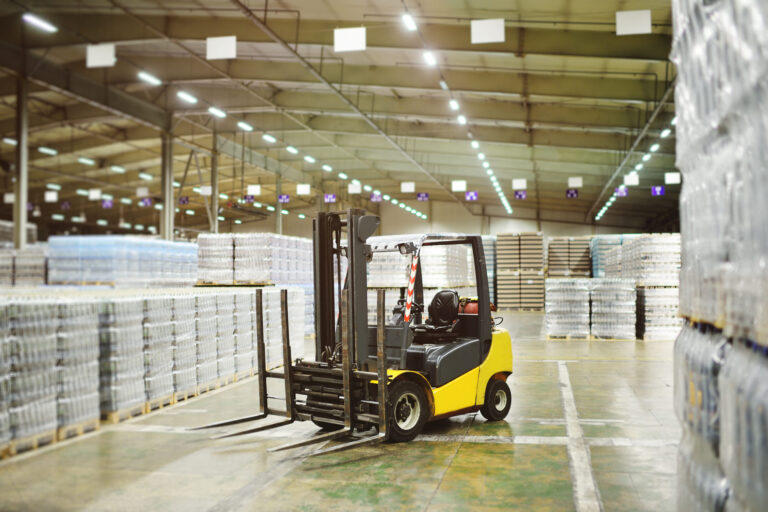
Operating a warehouse that stores food requires specialized handling beyond standard warehousing. Food-grade facilities must meet strict sanitation, temperature control, and traceability standards to prevent contamination and spoilage. In fact, “food-grade warehousing is crucial for maintaining product quality, ensuring consumer safety, and complying with industry regulations.”. By upholding these standards, food warehouses become the critical […]
Cold Chain Logistics: Safeguarding Food, Pharma & Electronics
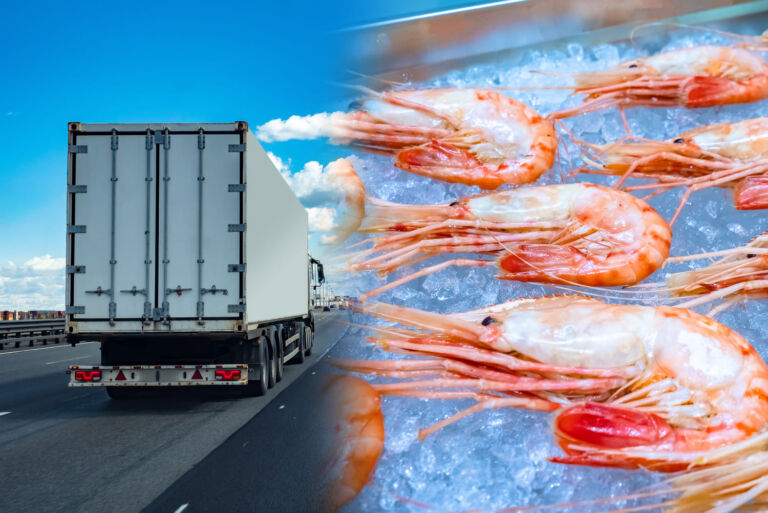
Cold chain logistics refers to the specialized supply chain and warehousing of temperature-sensitive products, from fresh produce and pharmaceuticals to electronics, using refrigeration to prevent spoilage and preserve quality. Temperature-controlled warehousing protects goods from degradation and ensures compliance with strict safety regulations. This sector is booming: the global cold chain market is projected to surge […]
Ready to streamline your warehousing needs?
Request a quote today and discover how OLIMP's tailored solutions can optimize your operations