Food Warehousing and Food Grade Warehousing: Challenges and Solutions
04/07/2025
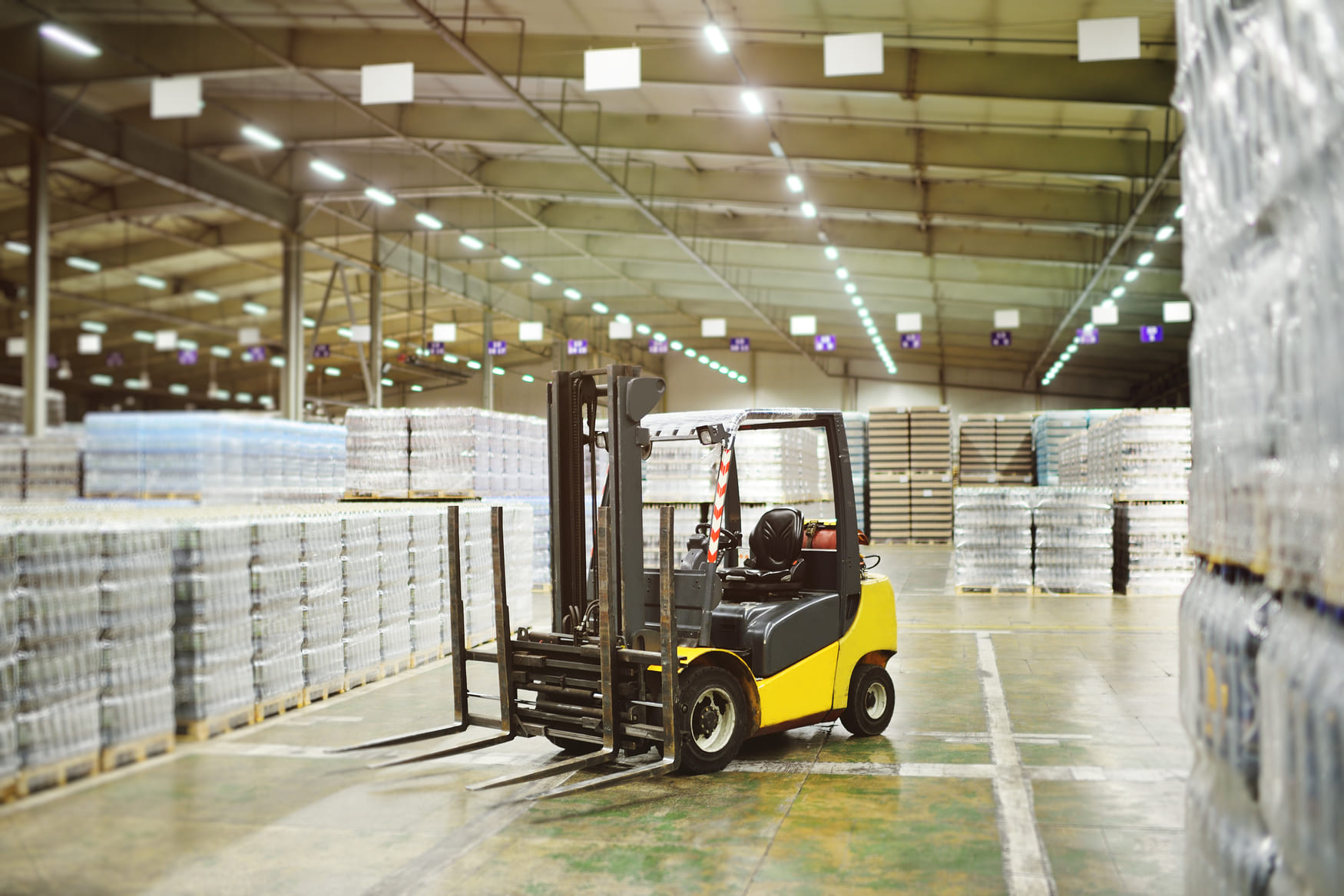
Operating a warehouse that stores food requires specialized handling beyond standard warehousing. Food-grade facilities must meet strict sanitation, temperature control, and traceability standards to prevent contamination and spoilage. In fact, “food-grade warehousing is crucial for maintaining product quality, ensuring consumer safety, and complying with industry regulations.”. By upholding these standards, food warehouses become the critical hubs between producers and consumers, ensuring products stay safe, fresh, and compliant at every step.
What is Food Grade Warehousing?
Food grade warehousing refers to specialized food storage warehouses designed to handle food products under strict controls. These facilities typically have dedicated zones (ambient, refrigerated, and frozen) to meet different product needs. For example:
- Finished foods: Packaged goods ready for retail must await shipment in proper storage. Having enough inventory on hand, but not too much, is key.
- Food ingredients: Raw materials (flour, sugar, additives) are often palletized and require careful handling. Food ingredient logistics demand experienced teams that know safe storage practices.
- Fresh and organic items: These have short shelf lives and usually need refrigeration. They must be stored separately (e.g. organic vs. non-organic) to avoid cross-contamination.
- Specialty categories: Items like frozen goods or dairy require precise temperature control and backup power. A reliable 3PL will offer multiple climate zones with real-time monitoring to protect quality.
Every food-grade warehouse enforces rigorous HACCP protocols and pest-control programs. Many hold certifications (SQF, FDA, USDA Organic, AIB, BRC, etc.) to demonstrate compliance. These standards “shield the general public from consuming tainted food,” requiring regular audits, moisture/temperature checks, and documentation. In short, food warehousing is more than storage – it is a controlled environment built for safety and quality.

Why Food Warehousing and Distribution Matter
Food storage warehouses play a central role in the supply chain. They act as hubs between production and retail, enabling efficient distribution to grocers, restaurants, or consumers. Proper warehousing:
- Preserves quality: By maintaining precise temperature and humidity, perishables stay fresh and safe (e.g. cold zones for meats, dry zones for canned goods).
- Supports demand fluctuations: Stockpiling inventory lets companies meet seasonal spikes or promotions without stockouts or overstock. Forecasting demand and scaling space helps ride high-demand seasons.
- Ensures compliance: Warehouses must meet FDA/USDA/FSMA rules. Proper facilities and paperwork reduce contamination risks and legal issues.
- Reduces waste: Optimal conditions and inventory rotation (FIFO/FEFO) cut spoilage, saving money and reducing environmental impact.
By connecting food manufacturers with distributors and retailers, warehousing and distribution strategies enhance customer satisfaction and food safety alike. An efficient food warehouse allows companies to store bulk products and distribute them efficiently while meeting rigorous standards.
Common Challenges of Food Warehousing
1. Preventing Spoilage in Food Storage Warehouses
Food products are perishable. Time and temperature are critical, even brief deviations can spoil goods. Dairy or frozen items, for instance, may thaw and spoil if kept too long above safe temperatures. To minimize spoilage:
- Temperature-Controlled Zones: Invest in reliable cold chain equipment (refrigerators, freezers, ambient zones) with backup generators. Leading 3PLs provide precise climate zones and alarms to protect quality.
- Environmental Monitoring: Equip warehouses with smart sensors and remote alerts to track temperature and humidity in real-time, flagging any anomalies.
- Inventory Rotation: Apply FEFO (First Expired, First Out) or FIFO rules. Always ship products with the nearest expiration first, reducing the chance of waste.
- Sanitation Protocols: Maintain spotless conditions. Use food-grade equipment (e.g. stainless steel racks, washable floors) and follow strict cleaning schedules to prevent contamination that can hasten spoilage.
These measures directly combat spoilage. Minor lapses in environmental control can compromise the integrity of the product, so rigorous standards and monitoring are non-negotiable.
2. Managing Inventory During Peak Demand
Promotional events and holidays trigger major demand spikes. Without proper planning, this can lead to stockouts, missed deliveries, or excess waste. Effective strategies include:
- Forecasting & Planning: Use historical sales data and market trends to anticipate peaks. Advanced forecasting tools allow food warehouses to scale inventory and staffing in advance.
- Scalable Capacity: Partner with warehouses and 3PLs that can flex space and labor during busy periods. Flexible warehouse services can add racks or labor temporarily to meet demand.
- Advanced WMS: A robust Warehouse Management System provides real-time visibility of stock levels, locations, and expiration dates. This helps coordinators make quick decisions and avoid over- or under-stocking.
- Agile Processes: Implement cross-docking or rapid replenishment so goods flow quickly through the warehouse. This keeps inventory turning over fast to keep up with volatile demand.
3. Traceability and Recall Management in Food Warehouses
In the food industry, the ability to trace and isolate products is critical. A recall must be handled quickly to protect consumers. Key solutions:
- Lot-Level Tracking: Use barcode or RFID systems to tag each batch upon receipt and scan at every move. This creates a digital paper trail linking batches to locations.
- Integrated Systems: Sync your WMS with traceability software. When a product is flagged, you can instantly pull all relevant shipment and storage data. Modern 3PLs offer dashboards with real-time batch tracking that speed up recalls.
- Accurate Documentation: Keep detailed records of inspections, cleaning, and staff training. Compliance rules (FSMA, HACCP) often require logs of every handling step. Well-organized records mean any audit or recall response can happen without delay.
By combining these tools, warehouses can isolate problematic products swiftly. Advanced WMS with shelf-life tracking and batch control is key to avoiding errors and ensuring fast response in the event of a recall.
Best Practices and Solutions
The success of any food warehousing operation depends on its ability to maintain quality, ensure safety, and meet fluctuating demand. Whether you’re handling raw ingredients in a food manufacturing warehouse or distributing packaged goods through a food storage warehouse, the right systems and strategies can make all the difference. By investing in proper infrastructure, embracing technology, and staying compliant with food grade warehouse requirements, your facility can deliver reliable, top-tier food warehouse services year-round.
Ready to Find the Perfect Food Warehouse?
At OLIMP, we make it easy to find the ideal food-grade warehouse that meets all your storage needs. Whether you need temperature controlled, strict hygiene protocols, or flexibility during peak seasons, we connect you with trusted facilities that keep your products safe and compliant.
Start your search today! Visit OLIMP Warehousing Solutions to find the perfect warehouse for your food storage needs and streamline your logistics.
You may be interested in
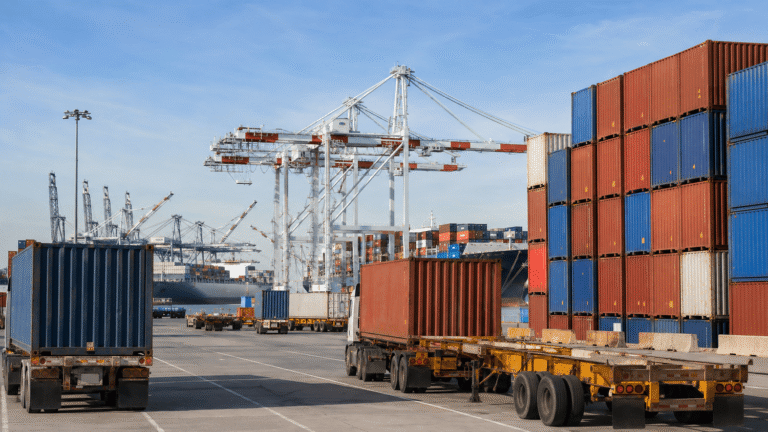
Which 3PL Warehouse California Providers Should Brands Importing Through Long Beach Evaluate?
A 3PL warehouse in California stores, handles, and distributes inventory on behalf of another business. For brands importing through Long Beach, the right provider should do more than offer warehouse space, it should help coordinate containers, control port-related costs, maintain inventory accuracy, and move products into domestic distribution channels. The Port of Long Beach handled […]
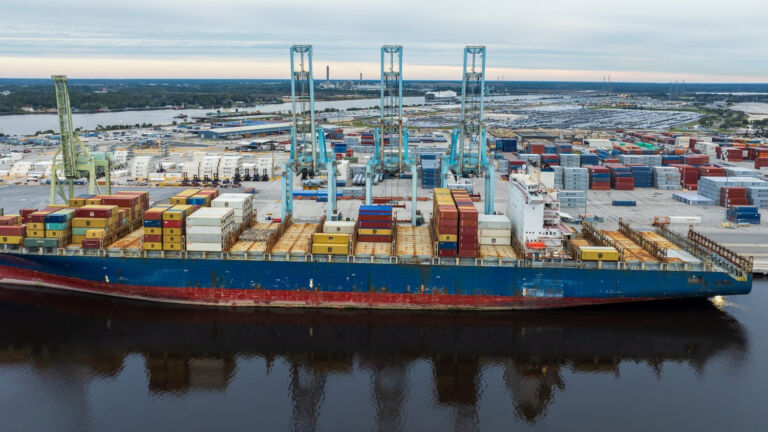
Logistics and 3PL Services in Jacksonville, FL: What Businesses Need to Know
Jacksonville, Florida sits at the westernmost deep‑water port on the U.S. East Coast and at the crossroads of major highways and railways. This strategic location, combined with strong port infrastructure and intermodal connections, has transformed the city into a bustling hub for logistics, shipping and third‑party logistics (3PL) services. Whether you’re a retailer needing overflow storage, a manufacturer shipping raw materials, or […]
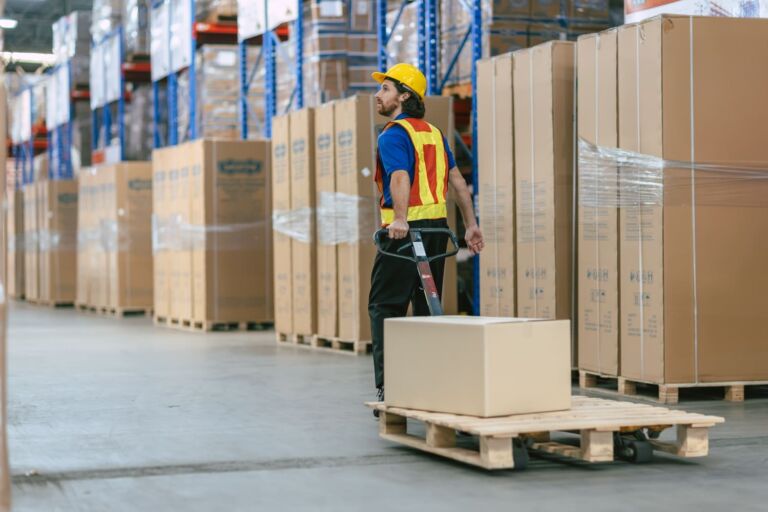
Pallet Storage Cost per Month and Cold Storage Rates: 2026 U.S. Guide
Understanding how much it costs to store a pallet is essential for any business moving goods. Warehousing fees are not one‑size‑fits‑all-rates vary widely depending on location, storage type, volume and the services you need. This 2026 guide explains the latest average pallet storage costs in the United States, highlights why cold storage demands a premium, […]
Ready to streamline your warehousing needs?
Request a quote today and discover how OLIMP's tailored solutions can optimize your operations