Freight Consolidation Services in North America: Top Benefits for Small Businesses
07/16/2025
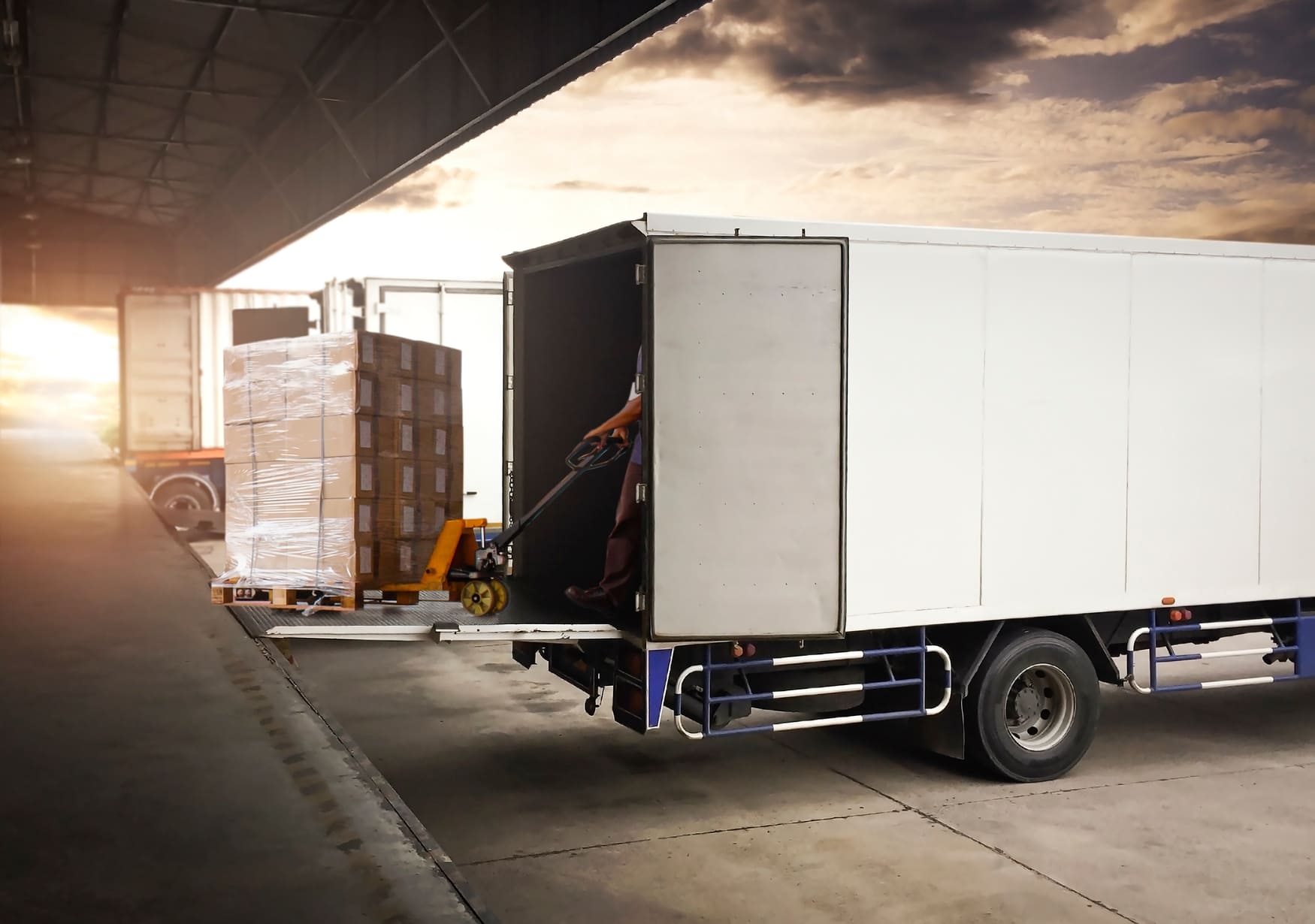
- Definition – Freight consolidation merges several LTL shipments into one FTL or FCL, maximizing trailer or container space and reducing empty miles.
- How it works – Goods from multiple shippers arrive at a consolidation hub, are sorted by destination and loaded together. Upon arrival at a break‑bulk center they’re de‑consolidated and delivered separately.
- Benefits – Lower shipping costs, faster transit, fewer damages, simpler tracking, greener operations and scalable capacity.
- Modes – Consolidation applies to ground (truck or rail), air and ocean freight. Air consolidation combines small air‑cargo shipments; ocean consolidation loads multiple less‑than‑container (LCL) consignments into one FCL; ground consolidation groups LTL shipments into a full truck.
- Who benefits – E‑commerce retailers, manufacturers, importers/exporters and other small‑to‑medium shippers that can’t fill a truck or container on their own.
- When to use – When frequent small orders ship to the same region, consolidation yields volume discounts and reduces administrative work. Dedicated FTL may still be preferable for fragile, urgent or temperature‑sensitive goods.
Freight consolidation means combining multiple small shipments into one larger full truckload (FTL) or full-container load (FCL). Shippers pay only for the space they use, while a consolidator (a 3PL or warehouse partner) groups less‑than‑truckload (LTL) orders heading to the same destination. By using fewer vehicles and maximizing container capacity, businesses lower per‑unit freight costs and cut transit times. Olimp Warehousing offers nationwide freight consolidation services that connect U.S., Canadian and Mexican markets through a network of strategic warehouses.
What is Freight Consolidation?
Freight consolidation (sometimes called consolidated freight shipping or cargo pooling) refers to the practice of combining smaller shipments from multiple shippers into one larger truckload or container. In a typical consolidation hub, warehouse crews unload separate LTL pallets, sort them by destination and reload them into a single FTL trailer or ocean container. Once the consolidated shipment reaches a break‑bulk center, it is unpacked and individual orders are dispatched for final delivery. In essence, freight consolidators or 3PL providers act as the “glue” that fills a truck or container with goods heading the same way.
How freight consolidation works (step‑by‑step)
- Collection: Each shipper books an LTL shipment with the consolidator and dispatches pallets or parcels to the consolidator’s warehouse.
- Receipt & inspection: Staff record each shipment, inspect packaging and confirm quantities. Freight can be repacked or palletized for efficiency.
- Sorting & planning: Consolidation specialists use transportation management software to group shipments by destination and mode (road, air or ocean). They determine the optimal route, carrier and departure time.
- Loading: Goods are loaded into a shared truck, container or air ULD (unit load device) to maximize capacity. Shippers pay only for the cubic feet or weight they occupy.
- Transit & tracking: The consolidated shipment travels as one full load to a regional hub or port. Because there is only one bill of lading and tracking number, supply‑chain visibility improves and administrative work decreases.
- De‑consolidation: At the destination, the load is unpacked, sorted and dispatched to final receivers. 3PLs may provide last‑mile delivery or transfer freight to local carriers.
Types of freight consolidation models
Ground (LTL‑to‑FTL) consolidation
The most common model is combining multiple less‑than‑truckload shipments into one full truck. Consolidation hubs receive LTL freight, sort orders by region and reload them into a single 53‑ft trailer. Shippers benefit from FTL pricing while still paying only for their share of the space.
Container freight consolidation (imports/exports)
International freight consolidators group small less‑than‑container loads (LCL) into a full‑container load (FCL) for ocean transport. This approach avoids paying for multiple partially filled containers and simplifies customs clearance. Once the FCL arrives at a port (for example, Miami), it’s unpacked and redistributed inland.
Air freight consolidation
Air consolidation combines multiple small air‑cargo shipments into a single air freight unit. By using one master airway bill, shippers enjoy lower per‑kilogram rates and faster customs clearance. It’s ideal for high‑value or time‑sensitive goods.
Cross‑dock consolidation
In cross‑dock networks, inbound LTL freight is unloaded, matched with compatible outbound loads and reloaded without long‑term storage. This eliminates warehousing fees and accelerates transit. Cross‑docking is particularly useful when shipments originate from nearby suppliers and head to the same retail or distribution center.
Pool distribution
A single shipper pools goods from multiple stores or suppliers into one load. For example, a national retailer aggregates orders from its Midwest stores and sends them in one truck to a regional hub, where they’re sorted and delivered locally. Pooling reduces LTL fees and provides consistent delivery schedules.
Multimodal consolidation
Consolidation spans road, rail, ocean and air. Companies can combine modes, using rail or ocean for long hauls and trucks for local delivery, to optimize cost and speed. An integrated approach allows shippers to choose the right combination of speed and price for each leg.
Key Benefits of Freight Consolidation
Consolidated freight shipping delivers big advantages to small businesses:
- Lower Costs: Consolidated freight means companies pay for one full truck or container instead of several partially-filled loads. Shippers avoid costs for multiple drivers, trailers, and handling, and benefit from bulk rates. In practice, you pay only for the space your freight actually occupies. Lower shipping costs directly improve margins, and if customers pay freight surcharges, they’ll pay a lower rate as well.
- Faster Transit: Shipping one large consolidated load cuts transit time. Instead of sending three separate LTL deliveries over several days, consolidated freight moves once (directly to a break-bulk point), and the goods arrive together. This means customers get all their items at once, and shippers don’t wait for multiple deliveries. In many cases, a consolidated shipment can reach its destination in a fraction of the time it takes multiple stops.
- Reduced Damage: Fewer loading and unloading events means less handling and less risk of damage. Traditional LTL shipments are loaded and unloaded at many stops, but consolidated freight stays on one truck for most of its journey. Properly palletized consolidated loads are far less likely to be jostled or misplaced, greatly reducing freight claims and inventory shrinkage.
- Easier Tracking: With consolidation, there is only one tracking number and one estimated delivery, instead of one per LTL pallet or box. This makes supply chain visibility and customer updates simpler. Shippers and receivers no longer juggle multiple tracking systems or timelines for a single order. Simplified tracking means less administrative work and fewer phone calls to carriers.
- Customer Satisfaction: Consolidation helps ensure customers get all their items together, on time, and intact. They receive their orders in one delivery and with fewer damages, which builds trust and loyalty. This reliability – fewer missing packages, faster delivery, and less damage – often translates into repeat business and stronger relationships.
- Greener Shipping: Consolidation reduces the number of trucks (or containers) on the road or in the air. Fewer vehicles means lower fuel consumption and CO₂ emissions. This not only cuts costs, but also helps companies meet sustainability goals and corporate “green” commitments by lowering their carbon footprint.
- Streamlined Operations: Consolidated shipments arrive in organized batches, which smooths out dock scheduling. With fewer trucks coming in, warehouse congestion and detention fees drop. Also, a consolidation plan adds consistency to shipping schedules, making it easier to plan labor and inventory. Industry experts note that a consolidation strategy drives order into the shipping schedule and reduces variability.
- Scalability: Small and medium-sized shippers can achieve volume they couldn’t on their own by pooling shipments with others. By combining loads (for example, via a 3PL or warehouse partner), businesses “leverage scale” – they meet weight or volume minimums for full-truck or full-container pricing. Even companies with only a few pallets can lock in bulk rates and better carrier terms through consolidation.
Who Benefits from Consolidated Freight Shipping?
Freight consolidation helps a wide range of companies:
- E-commerce & Retailers: Online stores and chains receiving goods from multiple suppliers can bundle shipments to a central location. Consolidation lets them ship combined orders in one truck, saving money and avoiding multiple small deliveries.
- Manufacturers & Distributors: Producers or wholesalers with regular shipments can send their outputs to customers or branches more efficiently. By pooling loads destined for the same region, they cut per-unit freight costs and eliminate paying for unused trailer space.
- Importers & Exporters: Global trading firms often consolidate overseas cargo into containers, then use consolidation at U.S. ports. Many importers work with international freight consolidators at gateway hubs (like Miami) to combine LCL shipments before inland transport. From there, domestic consolidation services (like Olimp’s North American warehouses) take over, handling the inland distribution of those combined loads.
In short, any business that ships irregularly or in smaller quantities – yet needs the advantages of large-scale trucking – can benefit from consolidated freight shipping. Firms that do not fill entire trailers on their own gain volume discounts, simplified logistics, and more predictable lead times by partnering with consolidation services.
When to use freight consolidation
Use consolidated freight when:
- Multiple small shipments head to the same region: Consolidation is ideal when you have several pallets or cartons bound for a similar destination within the same time frame.
- You need to control costs: If full‑truckload pricing is too expensive for your volume, consolidation provides access to bulk rates without requiring a full trailer.
- Transit times are flexible: While consolidation often reduces total delivery time, there may be additional handling at the hub. If shipments are extremely urgent or fragile, a dedicated FTL or air charter may be preferable.
- You require simplified logistics: Managing one consolidated shipment, rather than juggling multiple LTL bookings, carriers and tracking numbers, streamlines operations and reduces administrative effort.
The role of warehousing in freight consolidation
Consolidation relies on strategic warehouses located near ports, intermodal terminals and major markets. These facilities act as staging hubs where freight is received, stored temporarily, sorted and loaded into consolidated trucks or containers. Olimp Warehousing operates a network of warehouses across the U.S., Canada and Mexico, including a key hub in Miami, a gateway for Latin American imports. With temperature‑controlled, food‑grade and specialized storage options, Olimp can handle diverse cargo and maintain quality until goods are ready for shipment.
How to choose a freight consolidation provider
When evaluating freight consolidation companies, consider:
- Network coverage: Ensure the provider has warehouses and carriers serving your origin and destination regions.
- Expertise: Look for a consolidator experienced in your industry (e.g., food & beverage, solar panels, apparel) and familiar with regulatory requirements.
- Technology: A robust TMS/WMS enables real‑time tracking, digital documentation and analytics.
- Customer service: Transparent communication, proactive updates and flexible scheduling demonstrate reliability.
- Value‑added services: Cross‑docking, pallet reworks, transloading, drayage and long‑term warehousing can complement consolidation.
OLIMP Warehousing: Your Partner in Consolidation
At Olimp Warehousing, we offer smart and efficient freight consolidation services across North America, helping small businesses and import/export companies cut shipping costs, reduce delays, and simplify their supply chains. With a network of strategically located warehouses, Olimp acts as your consolidation hub, receiving shipments from multiple suppliers and combining them into single, cost-effective loads for final delivery.
Whether you’re shipping a few pallets or managing orders from various vendors, our team ensures your freight is stored, grouped, and shipped with precision. Unlike international freight consolidators, Olimp focuses solely on domestic distribution, giving you faster service, regional expertise, and total control over your inland logistics.
With Olimp, you benefit from:
- Nationwide warehouse access across North America
- Reduced per-shipment costs through consolidated freight
- Improved delivery speed and fewer damaged goods
- Full visibility and tracking across every load
- Scalable solutions that grow with your business
Let Olimp Warehousing streamline your freight operations and help you ship smarter
Frequently Asked Questions (FAQ) – OLIMP Warehousing
Q: How does freight consolidation save money?
By spreading shipping costs across multiple shippers and maximizing container/truck usage, it lowers cost per unit, reducing overall freight expenses.
Q: When is it beneficial to consolidate shipments?
Ideal for small-to-medium businesses shipping pallets or boxes to the same region, especially when volumes are too small to justify a full truckload.
Q: Are there any drawbacks of consolidation?
Yes, longer lead times, more complex logistics, and potential delays due to multiple handling and coordination.
Q: What types of freight consolidation exist?
Ground consolidation (LTL to FTL)
Air freight consolidation (combining air cargo into one shipment)
Ocean freight consolidation (LCL into FCL containers)
Q: Who is a freight consolidator?
A company or 3PL that aggregates multiple shipments, organizes them in a warehouse, and handles full-load dispatch to the destination.
Q: How do freight consolidation services work?
They receive smaller shipments, group them by destination, load into consolidated freight, then deconsolidate at the destination hub for final delivery.
Q: Does freight consolidation reduce carbon emissions?
Absolutely, it reduces the number of trucks and containers required, cutting fuel use and CO₂ emissions.
Q: Is freight consolidation suitable for time‑sensitive or fragile goods?
Not always. Fragile, perishable, or temperature-controlled cargo may suffer from extra handling, so sometimes dedicated shipping is safer.
You may be interested in

Full Truckload (FTL) Shipping Services: How It Works, Costs & Use Cases
Full truckload shipping (FTL) is a freight transport mode where one shipper’s cargo occupies an entire truck trailer. In FTL service – also known as FTL trucking or full truckload freight transport – a carrier dedicates a 48′ or 53′ trailer exclusively to one shipment. Unlike less-than-truckload (LTL) shipping (where freight from multiple shippers shares […]
Retail Consolidation Services: The Complete Guide to Cost Savings and OTIF Compliance
Retail consolidation is a logistics strategy that groups multiple small shipments for the same retailer into one larger truckload. Instead of sending many underfilled LTL (less-than-truckload) loads, suppliers pool their goods to form consolidated full truckloads. This approach leverages economies of scale – sharing truck space to one retail center – and dramatically cuts per-unit […]

What Is Transloading? Definition, Services & Facilities Guide
Transloading moves cargo between trucks, trains and ships to cut costs and speed delivery. It means unloading freight from one mode (like a ship’s container) and reloading it onto another (such as a freight train or trailer). This process lets importers and shippers mix modes – using rail or ocean for long hauls and trucks […]
Ready to streamline your warehousing needs?
Request a quote today and discover how OLIMP's tailored solutions can optimize your operations