What Is a Cold Storage Warehouse? Types, Temperatures, and Costs
10/30/2024
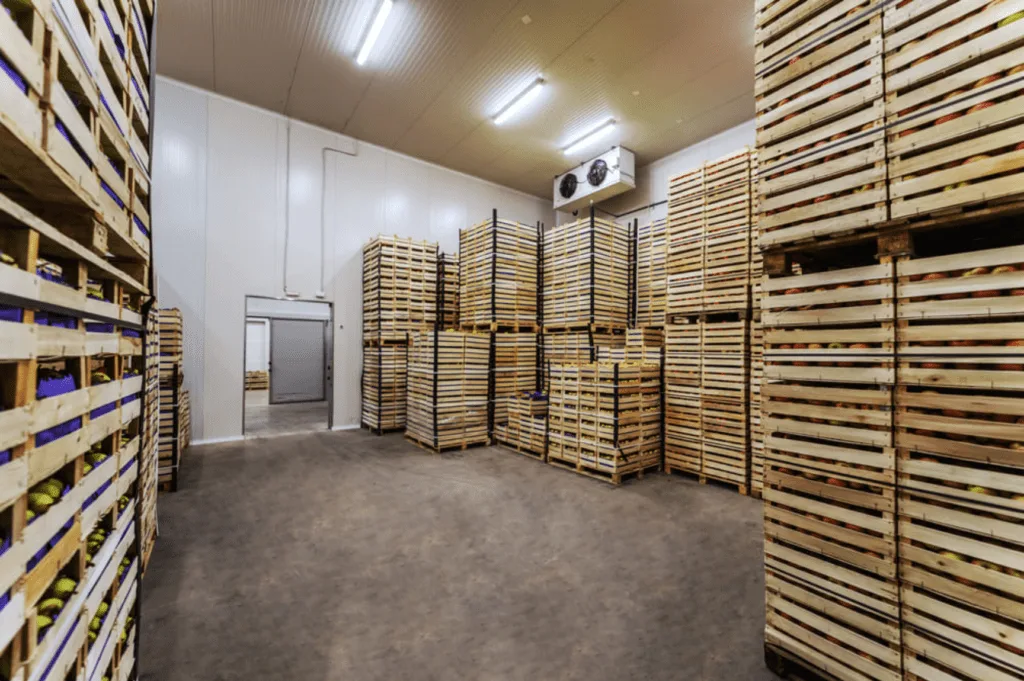
- Refrigerated warehouses keep products chilled; freezer warehouses maintain frozen goods.
- The correct temperature depends on the product. One temperature range cannot cover all food, produce, and pharmaceutical shipments.
- Blast freezing is a separate process for rapidly freezing products before frozen storage.
- Compare storage, handling, minimum charges, and additional services when evaluating quotes.
A cold storage warehouse is a facility that uses refrigeration to keep temperature-sensitive products within a specified temperature range. It provides chilled or frozen storage for goods such as food, pharmaceuticals, and agricultural products, with handling procedures designed to maintain those conditions during receiving, storage, and dispatch.
For shippers, manufacturers, and distributors, choosing a facility means matching its temperature capabilities, handling services, and location to the product’s requirements.
Types of Cold Storage Warehouses
Refrigerated or Chilled Warehouses
A refrigerated warehouse holds products at controlled temperatures that keep them cool without intentionally freezing them. Typical uses include dairy, fresh meat, selected fruits and vegetables, and products specifically labeled for refrigerated storage.
The required conditions depend on the commodity. Products may also need particular humidity levels, airflow, or separation from incompatible goods.
Freezer Warehouses
A freezer warehouse maintains products in a frozen state. Frozen vegetables, meat, seafood, and prepared foods are common examples.
A common frozen-food storage benchmark is 0°F (−18°C) or below, although some products require colder conditions. Freezing does not sterilize food or correct unsafe handling before arrival.
Multi-Temperature and Specialized Facilities
Multi-temperature facilities provide separate rooms or zones for products with different storage requirements. This can help businesses manage chilled and frozen inventory at one location.
Specialized capabilities may include blast freezing, controlled-atmosphere storage for certain produce, or ultra-low-temperature storage for specific pharmaceutical and research products. Confirm each capability with the individual facility.
Cold storage is part of the broader category of temperature-controlled warehousing, which can also include controlled ambient conditions.
Products and Industries Served
Cold storage warehouses serve virtually any industry with perishable or temperature-sensitive goods. Common examples include:
- Food & Beverage: Fresh produce, fruits and vegetables, meat and poultry, seafood, dairy products (milk, cheese, yogurt), frozen foods (ready meals, ice cream, frozen vegetables), beverages. These products rely on cold storage at various stages of the supply chain.
- Pharmaceuticals & Biotech: Vaccines, biologics, blood products, and temperature-sensitive medications must be kept at precise temperatures to remain effective. Many biotech and medical products (like insulin or certain cancer drugs) require refrigerated or even ultra-cold storage.
- Agriculture & Floral: Cut flowers, seeds, and fresh plants use cold storage to preserve freshness during transport. Cold chains in agriculture (e.g., for greenhouse produce) prevent wilting and spoilage.
- Cosmetics & Chemicals: Certain cosmetics, lotions, and chemical reagents can degrade in heat, so manufacturers often store them chilled. High-value goods like fine wines, artwork, or film negatives may also be kept in climate-controlled cold storage to prevent damage.
- Specialty Goods: Items such as fine wines, film negatives, electronics components, or historical documents that can be damaged by heat may be kept in cold warehouses.
- Logistics & Retail: Restaurants, grocery stores, and food-service companies rely on cold warehouses to stock inventory. Food processors, importers/exporters, and e-commerce grocers all use third-party cold storage to manage their supply chains. In essence, any sector dealing with perishables (food, pharma, floral, etc.) depends heavily on cold storage warehousing.
What Temperatures Do Cold Storage Warehouses Maintain?
There is no single correct cold storage temperature. The operating range must match the product specification, its condition on arrival, and applicable handling requirements.
These examples show why a blanket range such as 2–8°C is unsuitable for every shipment:
| Product or storage use | Temperature example | What to verify |
|---|---|---|
| Frozen foods | Common benchmark: 0°F (−18°C) or below | Whether the product requires a colder setpoint |
| Whole iceberg lettuce | Optimum storage temperature: 32°F (0°C) | Humidity, airflow, and exposure to ethylene |
| Green Cavendish bananas | Storage and transport: approximately 56–58°F (13–14°C) | Chilling sensitivity and ripening requirements |
| Vaccines licensed for refrigerated storage | 36–46°F (2–8°C) | Manufacturer instructions and suitable pharmaceutical storage capabilities |
These examples reflect FDA, UC Davis, and CDC guidance. Use them as examples, not interchangeable storage instructions. Confirm the facility’s capabilities against your specific product requirements before booking.
How Does Cold Storage Warehousing Work?
Cold storage combines refrigeration equipment, an insulated building, controlled handling, and inventory records. The refrigeration system removes heat, while insulation and managed door openings help limit heat entering the storage area.
A typical shipment moves through five stages:
- Receiving: Staff check shipment details, packaging, product condition, and required temperature information.
- Putaway: Goods move to a compatible storage zone, with placement that supports airflow and appropriate product separation.
- Monitoring: Temperature records and alerts help staff identify deviations and respond according to agreed procedures.
- Inventory management: Lot numbers, quantities, and expiry dates support traceability and stock rotation. First-expired, first-out (FEFO) can be used where appropriate.
- Dispatch: Staff prepare the shipment and coordinate loading with suitable refrigerated transportation.
A warehouse is one part of the cold chain. Temperature control also matters during transport, staging, and loading.
For freight moving directly between vehicles, cross-docking can reduce storage time. Temperature-sensitive shipments still require suitable dock conditions and controlled transfer times.
Benefits of Cold Storage Warehousing
Using a cold warehouse offers several advantages for businesses handling perishables:
- Extended Shelf Life: Maintaining optimal cold temperatures slows spoilage and bacterial growth, keeping products safe and fresh for longer.
- Reduced Waste and Costs: Less spoilage means lower product losses and more predictable inventory costs over time.
- Regulatory Compliance & Safety: Cold storage helps businesses meet food safety and pharmaceutical regulations by ensuring required handling and storage conditions.
- Flexible Inventory Management: Third-party cold warehouses let companies stock extra seasonal or promotional inventory without expanding their own facilities. Advanced tracking (RFID/barcode) supports first-in/first-out (FIFO) management to minimize waste.
- Integrated Distribution: Many cold storage providers also offer logistics services (cross-docking, consolidation, transportation), streamlining supply chains. Facilities located near transit hubs (highways, ports, airports) reduce delivery times and costs.
- Scalability: Partnering with cold storage companies allows rapid scaling of space to meet demand spikes or market expansion, without the capital expense of building new warehouses.
The Growth and Importance of the Cold Storage Industry
The cold storage sector is no longer just a niche corner of warehousing—it’s now a major force in industrial logistics and real estate. In the U.S. alone, cold storage space covered over 3.6 billion cubic feet in 2017, and the U.S. cold storage market size was valued at USD 135.83 billion by 2033, growing at a CAGR of 13.8% from 2025 to 2033. Key states like California, Washington, and Florida lead in cold storage capacity due to their agricultural and distribution hubs.
Trends Driving Cold Storage Growth
Recent industry trends include:
- Changing Consumer Demand: A shift toward fresh, minimally processed foods and online meal kits is increasing demand for temperature-controlled logistics.
- Population and Global Growth: With the U.S. population expected to increase by more than 20 million by 2026, the demand for food, medication, and refrigerated consumer goods continues to surge—driving the need for expanded cold storage infrastructure.
- Refrigerated Transportation Logistics that maintain proper temperatures throughout shipping
- E-Commerce Expansion: Conger Industries observes that “the rise of E-commerce has led to more online shoppers who buy things that require cold storage,” such as groceries and frozen meals.
- Automation & Technology: Warehouses are adopting robots, automated cranes, and IoT monitoring to improve efficiency and accuracy in cold environments.
- Energy Efficiency: Operators invest in green tech (solar, efficient refrigeration, high-performance insulation) to cut energy use and emissions.
- Cold Chain Integration: End-to-end cold logistics solutions (from cold storage to refrigerated trucking) are becoming more common, ensuring product integrity throughout delivery.
- Pharma & Biotech Focus: Ultra-low temperature storage for vaccines and research has grown rapidly, especially following COVID-19, expanding this niche segment of the cold storage market.
Cold Storage Warehouse Requirements: What to Check
Use the following checklist when comparing providers.
Temperature Control and Monitoring
Provide the required storage range, acceptable receiving conditions, and any restrictions on temperature excursions. Ask how the warehouse monitors conditions, checks sensor accuracy, maintains records, and responds to alarms.
Request confirmation that temperature records can be made available when needed.
Refrigeration Reliability and Contingency Plans
Ask about preventive maintenance, equipment redundancy, and the response to a refrigeration failure or power outage. If the facility has backup power, confirm which equipment it supports and how long it can operate.
The plan should identify who contacts you and what happens to affected inventory. Refrigeration inspection and preventive maintenance are central elements of effective warehouse operations.
Product Compatibility and Traceability
For food shipments, confirm suitable food-grade warehousing practices, sanitation, pest control, and product separation.
Check whether the warehouse can manage your lot numbers, expiry dates, stock-rotation rules, and any required product holds. Pharmaceutical products require facilities and procedures appropriate to those products.
Applicable Requirements and Documentation
Ask which registrations, permits, audits, or certifications apply to the facility and your product. Check the scope and validity of any documents provided.
For certain U.S. facilities solely storing refrigerated, unexposed packaged foods, 21 CFR 117.206 addresses temperature controls, monitoring, corrective actions, verification, and records.
FDA registration should not be described as a food-safety certification. FDA does not issue food facility registration certificates.
Location, Capacity, and Handling Services
Confirm available pallet positions, pallet dimensions and weight limits, receiving hours, appointment requirements, and outbound schedules.
If you need blast freezing, labeling, repacking, or refrigerated cross-docking, request written confirmation that the selected location can perform the work under the required conditions.
How Much Does Cold Storage Warehousing Cost?
Cold storage pricing depends on location, temperature requirements, inventory volume, storage duration, and handling activity. There is no single rate that applies to every shipment. Storage and warehouse handling are distinct services, so both should be considered when comparing costs.
Ask for an itemized quote covering:
- Storage: The billing unit, billing period, and treatment of partial periods.
- Inbound and outbound handling: Charges for unloading, putaway, retrieval, and loading.
- Minimum charges: Minimum storage commitments, account fees, or shipment charges.
- Additional work: Blast freezing, labeling, repacking, or other requested services.
- Other fees: Any applicable energy surcharges, after-hours charges, or transportation costs.
Compare the total cost for the same shipment and storage period. A lower storage rate may be offset by higher handling charges or minimums.
For comparable quotes, give every provider the same product description, temperature requirements, pallet details, arrival date, expected storage duration, and handling instructions.
Find Cold Storage Through OLIMP
OLIMP connects businesses with refrigerated and frozen warehouse partners across the United States, Canada, and Mexico. Its network can help businesses find capacity for short-term overflow or ongoing storage needs.
Share your location, product type, required temperature, pallet count, and expected storage dates so the team can identify suitable cold storage and frozen warehousing options.
Temperature capabilities, availability, and additional services vary by facility and should be confirmed for your shipment. Request a cold storage quote to discuss your requirements..
Frequently Asked Questions (FAQ) – OLIMP Warehousing
Q: What Is the Difference Between Cold Storage and Temperature-Controlled Warehousing?
Cold storage uses refrigeration to maintain chilled or frozen conditions. Temperature-controlled warehousing is a broader term that can also include controlled ambient storage. Choose the facility according to the product’s required temperature range, humidity needs, and handling conditions.
Q: What Is a Public Refrigerated Warehouse, and How Does It Differ From Dedicated Storage?
A public refrigerated warehouse provides storage and handling services to multiple businesses. Dedicated storage reserves agreed space or an operation for one customer. Public warehousing can suit changing volumes, while dedicated arrangements may suit predictable demand or specialized operating requirements.
Q: What Is the Difference Between Blast Freezing and Standard Frozen Storage?
Blast freezing rapidly removes heat to freeze products. Standard frozen storage maintains goods that are already frozen. If a product arrives unfrozen and needs freezing, confirm the facility’s freezing capacity, process, timing, and charges before booking.
Q: How Much Does It Cost to Store a Pallet in a Cold Storage Warehouse?
The cost depends on the temperature zone, location, pallet size, storage period, and handling services. Request a quote that separates storage from receiving, dispatch, minimum charges, and additional work. A storage-only rate will not show the full shipment cost.
Q: Can I Use Cold Storage for a Short-Term Shipment?
Short-term arrangements may be available for overflow, seasonal inventory, or delivery delays. Availability depends on the facility, commodity, temperature requirements, and receiving schedule. Confirm minimum charges and booking requirements even if you only need storage for a few days.
Q: Can a Freezer Warehouse Handle Labeling, Repacking, or Kitting?
Some facilities offer these services, but capabilities vary by location and product. Confirm the approved work area, labor availability, temperature controls, packaging requirements, and any restrictions before scheduling the work.
Q: What Information Do I Need to Book Cold Storage Quickly?
Prepare the product description, required temperature, arrival condition, pallet count, dimensions, weight, arrival date, and expected release date. Include lot or expiry-tracking requirements, special handling, documentation needs, and whether the goods need chilling or freezing before storage.
You may be interested in

Complete Guide to Dry Warehouse Storage and Dry Goods Shipping (2025 Update)
In today’s fast‑moving supply chains, ambient storage plays an essential role in keeping non‑perishable products safe, organized and ready for distribution. Dry warehouse storage refers to facilities that keep goods at room temperature and protect them from moisture, pests and contamination. Unlike cold storage, which relies on refrigeration or freezing, dry warehouses provide clean, climate‑stable […]
Public Warehouse: A Comprehensive Guide
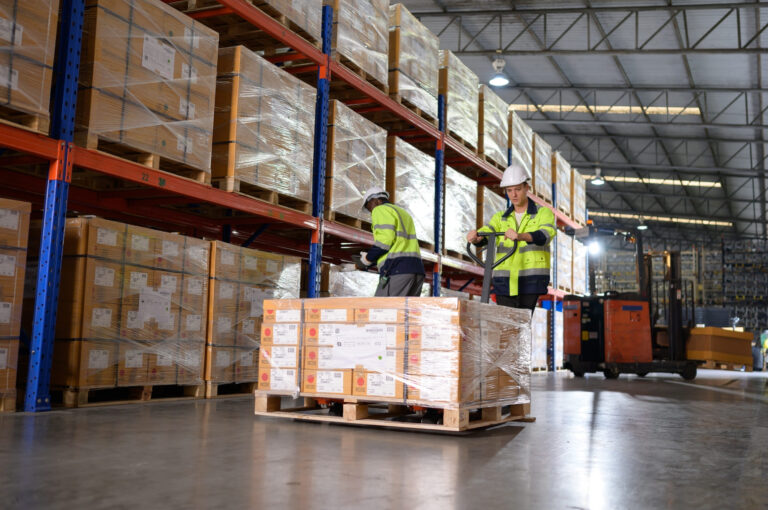
Public warehouses are third-party storage facilities where multiple companies can rent space and services on a flexible basis. In other words, a public warehouse (or public warehousing facility) is a large, multi-client warehouse owned by an independent provider, not by a single company. Businesses facing seasonal surges or fluctuating inventory needs often use public warehousing […]

Shared Warehouse Space: What It Is, Who It’s For, and How to Pick One
Shared or co-warehousing spaces let multiple brands fulfill orders under one roof. Instead of leasing an entire warehouse, each client rents only the space and services it needs. Think of it as “coworking for logistics”: each company keeps its own inventory, but shares the facility’s racks, equipment, staff and management systems with others. This split-model […]
Ready to streamline your warehousing needs?
Request a quote today and discover how OLIMP's tailored solutions can optimize your operations