Cold Chain Logistics: Trends, Technology and Best Practices for 2026
05/08/2026
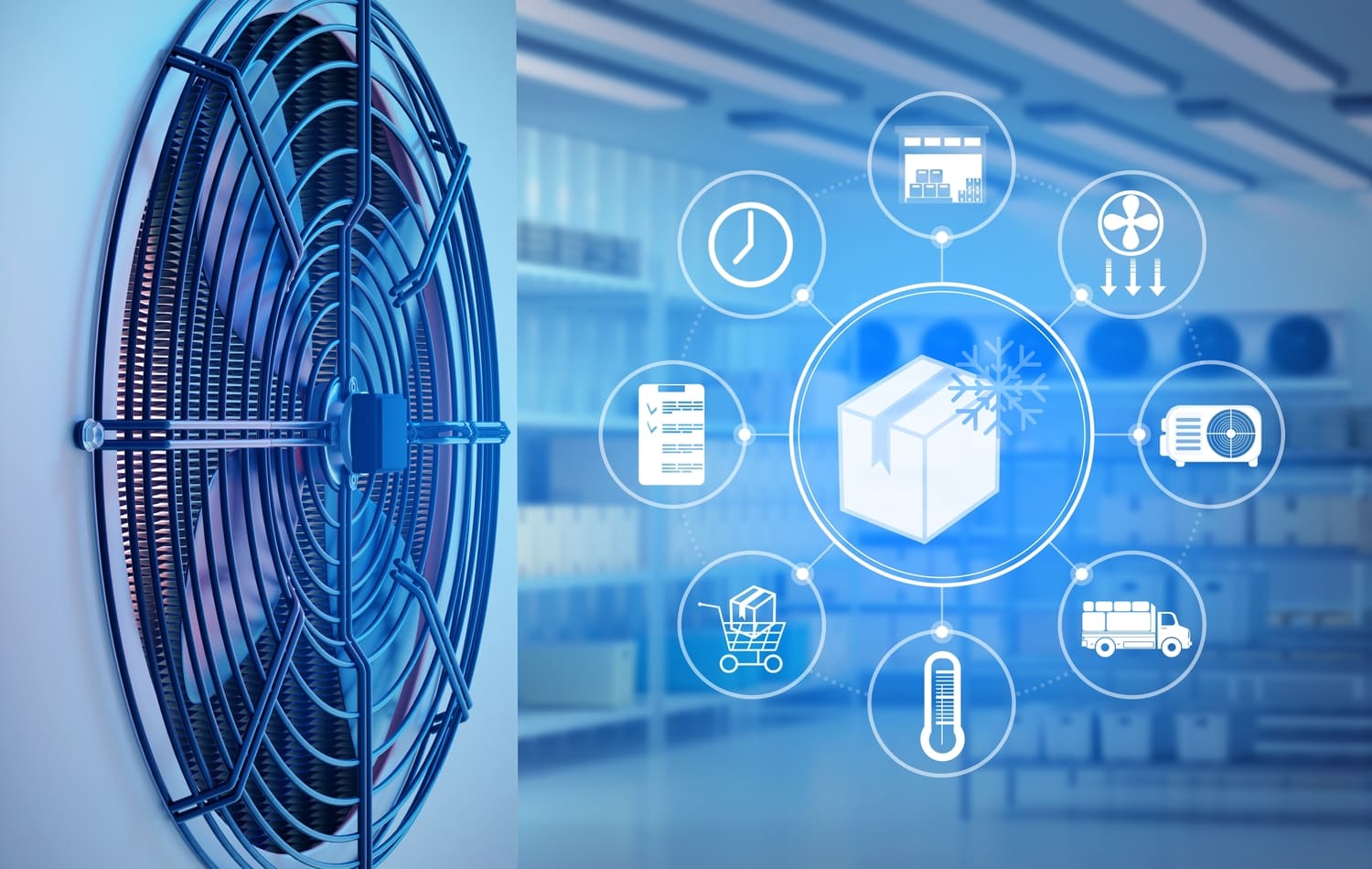
- Cold chain logistics is the coordinated movement of temperature‑sensitive products (foods, pharmaceuticals, biologics) through a supply chain using refrigerated storage, transport and monitoring to prevent spoilage.
- The global cold chain logistics market is booming; reports forecast it will grow from ≈$436 billion in 2025 to over $1.3 trillion by 2034 at a compound annual growth rate (CAGR) above 13 %.
- Growth is driven by e‑commerce, the rising demand for fresh and frozen foods, biologics and vaccines, and strict quality regulations. Sustainability and digital traceability are becoming regulatory requirements.
- Core components include temperature‑controlled warehousing, refrigerated transportation, real‑time monitoring with IoT sensors, and specialized packaging such as gel packs and phase‑change materials.
- Emerging trends include AI‑powered predictive analytics, blockchain‑based traceability, solar‑powered refrigeration, smart packaging and heavy investment in sustainability.
- Challenges include geopolitical disruptions, tariff uncertainty, cybersecurity threats and labour shortages. Resilient network design and workforce training are essential.
Cold chain logistics is the backbone of modern supply chains for food, pharmaceuticals, and other temperature-sensitive products-ensuring goods stay safe, compliant, and high-quality from origin to delivery.
As demand for fresh products, biologics, and fast delivery grows, businesses need smarter, more resilient cold chain logistics solutions. From real-time monitoring and AI-driven optimization to sustainable refrigeration and stricter regulations, the industry is evolving faster than ever.
In this guide, explore what cold chain logistics really means, how it works, and the key trends shaping the future of temperature-controlled supply chains in 2026.
What Is Cold Chain Logistics?
Cold chain logistics, often referred to as the cold chain supply chain, encompasses the storage, handling and transport of products that must stay within specific temperature ranges to preserve quality and safety. It involves a series of processes and equipment to keep perishable goods such as fresh produce, dairy, seafood and pharmaceuticals within their required thermal limits.
Meaning of the Cold Chain
The term cold chain refers to the “chain” of temperature‑controlled environments through which a product moves from production to consumption. Breaking this chain can lead to spoilage, reduced efficacy (as with vaccines) or even health risks for consumers. Temperature ranges vary by product type-for example, fruits typically require 32–41 °F, pharmaceuticals often need 2–8 °C, frozen foods must stay below 0 °F, and dairy products are best kept at 34–38 °F.
Components of a Cold Chain Logistics Service
Well‑managed cold chain logistics services rely on several key components:
- Temperature‑controlled storage: Warehouses and distribution centres maintain precise thermal conditions using refrigeration systems. These facilities can include standard coolers, freezers, ultra‑low freezers (for vaccines or biologics) and cryogenic storage.
- Refrigerated transportation: Products move through refrigerated trucks, containers, rail cars and air cargo units. Advances in insulation and cooling technology help reduce energy consumption and temperature fluctuations.
- Real‑time monitoring: IoT sensors and data loggers track temperature, humidity and location throughout the journey. Real‑time alerts allow corrective action if a temperature excursion occurs.
- Specialized packaging: Gel packs, dry ice, phase‑change materials and thermal liners help maintain required temperatures. Smart packaging with QR codes or NFC tags can record temperature history and support digital traceability.
- Quality assurance protocols: Standard operating procedures and quality management systems (HACCP, Good Distribution Practice) govern handling, loading/unloading and documentation.
Why the Cold Chain Market Is Booming
Several forces are driving rapid growth in cold chain logistics companies and solutions:
- Global food and pharmaceutical demand: Rising incomes and urbanisation are fuelling demand for fresh produce, seafood, dairy and ready‑to‑eat meals. Medical innovations like mRNA vaccines and biologics require ultra‑cold storage, boosting the need for pharma cold chain logistics companies.
- E‑commerce and quick commerce: Online grocery and meal‑kit services promise fast delivery of temperature‑sensitive items. E‑grocery platforms, particularly in the U.S. and Asia, are capturing a growing share of food retail and depend on reliable cold chain logistics.
- Technological innovation: Advances in refrigeration, IoT sensors, artificial intelligence (AI) and blockchain enable real‑time monitoring, predictive maintenance and end‑to‑end traceability. AI‑driven route optimization helps cut fuel consumption and reduce temperature excursions.
- Regulatory pressure: Governments are strengthening food and drug safety rules. The U.S. Food Safety Modernization Act (FSMA) Section 204 requires digital traceability for certain foods; the European Union’s Import Control System 2 mandates electronic pre‑notification of shipments; and Canada and China have similar digital requirements. Compliance pushes companies to adopt digital record‑keeping and improve cold chain transparency.
- Sustainability demands: Environmental regulations and consumer expectations are pressuring logistics providers to reduce greenhouse‑gas emissions. The Kigali Amendment requires phasing out hydrofluorocarbons (HFCs), prompting investment in natural refrigerants and energy‑efficient systems. Solar‑powered cold storage and reusable packaging materials help lower carbon footprints.
These drivers have created a lucrative market. Analysts estimate the global cold chain logistics market will grow from around $436 billion in 2025 to $1.3 trillion by 2034, reflecting a CAGR above 13 %. Growth is particularly strong in Asia‑Pacific and Latin America due to rising middle classes and improved infrastructure.
New Trends Reshaping Cold Chain Logistics in 2026
Industry insiders point to several themes that will define cold chain logistics companies and services in 2026 and beyond.
1. Predictive Analytics and AI
Artificial intelligence is moving from buzzword to practical tool. Predictive analytics uses historical and real‑time data to anticipate demand, plan capacity, and flag equipment failures before they occur. For example, AI‑driven route optimization can adjust delivery schedules to avoid traffic or weather disruptions and reduce the risk of temperature excursions. In maintenance, predictive algorithms help schedule servicing of refrigeration units and thereby lower downtime.
AI is also improving inventory planning. Machine‑learning models can forecast demand spikes for perishable goods or vaccines, helping companies allocate storage space and transport resources efficiently. These capabilities reduce waste and support on‑time deliveries.
2. Digital Traceability and Compliance
Regulators worldwide are mandating more granular traceability. Under FSMA 204 in the U.S., certain foods must be traced through electronic records. The EU’s Import Control System 2 and Canada’s Safe Food for Canadians Regulations require electronic pre‑notification and traceability data. China has implemented digital clearance for food imports.
These regulations are pushing cold chain logistics companies to adopt blockchain and cloud platforms that provide immutable records of a product’s journey. Blockchain technology can link temperature logs, location data and handling records, ensuring transparency and preventing fraud. In the pharmaceutical sector, blockchain enhances security for high‑value biologics, reduces counterfeiting, and supports recall processes.
3. Sustainability and Green Technologies
Environmental concerns are more than marketing; they are becoming a regulatory requirement. New carbon pricing mechanisms (e.g., the EU’s Carbon Border Adjustment Mechanism and Emissions Trading Scheme 2) internalise the cost of emissions, increasing pressure on logistics providers to decarbonise. Countries like Brazil have introduced emissions trading systems and reverse packaging logistics laws.
Cold chain logistics companies are responding by:
- Switching refrigerants: Phasing out high‑global‑warming‑potential (GWP) HFCs in favour of natural refrigerants like CO₂, ammonia or hydrocarbon blends.
- Using renewable energy: Deploying solar panels, micro‑grids and battery storage to power warehouses and refrigeration units.
- Adopting reusable packaging: Designing gel packs and phase‑change materials that can be recovered and reused, reducing single‑use waste. Recyclable and biodegradable insulation materials are increasingly common.
- Optimising transport: Route optimisation, load consolidation and intermodal transport help reduce fuel consumption and carbon emissions. Hybrid or electric refrigerated vehicles are emerging, especially for last‑mile deliveries.
4. Geopolitical Pressures and Supply Chain Resilience
Global events-such as conflicts in the Middle East, disruptions in the Panama Canal, and the lingering effects of pandemic‑era shocks-have underscored the importance of resilient cold chain networks. Tariff volatility requires flexible logistics strategies, nearshoring and diversification of supply bases. Companies are investing in micro‑fulfillment centres close to urban hubs to shorten supply routes and reduce risks.
Nearshoring is particularly relevant for pharmaceuticals and sensitive food products. Regional cold storage hubs and cross‑docking centres in Latin America and Asia allow faster response times and reduce reliance on long‑haul shipping.
5. Cybersecurity and Digital Risk Management
As cold chain logistics systems become more digitised, they become attractive targets for cyberattacks. A report on maritime cyber incidents reveals that over 80 % of incidents originate from hostile state actors or criminal groups. Hackers may target IoT sensors, GPS systems or warehouse management software to disrupt operations or steal sensitive data.
To mitigate these risks, companies are investing in:
- Network segmentation and encryption to protect data streams from sensors and vehicles.
- Multi‑factor authentication and secure protocols for accessing tracking platforms.
- Employee training to identify phishing and social engineering attempts.
- Cyber insurance and incident response planning.
6. Smart Packaging and Sensor Innovations
Packaging is no longer just a box; it’s a data device. Smart packaging integrates sensors that monitor temperature, humidity and tampering. QR codes or near‑field communication (NFC) tags allow shippers and receivers to access a product’s history. In pharma cold chain logistics companies, smart packaging ensures biologics remain within narrow temperature ranges and provides traceability for compliance audits.
The use of portable cryogenic freezers is increasing in biopharmaceutical logistics. These systems maintain ultra‑low temperatures (−80 °C or lower) for mRNA vaccines and gene therapies. Innovations such as solar‑powered portable freezers enable distribution in remote regions with limited grid access.
Challenges and Risk Factors
Despite advances, cold chain logistics services face significant challenges:
- Labour shortages: Warehousing and transport sectors struggle to attract skilled workers. Automated storage and retrieval systems can help but require significant capital.
- Energy costs: Electricity accounts for about 18 % of facility operating costs, and the cold chain industry spends over $30 billion annually on energy. Rising energy prices can erode margins.
- Temperature excursions: Even minor temperature deviations cause large losses, billions of dollars of fresh produce and pharmaceuticals spoil each year due to poor cold chain systems.
- Regulatory compliance: Meeting diverse standards (FSMA, HACCP, ISO 9001/22000, Good Distribution Practice) across multiple jurisdictions is complex and costly.
- Infrastructure gaps in emerging markets: Many developing regions lack reliable refrigeration, transportation or digital connectivity. Portable solar solutions and investment in local infrastructure are bridging these gaps.
How to Choose a Cold Chain Logistics Company or Solution
When selecting a cold chain logistics company or designing a cold chain logistics solution, consider the following factors:
- Experience and industry expertise: Look for providers with demonstrated success in your industry (food, pharmaceuticals, biotech). Pharma cold chain logistics companies must have ultra‑cold capabilities and regulatory knowledge.
- Temperature control infrastructure: Assess the quality of warehouses, refrigerated vehicles and backup systems. Redundant power and monitoring systems reduce risk.
- Digital capabilities: Does the provider offer real‑time tracking, electronic documentation and integration with your IT systems? Digital transparency is critical for compliance and quality.
- Sustainability credentials: Ask about refrigerant choices, renewable energy use and waste‑reduction programs. Sustainable practices reduce costs and future‑proof your operations.
- Geographic reach and resiliency: Evaluate the network’s ability to deliver locally and globally. Consider nearshoring options to mitigate geopolitical and tariff risks.
Conclusion: Building a Resilient Cold Chain
In the era of instant online shopping, personalised medicine and stringent regulations, cold chain logistics has become indispensable. The market’s rapid growth shows that companies view temperature‑controlled logistics not as a cost centre but as a strategic advantage. To thrive, firms must adopt digital tools, embrace sustainability and design resilient networks that can adapt to geopolitical and climatic disruptions.
Looking ahead to 2026 and beyond, the winners will be those who invest in predictive analytics, transparent traceability, green technologies and robust cybersecurity. Whether you’re shipping vaccines to remote clinics or delivering meal kits to city dwellers, the future of cold chain logistics depends on innovation and partnership.
Frequently Asked Questions (FAQ) – OLIMP Warehousing
Q: What is cold chain logistics and why is it important?
Cold chain logistics refers to temperature‑controlled storage and transportation of perishable goods from origin to consumption. It is important because it preserves product quality, prevents spoilage and ensures safety for consumers. Perishable items like dairy, seafood and vaccines can lose efficacy or become unsafe if exposed to improper temperatures.
Q: How do cold chain logistics companies monitor temperature during transit?
Modern cold chain logistics companies use IoT sensors and data loggers to monitor temperature, humidity and location in real time. These devices send alerts if a shipment deviates from its temperature range, enabling corrective action before product spoilage.
Q: What are the biggest challenges facing cold chain logistics in 2026?
Key challenges include labour shortages, high energy costs, temperature excursions leading to product loss, complex regulatory compliance, geopolitical disruptions and cybersecurity threats.
Q: What is the difference between cold chain logistics and a cold chain logistics company?
“Cold chain logistics” refers to the overall process of moving temperature‑sensitive goods, while a “cold chain logistics company” is a business that provides specialised services such as refrigerated warehousing, transport, monitoring and compliance support to clients. Choosing a reliable provider is critical to maintain product quality and meet regulatory requirements.
Q: How does AI improve cold chain logistics?
AI improves cold chain logistics by analysing historical and real‑time data to predict demand, optimize routes, schedule maintenance and detect anomalies. It reduces waste, enhances compliance and helps logistics providers make data‑driven decisions.
You may be interested in
Cold Chain Logistics: Safeguarding Food, Pharma & Electronics
Cold chain logistics refers to the specialized supply chain and warehousing of temperature-sensitive products, from fresh produce and pharmaceuticals to electronics, using refrigeration to prevent spoilage and preserve quality. Temperature-controlled warehousing protects goods from degradation and ensures compliance with strict safety regulations. This sector is booming: the global cold chain market is projected to surge […]
Chemical Warehousing & HAZMAT Storage: Safety, Standards, and Best Practices
Chemical warehouse storing drums of hazardous substances under safety controls. Chemical warehousing (also called hazardous materials or HAZMAT warehousing) refers to specialized storage of chemicals and other dangerous goods under strict safety and regulatory controls. These facilities are designed to prevent accidents by segregating incompatible substances and complying with rigorous safety standards. In North America, […]
Pharmaceutical Cold Chain Logistics: Keeping Medicines Safe, Compliant & Effective
Pharmaceutical cold chain logistics is the temperature‑controlled network that stores and transports medicines, vaccines and biologics within strict ranges (commonly 2–8 °C for most vaccines).It involves refrigerated warehouses, validated packaging, refrigerated transport and real‑time monitoring to prevent degradation, comply with GDP/FDA/WHO regulations, and protect patient safety.Failure to maintain the cold chain can render drugs ineffective; therefore […]
Ready to streamline your warehousing needs?
Request a quote today and discover how OLIMP's tailored solutions can optimize your operations