Shipping Perishable vs Non‑Perishable Products: Complete Guide for 2026
10/31/2025
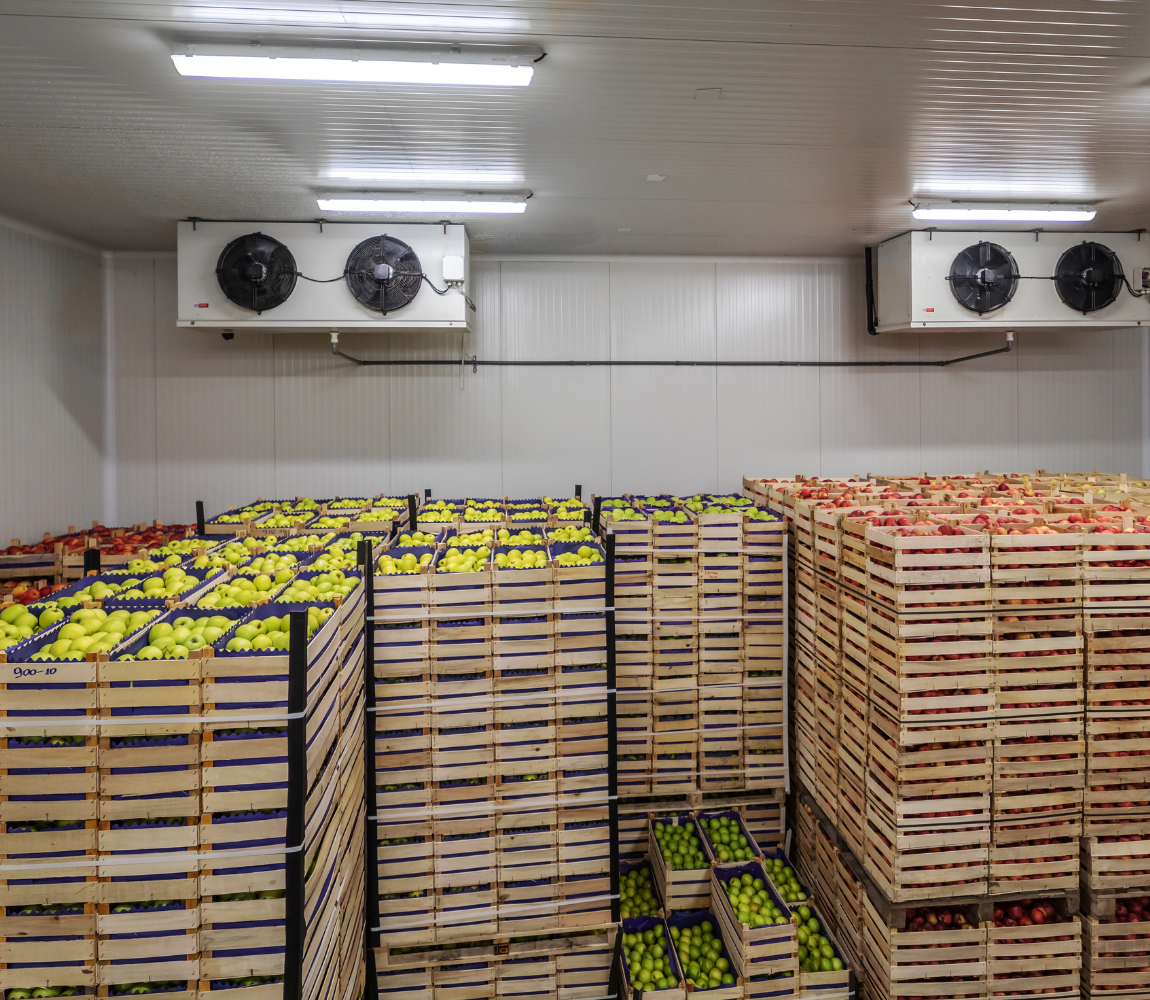
Businesses that ship food, medicine or other goods often handle two very different categories: perishable and non‑perishable products. Perishable items-fresh produce, dairy, meat, seafood, vaccines and cut flowers-spoil quickly and must be kept within a tight temperature and humidity range. Non‑perishables-canned goods, grains, household supplies and electronics-remain stable at room temperature for months or years and tolerate longer transit times. Understanding the differences between these categories is vital for designing effective logistics strategies, complying with regulations and satisfying customers. This guide updates our 2025 article with the latest insights on shipping, storage and sustainability for perishable vs non‑perishable products, reflecting current regulations and technology.
What Are Perishable and Non‑Perishable Goods?
Definitions
- Perishable goods have a limited shelf life and will deteriorate, spoil or become unsafe if not stored, handled or transported correctly. They are highly sensitive to temperature, humidity, light and time; examples include fresh fruits and vegetables, dairy, meat, seafood, cut flowers, pharmaceuticals and certain chemicals. In logistics terms, perishables require cold‑chain infrastructure, continuous monitoring and rapid transit to remain safe.
- Non‑perishable goods (also called shelf‑stable or ambient goods) retain their quality at room temperature for extended periods. Canned foods, grains, dried pasta, bottled water, electronics, cleaning supplies and many household items fall into this category. They can be stored and shipped without specialized refrigeration but still require proper packaging to prevent damage.
| Logistics Factor | Perishable Goods | Non-Perishable Goods | What This Means for Shipping |
|---|---|---|---|
| Handling Priority | Time-sensitive and condition-sensitive. | Less time-sensitive but still requires protection. | Perishable goods need faster receiving, loading, and delivery windows. |
| Warehouse Type | Refrigerated, frozen, chilled, or temperature-controlled storage. | Dry storage or standard ambient warehouse space. | Storage conditions should match the product before freight is booked. |
| Risk During Delays | Spoilage, quality loss, rejected loads, or food safety concerns. | Packaging damage, moisture exposure, or inventory delays. | Perishable freight needs stronger backup planning and faster issue resolution. |
| Packaging Needs | Insulated boxes, gel packs, dry ice, liners, or sealed containers. | Corrugated boxes, pallets, shrink wrap, and moisture-resistant materials. | Packaging should match the temperature requirement, distance, and transit time. |
| Inventory Rotation | FEFO or FIFO is critical because expiration dates are short. | FIFO is recommended, especially for food products with shelf-life limits. | Expiration dates matter more for perishable and nonperishable food inventory. |
| Transportation Method | Reefer trucks, cold chain shipping, or expedited freight. | Dry van, LTL, FTL, parcel, or consolidated freight. | Perishable goods usually cost more because they require controlled conditions. |
| Best Use Case for OLIMP | Short-term cold storage, cross-docking, rejected load support, and temperature-controlled warehousing. | Dry storage, pallet storage, overflow inventory, and consolidated freight support. | OLIMP can help match freight with the right warehouse type based on product requirements. |
Understanding these differences helps companies choose appropriate handling methods and allocate resources effectively. Semi‑perishable goods (e.g., eggs, hard cheeses, dried fruits) fall between these categories, requiring some environmental control but tolerating longer shelf lives.
Storage of Perishable and Non‑Perishable Foods
Perishable Foods Storage
- Temperature control: Most perishables must stay between 0 °C and 5 °C in refrigerated storage; frozen meats or seafood need temperatures below –18 °C.
- Humidity management: Maintain humidity high enough to prevent produce from drying out, but low enough to avoid mould.
- FIFO/FEFO rotation: Use First‑In First‑Out or First‑Expire First‑Out methods to minimize waste.
- Hygiene & traceability: Keep storage areas clean and use personal protective equipment to prevent contamination. Track batch numbers, expiry dates and movements to ensure full traceability.
- Legislative compliance: Follow HACCP and food hygiene regulations.
Non‑Perishable Foods Storage
- Cool, dry environment: Store non‑perishable goods in a dry space to prevent moisture damage.
- Proper shelving: Avoid excessive stacking to prevent packaging damage.
- Inventory management: Use software to track stock levels and rotate products regularly.
- Pest control: Keep storage areas clean and pest‑free to prevent contamination.
Shipping Methods
Different transportation strategies minimize spoilage, damage and cost.
Perishable Goods Logistics
Perishable shipping requires specialized cold‑chain logistics:
- Temperature‑controlled vehicles: Refrigerated trucks, vans or air cargo maintain required temperatures.
- Insulated packaging: Use insulated boxes, gel packs, vacuum sealing or dry ice to maintain temperature. Ice packs work for refrigerated items, while dry ice is suitable for frozen goods.
- Fast transit: Choose expedited shipping-overnight or two‑day-because delays increase spoilage risk
- Continuous monitoring: Use sensors and real‑time tracking to monitor temperature and respond to deviations quickly.
- Trusted carriers: Partner with logistics providers experienced in handling perishable goods to ensure compliance and reliability.
Non‑Perishable Shipping Methods
Non‑perishable products are more tolerant:
- Dry freight shipping: Use standard freight for bulk items such as canned goods, grains or household products.
- Parcel services: For small quantities, standard courier services suffice.
- Consolidated shipments: Group shipments to reduce costs without compromising quality.
- Durable packaging: Use strong cardboard boxes or crates to protect goods during transit.
- Optimized routes: Plan routes that balance speed with cost efficiency, since non‑perishables can withstand longer transit times.
Cold Chain Logistics vs Dry Freight
Cold chain logistics maintain a continuous refrigerated or frozen environment. They are essential for perishable goods like fresh produce, seafood and pharmaceuticals. Cold chain operations involve refrigerated vehicles, specialized warehouses and real‑time temperature monitoring. This infrastructure increases shipping costs, but it preserves product quality.
Dry freight, by contrast, is used for goods that don’t require temperature control. It has lower operational costs and supports bulk distribution. Businesses must choose the appropriate model based on product sensitivity, budget and delivery timelines.
Perishable Shipping Requirements & Regulations
Shipping perishables requires adherence to strict rules:
- Temperature monitoring: Use devices that provide continuous temperature data and alerts.
- HACCP compliance: Follow Hazard Analysis and Critical Control Points guidelines to ensure food safety during storage and transport.
- Timely delivery: Prioritize overnight or same‑day delivery to minimize spoilage.
- Documentation: Provide certificates of origin, inspection and quality assurance for international shipments.
- Packaging & labeling: Choose appropriate insulation and label parcels as “Perishable” or “Keep Refrigerated.” When using dry ice, follow carrier regulations and weight limits.
Leveraging Technology for Efficiency
Modern technology helps both perishable and non‑perishable shipping:
- Automated inventory systems: Track stock, expiry dates and shipment status in real time.
- AI & analytics: Predict demand, optimize routes and reduce spoilage.
- Smart packaging: Sensors embedded in packaging monitor temperature and humidity.
- Integrated logistics platforms: Coordinate warehousing, transportation and delivery to improve efficiency.
- Traceability tools: Use barcodes and software to track perishable goods throughout the supply chain.
Best Practices for Shipping Perishable & Non‑Perishable Goods
Perishable Products
- Invest in cold chain infrastructure and partner with specialized carriers.
- Use insulated, temperature‑controlled packaging.
- Monitor shipment conditions with sensors.
- Optimize routes for speed and efficiency.
- Train staff on handling and storage procedures.
- Choose appropriate insulation materials (Styrofoam boxes, liners or pads) based on product needs.
- Select the right coolant-ice packs for chilled items and dry ice for frozen products.
Non‑Perishable Products
- Use durable, moisture‑resistant packaging.
- Consolidate shipments to cut costs.
- Maintain dry, well‑ventilated storage conditions.
- Employ inventory systems to track stock
- Optimise delivery routes for cost‑efficient shipping.
- Consider eco‑friendly packing materials and minimal packaging to reduce waste.
Sustainability & Cost Optimization
Sustainability is increasingly important in logistics. For perishable shipping, reduce food waste by managing inventory and donating unsold goods. Use reusable or recyclable packaging and energy‑efficient refrigeration. For non‑perishable shipping, consolidate loads and use biodegradable packaging to minimize the carbon footprint. Sustainable practices can lower costs while demonstrating environmental responsibility.
Conclusion
Effective shipping starts with understanding the differences between perishable and non‑perishable products. Perishables demand strict temperature control, rapid delivery and regulatory compliance. Non‑perishables allow greater flexibility but still benefit from careful packaging and efficient logistics. By investing in cold‑chain infrastructure, adopting technology and following best practices, businesses can protect product quality, reduce waste and delight customers.
To streamline your logistics-whether you handle fresh produce or canned goods-partner with OLIMP. Our temperature‑controlled warehousing, cross‑docking and fulfillment solutions help you deliver on time, every time. Request a quote today.
Frequently Asked Questions (FAQ) – OLIMP Warehousing
Q: What is the difference between perishable and non‑perishable food?
Perishable food has a short shelf life and requires refrigeration or freezing; non‑perishable food can be stored at room temperature for months or years without spoiling.
Q: How should I store perishable and non‑perishable foods before shipping?
Store perishables in refrigerated or frozen environments; maintain humidity and follow FIFO/FEFO stock rotation. For non‑perishables, keep products in a cool, dry, well‑ventilated space and use proper shelving to prevent damage.
Q: What are the key requirements for shipping perishable products?
Use insulated packaging with ice packs or dry ice depending on whether items are chilled or frozen. Choose temperature‑controlled vehicles and monitor temperatures continuously. Follow HACCP guidelines, provide necessary documentation and opt for fast shipping to minimize spoilage.
Q: What is cold chain logistics and how does it differ from dry freight?
Cold chain logistics maintains a constant refrigerated or frozen environment during storage and transit. It is essential for temperature‑sensitive goods like pharmaceuticals and fresh produce. Dry freight is used for goods that don’t require temperature control and has lower operational costs.
Q: When should I use ice packs versus dry ice?
Ice packs are suitable for keeping refrigerated goods cold during short shipments. Dry ice is used for frozen items or long‑distance shipping but requires careful handling and labelling due to hazardous‑material regulations.
You may be interested in

Intermodal Shipping: The Smart, Efficient Way to Move Freight
Intermodal shipping refers to moving freight by two or more transportation modes (truck, rail, ship, etc.) using standardized containers. Cargo stays sealed inside its container during transfers, reducing handling and speeding up delivery. This containerized approach cuts costs and transit time for long-distance shipments, making intermodal freight shipping a cost-efficient, secure method to move goods. […]

What Is Transloading? Definition, Services & Facilities Guide
Transloading moves cargo between trucks, trains and ships to cut costs and speed delivery. It means unloading freight from one mode (like a ship’s container) and reloading it onto another (such as a freight train or trailer). This process lets importers and shippers mix modes – using rail or ocean for long hauls and trucks […]

Hidden Logistics Costs in E-Commerce: Surprises and Tips
Online retailers often focus on base shipping rates and warehouse fees, but e-commerce logistics costs include many hidden charges. For example, fuel surcharges and peak-season fees vary with oil prices and demand. Port and handling fees (Terminal Handling Charges) can add $50–$200+ per container. Other fees like detention, last-mile tolls, and currency conversion may quietly […]
Ready to streamline your warehousing needs?
Request a quote today and discover how OLIMP's tailored solutions can optimize your operations