Pick & Pack Warehousing: Complete Guide to Efficient E‑Commerce Fulfillment
11/27/2024
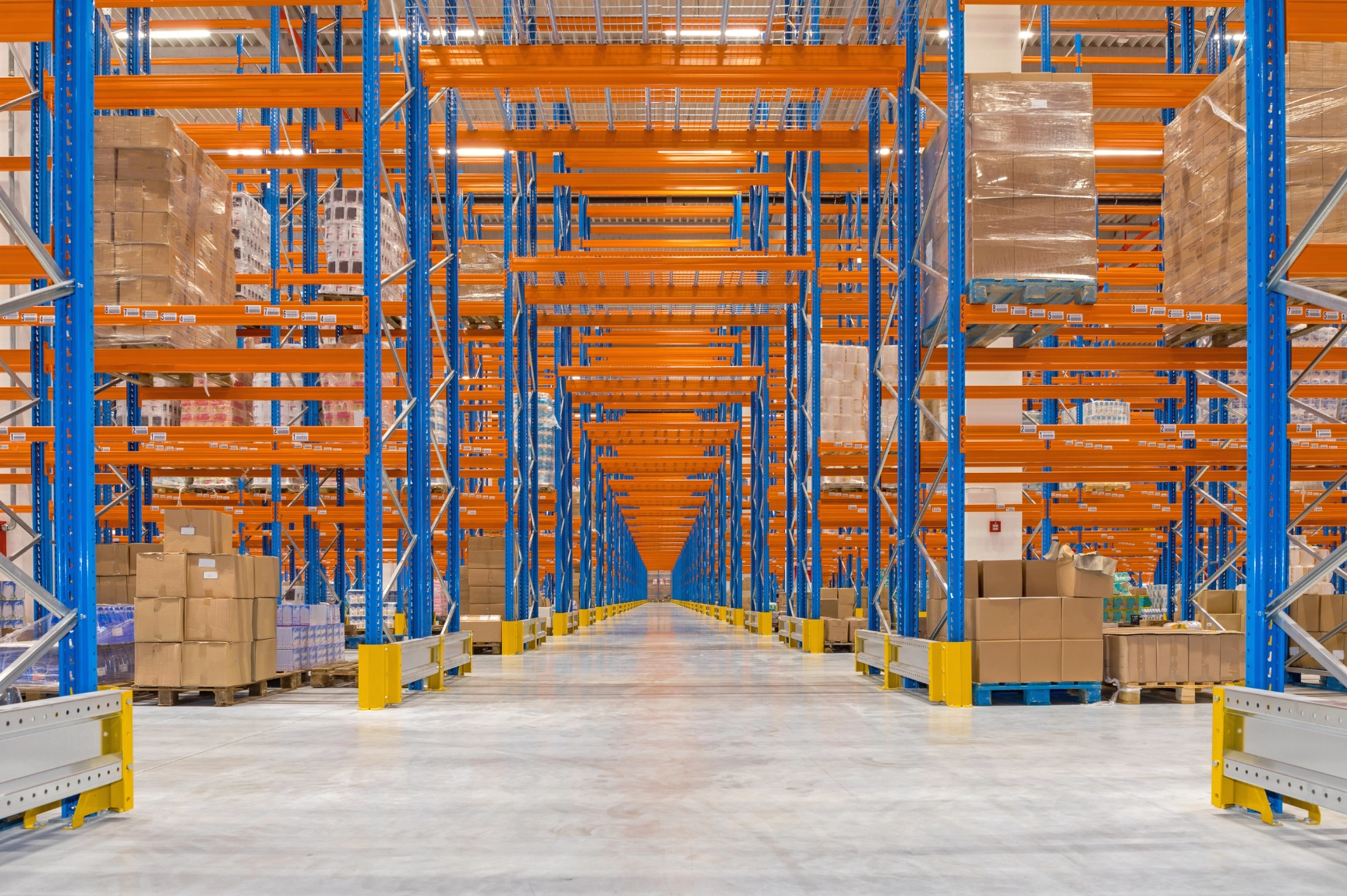
Pick‑and‑pack warehousing is an order‑fulfillment method in which warehouse staff pick specific products from inventory and pack them for shipment. A warehouse management system (WMS) generates a picking list after a customer places an order, guiding workers to collect the right items, choose appropriate packaging materials and prepare parcels for shipping. This process typically follows four stages, order receiving, picking, packing and shipping, and relies on technologies such as WMS, barcode scanners and inventory management software to reduce errors and speed delivery. When properly optimized, pick‑and‑pack fulfillment shortens delivery times, reduces costs and improves accuracy.
What is pick & pack fulfillment?
Pick‑and‑pack fulfillment refers to the process of retrieving ordered items from inventory (picking) and placing them into appropriately sized packaging (packing) before shipping them to the customer. In a warehouse, a WMS or order‑management system creates a picking list once an order is placed. Warehouse staff follow this list to locate products, confirm them with barcode scanners and prepare packages with the proper materials and documentation. Technology like WMS, barcode scanners and inventory management software reduces picking errors and speeds up processing. This method is widely used in e‑commerce because it allows brands to fulfill orders of varying sizes quickly and accurately.
Why it matters for e‑commerce
Online shoppers expect rapid, error‑free delivery. Pick‑and‑pack systems shorten the time between order placement and dispatch, helping sellers compete with large marketplaces. By optimizing labor and packaging materials, businesses lower shipping costs and avoid returns due to incorrect items. Efficient pick‑and‑pack processes also provide real‑time inventory visibility, enabling better demand forecasting and customer updates.
The pick & pack process: four essential steps
Effective pick‑and‑pack warehousing follows a repeatable cycle. Below are the core steps and tips for each stage.
1. Order receiving
When an order arrives, your WMS converts it into a pick list or packing slip with item locations and quantities. Automating this step with integrated e‑commerce and warehouse software ensures orders move quickly into the fulfillment pipeline. Key practices include:
- Immediate data capture: Integrate your online store and marketplace channels so orders appear instantly in the WMS. Assign each order a unique identifier for traceability.
- Prioritization rules: Configure the system to prioritize orders based on shipping method, service level (standard, express, same‑day) or customer status. This ensures high‑priority orders are processed first.
- Real‑time inventory checks: Automated checks prevent stockouts by highlighting insufficient inventory before picking begins.
2. Order picking
Workers use the pick list to retrieve items from storage. Depending on order volume and layout, you can employ different picking strategies:
| Picking strategy | Description & use case |
|---|---|
| Piece picking | A picker completes one order at a time, walking through the warehouse to gather all items. Suitable for small retailers or orders with unique items, such as custom furniture. |
| Batch picking | A picker collects items for multiple orders in one trip, grouping similar SKUs to reduce travel time. Ideal for high volumes of small, similar orders – for example, a cosmetics brand picking multiple shades of lipstick. |
| Zone picking | The warehouse is divided into zones; each picker stays in one zone and picks items for that portion of an order. Orders move between zones via conveyor belts or carts. Suitable for large warehouses or when products require specialized handling (e.g., separating apparel, footwear and equipment). |
| Wave picking | Combines batch and zone picking. Orders are grouped into “waves” based on criteria such as shipping priority or carrier routes; pickers work within their zones but handle multiple orders simultaneously. Effective for high‑volume operations where timing and efficiency are critical. |
Pro tip: Regardless of the method, use barcode or RFID scanning to verify each item. Voice‑directed or light‑guided picking systems can further reduce search time and errors.
3. Order packing
After picking, items move to packing stations. Staff select appropriate boxes and protective materials, include invoices or return slips and seal the package. Smart packing reduces shipping costs by minimizing unused space and dimensional weight. Consider the following packing strategies:
- Kitting: Pre‑assemble frequently purchased sets (e.g., a skincare trio) so pickers can grab a ready‑made kit rather than individual items. This speeds up order processing and simplifies inventory control.
- Cartonization: Use cartonization software to determine the optimal box size and packing arrangement for each order. This minimizes wasted space, reduces void fill and lowers dimensional weight charges.
- Branded packaging: Custom boxes, tissue paper and inserts reinforce your brand and enhance the unboxing experience. Branded packaging can boost perceived value and encourage social sharing.
Include quality control checks at this stage to ensure each box contains the correct items and packaging materials. Photographing packed orders or scanning items before sealing can provide proof in case of disputes.
4. Shipping and hand‑off
Packed orders are labelled, consolidated by destination and loaded onto carrier trucks. Use your WMS to generate labels with barcodes and tracking numbers and to select the most cost‑effective shipping method based on weight, dimensions and destination. Batch packages by carrier and route to minimize handling and expedite dispatch. Provide customers with real‑time tracking to reduce support inquiries.
Pick & Pack Warehouse Services and Solutions
Outsourcing to a specialized pick-and-pack fulfillment center offers e-commerce businesses many advantages. A top fulfillment warehouse makes pick and pack its “bread and butter,” turning around orders quickly with high accuracy. These warehouses provide turnkey services:
- Inventory storage & management: They hold your inventory in a secure warehouses and track stock in real time. Integrated WMS and inventory software ensure products are always visible and reorder points are automated.
- Order processing: Upon each order, the warehouse team handles the entire pick-pack-ship cycle. This often includes kitting (bundling products) and custom labeling. Using proprietary or licensed software, orders are updated in a dashboard that both the warehouse and e-commerce team can view.
- Custom packaging & branding: Many fulfillment centers support white-label or branded packaging. That means your customers see only your brand on the box.
- Distributed fulfillment network: To speed delivery worldwide, leading providers use multiple facilities. They offer pick and pack warehouse services across regions, letting you split stock closer to customers. This reduces shipping costs and transit time.
- Technology integration: Modern centers use automation like barcode scanners, pick-to-light systems, or robotics for picking and packing. They also integrate with e-commerce platforms (Shopify, Amazon, etc.) so orders and inventory sync seamlessly. Many 3PLs even offer free inventory management software and discounted shipping rates as part of their service.
- Scalability and support: As your business grows (or during peak season), a 3PL can quickly scale labor and space. Their expertise in global shipping, customs, and carrier contracts ensures smooth cross-border fulfillment for international customers.
When evaluating providers, look for partners that emphasize speed, accuracy, and customer satisfaction. For example, a good pick and pack warehouse will double-check orders before shipping (quality control) and provide clear tracking to your buyers. These efforts keep buyers happy and reduce return rates.
Benefits of Efficient Pick & Pack Warehousing
Well-optimized pick and pack workflows bring concrete benefits to e-commerce businesses:
- Faster delivery: Streamlined processes mean orders leave the warehouse sooner. Faster shipping translates to happier customers (who increasingly expect same-day or next-day delivery).
- Lower costs: Efficient packing (right-sizing boxes, reducing void space) cuts shipping fees. Group picking or automation reduces labor hours per order.
- Higher accuracy: Systems and checks ensure the right products are sent every time. Fewer mistakes mean fewer returns, saving on re-ship costs.
- Scalability: Using a pick & pack fulfillment center lets you scale inventory and orders without large capital investment in a warehouse or staff. This flexibility supports rapid growth or seasonal spikes.
- Better customer experience: Fast, accurate fulfillment is critical to brand reputation. Customers who get the right item quickly are more likely to be repeat buyers and recommend your store to others.
Operational best practices & real‑world tips
Implement these practices to maximize the efficiency and reliability of your pick‑and‑pack operations:
- Design an efficient layout: Organize your warehouse to minimize walking distance, store high‑velocity SKUs near packing stations and group similar products together. Use clear signage and slotting systems for quick item identification.
- Maintain accurate inventory: Conduct regular cycle counts and reconcile discrepancies immediately. Real‑time inventory accuracy prevents overselling and backorders.
- Cross‑train staff: Train pickers, packers and shipping staff on multiple tasks so you can reassign workers during peak periods.
- Use batch processing wisely: Monitor order profiles and adjust your picking strategy. For example, switch from piece picking to batch or wave picking when order volumes spike to avoid congestion.
- Invest in employee ergonomics: Provide mobile carts, adjustable packing stations and wearable scanners to reduce fatigue and injury. A comfortable team works faster and with fewer errors.
- Implement quality control: Add check points at packing or shipping to catch errors. In high‑volume operations, random sampling or double‑checks can reduce mis‑shipments.
- Leverage data: Analyze pick times, order cycle durations and error rates. Use this data to optimize staffing, reorder points and layout redesigns.
- Plan for peak seasons: Forecast demand and secure temporary labor or additional space ahead of busy periods (e.g., Black Friday). Consider splitting inventory across multiple locations to reduce shipping distances and avoid bottlenecks.
Ready to Streamline Your Fulfillment?
Pick‑and‑pack warehousing is the backbone of modern e‑commerce fulfillment. By standardizing workflows, leveraging smart technology and choosing the right picking and packing strategies, businesses can deliver orders faster and more accurately while controlling costs. Whether you manage fulfillment in‑house or partner with a 3PL, a focus on efficiency and customer experience will set your brand apart. Ready to streamline your operations? Explore Olimp’s warehousing solutions, request a custom quote or read our related guides to elevate your fulfillment strategy.
Frequently Asked Questions (FAQ) – OLIMP Warehousing
Q: What is pick and pack fulfillment?
Pick‑and‑pack fulfillment involves selecting ordered items from inventory and packaging them for shipment. A WMS or order‑management system guides workers through picking and packing steps. The process ensures that individual customer orders are filled accurately and efficiently.
Q: What does pick and pack mean in a warehouse?
In a warehouse, pick‑and‑pack refers to the practice of picking products for each order and packing them for delivery. It contrasts with bulk handling, where entire pallets or cases are shipped to retail stores; pick‑and‑pack operations enable direct‑to‑consumer fulfillment.
Q: When should I outsource pick and pack?
Consider outsourcing when your order volume grows beyond what your in‑house team can handle, or when you want to focus on product development and marketing. Third‑party providers offer scalable labor, technology, and infrastructure.
Q: How much do pick and pack services cost?
Pricing varies by provider and usually includes a per‑order or per‑unit pick fee plus storage and packaging materials. Some providers charge extra for special handling (e.g., hazmat, oversized items) or during peak seasons. Request detailed quotes and check for hidden fees.
Q: What technologies support pick and pack operations?
Key technologies include WMS and inventory management software, barcode and RFID scanners, cartonization algorithms, vertical lift modules and robotics. These tools reduce errors and speed processing.
Q: What are picking strategies and which one is best?
Common strategies include piece picking (one order at a time), batch picking (multiple orders in one trip), zone picking (pickers stay in assigned zones) and wave picking (groups orders into waves). The right strategy depends on order volume, product mix and warehouse layout. Many operations switch strategies as volumes change.
You may be interested in

Amazon FBA vs 3PL: 2026 U.S. Cost Comparison and Guide
A 3PL (third-party logistics) provider is a company you outsource warehousing and fulfillment to, typically covering storage, pick/pack, shipping, and often returns. Fulfillment by Amazon (FBA) is a program where you send inventory into Amazon’s network and Amazon stores it, then picks, packs, ships, and handles customer service and returns, while also enabling fast Prime […]
Backorder vs Out of Stock: Meaning, Differences & Management Strategies
Backorder vs Out of Stock – these two terms can be a source of confusion for consumers and a critical decision point for businesses. If you’ve ever tried to buy something online and seen it listed as “out of stock,” you know the disappointment of not being able to order it. On the other hand, […]

What Is Batch Picking in Warehousing? A Complete Guide to Faster Fulfillment
Speed and accuracy in order fulfillment have become competitive differentiators. E‑commerce customers expect same‑day shipping and error‑free deliveries. Traditional pick‑to‑order methods can be inefficient when volumes rise because pickers walk miles to collect items one order at a time. Two techniques, batch picking and cluster picking, promise to streamline the process by letting a single […]
Ready to streamline your warehousing needs?
Request a quote today and discover how OLIMP's tailored solutions can optimize your operations