Why Mid-Sized Freight Forwarders Are the New Backbone of Agile U.S. Supply Chains
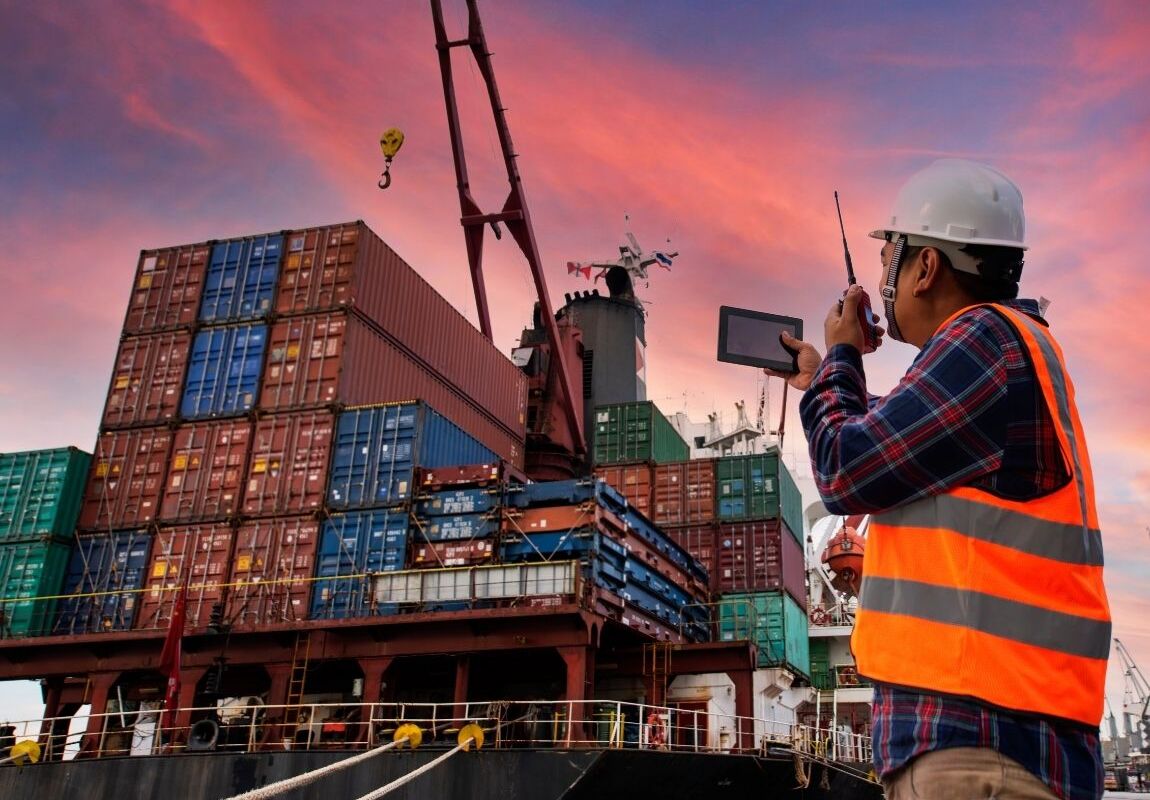
Global supply chains continue to face severe disruptions. Persistent port congestion, container shortages and labor gaps are slowing shipments, while volatile freight rates keep costs unpredictable. In this environment, agility – the ability to reroute, react, and adjust quickly – has become a must-have competitive factor. Mid-sized freight forwarders are emerging as ideal partners because they offer the “sweet spot” of scale plus flexibility: big enough to secure carrier contracts and capacity, yet lean enough to make same-day routing changes without bureaucratic delay. In short, they “combine flexibility with enough scale to make quick network adjustments”, helping U.S. shippers navigate challenges from port bottlenecks to wild rate swings.
The consequences of supply chain disruptions are huge – McKinsey found that disruptions erode 45% of one year’s profits over a decade on average – so choosing agile logistics partners is no longer optional. Mid-sized forwarders play a crucial role by offering the agility large global carriers often lack and the capacity small brokers can’t match. They move fast when problems arise (for example, rerouting cargo around a congested California port in hours rather than days) and leverage modern technology to give shippers proactive visibility. In today’s dynamic U.S. market, speed and flexibility are table stakes – and mid-sized forwarders deliver.
TL;DR – Key Takeaways
- Agility Through Balance: Mid-sized freight forwarders hit the sweet spot between global scale and personal service. They “are agile enough to adapt, big enough to scale, and personal enough to retain client trust”.
- Rapid Response: With streamlined teams and no heavy bureaucracy, they reroute cargo same-day during delays and negotiate multiple carriers for flexibility.
- NVOCC & Visibility: Many operate as NVOCCs, giving shippers stable rates and guaranteed space. They also invest in modern tracking dashboards and alerts so shippers always see their freight.
- Dedicated Service: By assigning small account teams, they build strong customer relationships. These teams know each shipper’s unique needs, which means quicker fixes when problems arise.
- Strategic Partner Role: Beyond execution, they increasingly offer advisory on planning, modes, and compliance, helping shippers mitigate risk and optimize lanes.
In short, mid-sized forwarders combine speed, scale, tech and tailored service – making them ideal agility partners for today’s U.S. supply chains.
What Is a Mid-Sized Freight Forwarder?
A mid-sized freight forwarder sits between global giants and local brokers. Unlike massive one-stop-shop carriers, mid-sized firms have fewer layers of approval. Unlike tiny brokers, they have broader carrier networks and greater buying power. In practice, this means they can negotiate multi-carrier contracts, often operate as licensed NVOCCs (Non-Vessel Operating Common Carriers), and maintain professional teams for air, ocean, customs, and trucking – all without becoming bogged down by corporate bureaucracy. They tend to be regionally strong or industry-specialized, offering personal service and deep lane expertise. In other words, mid-sized forwarders are big enough to influence pricing and secure capacity, yet small enough to make fast decisions – the balance that defines their agility advantage.
Key Capabilities: Mid-sized forwarders often hold multiple carrier contracts (ocean, air, rail, truck) and many have NVOCC licenses. As NVOCCs, they consolidate shipments and issue their own bills of lading, giving them control over space and documentation. These capabilities let them offer competitive, stable rates and guaranteed space – benefits especially valuable for smaller shippers that cannot command space on their own. At the same time, they maintain nimble ops: customer teams and account managers, not faceless call centers. This combination – multi-modal networks plus hands-on service – is what makes mid-size freight forwarders uniquely effective.
Agility: A Core Competitive Advantage
Supply chain agility means the ability to respond instantly to changes – shifting routes, modes, or inventories the moment market conditions change. Studies show that agile supply chains outperform rigid ones in volatile markets. For shippers, agility translates into faster deliveries, fewer disruptions, and happier customers. In the U.S., where ports like Los Angeles/Long Beach and Houston frequently spike into congestion, the ability to “move with the market, not just report on it after the fact” is crucial.
Today’s shippers prioritize agility: they want partners who can pivot on a dime. Shippers in a volatile market…prioritize flexibility and risk mitigation. A massive carrier might have global coverage, but it often can’t switch plans quickly. A tiny broker can pivot, but may run out of capacity or lack systems. Mid-size forwarders are in that sweet middle, leveraging the best of both worlds. In short, agility is no longer optional – it’s a competitive differentiator – and mid-sized forwarders bring it.
The Four Pillars of Agility Enabled by Mid-Sized Forwarders
Mid-sized forwarders enable agility through four key factors:
High Flexibility & Fast Decision-Making
Mid-sized operators can change plans quickly. Unlike global giants with rigid workflows, they don’t need countless approvals to adjust a shipment. For example, if a vessel is stuck at the congested Port of Los Angeles, a mid-sized forwarder can reroute that cargo the same day via a Gulf Coast port or alternate route.
In practice, this means a shipment bound for Long Beach can be diverted to Mobile or Savannah overnight, minimizing delay. These rapid pivots are rare at the top of the market and nearly impossible for very small brokers, making mid-sized players invaluable when disruptions hit.
Multi-Carrier Contracts & NVOCC Advantage
Mid-sized forwarders typically hold contracts with multiple carriers – ocean, air, rail, and trucking – as well as NVOCC licenses. This carrier mix is a huge agility asset. Because they book significant volume, they negotiate bulk space and rates across carriers. As an NVOCC, a mid-sized forwarder can consolidate LCL (Less-than-Container-Load) shipments and issue its own bills of lading, stabilizing prices and guaranteeing capacity even in tight markets. The result: when the usual routes seize up (e.g. a canal strike or port backlog), these forwarders can instantly shift volume to alternate services without incurring massive spot fees. In effect, they make diversified routing and space assurance part of standard service.
This multi-carrier strategy also means rate flexibility. Rather than paying expensive spot rates, mid-sized forwarders spread volume across contracts. NVOCCs and similar players often negotiate more favorable rates by pooling shipments. During market swings, they shield shippers from wild price spikes. In short, mid-size forwarders use their buying power to reduce costs and volatility, a clear strategic advantage for U.S. shippers facing unpredictable rates.
Real-Time Visibility Tools
Mid-sized forwarders invest in modern IT platforms and tracking. They provide shippers with real-time dashboards, milestone alerts, and exception notifications that legacy systems often lack. If a container misses a sail or a delivery hits customs, their systems flag it immediately. Mid-sized firms run modern transport systems with clean dashboards, milestone alerts, and real-time shipment tracking. This technology means shippers always “see” their freight and can make decisions fast. For example, if a delay is detected, a mid-sized forwarder’s dashboard can automatically suggest alternative carriers or routes, turning raw data into actionable plans.
In practice, visibility isn’t just passive tracking. The best mid-sized forwarders use it as a decision-support tool. Automated alerts trigger rapid responses – for instance, instructing warehouse teams to stage cargo for intermodal transfer if a ship is late. The bottom line: these visibility tools enable proactive management of the supply chain, preventing small issues from becoming major disruptions.
Relationship-Driven Service & Speed
Mid-sized forwarders emphasize people and process over paperwork. They typically assign small “pods” or dedicated account managers to each customer, instead of treating orders like anonymous tickets. These teams learn a shipper’s business: preferred lanes, seasonal variations, special documentation needs, even which supplier’s paperwork often gets flagged. When an unexpected problem arises, the shipper doesn’t start explaining its needs from scratch – the account manager already knows the client’s routing logic.
This personalized service speeds solutions. For example, if a new customs rule suddenly affects a U.S.-Mexico lane, a mid-sized forwarder’s team can immediately prepare alternative documentation or suggest a different crossing, because they’ve seen similar issues before. Mid-size forwarders create hands-on approaches that are hard to find in large corporations. The result is faster issue resolution and fewer delays.
Real-World Examples
- Port Reroute: A U.S. electronics shipper once faced a backup at the Port of Oakland during a labor strike. A mid-sized forwarder monitoring schedules quickly redirected the cargo via rail to Seattle, avoiding an extra week at the dock. Because of its multi-carrier contracts and decision-making speed, what could have been a major delay was handled seamlessly.
- Customs Adjustment: When a surprise customs rule tightened import rules on a product line, a mid-sized forwarder’s dedicated account manager alerted the shipper immediately. The forwarder’s team quickly gathered missing paperwork and switched some goods to an alternate classification. The proactive response kept the shipment moving with only minimal delay. (In both cases, the key was pre-built flexibility and close communication.)
How Mid-Sized Forwarders Support Strategic Supply Chain Goals
Mid-sized forwarders do more than execute shipments – they actively support shippers’ long-term objectives:
- Improved Transit Reliability: Faster decision cycles mean fewer disruptions. By rerouting cargo around delays on the fly, they dramatically cut dwell time. This leads to consistently higher on-time delivery rates.
- Cost Reduction & Rate Stability: Through negotiated contracts and NVOCC consolidations, they smooth out spot market volatility. Shippers enjoy lower average rates and fewer emergency surcharges.
- Scalability: These forwarders can flex their services as your business grows. They’ll start with small volumes and seamlessly expand capacity (adding warehouse nodes or new lanes) as needed, without requiring a major system overhaul.
- Advisory Services: Many mid-sized firms now act as strategic advisors. Beyond booking freight, they analyze lane performance and advise on inventory buffers, mode shifts, or risk mitigation. As one industry source notes, they’ll suggest when to add air freight on a late lane or flag which ports are seasonally slower – insights that shape smarter supply chains.
In effect, mid-size forwarders become true supply chain partners: optimizing costs and schedules while helping manage risk and compliance.
Who Benefits Most?
Mid-sized forwarders are especially valuable for:
- SMBs and Growing Companies: Small and mid-size shippers get more personalized service and better rates than they would with giant carriers. A mid-sized forwarder provides more dedicated attention, faster decision-making, and deeper expertise in your specific industry niche, which aligns well with the needs of nimble businesses.
- E-commerce and Time-Sensitive Industries: Companies needing fast, reliable delivery (like fashion, perishables, or tech) benefit from the speed and transparency mid-size forwarders offer. For example, a retail brand can track its flash-sale cargo in real time and trust their forwarder to reroute it on-the-spot if a port congests.
- Industries with Volatile Demand: Firms facing seasonal peaks or erratic demand (e.g. consumer electronics, promotional goods) value agility. Mid-sized forwarders can quickly scale their support up or down and advise on adjusting shipping modes during surges or lulls.
In general, any shipper who needs flexibility without sacrificing expertise, from small importers to mid-market manufacturers, will find mid-size forwarders a great fit.
Future Trends & Opportunities
Looking ahead, mid-size forwarders are investing in new tools and practices:
- Digital Transformation: These forwarders are upgrading to digital platforms and AI. We’re seeing implementations of predictive tracking and automated documentation systems. For example, many now use AI-powered customs processing (automated bill of lading creation, tariff classification, etc.) to speed clearance and reduce errors. Digital freight platforms (with one-click rate comparisons and bookings) are also spreading. The bottom line: technology will make these partners even more transparent and efficient.
- Sustainability: Eco-friendly practices are on the rise. Mid-sized forwarders tend to consolidate shipments to reduce empty runs, digitize paperwork to cut waste, and optimize multi-modal routes for lower emissions. While they may not have massive ESG reports, their operational choices (fewer carbon miles, green fuel partnerships, etc.) are becoming selling points for environmentally conscious shippers.
- Expanded Advisory Roles: As supply chains grow more unpredictable, these forwarders will further become strategic advisors. Expect them to offer enhanced risk modeling and planning tools – advising on issues like inventory buffers, alternative sourcing, and geopolitical routing. In short, their role will extend beyond “just moving freight” to architecting resilient logistics networks.
Key innovations like AI-driven planning and green logistics will cement mid-size forwarders as indispensable to future supply chain strategies.
Conclusion & Next Steps
In today’s fast-paced market, mid-sized freight forwarders offer a powerful blend of speed, scale, technology, and personal service. They enable U.S. companies to be truly agile – quickly rerouting shipments, leveraging NVOCC advantages, and proactively managing risks – without the rigidity of the largest carriers. By choosing a mid-sized forwarder, shippers gain a partner who can both execute their current shipments flawlessly and help steer their logistics strategy forward.
To explore how a mid-sized forwarder can make your supply chain more resilient and responsive, consider reaching out to experienced forwarders with strong U.S. networks. Their expertise and flexibility could be the competitive edge your business needs in an uncertain market.
Frequently Asked Questions (FAQ) – OLIMP Warehousing
Q: What is an NVOCC and why is it beneficial for shippers?
An NVOCC (Non-Vessel Operating Common Carrier) is a forwarder that operates like a carrier without owning ships. It books bulk container space from ocean carriers and issues its own house bills of lading. For shippers, working with a forwarder that is an NVOCC means better rates and space assurance. Because NVOCCs aggregate many customers’ cargo, they often secure bulk-negotiated rates and guaranteed space during peak seasons. They also handle much of the paperwork (bills of lading, manifests, certificates, etc.), simplifying the process and reducing delays.
Q: Are mid-sized freight forwarders more expensive than large ones?
Not necessarily. Because mid-sized forwarders negotiate their own contracts and consolidate cargo, they can often match or beat the rates of larger carriers for similar services. In fact, their ability to stabilize pricing (through NVOCC contracts) and avoid exorbitant spot rates can lower overall costs. Additionally, shippers may save money through fewer delays and penalties thanks to better service. So while costs vary case by case, mid-size firms frequently offer a cost/benefit balance that many shippers find attractive.
You may be interested in

Blockchain in Supply Chain: Enhancing Transparency and Trust
Supply chains are complex networks that span manufacturers, suppliers, logistics providers and retailers. Lack of visibility across these nodes leads to fraud, delays, counterfeiting and mistrust. Blockchain offers a decentralized, immutable ledger that can record every transaction and movement of goods in real time. According to industry analyses, blockchain can increase trust, security and transparency […]
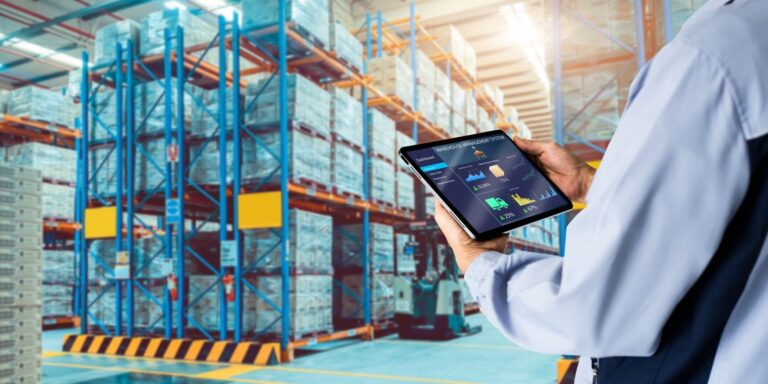
Improve Supply Chain Efficiency with Smarter Warehousing
Efficient supply chain management is essential for any business aiming to remain competitive in today’s fast-paced market. In this article, we will explore how optimizing warehousing plays a crucial role in enhancing supply chain efficiency. From inventory management to technological advancements, we will cover various strategies that can help streamline operations and improve overall performance […]

Finding Reliable Freight Carriers and 3PL Partners: A Down-to-Earth Guide
Struggling to get your products to market on time and on budget? You’re not alone. Small businesses, freight brokers, logistics managers, and e-commerce companies across the U.S. often feel the pain of finding a reliable freight carrier or third-party logistics (3PL) partner. In an industry where trucks move over 70% of U.S. freight , even […]
Ready to streamline your warehousing needs?
Request a quote today and discover how OLIMP's tailored solutions can optimize your operations
