How E‑commerce Is Reshaping U.S. Logistics Real Estate in 2026
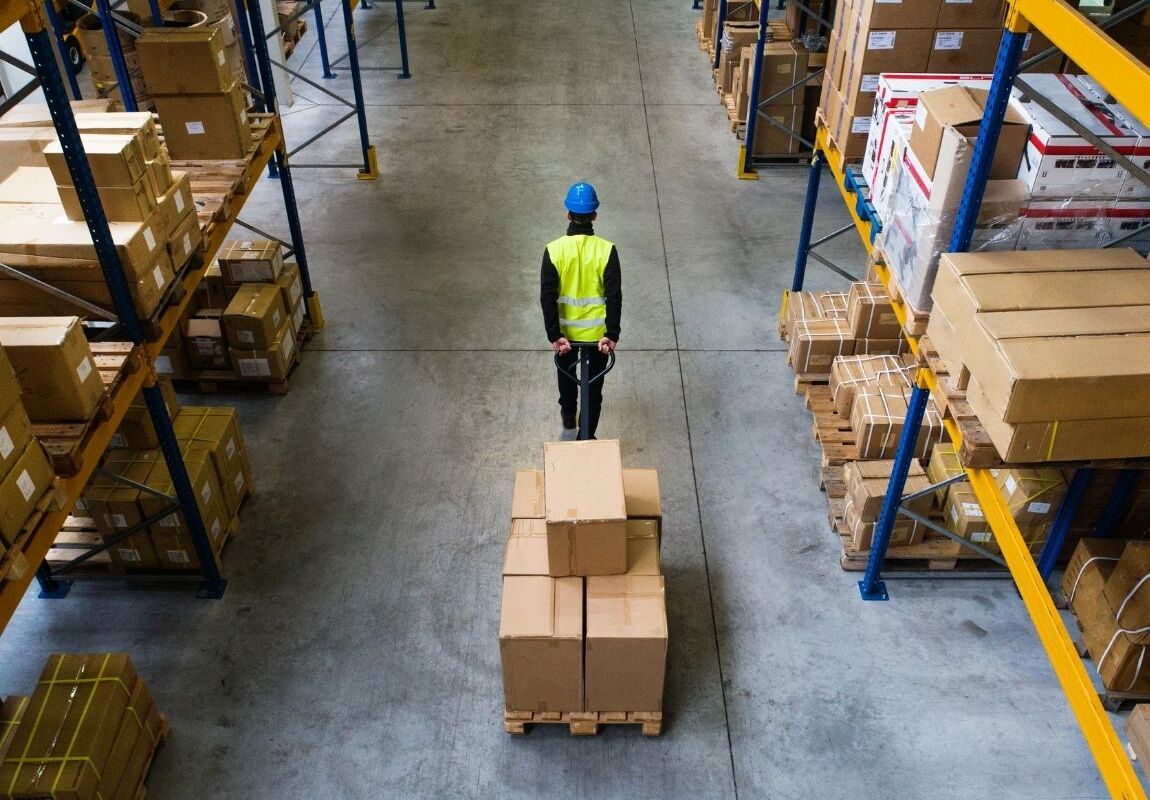
The e‑commerce boom continues to transform how goods move through the U.S. supply chain. As online penetration climbs toward 20 % of global retail sales by 2026, digital retailers and their logistics partners are racing to secure warehouse space. Research by Prologis shows that e‑commerce companies will account for nearly a quarter of all new warehouse leasing in 2026, and each percentage point of market share requires an additional 50-70 million sq ft of logistics space. This article examines how growing e‑commerce demand is reshaping the U.S. logistics real estate landscape, from leasing trends and geographic shifts to property design and investment strategies.
E‑commerce Growth Trends Driving Warehouse Demand
Online retail penetration
- Rising share of retail spending: U.S. e‑commerce penetration has climbed from roughly 24 % of retail goods in 2024 to a projected 30 % by 2030, according to Prologis. Globally, online sales are forecast to reach 19.7 % of retail by 2026.
- Growth and absorption: E‑commerce accounted for 56 % of total retail goods sales growth in 2024 and has maintained a 16 % compound annual growth rate since 2019. For every 1 % increase in e‑commerce share, 50–70 million sq ft of industrial space are absorbed.
Logistics intensity of e‑commerce vs. traditional retail
E‑commerce fulfillment is logistics‑intensive. Prologis research finds that online sales require roughly three times as much distribution space as in‑store retail. The need for additional space is driven by larger inventory assortments, higher return rates, and the requirement to stage goods closer to consumers for rapid delivery. This “space multiplier” means rising online penetration translates directly into higher warehouse demand.
How E‑commerce Leasing Shapes Logistics Real Estate
Proportion of new warehouse leasing
After dominating net absorption during the pandemic, e‑commerce has become a structural force in leasing. Prologis notes that e‑commerce tenants will account for nearly 25 % of new U.S. warehouse leasing in 2026, up from approximately 20 % in 2025. As new deliveries slow and vacancy stabilizes around 7.1 %, competition for modern space is intense. With net absorption projected to reach 200 million sq ft in 2026, landlords prioritise e‑commerce users who can sign long‑term leases and pay premium rents.
Tenant types: beyond the giants
E‑commerce leasing is no longer driven solely by mega‑retailers. Several trends broaden the tenant base:
- Third‑party logistics (3PL) providers: 3PLs, which handle fulfillment for multiple brands, became the largest occupier group in the top 100 industrial leases in early 2025. They accounted for 20 % of all U.S. leases in Q3 2025 and serve as intermediaries for retailers seeking flexibility without massive capital investment.
- Asian 3PL expansion: CBRE reports that Asian‑based logistics firms signed 18 % of new U.S. bulk leases (over 100 k sq ft) in 2024 and concentrated their operations near seaports, especially the Inland Empire.
- Small‑to‑mid‑sized users: With slower big‑box demand, the market is increasingly fueled by tenants leasing 50-150 k sq ft. Urban Land Magazine notes that smaller spaces remain tight and lease quickly, while large facilities can sit vacant for 12–18 months.
Geographic Shifts in Warehouse Demand
Major logistics markets
Traditional logistics hubs remain dominant. Southern California, the New York region and Chicago captured 55 % of e‑commerce leasing in 2024. These regions offer proximity to large consumer bases and established distribution networks. However, rising rents and land constraints are prompting occupiers to diversify.
Emerging and secondary markets
- Near‑shoring and border states: A KPMG survey cited by F. Curtis Barry & Co. found that by 2026 69 % of supply chains serving U.S. customers will be based in the Americas, with Mexico’s share rising to 36 %. This shift is creating demand for cross‑dock and transloading facilities in border states such as Texas, Arizona and California.
- Sunbelt and secondary West Coast: Smaller 3PLs are expanding into markets like Reno, Phoenix and Las Vegas to improve final‑mile coverage. Despite an oversupply of big‑box warehouses in some Sunbelt cities, smaller “last‑mile” facilities under 50 k sq ft remain scarce and lease quickly.
- Manufacturing‑oriented regions: Reshoring and onshoring are driving warehouse demand near manufacturing bases. Hines predicts a 35 % increase in U.S. warehouse demand over the next five years due to reshoring. Growth hotspots include Arizona, Texas, the Southeast and parts of California.
Last‑mile and urban facilities
Consumer expectations for rapid delivery are pushing fulfillment closer to dense populations. A CBRE report cited by Action Advisors suggests that last‑mile delivery demand will represent more than 20 % of total industrial leasing by 2026. These small, urban facilities command premium rents but reduce transportation costs and improve delivery speed.
Changing Warehouse Property Characteristics
Modern specifications
Occupiers increasingly require high‑spec buildings with robust infrastructure:
- Clear heights and capacity: Modern distribution centers demand 32-40 ft clear heights, providing 7-10 % more storage capacity with every extra foot.
- Dock and power requirements: Facilities need one dock door per 5,000-10,000 sq ft of space and sufficient power to support automation and electric vehicles. CRE Daily notes that availability of power and proximity to population centers are becoming key differentiators.
- Infill and tall facilities: E‑commerce giants like Amazon are shifting from mega‑campuses to taller, modern warehouses near customers, trading sheer floor area for vertical space and location.
Flexible and adaptable space
Flexibility is critical for e‑commerce. The rise of on‑demand warehousing platforms allows companies to scale space up or down seasonally without long commitments. Smaller users often sign shorter leases and prioritise multiple dock doors, upgraded power and modern design. The producer price index for warehousing fell 5.1 % in mid‑2025 due to fierce competition among operators despite rising labor costs, suggesting landlords are offering concessions to attract tenants.
Urban and last‑mile fulfillment
Micro‑fulfillment centers, urban infill warehouses and multi‑story facilities are proliferating. They support faster deliveries and reduce transportation costs. Demand for these properties is so strong that spaces under 50 k sq ft maintain vacancy rates below 5 % and can lease in days. These assets often command higher rents because they enable same‑day or next‑day delivery, a critical differentiator for online retailers.
Market Dynamics and Investment Implications
Vacancy, construction and absorption trends
After a pandemic‑driven building boom, the supply pipeline is normalizing:
Construction slowdown: Developers delivered 281 million sq ft of industrial space in 2025, down 35 % from 2024 and the lowest level since 2017. New supply is expected to fall further in 2026, helping vacancies stabilize.
Vacancy rates: National industrial vacancy stabilized around 7.1 % in mid‑2025, close to the long‑term average. Big‑box vacancy has risen into the double digits, while last‑mile and small‑bay facilities remain tight (<5 % vacancy).
Absorption outlook: Prologis forecasts net absorption of about 200 million sq ft in 2026. Each 1 % increase in e‑commerce share could absorb 50-70 million sq ft, implying continued demand as online sales grow.
Rent trends: Average U.S. industrial rents reached $10.18 per sq ft in 2025, up 1.5 % year‑over‑year, but oversupply in some markets is putting downward pressure on rates and prompting concessions.
Investor activity
Institutional investors and REITs remain committed to logistics real estate. CRE Daily reports that logistics, housing and data centers will attract the most capital in 2026. Investors are even converting industrial sites to data centers to capture higher margins. The sector’s long‑term fundamentals-driven by e‑commerce, reshoring and automation-continue to appeal to capital despite short‑term volatility.
Future Outlook: 2027 and Beyond
E‑commerce’s structural impact will reverberate for years. Prologis predicts U.S. online penetration will reach 30 % by 2030, creating 250–350 million sq ft of additional logistics demand. Reshoring efforts could add another 35 % to warehouse demand over the next five years. A KPMG survey suggests that by 2026, 69 % of supply chains serving U.S. customers will be based in the Americas, fuelling growth in border and manufacturing markets. Meanwhile, automation and AI are transforming distribution: over 80 % of supply chain applications will embed AI by 2026, which early adopters use to reduce logistics costs by 15 % and inventory levels by 35 %. These technologies enable micro‑fulfillment centers and smarter inventory management, raising the value of high‑tech, power‑ready facilities.
Conclusion
E‑commerce’s relentless growth is fundamentally transforming U.S. logistics real estate. With global online sales approaching one‑fifth of total retail and e‑commerce requiring triple the warehouse space of store‑based retail, demand for modern, well‑located facilities will remain strong. In 2026, e‑commerce tenants are expected to sign nearly one‑quarter of new warehouse leases, while last‑mile and small‑bay logistics platforms flourish. Geographic diversification toward border states, the Sunbelt and secondary markets is underway, and reshoring is adding further momentum. Investors and occupiers who prioritise flexible, technology‑ready spaces in the right locations will be best positioned to thrive in this evolving landscape.
Frequently Asked Questions (FAQ) – OLIMP Warehousing
Q: How much of new warehouse leasing will e‑commerce account for in 2026?
Research by Prologis forecasts that e‑commerce companies will represent nearly 25 % of all new U.S. warehouse leasing in 2026, rising from roughly 20 % in 2025.
Q: Why does e‑commerce require more warehouse space than traditional retail?
E‑commerce fulfillment needs more space for inventory variety, reverse logistics and rapid delivery. Online sales require about three times as much logistics space as store‑based retail.
Q: Which U.S. regions are seeing the most e‑commerce warehouse demand?
Southern California, the New York region and Chicago captured 55 % of e‑commerce leasing in 2024. However, border states like Texas and Arizona and secondary markets such as Reno, Phoenix and Las Vegas are growing due to near‑shoring and last‑mile needs.
Q: What is “last‑mile” logistics and why is it important?
Last‑mile logistics refers to the final stage of delivery from a distribution center to the consumer. Last‑mile delivery demand will make up more than 20 % of industrial leasing by 2026. Micro‑fulfillment centers and urban warehouses near consumers enable faster shipping and reduce transportation costs.
Q: How does near‑shoring influence U.S. warehouse demand?
By 2026 69 % of supply chains serving U.S. customers will be based in the Americas, with Mexico’s share rising to 36 %. This shift increases demand for cross‑dock and transloading facilities in border states and boosts warehouse requirements in manufacturing hubs across Arizona, Texas and the Southeast.
Q: Are smaller warehouses becoming more popular than mega‑facilities?
Yes. Leasing demand has shifted toward 50-150 k sq ft spaces. Large buildings often sit vacant for months, while small‑bay facilities have vacancy rates under 5 % and fetch premium rents.
Q: How will technology and automation impact logistics real estate?
By 2026, over 80 % of supply chain applications will embed AI and data science. Automation improves productivity, reduces costs and enables micro‑fulfillment centers. Buildings with robust power and digital infrastructure will command higher rents and remain in demand.
You may be interested in
Ecommerce Warehouse: What Is It and How to Find One?
In today’s fast-paced digital marketplace, efficient ecommerce warehousing is pivotal for timely order fulfillment and customer satisfaction. Whether you’re a budding online retailer or an established ecommerce giant, understanding and selecting the right warehousing solution can significantly impact your business’s success. What Is An Ecommerce Warehouse? An ecommerce warehouse is a storage facility that holds […]

Best Ecommerce Shipping Solutions: Choosing the Right Shipping & Logistics Aggregator
Modern shoppers expect fast shipping, real‑time tracking and painless returns. For ecommerce brands juggling multiple carriers and fulfillment centers, meeting those expectations can be overwhelming. Shipping and logistics aggregators solve this problem by connecting your online store to dozens of carriers and automating everything from rate shopping to label printing. When you select the right […]
Hidden Logistics Costs in E-Commerce: Surprises and Tips
Online retailers often focus on base shipping rates and warehouse fees, but e-commerce logistics costs include many hidden charges. For example, fuel surcharges and peak-season fees vary with oil prices and demand. Port and handling fees (Terminal Handling Charges) can add $50–$200+ per container. Other fees like detention, last-mile tolls, and currency conversion may quietly […]
Ready to streamline your warehousing needs?
Request a quote today and discover how OLIMP's tailored solutions can optimize your operations
