Cross‑Dock Warehouse Services: A Comprehensive Guide for U.S. Businesses Quick Win Casino offre une large gamme de jeux de casino, parfaits pour les amateurs de paris en ligne.
Yonibet est réputé pour ses bonus attractifs qui font le bonheur des joueurs réguliers.
Banzai Casino propose une collection impressionnante de machines à sous qui ravira tous les passionnés.
Blitz Casino met à disposition une expérience de jeu en direct, idéale pour parier avec des croupiers en temps réel.
Fatpirate est connu pour ses jackpots progressifs, offrant des gains incroyables à ses joueurs.
Cashwin permet aux joueurs de découvrir des promotions intéressantes pour maximiser leurs mises.
Casinozer se distingue par ses options de paris variées, adaptées à tous les types de joueurs.
Nine Casino est l’endroit idéal pour ceux qui recherchent une expérience de jeu immersive avec des bonus généreux.
Quick Win Casino offre une large gamme de jeux de casino, parfaits pour les amateurs de paris en ligne.
Yonibet est réputé pour ses bonus attractifs qui font le bonheur des joueurs réguliers.
Banzai Casino propose une collection impressionnante de machines à sous qui ravira tous les passionnés.
Blitz Casino met à disposition une expérience de jeu en direct, idéale pour parier avec des croupiers en temps réel.
Fatpirate est connu pour ses jackpots progressifs, offrant des gains incroyables à ses joueurs.
Cashwin permet aux joueurs de découvrir des promotions intéressantes pour maximiser leurs mises.
Casinozer se distingue par ses options de paris variées, adaptées à tous les types de joueurs.
Nine Casino est l’endroit idéal pour ceux qui recherchent une expérience de jeu immersive avec des bonus généreux.
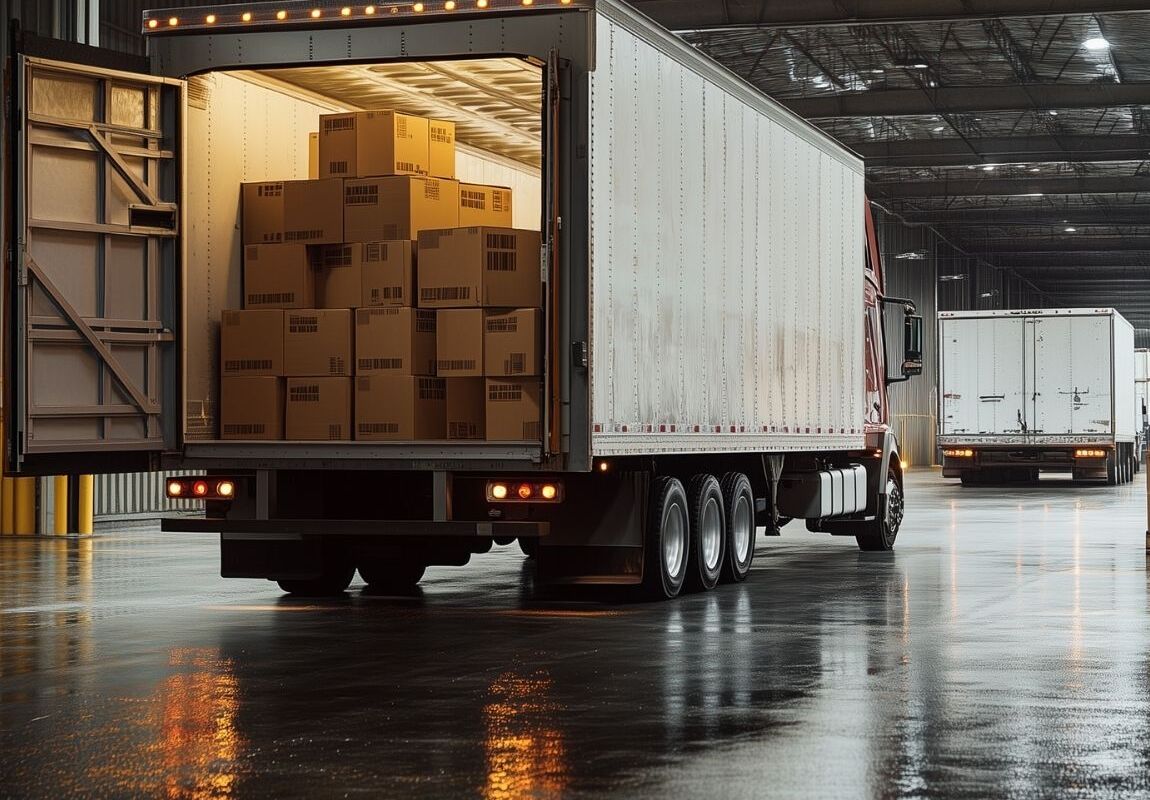
- Definition: Cross‑docking transfers goods from inbound to outbound transport with minimal storage, reducing handling and accelerating delivery.
- Types: Pre‑distribution, post‑distribution, continuous, consolidation and deconsolidation cross‑docking cater to different needs.
- Benefits: Faster shipping, lower storage and labor costs, reduced damage, improved inventory management and lower freight charges.
- Challenges: Requires precise scheduling, real‑time visibility, appropriate product selection and significant upfront investment.
- Best practices: Optimise facility layout, use WMS and automation, train staff, and forecast demand accurately.
- Industries served: Food and beverage, retail, manufacturing, chemicals, pharmaceuticals and ecommerce all leverage cross‑docking for efficiency.
In a market where speed and efficiency define success, more U.S. shippers are turning to cross‑dock warehouse services. Unlike a conventional warehouse, a cross‑dock facility quickly transfers goods from incoming trucks or railcars to outbound vehicles with little or no storage time. This lean model reduces handling, accelerates delivery and helps companies respond faster to demand. This guide explains what cross‑docking is, how it works, its advantages and challenges, and when businesses should use it.
What Is Cross‑Docking?
Basic definition
Cross‑docking is a logistics strategy in which products from suppliers or manufacturers are unloaded from incoming transport, sorted and immediately reloaded onto outbound vehicles headed toward final destinations. The goods “cross the dock” from one truck to another, minimizing or eliminating warehousing time and costs.
How cross‑docking works
- Receiving: Products arrive from suppliers or manufacturers and are checked for quantity and quality. Inbound goods are pre‑sorted based on their destination, product type or delivery schedule.
- Sorting: Warehouse staff or automated systems group goods by route or customer order.
- Transfer to outbound docks: Items are moved directly to outbound trucks and loaded for transport. In many cases, this happens within a few hours, eliminating the need for long‑term storage.
Difference between cross‑docking and warehousing
Traditional warehousing relies on storing inventory for days or weeks. Cross‑docking, by contrast, eliminates the storage phase and focuses on swift transfer of goods from inbound to outbound shipments. This model emphasises speed and reduces handling, which leads to lower inventory carrying costs and faster delivery times.
Types of cross‑docking
Cross‑docking facilities operate under several models to suit different supply chain needs:
- Pre‑distribution cross‑docking: Final destinations are known before products arrive. Goods are pre‑assigned to specific routes and loaded without storage. This method works well when retailers know how much inventory each store needs and helps minimize holding costs.
- Post‑distribution cross‑docking: Destinations are decided after goods arrive. Items may sit briefly in the facility while demand is assessed. This offers flexibility for dynamic demand but requires short‑term storage and coordination.
- Continuous cross‑docking: Goods flow continuously through the facility. Products are unloaded and immediately reloaded, making it ideal for high‑volume, steady‑demand items such as food.
- Consolidation cross‑docking: Multiple small inbound shipments are merged into a full truckload to reduce shipping costs. LTL carriers and freight forwarders often use this method.
- Deconsolidation cross‑docking: Large inbound loads are broken down into smaller shipments for delivery to multiple destinations. This is common in retail distribution and parcel delivery.
Advantages of Cross‑Docking
Faster shipping and receiving
Because products spend little time in storage, cross‑docking drastically shortens lead times. Goods move quickly from suppliers to customers, which is crucial for perishable goods or high‑turnover items.
Reduced inventory and storage costs
By eliminating long‑term storage, businesses save money on warehouse space and related costs, such as climate control and inventory tracking. Cross‑docking also reduces the labor needed for receiving, storing and picking goods.
Lower risk of damage and spoilage
Fewer touchpoints mean less handling, reducing the chance of damage or product loss. Minimizing storage time also helps prevent spoilage for perishable items.
Improved inventory management and efficiency
Real‑time flow of goods allows companies to keep inventory levels lean while replenishing stock quickly. Retailers benefit from better inventory control and faster response to market demand. Suppliers can consolidate shipments or break them down without losing time.
Lower shipping costs
Consolidation and deconsolidation cross‑docking reduce transportation costs by optimizing truckloads and minimizing partial shipments. Businesses can combine loads or split them efficiently, which often leads to lower freight charges.
Challenges and Risks
Synchronization and timing
Cross‑docking depends on precisely timed inbound and outbound schedules. Delays can cause bottlenecks or missed deliveries. Companies must coordinate closely with suppliers, carriers and customers to maintain smooth flow..
High dependence on supply chain visibility
To succeed, cross‑docking requires real‑time visibility of inventory and transportation. Errors in data or poor communication can lead to misplacements or incorrect shipments.
Limited product suitability
Not all products are ideal for cross‑docking. Slow‑moving items, customized products or goods requiring extensive inspection may need conventional warehousing. Cross‑docking is best for high‑volume, perishable or time‑sensitive products.
Up‑front investment and facility design
Building and operating a cross‑dock facility often involves significant investments in technology, automation and employee training. Facilities must be designed with efficient layouts-popular shapes include I, L, T or X configurations-to minimize travel distance and optimize flow. Advanced scheduling tools and warehouse management systems are essential for success.
Best Practices and Facility Design
Optimizing the layout
An efficient cross‑dock facility typically features a layout that minimizes the distance goods travel from receiving to shipping. U‑shaped, I‑shaped, L‑shaped or X‑shaped configurations help maintain a constant flow. Dock doors should be aligned to separate inbound and outbound traffic and reduce congestion.
Real‑time information systems
Implementing a warehouse management system (WMS) with real‑time data improves coordination and reduces errors. Systems should track inbound and outbound shipments, inventory levels and vehicle locations. Automated conveyors and sorting equipment further enhance speed and accuracy.
Employee training and safety
Cross‑docking requires skilled workers who can quickly sort, handle and reload goods while maintaining safety protocols. Investing in training and clear zone separation ensures smooth operations and reduces accidents.
Effective scheduling and forecasting
Precise dock door scheduling and accurate demand forecasting are key to avoiding bottlenecks. Dock scheduling software helps allocate door assignments and coordinate transport arrivals. Accurate forecasting allows companies to arrange carrier capacity and inventory levels, maximizing throughput and minimizing delays.
Cross‑Docking Applications by Industry
Food and beverage
Perishable products require rapid distribution. Cross‑docking allows produce, dairy and frozen goods to reach retailers quickly while preserving quality. The minimal storage time reduces spoilage and food loss, making cross‑docking a vital strategy for grocers and food distributors.
Retail and consumer goods
Retailers use cross‑docking to manage seasonal merchandise and high‑turnover products, reducing inventory carrying costs and speeding up replenishment. By quickly moving goods to stores, retailers can respond to changing demand and avoid overstocking.
Automotive and manufacturing
Manufacturers rely on just‑in‑time delivery of parts. Cross‑docking ensures components arrive exactly when needed, reducing inventory and supporting lean production.
Chemicals and hazardous materials
Cross‑docking minimises storage risks for hazardous materials by transferring goods directly from inbound to outbound transportation. This improves safety and compliance while ensuring efficient deliveries.
Pharmaceuticals and healthcare
Time‑sensitive pharmaceuticals benefit from cross‑docking because it reduces delivery time and keeps products secure. Quick turnarounds help maintain drug efficacy and support supply chain compliance.
Ecommerce and direct‑to‑consumer brands
Ecommerce brands and direct‑to‑consumer retailers often need rapid fulfillment to meet customer expectations. Cross‑docking speeds order processing, supports same‑day or next‑day shipping and integrates seamlessly with third‑party logistics providers.
Conclusion
Cross‑dock warehouse services offer U.S. businesses a powerful way to streamline logistics, reduce costs and meet rising consumer expectations for fast delivery. By transferring goods directly from inbound to outbound transport with minimal storage, companies can shorten lead times, lower labor and inventory costs and reduce the risk of damage or spoilage. While cross‑docking requires careful planning, investment in facility design and technology, and real‑time coordination with suppliers and carriers, the benefits often outweigh the challenges. For many industries-from food and retail to manufacturing and e‑commerce-cross‑docking represents a strategic advantage in a fast‑moving supply chain. Consider evaluating your product mix, demand patterns and existing logistics network to determine whether a cross‑dock warehouse service can accelerate your business growth.
Ready to optimize your supply chain?
If your business needs fast, flexible freight transfers, working with an experienced cross-docking partner can make a significant difference. Platforms like OLIMP Warehousing help connect shippers, carriers, and freight brokers with cross-dock warehouse services across the United States, making it easier to find short-term solutions for pallet transfers, load reworking, and rapid freight redistribution.
Explore cross docking services with OLIMP to quickly locate available warehouse capacity and keep freight moving without delays.
Frequently Asked Questions (FAQ) – OLIMP Warehousing
Q: What is cross‑docking in simple terms?
Cross‑docking is a logistics technique where goods are unloaded from incoming vehicles, sorted and immediately loaded onto outbound vehicles without long‑term storage. This reduces handling, speeds up delivery and lowers storage costs.
Q: How does cross‑docking differ from traditional warehousing?
Traditional warehouses store products for extended periods. Cross‑docking eliminates the storage phase by transferring goods directly from inbound to outbound transport, reducing lead times and storage costs.
Q: When should a business use cross‑docking?
Cross‑docking works best for high‑volume, perishable or time‑sensitive products, as well as products requiring rapid replenishment, such as seasonal retail items or ecommerce orders. It is less suitable for slow‑moving or highly customized products.
Q: What are the main benefits of cross‑dock warehouse services?
Key benefits include faster delivery, reduced inventory and storage costs, lower labor and shipping costs, and lower risk of damage or spoilage. Cross‑docking also improves inventory management and allows businesses to respond quickly to demand.
Q: How are cross‑dock facilities designed?
Facilities often use I, L, T or X‑shaped layouts to minimize travel distance and optimize flow. Effective design includes separate zones for receiving, sorting, staging and shipping, along with dock door optimization and scheduling tools.
Q: What role does technology play in cross‑docking?
Technology is essential. Modern warehouse management systems provide real‑time inventory tracking and automated sorting. Conveyor belts, power pallet jacks and automated sorters reduce manual tasks and speed up order fulfillment.
You may be interested in
Dock-to-Dock Delivery: A Comprehensive Guide
Dock-to-dock delivery means shipping goods straight from one loading dock to another with no intermediate stops. In other words, a shipment is picked up at the origin dock and delivered directly to the destination dock, bypassing extra handling or storage. This direct approach cuts out delays and extra labor – making deliveries faster, cheaper, and […]

What Is Transloading? Definition, Services & Facilities Guide
Transloading moves cargo between trucks, trains and ships to cut costs and speed delivery. It means unloading freight from one mode (like a ship’s container) and reloading it onto another (such as a freight train or trailer). This process lets importers and shippers mix modes – using rail or ocean for long hauls and trucks […]
What Is Warehousing and Distribution? A Complete Guide to Modern Logistics & 3PL Services
Warehousing and distribution are the connected logistics functions that store inventory safely and move it efficiently to retailers, businesses, or end customers to meet service expectations. Why Warehousing & Distribution Matter Warehousing and distribution sit at the center of modern supply chains because they translate “inventory on paper” into products customers can actually receive-accurately, on […]
Ready to streamline your warehousing needs?
Request a quote today and discover how OLIMP's tailored solutions can optimize your operations
