What Does DDP Shipping Mean, and Is It Worth It for Small Importers?
06/26/2026
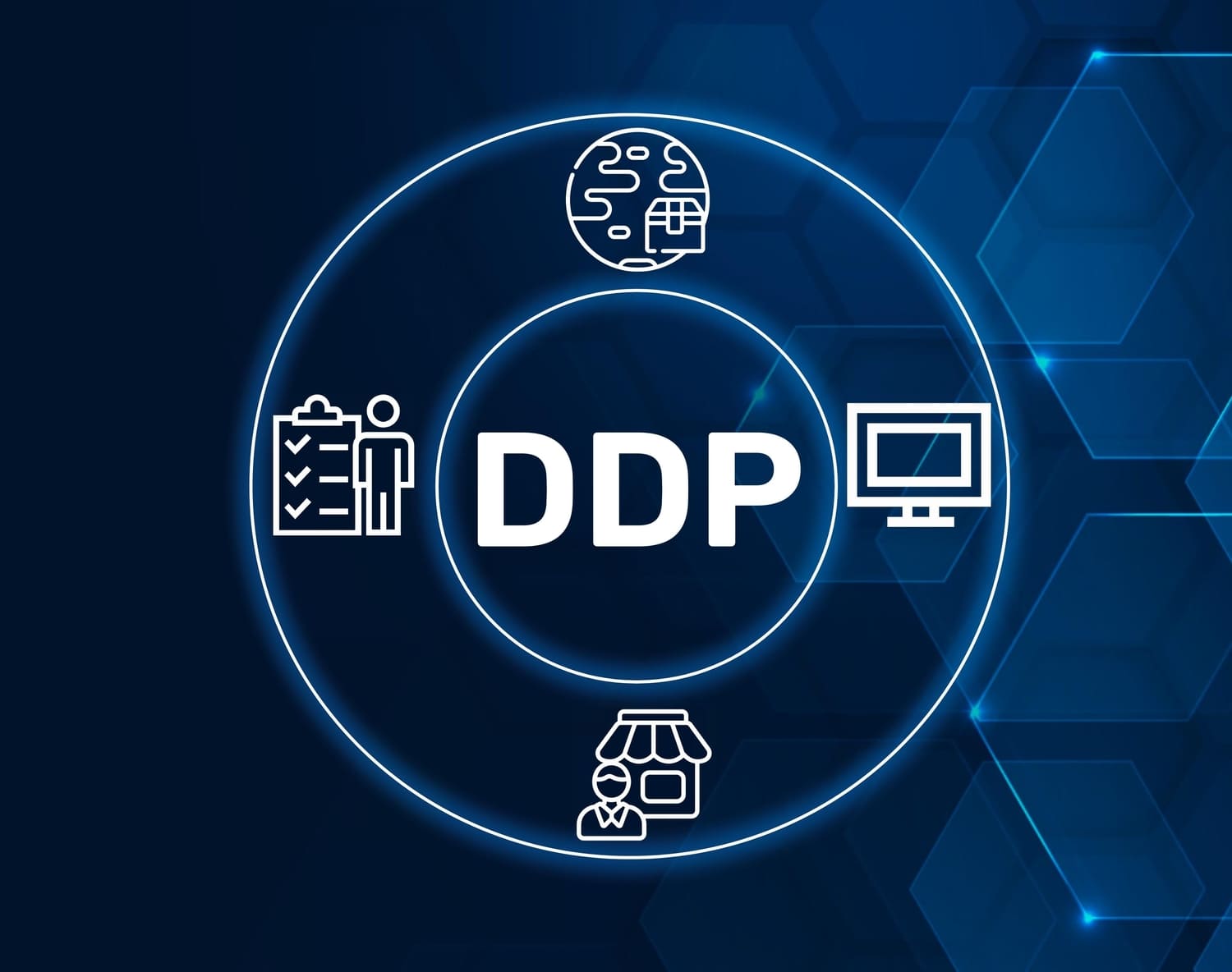
- DDP shipping offers a hassle‑free experience by including all costs and delivery to your doorstep. The seller pays export fees, international freight, import clearance, duties and taxes, and final delivery.
- It’s ideal for small importers who want to save time and avoid customs complexities. Sellers assume responsibility for customs documentation, duty calculations and compliance. Buyers only need to unload the goods and pay the agreed price.
- DDP may cost more upfront, but it reduces risk of unexpected fees and delays. It is often more predictable because all duties, taxes and brokerage charges are included.
- Use DDP selectively. It’s best suited for first‑time or low‑volume importers, e‑commerce shipments or buyers without a customs broker. Larger importers or low‑duty goods may find DAP or FOB cheaper.
- Choose a reliable forwarder to ensure transparency and smooth delivery. Poor documentation or misclassification can still lead to customs delays and additional costs.
For small importers, managing international shipping can feel complicated and costly, especially with customs regulations and surprise fees. That’s where DDP (Delivered Duty Paid) shipping comes in – a term in international trade where the seller delivers goods with all costs paid. In this guide, we’ll explain exactly what DDP shipping means, how it works, and its pros and cons. You’ll learn who pays duties, when DDP makes sense (or not), and how it compares to other Incoterms like DAP.
What Is DDP Shipping?
DDP (Delivered Duty Paid) means the seller covers all shipping costs, import duties and taxes, and delivers goods to the buyer’s location. Under DDP terms, the seller bears maximum responsibility. This includes:
- Export clearance and documentation.
- International freight (ocean, air or land).
- Import clearance, duties, taxes, and VAT paid by the seller.
- Final delivery to the buyer’s specified address.
The buyer’s only tasks are to give the correct delivery location, unload the goods, and pay the agreed price. Because the seller takes on almost all risk and expense, DDP is considered the highest obligation for sellers.
How Does DDP Shipping Work?
- Seller arranges pickup and export. The seller picks up the goods from the factory or supplier and handles export customs.
- International transportation. Goods are shipped via the chosen carrier to the destination country.
- Import clearance and duties. The seller clears customs, files required documents and pays duties and taxes.
- Final delivery. Goods are delivered to the buyer’s warehouse or doorstep. The buyer then unloads and confirms receipt.
Because the seller pre‑pays duties and taxes, DDP can speed up customs clearance and reduce delivery delays. Prepaid duties allow faster processing at borders and eliminate surprises for buyers. However, sellers must calculate duties accurately, mistakes can still cause delays or extra charges.
Advantages of DDP Shipping for Small Importers
1. Hassle‑Free Customer Experience
One of the biggest benefits of DDP is predictable, hassle‑free delivery. All costs, product price, freight, customs duties and taxes, are calculated upfront and included in the quote. This transparency builds trust and reduces cart abandonment, making DDP popular with e‑commerce buyers.
DDP covers shipping expenses, customs formalities and VAT costs, offering buyers a seamless door‑to‑door experience. Buyers don’t need to worry about customs paperwork or surprise invoices at delivery.
2. Predictable Landed Costs
For small importers with limited cash flow, unexpected duties can disrupt budgets. DDP eliminates this uncertainty by bundling freight, estimated duties, brokerage fees and risk premiums into a single, all‑inclusive price. A real‑world example from a forwarder shows that a 500 kg shipment from China to the U.S. costs about US$4,200 using DDP-covering freight, duty, customs brokerage, inland delivery and risk premium.
Although DDP quotes often appear higher than DAP or FOB rates, they reflect the forwarder absorbing duty risk and handling all documentation. For small shipments under 1,000 kg, brokerage fees can make self‑managed imports disproportionately expensive.
3. Simplified Logistics and Compliance
Small importers may lack the expertise or time to manage customs regulations across multiple countries. Under DDP, the seller or forwarder handles export and import documentation, selects carriers and coordinates final‑mile delivery. This reduces the buyer’s administrative burden and lowers the risk of customs errors.
4. Better Market Penetration and Customer Loyalty
DDP can be a competitive differentiator in cross‑border e‑commerce. Removing customs hurdles helps brands enter new markets more quickly and win B2B contracts over local competitors. For platforms like Amazon and eBay, providing landed pricing through DDP is often necessary to maintain seller eligibility.
Drawbacks and Risks of DDP for Small Importers
1. Higher Upfront Costs and Narrower Margins
Because the seller must estimate duties, taxes, brokerage and risk, DDP quotes are typically more expensive than other Incoterms. Sellers may build these expenses into the product price, raising the cost for buyers. Miscalculating duties or facing fluctuating surcharges can erode profit margins.
2. Administrative Complexity for Sellers
Although the buyer enjoys simplicity, DDP places significant administrative burden on sellers. They must understand the customs regulations of each destination, manage classification codes, file accurate paperwork and pay duties. Misclassification or missing documents can lead to customs holds, storage fees or fines.
3. Less Control for Buyers
By handing over all logistics to the seller, buyers relinquish control over carriers, transit times and cost decisions. This arrangement may be uncomfortable for experienced importers who want to manage their own supply chain and negotiate duty rates.
4. Limited Availability and VAT Recovery Challenges
DDP may not be practical in countries with complex or restrictive customs regulations. Some markets require local entities to act as importer of record, making DDP unavailable or subject to additional fees. If the seller fails to register for VAT in the destination country, import VAT becomes unrecoverable, leading to significant cost increases.
DDP vs. DAP and Other Incoterms
To decide whether DDP is worth it, small importers should compare it with other common Incoterms:
| Incoterm | Who Pays Duties & Taxes? | Who Handles Import Clearance? | Best For |
| DDP (Delivered Duty Paid) | Seller | Seller | Hassle‑free, door‑to‑door delivery for buyers, small importers lacking customs expertise |
| DAP (Delivered at Place) | Buyer | Buyer | Buyers who want more control and can handle import clearance |
| FOB (Free On Board) | Buyer | Buyer | Experienced importers who arrange their own shipping and clearance |
Under DAP, the seller transports goods to the destination and makes them ready for unloading, but the buyer completes customs clearance and pays duties. This arrangement offers lower upfront costs but requires the buyer to manage compliance and pay duty upon arrival.
FOB places most responsibility on the buyer: the seller delivers goods to the origin port, and the buyer arranges freight, customs clearance and delivery. This is typically cheapest but demands significant expertise.
When Does DDP Make Sense for Small Importers?
DDP shipping can be a smart choice in the following scenarios:
- First‑time or low‑volume importers. Smaller shipments incur disproportionate brokerage fees when handled independently; DDP bundles these costs and reduces administrative burden.
- E‑commerce deliveries to consumers. Buyers value transparent pricing and no surprise customs bills. DDP improves customer satisfaction and conversion rates.
- Brands without a local entity or customs broker. If you lack in‑house expertise and cannot act as importer of record, DDP ensures compliance and avoids delays.
- Complex products or volatile tariffs. Products with frequently changing tariff codes or regulatory requirements benefit from the risk transfer in DDP.
- Time‑sensitive shipments or high‑value goods. Eliminating customs hurdles can ensure urgent deliveries or premium products arrive without hold‑ups.
When DDP Might Not Be Worth It
DDP isn’t always the best option, for example:
- Large-volume importers with brokers. If you already have a customs broker or in-house team, you can often negotiate lower duty rates or handle paperwork yourself. In that case, DAP or FOB might be cheaper for bulk shipments.
- Low-duty goods or slim margins. When import duties are minimal, paying a third party to prepay them may not be worth the premium. If margins are thin, the extra DDP fee could cut too far into profits.
- Easy VAT recovery. If you or your buyers have local VAT/GST registration, you may recover import taxes under DAP. Under DDP, the seller might lose that VAT credit, increasing overall cost.
- Need for control and flexibility. Importers who prefer to choose carriers, routes, and brokers (for example, to leverage better freight rates or certain warehouses) should avoid DDP, as it cedes those decisions to the seller.
- Use of bonded warehouses: As an alternative strategy, storing goods in a [bonded warehouse] (a customs-controlled storage) can defer duty payments until the goods are released for sale. This can improve cash flow for slow-moving or high-tariff items, letting you pay duties on demand rather than upfront.
Tips for a Smooth DDP Experience
- Work with a trusted shipping partner. Choose a forwarder with experience in your destination market and strong customs expertise.
- Ask for a detailed quotation. Ensure your DDP quote includes freight, duties, taxes, brokerage fees and any risk premiums.
- Stay informed about your shipment. Request tracking updates and confirm when customs clearance is completed.
- Build a long‑term relationship. Working with the same forwarder over multiple shipments can lead to better rates and more reliable service.
Conclusion & Next Steps
DDP shipping can be a powerful tool for small importers who prioritize convenience, predictability and customer experience. By paying all duties upfront and managing customs, the seller eliminates surprises for buyers and often speeds up delivery. For small e-commerce businesses, startups or first-time importers, DDP often provides peace of mind and simpler operations.
However, the premium cost, additional paperwork for the seller, and potential VAT/tax issues mean DDP isn’t always the best choice. Large-volume importers or those with strong customs capabilities may do better with DAP or FOB terms. Ultimately, the right decision depends on your shipment size, product type, profit margins and how much customs involvement you can handle.
To get personalized guidance, consider [requesting a quote] from OLIMP’s network of vetted logistics partners. OLIMP connects you to thousands of warehouses, helping small businesses secure door-to-door shipping solutions (including DDP) with transparent pricing. Our platform can match you with an expert familiar with your destination and product type, ensuring a smoother cross-border delivery.
Frequently Asked Questions (FAQ) – OLIMP Warehousing
Q: What does DDP shipping mean?
DDP stands for Delivered Duty Paid. It means the seller delivers goods to the buyer’s specified location, cleared for import and with all costs and risks paid.
Q: Who pays customs duties in DDP shipping?
The seller pays all customs duties, taxes and brokerage fees under DDP. Buyers are responsible only for unloading the goods and paying the agreed purchase price.
Q: Is DDP shipping more expensive than other options?
DDP quotes often appear higher because they bundle duties, taxes, risk premiums and administrative work. However, for small importers, the convenience and reduced risk may offset the premium.
Q: Is DDP shipping available for all countries?
No. Availability depends on the logistics provider’s network and local regulations. Some countries require the buyer to act as importer of record, limiting DDP options.
Q: How do I choose a reliable DDP shipping provider?
Look for forwarders with positive reviews, transparent pricing, and expertise in your target markets. Ask about their customs clearance capabilities and past experience with similar products.
Q: How does DDP differ from DAP?
With DDP, the seller pays duties and completes customs clearance; the buyer receives delivered goods with nothing more to pay. With DAP (Delivered at Place), the seller only delivers the goods ready for unloading – the buyer then handles customs clearance and duty payment upon arrival. DAP may have a lower upfront cost but shifts the duty risk (and paperwork) to the importer.
Q: Are there countries where DDP isn’t possible?
Yes. In some countries, import laws require a local entity (the buyer) to act as Importer of Record. For example, certain Latin American or Gulf countries mandate local registration to pay duties. In such cases, DDP may not be allowed. Also, some carriers may not offer DDP to specific destinations. Always verify availability with your forwarder or OLIMP before booking.
Q: Does DDP shipping speed up delivery?
Often yes. Because duties and taxes are prepaid, customs can process the shipment faster. There’s usually no hold for payment at delivery, so parcels clear customs with less delay. This can improve on-time arrival rates, especially for time-sensitive or consumer parcels.
You may be interested in
Best Ecommerce Shipping Solutions & Logistics Platforms (2026)
Modern shoppers expect fast shipping, real‑time tracking and painless returns. For ecommerce brands juggling multiple carriers and fulfilment centres, meeting those expectations can be overwhelming. Shipping aggregators and logistics platforms solve this problem by connecting your store to dozens of carriers and automating everything from rate shopping to label printing. In this updated guide for […]
Best D2C Fulfillment Solutions for Branded Shipping 2026
The direct-to-consumer (D2C) landscape is evolving rapidly. Brands are no longer just selling products, they are creating experiences. Today’s consumers expect seamless, fast, and personalized delivery that reflects the brand’s identity. That’s why best D2C fulfillment solutions for branded shipping have become a critical differentiator for 2026. Companies that invest in modern, efficient, and customer-centric […]

Choosing the Right National 3PL for D2C E‑Commerce Fulfillment
Direct‑to‑consumer (D2C) e‑commerce has exploded in recent years. Lockdowns accelerated a decade of growth within just a few months, and consumer expectations for fast, affordable delivery have never been higher. A 2025 survey shows that 74 % of online shoppers expect delivery within two days and 56 % of shoppers aged 18‑34 expect same‑day delivery. In this […]
Ready to streamline your warehousing needs?
Request a quote today and discover how OLIMP's tailored solutions can optimize your operations