Reliable Ecommerce Fulfillment & 3PL Services in California
06/19/2026
- California 3PL and fulfillment services help online businesses store inventory, process orders, pick and pack products, manage returns, and ship goods faster across the West Coast and beyond.
- A reliable 3PL partner offers robust warehouse operations, accurate order fulfillment, flexible storage options, transparent pricing, real-time inventory tracking, and the ability to scale capacity during peak seasons.
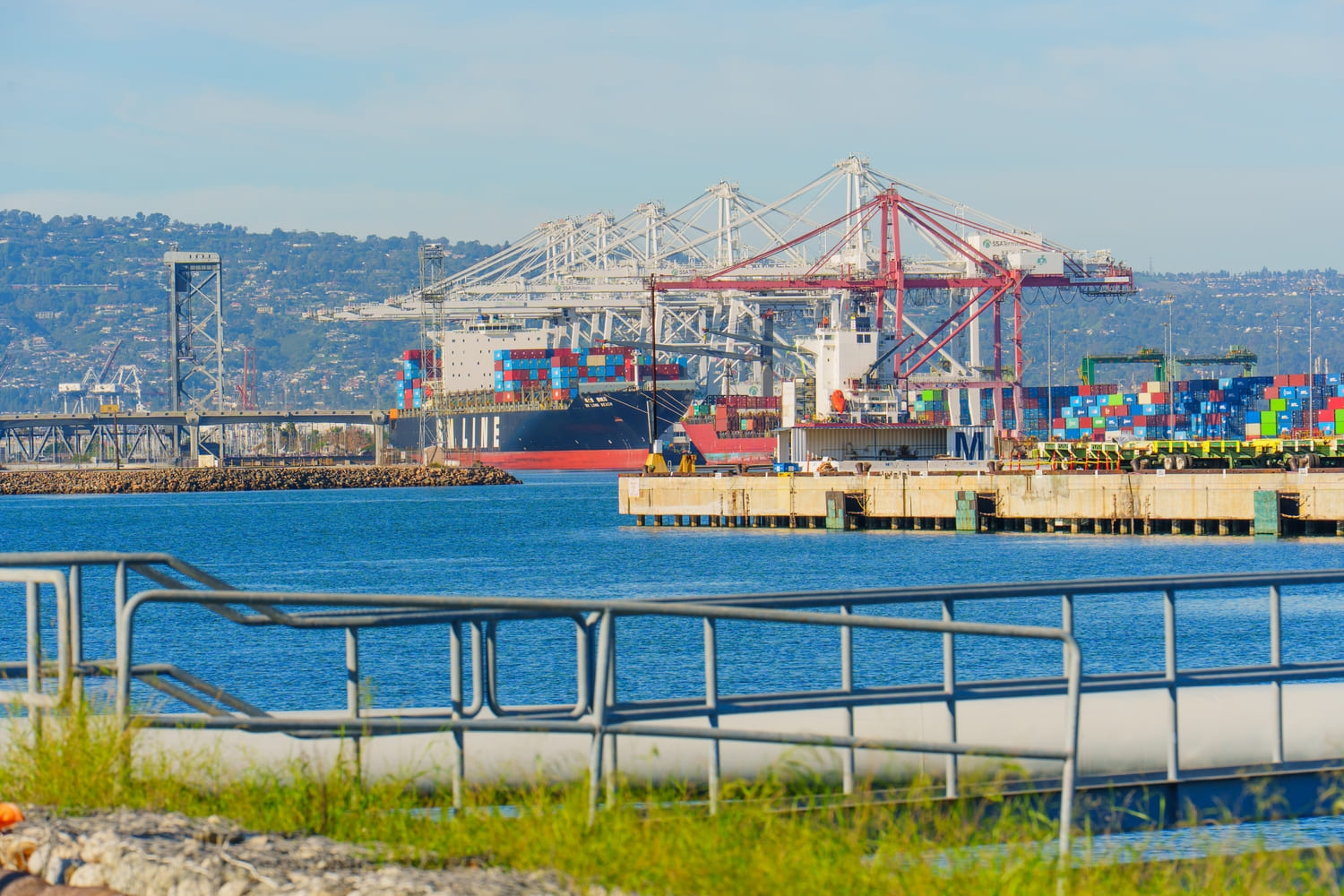
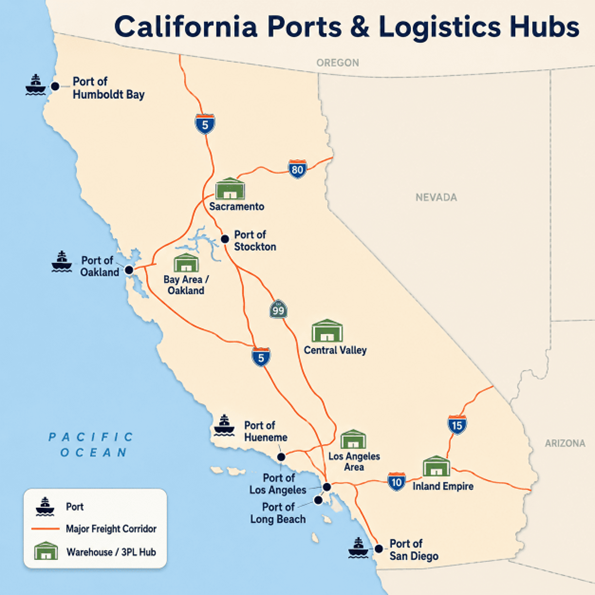
- California’s West Coast ports and infrastructure give brands importing through Los Angeles/Long Beach or Oakland an edge. This is especially useful for serving customers in California, Oregon, Washington and other western states efficiently.
- Popular 3PL and fulfillment providers that businesses may consider in California include ShipBob and Red Stag Fulfillment. Each has different strengths (e.g. technology-driven fulfillment or handling bulky products).
- OLIMP Warehousing Solutions helps e-commerce companies connect with flexible warehousing services, on-demand fulfillment support, cross-docking, pallet rework, short-term storage, and other logistics solutions across California and the West Coast.
California is one of the most important logistics markets in the U.S. for e-commerce brands, retailers, importers, and growing online stores. With access to major ports, large consumer markets, dense transportation networks, and strong warehousing infrastructure, the state gives businesses many options for fulfillment, storage, shipping, and distribution. For online retailers, California’s strengths make it a top choice for ecommerce fulfillment and third-party logistics services.
What Are 3PL Services for E-commerce Businesses?
A 3PL (third-party logistics) provider is a company that helps businesses outsource logistics operations. For e-commerce companies, 3PL or third-party fulfillment services typically include receiving inventory, storing products, picking and packing orders, shipping to customers, managing returns, and providing visibility into stock levels. Instead of managing a warehouse, hiring labor, or building shipping infrastructure in-house, online brands can partner with a 3PL to handle fulfillment and logistics while they focus on sales and marketing.
Common 3PL services for e-commerce businesses include:
- Warehousing and inventory storage
- E-commerce order fulfillment (receiving, pick/pack, shipping)
- Pick and pack operations
- Order processing and integration with online stores
- Shipping and distribution coordination
- Returns management and reverse logistics
- Cross-docking (immediate transfer of inbound freight)
- Short-term warehousing (overflow or project-based storage)
- Specialized handling (pallet storage, kitting/labeling, etc.)
Why Is California a Strong Location for E-commerce 3PL Services?
California combines West Coast port access, large population centers, major highways (I-5, I-10), rail corridors, and a dense warehouse market. For businesses importing from Asia or distributing to Western U.S. markets, California can significantly reduce transit time and support faster customer deliveries. Southern California is especially important due to its proximity to the Ports of Los Angeles/Long Beach: locating your fulfillment warehouse near these ports cuts drayage distance and speeds up container unloading. The state also gives brands a strategic position near large consumer markets (e.g. Los Angeles metro, San Francisco Bay Area, Inland Empire), helping them reach West Coast customers more efficiently.
What Should E-commerce Businesses Look for in a Reliable California 3PL?
1. Does the 3PL Have the Right Warehouse Location?
Location is one of the first things to evaluate. A California 3PL near ports, highways, rail hubs, or major customer zones can reduce transit time and transportation costs.
For e-commerce brands, the best location depends on the business model. Import-heavy brands may prefer warehouses near Los Angeles, Long Beach, or the Inland Empire. Brands focused on fast regional delivery may need facilities closer to major population centers or parcel carrier hubs.
Ask:
- Is the warehouse close to major ports or freight routes?
- Can it support fast delivery to key customer zones?
- Does the location help reduce drayage or last-mile costs?
- Is there access to multiple carriers?
2. Can the 3PL Handle E-commerce Fulfillment Accurately?
Order accuracy is critical for online retailers. A reliable 3PL should have clear processes for receiving, picking, packing, shipping, and quality control. Even small mistakes can lead to returns, refunds, and bad reviews. Look for a provider that can handle:
- SKU-level inventory tracking and visibility
- Accurate pick-and-pack operations with error checking
- Customized or branded packaging and kitting
- Multi-channel order processing (integrations with Shopify, Amazon, etc.)
- Parcel shipping for small packages and LTL/FCL for bulk orders
- B2B and direct-to-consumer (DTC) fulfillment capabilities
- Real-time order status updates and confirmations
Ask about the provider’s order accuracy rates, inventory accuracy metrics, daily cut-off times, and error-handling procedures.
3. Does the 3PL Offer the Right Technology?
A modern California 3PL should give you real-time visibility into inventory, orders, shipments, and returns. Technology integration is not optional for e-commerce. The 3PL should seamlessly connect with your e-commerce platforms and marketplaces (Shopify, Amazon, WooCommerce, Walmart, etc.) and offer these key tech features:
- Warehouse Management System (WMS) with real-time stock visibility
- Order tracking and online portal for status updates
- Carrier rate shopping and shipping label generation
- Returns portal or tracking system for reverse logistics
- Reporting dashboards (inventory levels, order velocity, etc.)
- API or direct integrations with sales channels and ERPs
Good technology lets businesses make faster decisions, avoid stockouts, and minimize manual work. For example, OLIMP’s platform connects merchants with nationwide warehousing and fulfillment options, allowing seamless inventory and order management across multiple carriers.
4. Can the 3PL Scale During Seasonal Demand?
E-commerce order volume can spike quickly. Holiday sales, new product launches, influencer campaigns, and seasonal promotions can create sudden storage and labor needs. A dependable California 3PL should be able to rapidly scale warehouse space, staffing, and shipping capacity during peak seasons. This is especially important if you don’t want to commit to a long-term lease.
Ask:
- Can the provider handle double or triple the usual order volume?
- Is short-term warehousing or overflow storage available?
- Can storage space increase or decrease flexibly as demand changes?
- How quickly can they intake and process new inventory shipments?
5. Does the 3PL Manage Returns Well?
Returns are a major part of online retail. A strong 3PL partner should have a clear reverse-logistics process for returns. This includes receiving returned items, inspecting their condition, restocking sellable goods, disposing of unsellable items, and updating your inventory. Effective returns management protects your margins and keeps customers happy. Look for:
- Fast return processing (same-day or next-day turnaround)
- Accurate product inspection and disposition
- Restocking support for approved returns
- Reports on return reasons and return rates
- Clear return status updates for you and your customers
- Ability to recycle or dispose of damaged products responsibly
6. Are Pricing and Fees Clear?
3PL pricing can be complex. Before choosing a provider, e-commerce businesses should understand all costs, not just storage rates. Common fees may include:
- Receiving fees (for incoming shipments)
- Storage fees (per pallet, per bin, or per month)
- Pick and pack fees (per order or per item)
- Packaging or kitting fees
- Shipping label or carrier fees (if added)
- Returns processing fees
- Technology or account management fees
- Kitting/labeling fees for multi-SKU orders
- Minimum monthly charges or long-term storage fees
A reliable 3PL will explain pricing clearly and show how costs change with order volume, storage needs, and special services. Transparency helps you avoid surprises on your monthly invoice.
What California 3PL Services Are Most Useful for E-commerce?
E-commerce Fulfillment California
E-commerce fulfillment includes receiving inventory, storing products, picking and packing orders, and shipping them to customers. This is the core service most online brands need from a 3PL.
Warehousing in California
Warehousing gives businesses space to store products before they are sold or distributed. California warehousing is useful for importers, growing online stores, retailers, and brands with high West Coast demand.
Short-Term Warehousing California
Short-term warehousing is helpful when businesses need temporary storage for overflow inventory, seasonal stock, delayed deliveries, product launches, or project-based needs.
Cross-Docking
Cross-docking helps move freight from inbound trucks or containers to outbound transportation with little or no storage time. It is useful for urgent shipments, retail replenishment, and reducing unnecessary storage costs.
Pick and Pack
Pick and pack services support direct-to-consumer fulfillment. The warehouse team picks the ordered items, packs them, applies labels, and prepares the shipment for the carrier.
Returns Management
Returns management helps e-commerce brands process returned items, update inventory, and reduce the cost of reverse logistics.
Examples of 3PL Companies E-commerce Businesses May Compare in California
There are many 3PL and fulfillment companies that e-commerce businesses may compare when searching for California 3PL services. Some well-known names include:
ShipBob – Often used by e-commerce brands that need technology-driven fulfillment, multi-channel integrations, and scalable order processing.
ShipHero – Commonly considered by Shopify and e-commerce sellers looking for fulfillment technology and warehouse management support.
Red Stag Fulfillment – Known for handling heavier, larger, or more complex products with a strong focus on fulfillment accuracy.
These examples are not the only options, and the best choice depends on product type, order volume, storage needs, integration requirements, shipping zones, and budget. Businesses should compare providers based on operational fit, not only brand recognition.
When Should an E-commerce Business Use a California 3PL?
An e-commerce business should consider using a California 3PL when order volume becomes difficult to manage in-house, shipping delays hurt customer reviews, storage space runs out, or the business needs faster West Coast delivery.
A California 3PL may also be useful when:
- Inventory is imported through Los Angeles or Long Beach
- The business needs West Coast fulfillment services
- Seasonal demand creates overflow storage needs
- Returns are taking too much internal time
- The brand needs better inventory visibility
- Shipping costs are increasing
- The company wants to expand without leasing a warehouse
Final Thoughts
Finding reliable 3PL services in California isn’t just about choosing the biggest provider. E-commerce businesses should look for a logistics partner whose capabilities fit their product types, customer locations, order volumes, and growth plans. California offers strong advantages for brands that need warehousing, ecommerce fulfillment, pick-and-pack, returns management, cross-docking, short-term storage, and West Coast distribution. For example, OLIMP’s warehousing platform connects brands with a nationwide network of vetted 3PL warehouses and fulfillment centers, offering flexible, on-demand solutions.
Ready to optimize your ecommerce fulfillment? Request a quote today to connect with OLIMP’s California 3PL network and find tailored warehousing and order fulfillment solutions near you.
Frequently Asked Questions (FAQ) – OLIMP Warehousing
Q: What is ecommerce fulfillment in California?
Ecommerce fulfillment in California is the process of storing inventory, receiving online orders, picking and packing products, shipping orders to customers, and managing returns from a California fulfillment center. Using a California fulfillment location can help brands serve West Coast customers faster and reduce shipping distances.
Q: How do I choose the best 3PL in California for ecommerce?
Choose a California 3PL based on warehouse location, fulfillment accuracy, technology integrations, storage flexibility, shipping capabilities, pricing transparency, returns management, and the ability to scale during peak demand. The best provider should match your product type, order volume, customer locations, and growth plans.
Q: How much does third-party fulfillment cost in California?
Third-party fulfillment costs in California vary based on receiving volume, storage requirements, number of orders, pick-and-pack activity, packaging, shipping, returns, and additional services. Businesses should compare the total fulfillment cost rather than looking only at warehouse storage rates.
Q: When should an ecommerce business outsource fulfillment to a 3PL?
An ecommerce business should consider outsourcing fulfillment when order volumes become difficult to manage internally, warehouse space becomes limited, shipping delays increase, or the company needs to expand into new markets. A flexible 3PL can also help manage seasonal demand without requiring a long-term warehouse commitment.
You may be interested in
Kansas City Warehousing: Public, Contract & FTZ Benefits
Choosing where to position inventory is one of the most consequential decisions in a supply‑chain network. Facility location determines how quickly you can deliver orders, how much you spend on transportation and how well you can serve national customers. A poorly placed warehouse can translate into long haul routes, missed service levels and excess stock. […]
Logistics and 3PL Services in Jacksonville, FL: What Businesses Need to Know
Jacksonville, Florida sits at the westernmost deep‑water port on the U.S. East Coast and at the crossroads of major highways and railways. This strategic location, combined with strong port infrastructure and intermodal connections, has transformed the city into a bustling hub for logistics, shipping and third‑party logistics (3PL) services. Whether you’re a retailer needing overflow storage, a manufacturer shipping raw materials, or […]
How to Locate Warehouse Addresses Across the USA
Locating warehouse addresses across the United States can feel like hunting for a needle in a haystack. America’s industrial landscape spans coast‑to‑coast corridors, regional hubs and thousands of private facilities, and much of this real estate is leased directly rather than advertised publicly. To navigate this complex environment, you need a strategy that balances transportation […]
Ready to streamline your warehousing needs?
Request a quote today and discover how OLIMP's tailored solutions can optimize your operations