Pallet Rework Services: Restacking Freight & Preventing Shifted Loads
07/25/2024
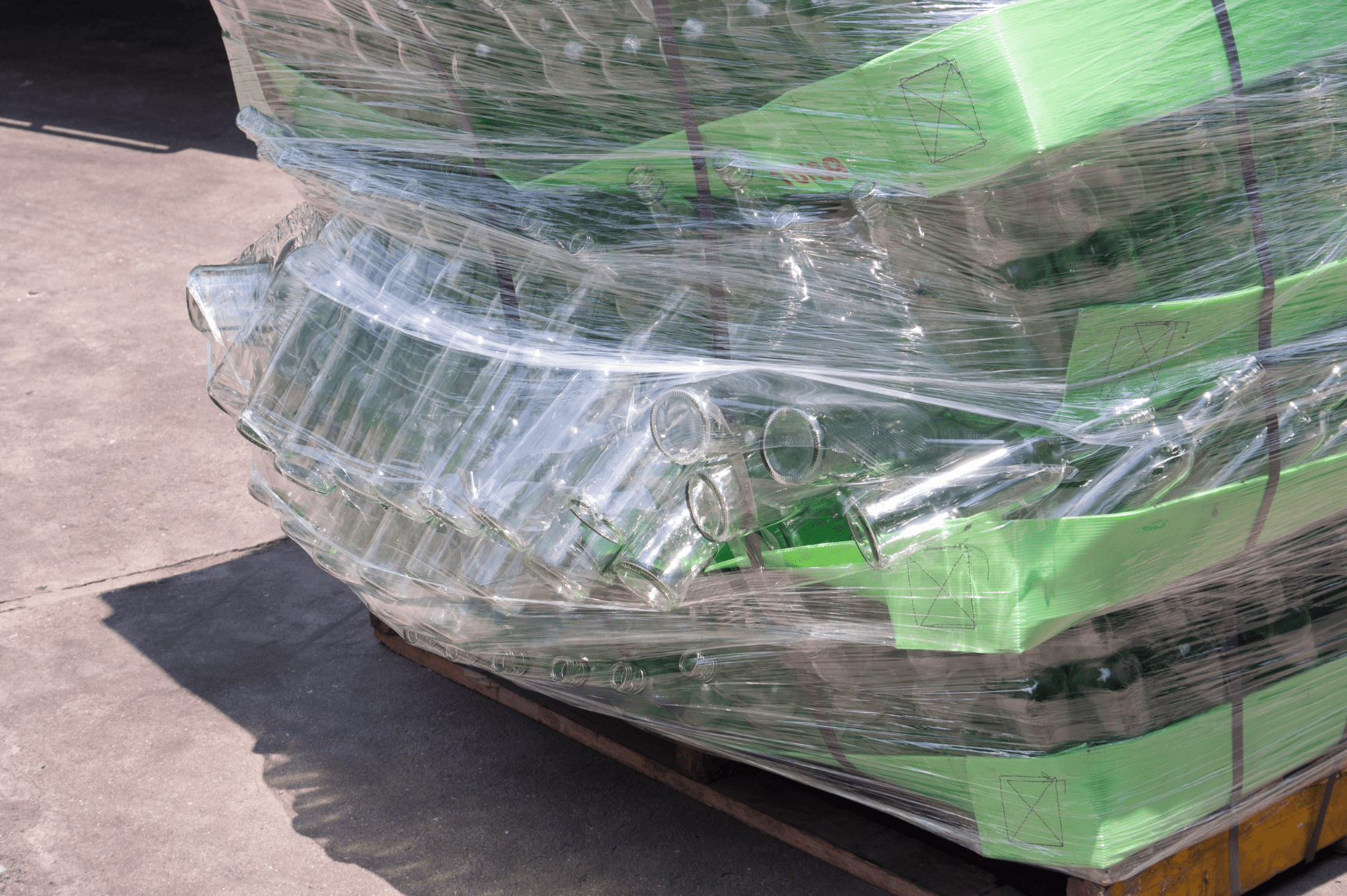
- Pallet rework and freight rework refer to unloading a damaged or shifted shipment and rebuilding pallets so the load meets safety and retailer compliance requirements.
- Common causes include broken pallets, poor shrink‑wrap, overhang/underhang and exceeding weight limits.
- Rework specialists inspect, sort, restack and rewrap goods to prevent further damage and ensure compliance.
- Partnering with a third‑party logistics (3PL) provider reduces costs and speeds recovery.
- Avoid issues by following best practices: use standard pallets, avoid overhang, secure loads properly, stay within weight limits and comply with ISPM‑15 guidelines.
Pallet rework – sometimes called load rework or freight rework – is the corrective handling of a shifted or rejected shipment. When a load leans, collapses or arrives poorly stacked, a specialist will unload the freight, inspect the damage, rebuild the pallets and redistribute weight so it can be safely delivered. This guide explains why pallet rework matters for shippers, brokers and retailers in North America and how you can minimize the need for it.
What Is Pallet Rework?
Definition and Purpose
Pallet rework is a corrective logistics service performed when a palletized load shifts, collapses or is rejected at the receiving dock. Rework is required whenever pallets are refused because they are broken, exceed weight limits, are poorly shrink‑wrapped or have overhang/underhang. Freight rework specialists unload the trailer, inspect and sort damaged goods, discard unsalvageable items and rebuild the pallets to meet retailer requirements. This process may include replacing damaged pallets, redistributing weight, rewrapping or strapping goods, relabeling and transferring freight to another trailer.
The goal is to re‑secure the shipment so it can be safely delivered without causing further damage or violations. For brokers and carriers, timely rework prevents missed appointments, late fees and product losses.
How Freight Rework Differs from Restacking
Restacking is one component of pallet rework but not the whole service. Rrework can also include re‑wrapping/strapping, pallet replacement, relabeling and freight transfers. In other words, rework addresses both the structure and compliance of the load, whereas restacking simply rebuilds the palletized unit.
Common Triggers for Pallet Rework
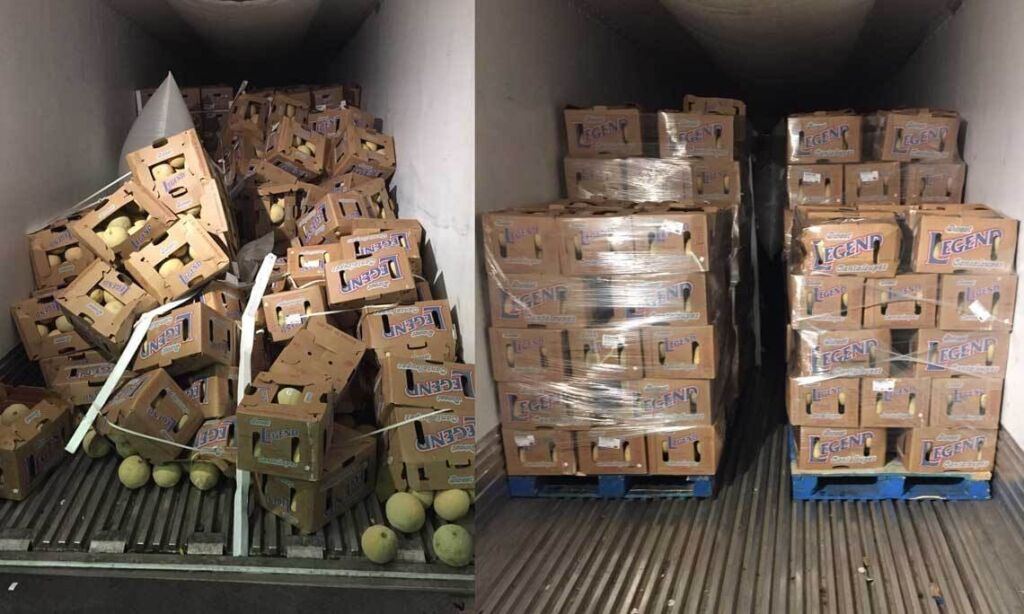
- Shifted Loads: Pallets that lean or collapse due to sudden braking, rough roads or improper stacking.
- Broken or Poor‑Quality Pallets: Splintered boards or damaged stringers compromise stability.
- Exceeding Weight Limits: Overloading pallets leads to crushing and breakage
- Bad Shrink‑Wrap: Insufficient stretch wrap allows freight to shift; torn wrap fails to secure the load
- Pallet Overhang/Underhang: When goods extend beyond the pallet’s edges or leave gaps, they are more likely to shift and break
- Unsafe Height: Stacking pallets higher than 48 inches or beyond carrier guidelines increases the risk of collapse
- Improper Load Distribution: Axle‐weight imbalances can cause a trailer to be overweight on one axle and require reconfiguration.
Standard Sizes and Loading Basics
Trailer & Pallet Dimensions
- Standard trailer size: In North America the most common trailer is 53 feet long.
- Standard pallet size: Most pallets measure 48 × 40 inches and 48 inches high. Knowing these dimensions helps determine how many pallets fit in a trailer.
- Stackable vs. non‑stackable: If pallets are stackable and under 48 inches high, you can load 52 pallets into a 53‑foot trailer; non‑stackable loads typically fit 26 pallets.
Pallet Overhang and Underhang
Overhang occurs when goods extend beyond the pallet’s edges, while underhang refers to leaving gaps or not filling the pallet footprint. Both create imbalance and lead to shifting. Always ensure freight stays within the pallet’s perimeter and use sufficient stretch wrap or strapping.
ISPM‑15 Compliance
International shipments require pallets treated under ISPM‑15 rules. Pallet Management Group notes that all wooden pallets used in global trade must be treated to reduce pest risk, typically through heat treatment (preferred) or methyl bromide fumigation. Non‑compliant pallets may be rejected or destroyed, causing delays. Use heat‑treated pallets and display the ISPM‑15 stamp to avoid customs issues.
Why Partner With a Logistics Service?
Cost‑Savings and Speed
Partnering with a third‑party logistics provider (3PL) or rework facility saves time and money. Partnering with a trusted service is more cost‑effective than rerouting freight or discarding damaged goods. Professional rework teams have equipment, labor and space to unload, rework and reload trailers quickly, minimizing detention fees and missed delivery appointments.
Access to Specialized Equipment
Urgent rework facilities often offer pallet restacking and replacement, block & brace, distressed load handling, floor‑loaded shipments, weight load redistribution, repacking, relabeling and cross‑docking. These services require forklifts, pallet jacks, shrink‑wrap machines and skilled labor that most drivers do not have on hand.
Nationwide Coverage and On‑Demand Service
OLIMP Warehousing’s network connects shippers and carriers to over 5,000 rework facilities across the United States and Canada. A broad network ensures help is available near major ports and distribution hubs, reducing downtime and enabling same‑day restacks.
Optional Storage, Transloading and Redelivery
A comprehensive 3PL can offer short‑term storage, transloading, cross‑docking and drayage in addition to rework. Short‑term storage lets you hold reworked freight until the delivery appointment. Transloading transfers goods between different transportation modes, while cross‑docking moves items from inbound to outbound trucks without storage. Drayage handles short‑distance moves between ports, rail yards and nearby warehouses. We discuss each below.
Cross‑Docking, Transloading and Drayage Explained
Cross‑Docking
Cross‑docking is a logistics strategy where products from an inbound truck are immediately transferred to outbound transportation without long‑term storage. This method reduces inventory holding costs and speeds delivery, making it ideal for just‑in‑time supply chains. By grouping products destined for the same region onto a single outbound truck, companies can optimize routes and reduce transportation costs.
Transloading
Transloading involves transferring cargo between different modes of transportation, such as unloading from an ocean container and reloading into railcars or trucks. Transloading operations typically include receiving the shipment, unloading and sorting, mode transfer, value‑added handling (palletization, labeling, kitting) and final dispatch. Benefits include enhanced flexibility, cost savings by avoiding demurrage fees, faster transit times and improved equipment utilization. Unlike cross‑docking, transloading may involve temporary storage and the inbound and outbound carriers do not need to be present simultaneously.
Drayage
Drayage is the short‑distance transportation of shipping containers between ports, rail yards and nearby warehouses. It helps goods transition between different transport modes and is crucial for intermodal shipping. Drayage moves shipping containers over short distances to connect long‑haul transport and avoid congestion at ports. Common drayage services include port drayage, inter‑carrier and intra‑carrier moves, expedited drayage, shuttle drayage and door‑to‑door delivery.
Best Practices to Avoid Rework and Prevent Shipment Problems
1. Use the Right Pallet and Comply with Standards
- Choose standard pallets (48 × 40 inches) and ensure they are undamaged.
- Verify load weight: Do not exceed the manufacturer’s weight limit. Overloaded pallets are prone to collapse.
- Ensure ISPM‑15 compliance for any pallets used in international shipping.
2. Avoid Overhang and Underhang
Make sure goods do not extend beyond the edges of a pallet and that the pallet is fully covered by product. Overhang and underhang create imbalance and lead to shifting, tilting and collapse.
3. Wrap and Secure the Load Properly
- Use high‑quality stretch wrap or straps to secure items; wrap multiple times around the base and top of the pallet.
- Add corner boards, dunnage and anti‑skid mats to stabilize loads.
- If possible, shrink‑wrap each layer for extra stability.
4. Maintain Safe Stack Heights
Do not stack pallets higher than 48 inches unless the carrier allows it. High stacks raise the center of gravity and increase the risk of collapse during transport.
5. Balance the Load and Follow Weight‑Distribution Rules
Ensure goods are evenly distributed across the pallet and within the trailer to avoid axle‑weight violations. Uneven loads can cause trailers to be overweight on one axle and require rework.
6. Inspect and Replace Damaged Pallets
Regularly inspect pallets for cracks, missing boards or loose nails. Replace any damaged pallets before loading. Preventing breakage upfront is far cheaper than paying for rework later.
7. Work With a Trusted 3PL Partner
A third‑party rework provider offers round‑the‑clock support, professional handling and access to equipment. They can also advise on cross‑docking, transloading and drayage options to keep your supply chain running smoothly.
Why Rework Matters
Imagine a shipper sending 26 pallets of beverage bottles from Los Angeles to Chicago. During transit, a sudden stop causes several pallets to lean and the shrink wrap tears. At the distribution center, the retailer rejects the load due to safety concerns. Instead of returning the freight to the shipper, the carrier calls a local rework facility. The rework team unloads the trailer, discards broken bottles, replaces damaged pallets and rebuilds the load. They also adjust weight distribution and secure the freight with extra wrap and corner boards. Within hours, the load is back on the road and delivered on schedule. The cost of rework (labor, replacement pallets, warehousing fees) is far less than the losses associated with an outright rejection and missed sales.
Conclusion
Pallet rework is an essential service that keeps the supply chain moving when loads shift or are rejected. Understanding the causes of damage, following best practices and partnering with a reliable 3PL provider can prevent costly disruptions. Whether you’re a shipper, retailer, broker or carrier, being prepared to handle freight rework ensures compliance, protects your products and keeps customers happy.
Ready to protect your shipments?
When accidents occur during transit, OLIMP is an invaluable resource. Our pallet warehousing helps you avoid the extra expenses and delays associated with damaged loads. We’re connected with a vast network of 5000+ warehouses. We’ll source a warehouse that you can book to resume transport.
With no minimums and the largest network across the nation, we’re the ideal resource when goods are damaged. Shippers can request a quote for pallet restacking, pallet rework, and shifted load repair. Warehouses in our network provide re-delivery services as well last mile services so you complete the delivery as intended.
Searching for a short-term warehouse is a drain on your time. Our on-demand warehouses, however, are available the instant you need them. Request one of our approved warehouses online, drop the cargo, and get your freight out in a timely manner. Customers value our transparent pricing, too.
OLIMP serves a wide range of customers, from freight brokers to carriers and freight forwarders. Shippers, retailers, and warehouses rely heavily on our efficient, top-notch services, knowing that palletized freight problems, from improper stacking to letting goods shift or tip, are common.
Don’t risk having your shipment be delayed or rejected. Work with the on-demand warehousing service that the industry trusts. OLIMP will provide you with a vetted warehouse when time is of the essence. You’ll receive responsive, dedicated customer service when you request a quote. Call us today.
Frequently Asked Questions (FAQ) – OLIMP Warehousing
Q: How many standard pallets fit on a 48-foot trailer?
A standard 48-foot trailer typically fits 24–26 standard pallets (48″ × 40″), depending on loading configuration and whether pallets are turned or spaced for weight distribution.
Q: What does pallet rework involve?
Pallet rework includes unloading the trailer, inspecting and sorting goods, restacking pallets, replacing or repairing damaged pallets, rewrapping or strapping, relabeling and redistributing weight so the load meets retailer and carrier requirements.
Q: How long does freight rework take?
Many restacks are completed the same day if damage is moderate and labor is available. Complex reworks involving severe damage, multiple pallets or specialized equipment may require 24–48 hours.
Q: Why was my freight rejected by the receiver?
Common reasons include shifted pallets, broken pallets, products extending beyond the pallet (overhang), underhang, unsafe stacking heights, torn shrink wrap or exceeding weight limits. Receivers may also refuse loads that do not meet retailer‑specific labeling or packaging standards.
Q: Does restacking fix all problems?
Restacking stabilizes a pallet but may not address other issues such as damaged goods, incorrect labels or weight distribution. Comprehensive rework also involves replacing pallets, rewrapping, labeling, relabeling and ensuring compliance with retailer specifications.
Q: Can rework services provide short‑term storage?
Yes. Many facilities offer short‑term storage to hold reworked freight until your delivery appointment. This allows carriers to continue driving while the freight awaits redelivery.
Q: What is the difference between pallet rework and freight rework?
The terms are often used interchangeably. Freight rework may encompass a broader range of corrective actions, including restacking, repacking, relabeling and regulatory compliance, whereas pallet rework focuses on rebuilding and stabilizing the palletized unit. Both aim to restore a shipment to a deliverable condition.
You may be interested in
Cross‑Dock Warehouse Services: A Comprehensive Guide for U.S. Businesses
In a market where speed and efficiency define success, more U.S. shippers are turning to cross‑dock warehouse services. Unlike a conventional warehouse, a cross‑dock facility quickly transfers goods from incoming trucks or railcars to outbound vehicles with little or no storage time. This lean model reduces handling, accelerates delivery and helps companies respond faster to […]
How to Choose a Transloading Provider Near Major Ports
International trade flows through U.S. container ports have exploded in recent years. According to the U.S. Department of Transportation’s Port Performance Freight Statistics Report, the ports of New York/New Jersey, Los Angeles and Long Beach each handled more than 6 million loaded twenty‑foot equivalent units (TEUs) in 2022, while Savannah processed 4.33 million TEUs. The […]
Best On-Demand Warehousing Platform for Short-Term Overflow Storage
When warehouses reach capacity during peak seasons, promotions, or unexpected supply chain disruptions, businesses need fast access to additional storage. On-demand warehousing platforms solve this challenge by connecting companies with available warehouse space exactly when it’s needed. Among these solutions, OLIMP’s on-demand warehousing platform helps businesses quickly secure short-term overflow storage across thousands of warehouse […]
Ready to streamline your warehousing needs?
Request a quote today and discover how OLIMP's tailored solutions can optimize your operations