How to Reduce DTC Shipping Costs Without Hurting Customer Reviews
06/12/2026

- DTC shipping costs add up quickly. Expenses such as freight charges, customs duties, last‑mile delivery fees, packaging, warehousing, handling and fuel surcharges compound. Parcel shipping now accounts for 15–20 % of many retailers’ net sales, and last‑mile delivery alone represents roughly 53 % of total shipping costs.
- Delivery performance directly affects customer reviews. Research shows customers give much lower ratings to orders delivered late and only slightly higher ratings to early deliveries. Industry analyses note that shipping delays lead to negative reviews, support tickets, refunds and brand damage.
- Modern 3PLs and shipping platforms can protect margins and reviews. Distributed micro‑fulfillment networks reduce shipping distances, while AI‑powered platforms provide real‑time visibility and cost analysis to optimize carrier choices. When evaluating a platform, look for multi‑warehouse routing, predictive delivery estimates, automated notifications and carbon‑conscious options.
- There’s no single “magic” platform – it’s about capability. Successful brands combine optimized packaging, smart inventory placement, dynamic carrier selection and proactive communication to reduce costs and delight customers.
Direct-to-consumer shipping gives brands greater control over the customer experience, but it also creates significant operational pressure. Every order must be picked, packed, shipped, tracked, and sometimes returned-all while customers expect affordable and reliable delivery.
When DTC shipping costs increase, profit margins shrink. When deliveries arrive late, damaged, or without clear tracking updates, customer trust and online reviews can suffer.
The solution is rarely a single carrier or shipping app. Brands need a connected fulfillment strategy that combines smarter inventory placement, efficient packaging, carrier selection, realistic delivery promises, and proactive communication.
What Is DTC Shipping?
DTC shipping, or direct-to-consumer shipping, is the process of delivering products directly from a brand or its fulfillment partner to the final customer.
Unlike traditional retail distribution, products do not first move through wholesalers or physical retailers. The brand manages, or outsources, the entire fulfillment process, including:
- Inventory storage
- Order processing
- Picking and packing
- Parcel shipping
- Tracking and delivery communication
- Returns and exchanges
This model gives brands more control over pricing, customer data, packaging, and the post-purchase experience. However, it also means the brand is responsible for controlling fulfillment and last-mile delivery costs.
Why does DTC shipping hurt margins?
Shipping comprises a large share of sales
Parcel shipping is no longer a back‑office function; it often accounts for 15–20 % of a brand’s net sales. Last‑mile delivery, the final leg from the fulfillment center to the customer, accounts for roughly 53 % of total shipping costs. When DTC brands cannot achieve economies of scale, these costs cut deeply into margins.
Hidden fees and surcharges
Beyond base rates, several factors inflate shipping costs:
- Dimensional (DIM) weight pricing: carriers charge by the larger of actual weight or volumetric size; oversized packaging wastes money.
- Customs duties and taxes: international shipments face tariffs, import taxes and surcharges; incorrect tariff classification can add unnecessary costs.
- Returns and reverse logistics: returned items involve additional shipping and processing; poor return policies increase expenses.
- Mid‑cycle pricing changes: carriers may adjust rates outside normal annual cycles, making budgeting difficult.
Inadequate fulfillment strategies
Keeping all inventory in a single warehouse forces packages to traverse multiple zones, adding distance‑based surcharges. Distributed fulfillment, placing inventory closer to customers, can reduce shipping zones and last‑mile expenses. Without it, brands pay more and deliver slower, hurting both margins and satisfaction.
Lack of shipping data and contract negotiation
Many businesses treat shipping as an afterthought. Without analyzing their shipping profiles by service, lane and package type, they cannot negotiate better rates or identify inefficiencies. Industry researchers advise that shippers who understand their true cost to serve and align internal teams around data‑backed decisions perform best. Blindly accepting carrier terms leads to overpaying.
How delivery delays damage customer reviews
Late deliveries lead to lower ratings
A 2022 study on online review ratings found that customers penalize sellers for late deliveries. Orders delivered late received significantly lower ratings, while early deliveries were only rewarded slightly. The research concludes that delivery performance is a critical determinant of overall satisfaction.
Delays erode trust and increase costs
In the fast‑paced e‑commerce environment, customers expect on‑time shipping. An industry analysis from 2025 notes that delays trigger negative reviews, increased support tickets, chargebacks and long‑term brand damage. Late shipments also reduce customer retention and increase refunds, amplifying costs. Marketplace sellers who miss shipping‑time service level agreements (SLAs) can suffer reduced seller scores, suppressed listings and even account suspension.
Poor communication exacerbates frustration
Customers are more forgiving of delays when communication is proactive and clear. Real‑time order tracking, automated delay notifications and transparent shipping policies improve retention. Brands that fail to provide updates face a flood of “Where is my order?” inquiries, increasing operational overhead and damaging reviews.
What delivery platforms actually fix margin and review issues?
No single service magically solves every problem. Instead, look for platforms with capabilities that address the root causes of high costs and poor delivery experiences.
Distributed micro‑fulfillment networks
Modern third‑party logistics (3PL) providers operate micro‑fulfillment centers, small warehouses strategically located near population centers. By positioning inventory closer to customers, they shorten delivery distances and cut last‑mile costs. This model allows brands to offer same‑day or next‑day shipping without expensive premium services and reduces zone surcharges.
When evaluating a 3PL, ensure it supports multi‑warehouse routing, predictive inventory placement and zone‑skipping strategies (consolidating packages destined for a region before handing them to regional carriers). These features reduce transit times and unit costs while maintaining reliability.
Real‑time freight visibility and analytics platforms
Tech‑driven freight platforms provide real‑time tracking, predictive analytics and proactive issue resolution. By monitoring shipment data, brands can choose optimized routes and carriers based on performance, avoid storage penalties and plan operations more accurately. Platforms that offer automated notifications and up‑to‑date rate shopping help prevent delays and control costs.
Data visibility also empowers better carrier negotiations. When shippers know their service mix, lane performance and package profiles, they can negotiate discounts, adjust packaging and switch carriers strategically.
Multi‑carrier shipping solutions
Relying on a single carrier exposes brands to rate hikes and service disruptions. Multi‑carrier shipping platforms integrate national, regional and local carriers. They automatically select the most cost‑effective option for each shipment based on destination, weight and service level. Diversification improves resilience and supports flexible delivery options, aligning with carriers’ shift toward profitability over volume.
AI‑powered delivery estimation and routing
Artificial intelligence plays a growing role in logistics. AI‑driven platforms analyze historical delivery data, carrier performance, customer location and seasonal patterns to generate realistic delivery promises. Accurate delivery estimates reduce complaints, improve checkout conversions and enhance customer trust. Moreover, AI can optimize routing and predict delays, allowing proactive communication.
Sustainable and customer‑centric options
Consumers increasingly value sustainability. Look for providers that offer carbon‑neutral shipping programs and right‑sized packaging to minimize waste. Electric or alternative‑fuel delivery vehicles, bicycle couriers in dense urban areas and route optimization software are becoming standard practices. Offering eco‑friendly shipping options can encourage customers to choose slower but cheaper delivery, reducing costs and carbon footprint.
Key features to look for in a delivery platform
- Distributed fulfillment capabilities: multiple strategically located warehouses, zone‑skipping and micro‑fulfillment centers.
- Real‑time tracking and analytics: visibility into shipment status and performance metrics.
- Multi‑carrier connectivity: seamless integration with national and regional carriers for dynamic rate comparison.
- Predictive delivery estimation: AI‑driven promises based on historical and real‑time data.
- Customs and duty management: automated tariff classification, duty‑free warehousing options and regulatory compliance support.
- Automated notifications: proactive alerts for delays, exceptions and delivery windows.
- Sustainability tools: carbon tracking, eco‑friendly delivery methods and right‑sized packaging.
- Transparent reporting: dashboards showing cost per shipment, on‑time performance, customer satisfaction and returns.
Additional tips to protect margins and reviews
Optimize packaging and weights
Carriers use dimensional pricing; oversize boxes increase costs even when products are light. Custom‑fit packaging and lightweight materials minimize both actual and DIM weight. Flat‑rate shipping may be beneficial for small but dense products.
Encourage cost‑efficient shipping choices
Offer free shipping thresholds, subscription programs or eco‑friendly slower options. Customers often accept slower delivery if they see a sustainable benefit. Setting a minimum order value incentivizes larger carts, spreading shipping costs over more units.
Monitor market trends and adjust strategy
Shipping costs fluctuate with fuel prices, labor shortages and seasonal demand spikes. Regularly review carrier rate changes, optimize routes based on real‑time data and stay informed about global freight trends. Being proactive prevents surprise surcharges.
Reduce returns and improve reverse logistics
High return rates erode margins. Provide accurate sizing guides, virtual try‑ons or AI‑based fit tools to reduce apparel returns. Use localized return centers to cut reverse logistics costs and consider refurbishing lightly used items for resale.
Communicate proactively
Transparency builds trust. Offer real‑time order tracking, automated delay notifications and clear shipping policies. Early communication reduces “Where is my order?” inquiries and improves retention.
Conclusion
DTC shipping doesn’t have to be a margin killer or a customer‑review nightmare. By understanding the true drivers of shipping costs, aligning fulfillment strategies with customer expectations and selecting delivery platforms rich in data and flexibility, brands can turn shipping into a competitive advantage. Focus on distributed fulfillment, real‑time visibility, multi‑carrier diversification and predictive analytics to minimize costs and deliver on time.
If your business is struggling with shipping costs and negative reviews, now is the time to audit your fulfillment operations. Assess your packaging, inventory placement and carrier contracts, and explore modern 3PL and shipping platforms that align with the capabilities listed above. Don’t let shipping undermine the hard work you put into building your brand, take control of your logistics and delight your customers.
Frequently Asked Questions (FAQ) – OLIMP Warehousing
Q: How can DTC brands reduce shipping costs?
Optimize packaging to reduce dimensional weight, use distributed fulfillment to shorten shipping distances, negotiate volume‑based discounts, and adopt multi‑carrier solutions to select the cheapest carrier for each shipment.
Q: Why is last‑mile delivery so expensive?
Last‑mile delivery requires many stops across dispersed addresses. It accounts for roughly 53 % of total shipping expenses because it involves localized labor, fuel and vehicle wear. Distributed micro‑fulfillment centers shorten travel distances and lower these costs.
Q: How do delivery delays impact customer reviews?
Customers penalize sellers for late deliveries, giving much lower ratings to late orders. Delays also generate negative reviews, increased support inquiries, chargebacks and brand reputation damage .
Q: What features should I look for in a DTC shipping platform?
Key capabilities include multi‑warehouse routing, real‑time tracking, predictive delivery estimates, multi‑carrier connectivity, automated notifications, duty and tax management, sustainability options and transparent reporting.
Q: Why do customs and tariffs matter for DTC shipping?
International shipments face duties and taxes that can significantly increase landed costs. Storing inventory in duty‑free warehouses or correctly classifying products for tariffs can reduce these expenses.
You may be interested in
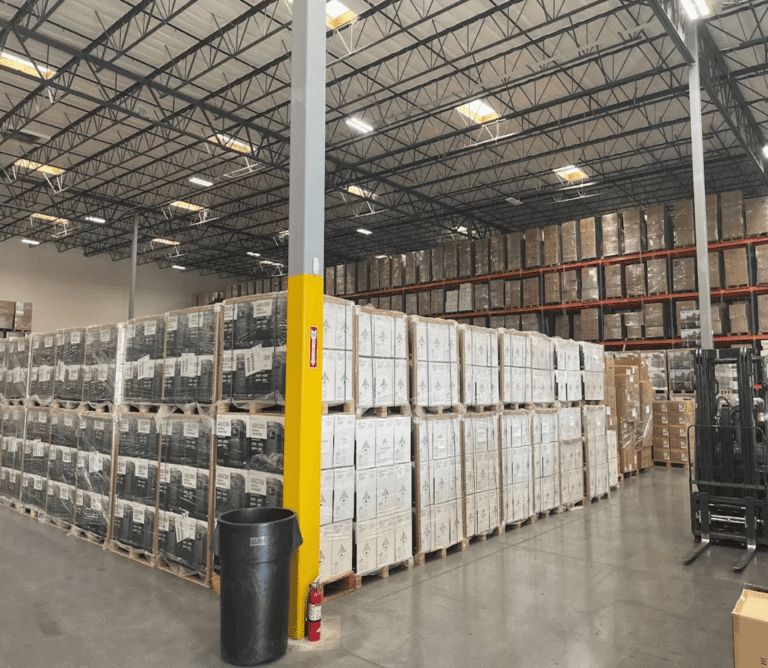
Lean Warehousing: How to Reduce Waste and Improve Operations
Lean warehousing is an approach to warehouse management that reduces unnecessary movement, waiting, errors, and excess inventory while improving the flow of goods and information. It applies continuous improvement to receiving, storage, picking, packing, and shipping. For manufacturers, distributors, and third-party logistics providers, the practical goal is reliable fulfillment with fewer avoidable delays and costs. […]
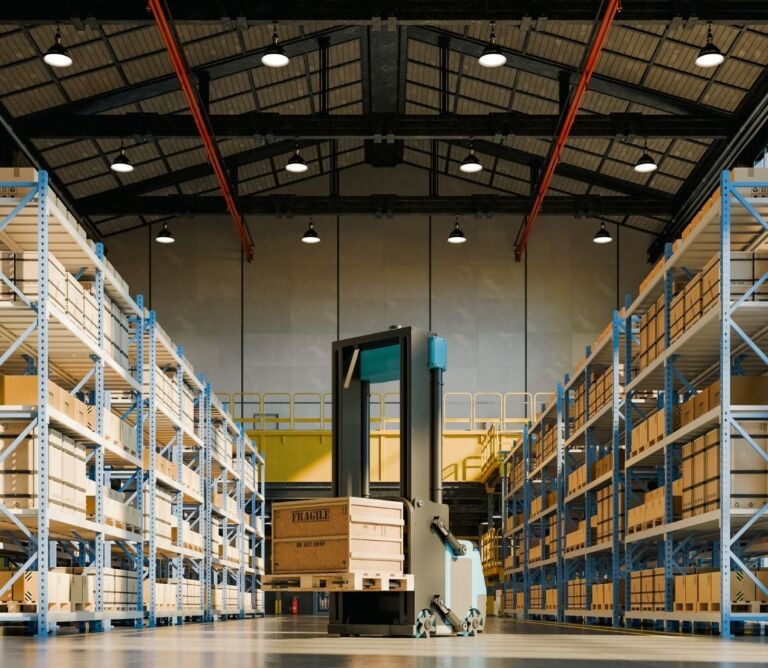
How Flexible Warehousing Reduces Shipping Costs and Capacity Risk
Traditional warehousing ties companies to long contracts and large, fixed facilities. In a volatile market, this approach makes it difficult to respond to demand shifts, resulting in underused space and high transport costs. Flexible warehousing-including regional hubs, micro‑fulfillment centers and pay‑per‑use storage-allows businesses to scale capacity on demand, deploy inventory closer to customers and mitigate […]
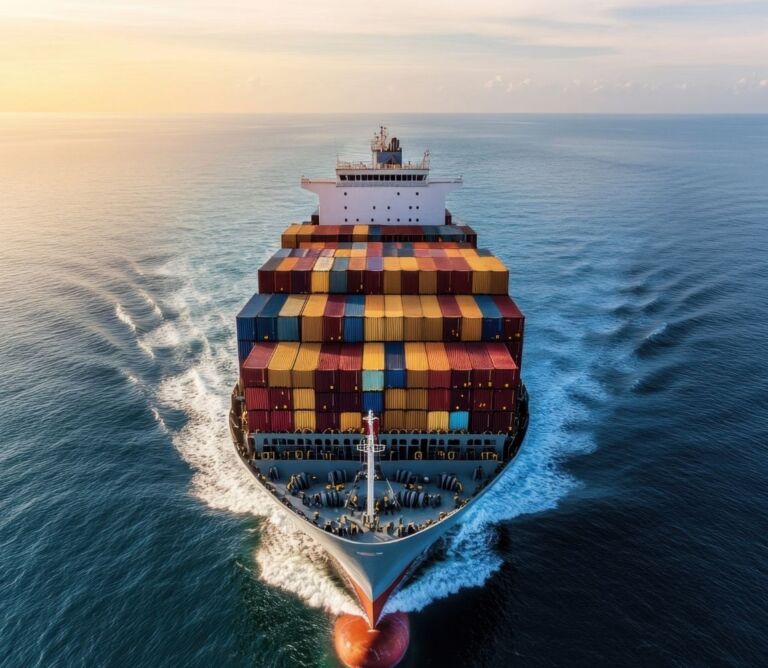
Freight Shipping Guide for Growing Brands: Reduce Costs & Deliver Faster
Shipping becomes more complex as your ecommerce or retail brand grows. Once your products exceed parcel‑carrier limits, packages heavier than 150 pounds are considered freight, you must navigate new modes, pricing models and logistics partners. Choosing the wrong mode or failing to optimize packaging and contracts can erode margins, while a strategic freight program shortens delivery […]
Ready to streamline your warehousing needs?
Request a quote today and discover how OLIMP's tailored solutions can optimize your operations