How Small Businesses Can Offer 2-Day Shipping with a 3PL
04/17/2026
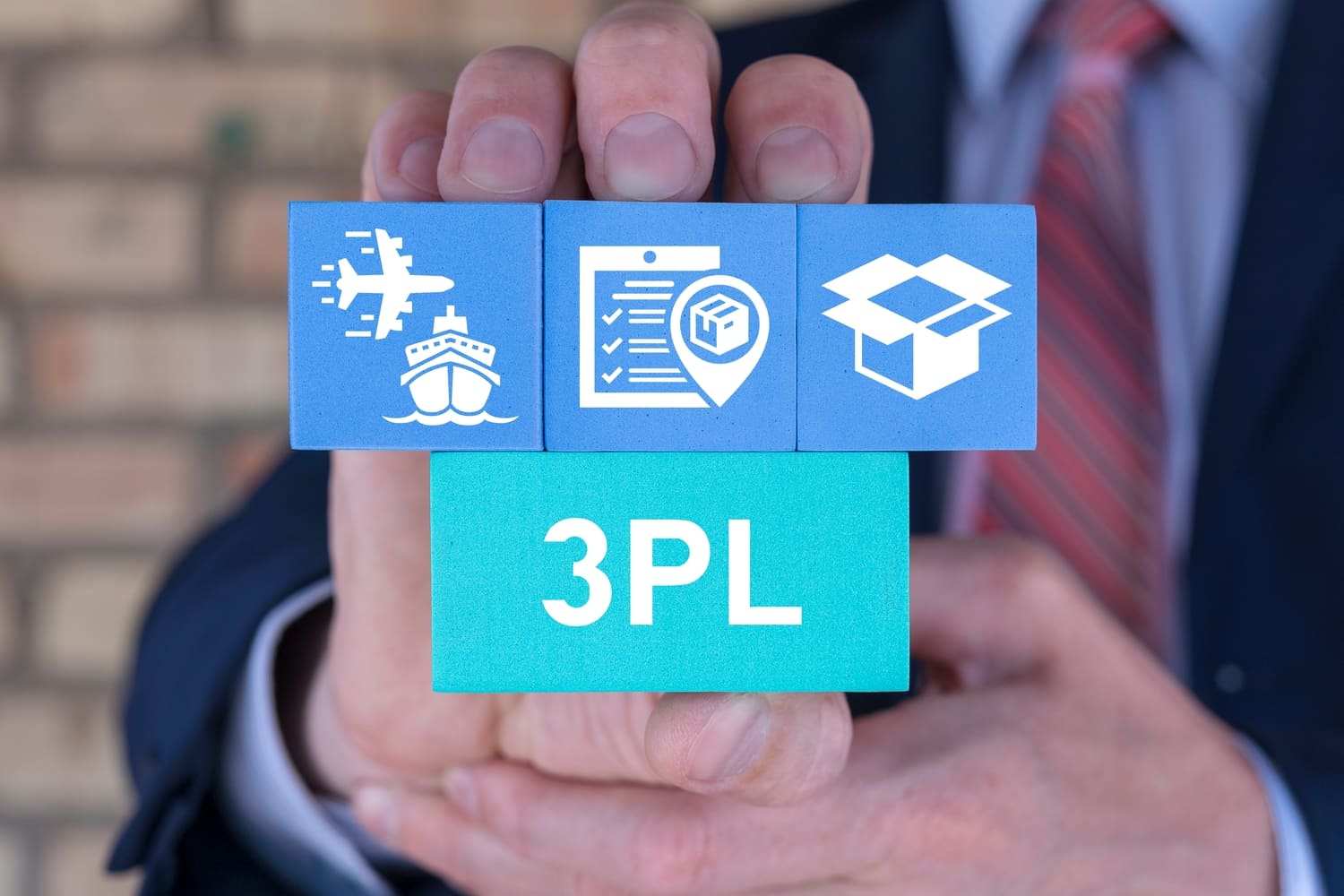
- 2‑day shipping is the standard, not a luxury: Major retailers have raised expectations; slow delivery is a common cause of cart abandonment.
- Definition: 2‑day shipping delivers orders within two business days after they leave the fulfilment centre, not including processing time. Customers often misunderstand this and expect two days from purchase.
- Benefits: Fast shipping reduces abandoned carts, increases conversion rates and boosts customer loyalty.
- Challenges: Achieving two‑day delivery nationwide requires distributed inventory and efficient fulfilment. Ground shipping is cheapest but only works when products are near customers
- 3PL advantage: A 3PL provides multi‑location warehousing, professional pick‑pack services, negotiated carrier rates and scalable capacity, enabling small businesses to offer 2‑day shipping without owning a logistics network.
- A modern fulfilment and warehousing platform such as OLIMP connects you with a network of on‑demand warehouses to position inventory close to customers and manage 2‑day shipping with ease.
Fast delivery is no longer a perk, it’s the baseline. E‑commerce giants like Amazon and Walmart have conditioned consumers to expect two‑day shipping. If a small business can’t deliver in two days, customers may abandon their carts or choose a competitor. But how can a growing brand match the logistics muscle of large retailers without investing millions in distribution centres? The answer often lies in partnering with a third‑party logistics provider (3PL).
This article explains what 2‑day shipping really means, why customers expect it, and how a 3PL enables fast, affordable delivery for small businesses.
What Is 2‑Day Shipping?
Two‑day shipping means delivering a complete order to the customer within two business days after the order leaves the fulfilment centre. Processing time-picking, packing and preparing the order-is not included. Some retailers start counting once the order ships; others start at purchase, which can confuse customers. Communicating clear cut‑off times and processing windows is essential.
Air vs. Ground Shipping
2‑day delivery is achieved through two main methods:
| Method | Pros | Cons |
|---|---|---|
| Air shipping | Uses aircraft to reach distant locations quickly. Reliable for long distances. | High cost; difficult to offer free 2-day delivery unless costs are passed to customers. |
| Ground shipping | Uses trucks and vans; significantly cheaper and more sustainable for short distances. | Limited reach, requires inventory to be stored near customers to meet a two-day window. |
To offer affordable 2‑day shipping, small businesses need to position inventory strategically near their customer base. This is where a 3PL’s distributed warehouse network becomes indispensable.
Why Customers Expect 2‑Day Shipping
Raised Expectations and Cart Abandonment
Online shoppers have been conditioned to expect quick delivery. 67 % of consumers say fast shipping speeds influence their purchasing decisions, and 85 % are more likely to buy when a two‑day shipping option is available. Slow shipping is a leading cause of cart abandonment.
26 % of online shoppers abandon carts due to extended shipping times, and more than half consider delivery time a pivotal factor. In the same analysis, 75 % of U.S. consumers expect fast shipping without extra fees. When shipping is delayed, shoppers may move to a competitor. Offering two‑day delivery not only meets expectations but creates a unique selling proposition that can draw shoppers to your store.
Conversion, Retention and Brand Loyalty
2‑day delivery in ads and product pages boosts conversion rates. Quick, reliable shipping also enhances customer retention, buyers who receive orders quickly are more likely to return. Shipping experiences have a direct impact on reviews and recommendations; a Metapack study reported that 54 % of shoppers would switch to a competitor after just one negative delivery experience. Thus, investing in fast shipping influences both short‑term sales and long‑term customer loyalty.
How a 3PL Makes 2‑Day Shipping Possible
Achieving two‑day delivery across a country is challenging for small businesses operating from a single warehouse. A third‑party logistics provider (3PL) offers the infrastructure and expertise to solve these challenges.
Distributed Warehouse Network
Many 3PLs operate multiple fulfilment centres across different regions. This distributed network allows you to place inventory closer to customers, reducing transit distances and enabling cost‑effective ground shipping within two days. Instead of investing in your own warehouses, you pay only for the space you use, turning fixed real‑estate costs into variable expenses.
Professional Inventory and Order Management
A 3PL handles core logistics tasks so you can focus on product development and marketing. Typical services include:
- Warehousing and storage – secure, professional storage with climate control and security.
- Inventory management – advanced systems track stock levels, reducing stockouts and ensuring accurate data.
- Pick and pack fulfilment – trained staff locate items, pack them carefully and prep them for shipping.
- Shipping and distribution – the 3PL selects carriers, prints labels and manages dispatch, leveraging volume discounts to secure lower shipping rates.
These integrated services enable same‑day or next‑day order processing, reducing the delay between purchase and shipment. Many customers expect two‑day shipping to start from purchase rather than after processing, so partnering with a 3PL with large warehouses and longer shifts helps orders get picked and packed quickly.
Economies of Scale and Cost Savings
3PL providers serve many clients and therefore negotiate favourable rates with carriers and suppliers. Resident Magazine explains that because 3PLs handle logistics for many companies, they obtain better rates for warehouse space and shipping and pass some of these savings along. You avoid owning or leasing warehouses or trucks, which reduces overhead and frees up capital for growth. Partnering with a 3PL is particularly vital when a business is handling more than 15‑20 orders per day, facing storage issues, or preparing for significant growth.
Scalability and Flexibility
Seasonal peaks, flash sales or rapid growth can overwhelm in‑house fulfilment. A 3PL provides scalability, adjusting labour and space to match your volume. This flexibility ensures you aren’t paying for unused capacity during slow periods but can ramp up quickly during busy seasons. It also enables you to test new markets without heavy infrastructure investments; you can store inventory in a new region through the 3PL’s network and ship locally..
Improved Customer Service and Returns Handling
Fast shipping is only one part of great customer service. 3PLs use smart route planning and technology to ensure timely deliveries. They also handle returns efficiently, processing inspections and restocking, which improves the overall customer experience. Customers often judge brands by how quickly and smoothly returns are handled, so outsourcing this process can enhance loyalty.
Expertise and Focus on Core Competencies
Running a warehouse diverts time and resources from core business activities. Logistics operations can deplete margins and distract staff from core competencies, and outsourcing these tasks allows entrepreneurs to focus on product innovation and marketing. When a 3PL manages supply chain complexity, your team can focus on building your brand, not packing boxes.
Practical Strategies to Achieve 2‑Day Shipping
Implementing two‑day shipping requires more than simply partnering with a 3PL. Consider the following strategies:
1. Inventory Distribution and Demand Forecasting
Use sales data to identify where your customers are located and position inventory in 3PL warehouses closest to those markets. This reduces shipping zones and transit times. Forecast demand to maintain sufficient stock in each warehouse and prevent backorders.
2. Optimize Packaging and Dimensional Weight
Shipping costs depend heavily on package size and weight. Reduce excess packaging and choose efficient materials to lower dimensional weight charges. Smaller, lighter packages enable cheaper two‑day delivery by ground carriers.
3. Incorporate Shipping Costs or Minimum Order Thresholds
To make two‑day shipping “free” or affordable, incorporate shipping costs into product prices or set minimum order thresholds for free two‑day shipping. These strategies encourage larger orders while covering your expenses.
4. Offer Membership Programs
Paid membership plans (similar to Amazon Prime) can help offset expedited shipping costs. Subscribers pay a fee for free two‑day delivery, creating recurring revenue and fostering loyalty.
5. Communicate Cut‑Off Times and Expectations
Clearly explain that two‑day shipping starts when an order leaves the warehouse, not necessarily at checkout. Setting cut‑off times for same‑day processing manages expectations and reduces misunderstandings.
6. Leverage 3PL Capabilities
Select a 3PL that offers multiple fulfilment centres, robust technology (for inventory management and order tracking) and carrier diversification. The 3PL should integrate with your e‑commerce platform and provide transparent reporting. Evaluate their track record on delivery accuracy and customer satisfaction.
Conclusion: Leverage a 3PL to Compete on Speed
Two‑day shipping is no longer optional, it’s a competitive necessity. Meeting this expectation requires more than faster carriers; it demands efficient fulfilment, distributed inventory and cost control. For small businesses, building this infrastructure alone is often impractical.
A third‑party logistics provider gives you access to a nationwide network of warehouses, professional pick‑pack services, inventory management systems and negotiated carrier rates. This partnership transforms fast shipping from a logistical challenge into a growth opportunity, reducing cart abandonment, boosting conversion rates and improving customer retention.
In today’s highly competitive market, the right 3PL becomes an extension of your team, allowing you to focus on what you do best. Platforms like OLIMP take this a step further by connecting businesses with an on‑demand network of high‑performance warehouses across North America. With OLIMP’s technology, you can place inventory closer to customers, automate order routing and monitor performance in real time, making 2‑day shipping not just possible but profitable.
Deliver fast, delight customers and let your 3PL partner handle the logistics.
You may be interested in
3PL vs In-House Logistics: When to Use a Warehouse or 3PL? (Essential Guide)
Running order fulfillment from your garage or back room can save money at first, but growth brings new challenges. In-house logistics means you handle everything yourself – storing inventory, packing boxes, managing shipping, and processing returns. This gives you full control and customization, but it becomes complex as orders grow. A 3PL (third-party logistics) provider […]
Best 3PL Warehouse for Your TikTok Shop Fulfillment
TikTok Shop sellers often face sudden viral demand. A specialized 3PL (third-party logistics) partner helps by handling warehousing, order picking, packing, shipping, and returns. This article explains why TikTok sellers need dedicated TikTok fulfillment services and what features to look for in a TikTok fulfillment center. Why TikTok Sellers Need a Specialized 3PL Fulfillment Company […]
3PL Mispick Prevention: Best Practices for Error‑Free Fulfillment
In the fast‑paced world of e‑commerce and retail, accuracy is everything. A mispick-selecting the wrong item, quantity or variant during order picking-disrupts operations, drives up costs and erodes customer trust. Industry estimates show that mispicks can cost between $50 and $300 per incident and that approxima tely 30 % of customers will not reorder after […]
Ready to streamline your warehousing needs?
Request a quote today and discover how OLIMP's tailored solutions can optimize your operations