What Is Warehousing and Distribution? A Complete Guide to Modern Logistics & 3PL Services
02/19/2026
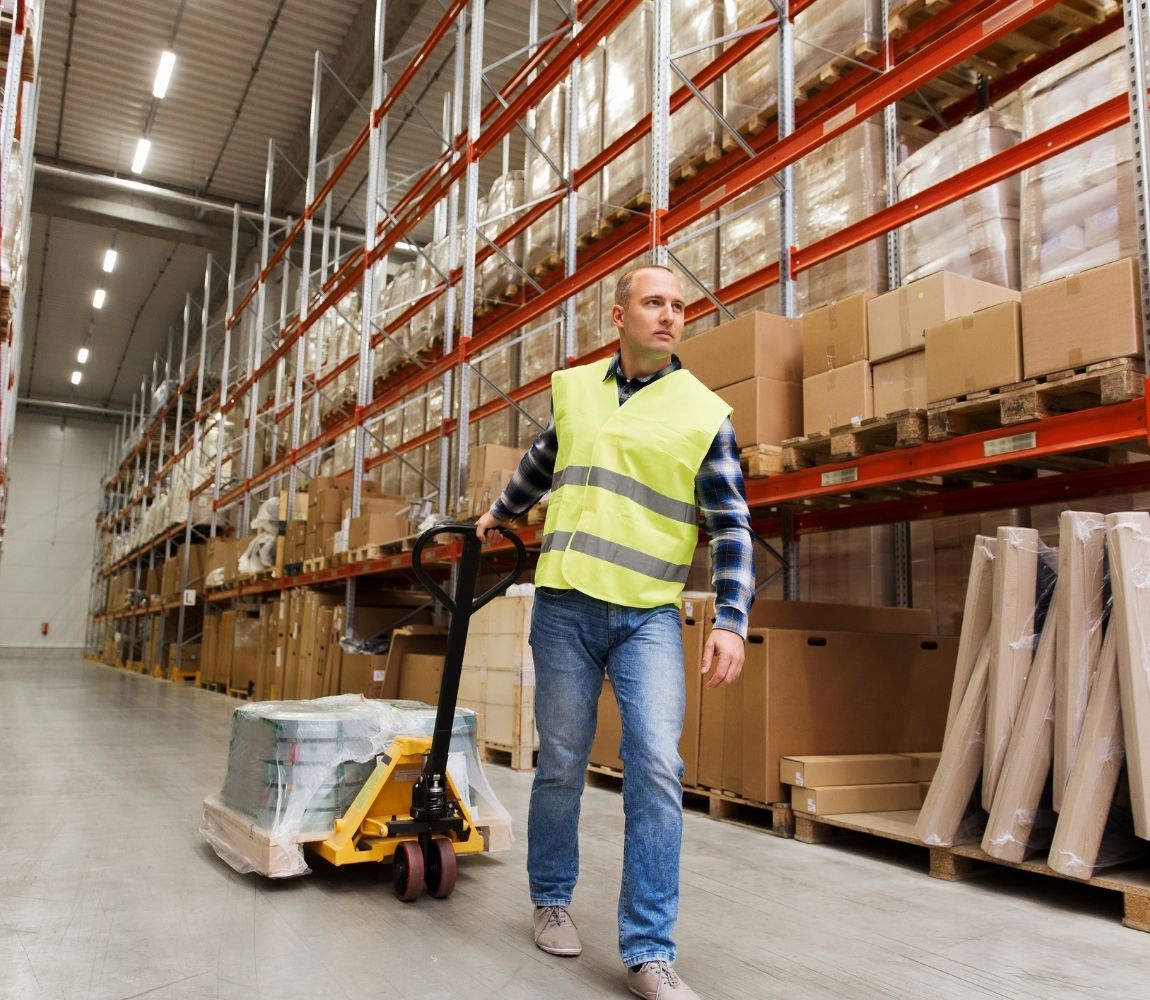
- “Warehousing” focuses on storage, inventory control, and handling; “distribution” focuses on fast order processing and outbound movement.
- In the United States, warehouses often provide value-added logistics services like labeling, light assembly, and pick-and-pack alongside storage.
- 3PL warehousing and distribution outsources storage + fulfillment + transportation coordination to specialists, often enabled by WMS technology and analytics.
- For regulated sectors like pharma, “storage and shipping” must align with cGMP-driven controls and traceability rules (including DSCSA).
Warehousing and distribution are the connected logistics functions that store inventory safely and move it efficiently to retailers, businesses, or end customers to meet service expectations.
Why Warehousing & Distribution Matter
Warehousing and distribution sit at the center of modern supply chains because they translate “inventory on paper” into products customers can actually receive-accurately, on time, and in good condition. A widely cited logistics definition frames logistics management as planning and controlling the forward and reverse flow and storage of goods from origin to consumption, which directly links storage decisions to delivery performance.
In the U.S., the economic weight is significant: the annual State of Logistics reporting presented by Penske Logistics and produced for CSCMP by Kearney reports U.S. business logistics costs on the order of trillions of dollars and a material share of GDP (the exact figure varies by year).
This guide explains what warehousing and distribution, how they differ, what “warehousing and distribution services” include, and how 3PL models and compliance requirements (including pharmaceutical warehousing and distribution) change the playbook.
Warehousing vs Distribution – Understanding the Difference
Warehousing is the function responsible for storing goods and managing the handling activities that protect inventory integrity and support accurate counts. In U.S. industry terms, “warehousing and storage” establishments provide facilities to store goods, keep them secure, and may provide logistics services, while not selling the goods they handle.
Distribution is the function that moves goods from storage to the next destination-a retail location, another node, or an end customer-through order processing, shipping, and transportation coordination. This aligns with formal logistics definitions emphasizing product flow to the “point of consumption.”
A practical facility distinction helps: a warehouse commonly emphasizes storage and inventory control, while a distribution center emphasizes faster processing-picking, packing, and shipping-so inventory “turns” more quickly.
The Importance of Integrated Warehousing & Distribution
When warehousing and distribution are managed as separate silos, you tend to see avoidable pain: stockouts despite “available” inventory, congested docks, last-minute premium freight, and rising return rates. Integrated distribution and warehousing management connects inventory decisions (where to store, how much, and how fast it moves) to outbound execution (how orders are picked, packed, and transported).
Integration usually improves performance because the “handoff” between storage and shipping is where time and errors accumulate. Warehouse systems are designed to orchestrate receiving, put-away, inventory management, picking, packing, and shipping, exactly the activities that bridge storage to outbound movement.
Types of Warehousing and Distribution Services
The term warehousing and distribution services typically refers to a menu of capabilities that can be combined depending on order profiles, product handling needs, and speed requirements. In U.S. industry descriptions, logistics services offered alongside storage commonly include labeling, breaking bulk, inventory control, light assembly, order fulfillment, packaging, pick-and-pack, and transportation arrangement.
Common service categories include:
- Storage + inventory management: pallet/rack storage, cycle counts, and secure holding.
- Cross-docking and transloading: transferring goods from inbound to outbound with minimal or no storage time to speed flow and reduce holding.
- Fulfillment and pick-pack: picking items from shelves and packing them for customer orders (especially e-commerce).
- Value-added services: labeling, packaging, kitting, and light assembly (often cited as typical logistics add-ons).
- Transportation coordination + returns handling: arranging transport and processing returns as part of reverse logistics.
Facility types are often chosen based on product constraints:
- Public warehouses (shared space rented short- or long-term) for flexibility and variable demand.
- Cold storage / refrigerated warehousing for temperature-sensitive goods (a dedicated industry category).
- Bonded warehouses, where imported dutiable goods can be stored in a secured area under customs rules.
3PL & Third‑Party Warehousing and Distribution
Third party warehousing and distribution is an operating model where a company outsources some or all logistics activities-storage, fulfillment, and transportation execution-to specialists. A common definition of third-party logistics (3PL) describes it as outsourcing a package of transport and logistics activities.
For 3PL warehousing and distribution, the provider typically manages:
- Warehouse execution: receiving, put-away, slotting, picking, packing, and shipping.
- Inventory management and visibility: WMS-driven location control, cycle counting, and task planning.
- Distribution execution: carrier coordination, shipment processing, and tracking as part of outbound transportation management.
Technology is a major differentiator. Gartner defines a Warehouse Management System (WMS) as software that manages and executes operations across a warehouse, distribution, or fulfillment center-covering tasks like receiving, put-away, inventory management, picking, packing, shipping, and labor/yard interfaces.
In regulated supply chains, the word “3PL” can also have specific legal meaning. For example, in an FDA context, a “third-party logistics provider” may be defined as an entity that warehouses prescription drug products on behalf of a manufacturer and does not take ownership-highlighting how responsibilities change by industry.
Warehousing and Distribution Logistics – Processes & Management
Strong warehousing and distribution logistics relies on consistent, measurable execution from inbound to final delivery. A typical flow includes:
- Receiving/inbound: verify counts and condition at the dock.
- Put-away: move product to an assigned location for efficient retrieval.
- Inventory control: maintain accurate records via cycle counting and controlled movements.
- Picking and packing: select items, confirm accuracy, pack to spec, and prepare labels/docs.
- Shipping + transportation: stage orders, load, and manage outbound movement to the next node or final customer.
Best-practice distribution and warehousing management is increasingly data-driven: WMS task orchestration, real-time status visibility, and continuous improvement loops tied to core KPIs (accuracy, cycle time, dock-to-stock, on-time ship).
Risk management matters, too-especially around damage prevention, product mix-ups, security, and contingency planning-because warehousing is fundamentally responsible for holding inventory safely until it can be distributed.
Industry Spotlight – Pharmaceutical Warehousing and Distribution
Pharmaceutical warehousing and distribution goes well beyond storing pallets. U.S. drug quality oversight relies on current Good Manufacturing Practice (cGMP) expectations, which set minimum requirements for methods, facilities, and controls used in drug manufacturing and related handling.
Within cGMP for finished pharmaceuticals, Subpart H (Holding and Distribution) requires written warehousing and distribution procedures, including controls such as quarantine before release and defined distribution procedures (including stock rotation expectations).
Temperature and condition control is also explicit in wholesale distribution guidance: 21 CFR §205.50 states prescription drugs must be stored at appropriate temperatures/conditions per labeling or an official compendium such as the United States Pharmacopeia.
Finally, traceability expectations have risen. The Drug Supply Chain Security Act (DSCSA) outlines steps toward interoperable, electronic identification and tracing of certain prescription drugs at the package level as they move through the supply chain, designed to help detect and remove harmful products.
Conclusion – Making the Right Warehousing & Distribution Decisions
Warehousing and distribution are distinct, storage and control versus movement and delivery, but they work best as one continuous system.
If you’re deciding between in-house, hybrid, or outsourced execution, focus on a few practical inputs: order volume patterns (steady vs seasonal), SKU velocity, product handling constraints (fragile, refrigerated, regulated), and the service promise you must meet. Those inputs determine the right blend of warehousing and distribution services and whether third party warehousing and distribution through a 3PL can add speed, flexibility, or compliance muscle.
Frequently Asked Questions (FAQ) – OLIMP Warehousing
Q: What is warehousing and distribution in simple terms?
Warehousing stores and manages inventory; distribution moves it from storage to the next destination or customer.
Q: Is a distribution center the same as a warehouse?
Not exactly. Warehouses emphasize longer-term storage; distribution centers emphasize fast processing, picking, packing, and shipping.
Q: What do warehousing and distribution services usually include?
In addition to storage, they can include labeling, packaging, inventory management, pick-and-pack, order fulfillment, and transportation arrangement.
Q: What does a 3PL do in warehousing and distribution?
A 3PL runs outsourced logistics activities like warehouse operations, fulfillment, and transportation coordination-often supported by WMS software.
Q: What is cross-docking and when is it useful?
Cross-docking transfers goods from inbound to outbound with minimal storage, useful for high-velocity products and faster flow.
You may be interested in

Finding the Right Distribution Warehouse: An Essential Guide for Your Business
Choosing the right distribution warehouse is a pivotal decision that can make or break your supply chain. The warehouse you select will directly affect your delivery speeds, shipping costs, and customer satisfaction. With so many options (from local facilities to nationwide 3PL networks), it’s essential to know what to look for. This guide explains what […]
What Is On-Demand Warehousing? Flexible Storage Solutions for Modern Supply Chains
On-demand warehousing is a flexible logistics solution that allows businesses to rent warehouse space and services on a short-term or pay-as-you-go basis. Instead of locking into long-term contracts, companies can scale storage as needed—ideal for seasonal inventory, unexpected overflow, or launching into new markets. OLIMP connects businesses to a nationwide network of vetted, available warehouses, […]
Public Warehouse: A Comprehensive Guide
Public warehouses are third-party storage facilities where multiple companies can rent space and services on a flexible basis. In other words, a public warehouse (or public warehousing facility) is a large, multi-client warehouse owned by an independent provider, not by a single company. Businesses facing seasonal surges or fluctuating inventory needs often use public warehousing […]
Ready to streamline your warehousing needs?
Request a quote today and discover how OLIMP's tailored solutions can optimize your operations