Warehouse Space in Houston: How to Choose the Right Facility for Fast, Reliable Logistics
02/05/2026
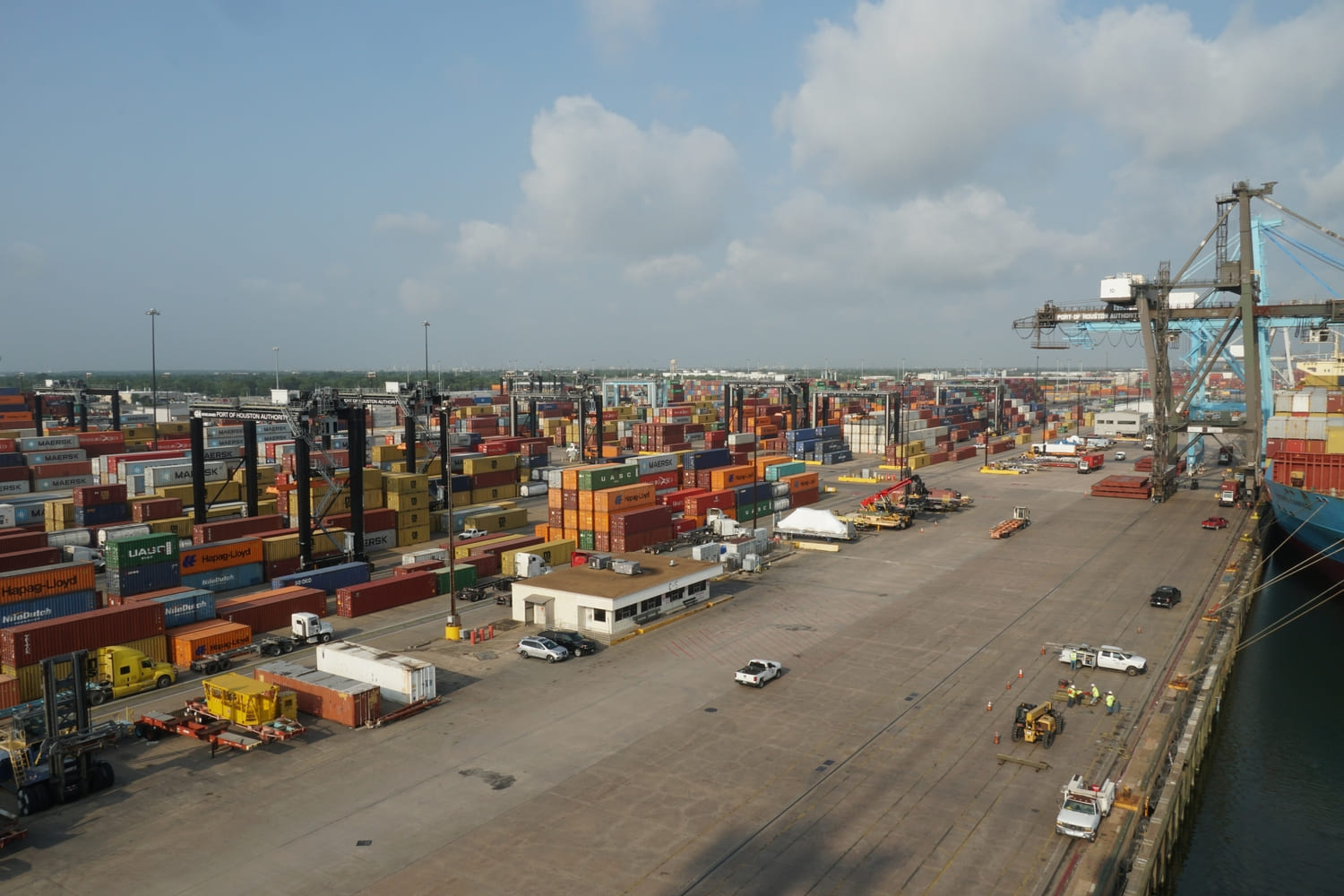
- Strategic location: Houston’s logistics network – including the Port of Houston, three major interstate highways (I‑10, I‑45 and I‑69) and rail/air connections – means companies can reach about half of the U.S. population within a 1,000‑mile radius.
- Record volumes at the Port of Houston: In 2025 the port handled 4.3 million TEUs and 54.5 million short tons, making it the nation’s largest port by waterborne tonnage and underscoring Houston’s status as a global trade gateway.
- Competitive industrial rents: Asking rents for industrial space in Houston averaged US$10.67 per square foot in 2026, with a typical range of $8–$13/SF – significantly lower than coastal markets.
- Vacancy and supply: Direct vacancy in Houston’s industrial market was around 7.3 % in Q3 2025, while warehouse/distribution space saw vacancy rates near 8 %. A healthy construction pipeline provides new options but also means desirable space disappears quickly.
- Service variety: Houston warehouses offer cross‑docking and transloading, temperature‑controlled storage, drayage, fulfillment, pallet rework, freight consolidation and other value‑added services. Choosing the right facility depends on your specific logistics needs.
- On‑demand flexibility: On‑demand warehousing lets businesses rent space on a short‑term, pay‑as‑you‑go basis to handle seasonal spikes or overflow. Companies can scale inventory up or down without long‑term leases.
- Industries served: Import/export traders, oil & gas firms, retailers, e‑commerce companies, food & beverage distributors, and freight brokers all benefit from Houston’s central location and diverse warehousing services.
Houston has become one of the strongest logistics hubs in the U.S., supported by its major port, central Gulf Coast location, strong highway network, and large industrial base. For companies looking for warehousing and distribution in Houston, the right facility can make a major difference in shipping speed, inventory control, and overall supply chain costs. Whether you need short-term storage, 3PL warehousing in Houston TX, or long-term inventory warehousing in Houston TX, this guide explains why Houston is a smart location and how to choose the best warehouse partner for your business.
Why Houston Is a Leading Warehousing & Distribution Hub
Houston’s geography and infrastructure make it one of the top places in the country for warehousing and distribution. Here are the main reasons Houston stands out:
- Major Port for Global Trade: Houston’s logistics prowess begins with the Port of Houston, a 52‑mile ship channel that handles the majority of Gulf Coast cargo. In 2025 the port recorded 4,303,345 TEUs – a 4 % increase over 2024 and the best year in its history. Total tonnage reached 54.5 million short tons. The port supports more than 200 private and eight public terminals, making it the largest U.S. port by waterborne tonnage. Its container terminals, Bayport and Barbours Cut, continue to expand capacity with new berths and cranes.
- Highway & Rail Connectivity: Houston sits at the crossroads of Interstate 10, I‑45, I‑69 and the I‑610 Beltway. This highway network links the Gulf Coast to major markets across the South and Midwest and allows businesses to reach 50 % of the U.S. population within a 1,000‑mile radius. Three Class I railroads and two international airports (George Bush and William P. Hobby) further enhance intermodal connectivity.
- Robust industrial base and workforce: Houston is the sixth‑largest industrial market in the United States. Its economy spans energy, petrochemicals, aerospace, manufacturing, retail and food & beverage, creating steady demand for warehouse space. A large, experienced logistics workforce and business‑friendly regulatory environment (including no state income tax) make Houston attractive for distribution centers.
- Competitive real‑estate costs: According to a 2026 industrial leasing report, the average asking rent in Houston is US$10.67 per square foot, with rents generally ranging from $8–$13/SF. These rates are lower than those in coastal cities like Los Angeles or New York, yet Houston still offers world‑class port and transportation infrastructure. Q3 2025 market data shows overall industrial vacancy around 7.3 % with warehouse/distribution space at 8 %, suggesting ample supply but strong demand. Tenants should act quickly when quality space becomes available.
Key Warehousing Services Companies Look For in Houston
When outsourcing to a Houston warehouse or 3PL, companies typically look for a range of warehousing services to support their logistics needs. Houston’s top warehousing providers offer many value-added services beyond just storing pallets. Here are some key services and capabilities to expect in Houston warehousing services:
- Cross-Docking & Transloading: Cross-docking is a popular service in Houston, especially for importers. It involves unloading incoming freight (often from the Port of Houston) and quickly loading it onto outbound trucks without long-term storage. This speeds up distribution and reduces storage costs. Houston cross-docking facilities help transfer cargo from containers to trucks or rail within hours, keeping goods flowing. Similarly, transloading is available for shifting freight between different transport modes (e.g. from an ocean container to an over-the-road trailer). With Houston’s high import volumes, demand for cross-dock and transload services is strong, as it lets companies respond quickly to incoming shipments and send them to final destinations fast.
- Short-Term and Long-Term Storage: Whether a business needs short-term warehousing in Houston (for seasonal inventory overflow or temporary storage) or a long-term distribution center, local warehouses can accommodate. Short-term storage options allow companies to pay for space only when needed, which is ideal for surges or project-based needs. Many Houston warehouses offer flexible month-to-month pallet storage plans alongside traditional long-term contracts. This flexibility is crucial in a dynamic supply chain environment.
- Drayage & Port Services: Coordinating container pick-ups from the port is another key service. Drayage refers to short-distance trucking, often from Port of Houston terminals to nearby warehouses. Top Houston 3PL providers have drayage capabilities or partnerships, ensuring your containers are collected from the port promptly and brought to the warehouse for unloading. They also handle container stripping and stuffing (unloading import containers and loading export containers) as needed. Efficient drayage and port handling means lower demurrage fees and quicker turnaround of containers, benefiting import/export operations immensely.
- Temperature-Controlled Storage: Houston’s hot, humid climate and the needs of certain industries make temperature-controlled warehouses a necessity. If you have perishable or sensitive goods (food, beverages, pharmaceuticals, chemicals), you’ll want a temp-controlled warehouse. Houston offers many facilities with refrigerated or climate-controlled sections to keep products at safe temperatures. These warehouses maintain cold storage for frozen goods or air-conditioned space for items that must avoid heat and humidity. Always verify a provider’s capabilities for temperature monitoring and any food-grade certifications if you require a clean, regulated environment for consumables.
- Freight Consolidation & Pallet Rework: Many Houston warehouses provide value-added services like freight consolidation, pallet rework, and quality control. Freight consolidation means combining multiple smaller shipments into one larger shipment to save on transport costs – useful for exporters sending out full containers or truckloads. Pallet rework services come into play when shipments need adjusting: for example, if pallets were damaged, stacked incorrectly, or need re-palletizing to meet retailer requirements. Houston facilities can break down and rebuild pallets, add or replace labeling, and shrink-wrap goods as needed. These services are especially handy if an incoming load from the port gets flagged for issues or needs to be split and reallocated to different destinations.
- Fulfillment Services (Pick & Pack): In addition to storage, many Houston warehousing services include fulfillment operations. This is important for retailers and e-commerce companies. Pick and Pack services involve picking individual items from inventory and packing orders for end customers or stores. A good Houston warehouse can serve as an order fulfillment center, handling e-commerce orders, B2B distribution, kitting, labeling, and shipping. Having fulfillment capabilities on-site means you can store products in Houston and have the warehouse ship orders directly to your customers, reducing transit time and shipping costs to the region.
- Heavy-Duty Handling & Specialized Equipment: Houston’s industrial economy sometimes involves heavy or oversized freight – think oilfield equipment, machinery, steel pipes, etc. Warehouses in the area often are equipped to handle oversized and heavy loads. This can include having high-capacity forklifts, cranes or hoists, and large dock doors or even outdoor laydown yards for big items. If your products are bulky or require special handling (hazardous materials, for example), ensure the warehouse has the necessary equipment and trained staff. Some Houston 3PL providers specialize in project cargo and heavy freight, supporting the energy and construction sectors.
In summary, the best warehouse facilities in Houston function as full-service logistics hubs. They not only store goods, but also help move and manage them – speeding up throughput with cross-docking, keeping products in optimal condition with climate control, and adding value through services like packing, labeling, and consolidation. When evaluating Houston warehousing services, make sure the provider offers a mix of services that align with your supply chain needs.
How to Evaluate a Warehouse in Houston (Quick Buyer Checklist)
When comparing warehouse space in Houston, focus on these essentials:
- Location: Proximity to Port of Houston, major highways (I-10, I-45, I-69), rail ramps, and 24/7 truck access.
- Facility Features: Check clear height, dock doors, racking, forklift capacity, and yard space for large freight.
- Services Offered: Look for 3PL capabilities like cross-docking, order fulfillment, pallet rework, and freight storage.
- Scalability: Can space and services adjust to seasonal or growth-related volume spikes?
- Technology: Ensure there’s a robust WMS, real-time tracking, and data visibility.
- Compliance & Safety: Look for food-grade or hazmat certifications, 24/7 security, and fire protection systems.
- Pricing: Transparent rates for storage, handling, and any extras-no surprise fees.
Choose a Houston warehouse that’s well-located, well-equipped, and ready to scale with your business.
Who Benefits Most from Warehousing in Houston?
Almost any industry can find value in Houston’s logistics network, but several types of businesses particularly benefit from using warehousing Houston has to offer. Here are some industries and scenarios where Houston warehouses provide significant advantages:
- Import/export traders: Businesses that import or export goods can stage inventory near the Port of Houston for quick access to domestic and international markets. Consolidating shipments locally streamlines global trade.
- Oil, gas & industrial firms: The energy and petrochemical sectors rely on warehouses for machinery, equipment and chemical storage. Heavy‑lift capabilities and proximity to refineries and rigs are critical.
- Retailers & e‑commerce brands: With more than seven million residents and access to multiple states, Houston is an ideal distribution hub. Retailers can shorten delivery times and reduce shipping costs by storing inventory locally.
- Food & beverage distributors: Temperature‑controlled storage keeps perishables safe and supports cold‑chain integrity. Houston’s port also handles imports like coffee and spices.
- Freight brokers & carriers: Transportation companies often need overflow or cross‑docking space when shipments miss appointment windows or require re‑routing. Flexible warehousing acts as a safety valve for schedule disruptions.
- Manufacturers & wholesalers: Warehouses provide staging for raw materials, components and finished goods, ensuring just‑in‑time delivery to regional customers or production lines.
In summary, Houston warehousing is a boon to any industry that values fast transit, central positioning, and flexibility. Whether you’re dealing with consumer goods, industrial equipment, international imports, or temperature-sensitive products, having a logistics foothold in Houston can accelerate your supply chain and expand your reach.
On‑Demand & Flexible Warehousing in Houston
On‑demand warehousing is a flexible logistics solution that allows businesses to rent warehouse space and services on a short‑term or pay‑as‑you‑go basis. Instead of committing to long leases, companies can scale storage up or down as needed – ideal for seasonal inventory, overflow or launching in new markets. Platforms like OLIMP connect businesses with a network of vetted warehouses nationwide.
Benefits of on‑demand warehousing:
- No long‑term leases: Rent space for weeks or months without multiyear commitments.
- Pay only for what you use: Costs scale with your inventory volume; you’re billed per pallet or square foot.
- Fast scaling: Add or release capacity quickly during holiday peaks, project surges or supply‑chain disruptions.
- Problem solving: When freight is delayed or rejected, on‑demand warehouses provide temporary space for rework, storage or re‑delivery.
- Network redundancy: Access multiple facilities across the Houston metro area to minimize delivery times and mitigate risk from weather or congestion.
This model gives companies the agility to respond to market changes while avoiding the cost and risk of fixed space. Many providers also integrate technology for real‑time tracking and seamless integration with order management systems.
Conclusion & Next Steps
Houston’s combination of a world‑class port, extensive transportation network, diversified economy and competitive industrial rents makes it one of the best places in the U.S. for warehousing and distribution. When evaluating facilities, look beyond basic storage: consider location, available services, scalability, technology and compliance. The right partner will offer a mix of cross‑docking, fulfillment, temperature‑controlled storage and value‑added services tailored to your supply chain.
If you’re ready to streamline your warehousing and distribution in Houston, OLIMP Warehousing Solutions provides flexible options – from short‑term pallet storage to full 3PL services and on‑demand warehousing. Our network of Houston facilities can help you move goods faster, reduce costs and improve supply‑chain visibility. Request a quote or reach out for a consultation to see how our tailored solutions can power your logistics.
Frequently Asked Questions (FAQ) – OLIMP Warehousing
Q: Why is Houston a strategic location for warehousing and logistics?
It’s home to a major port, key highways, and rail-ideal for fast, nationwide and global shipping.
Q: What warehousing services can I find in Houston?
Cross-docking, 3PL, short-term storage, temperature control, fulfillment, and freight rework.
Q: How do I choose the right warehouse in Houston?
Look for location, services, scalability, tech, safety, and transparent pricing.
Q: What is cross-docking and is it available in Houston?
Yes, cross-docking transfers freight directly from inbound to outbound trucks for faster delivery.
Q: What does a 3PL provider do in Houston?
A 3PL handles storage, fulfillment, transport, and logistics so you don’t have to.
Q: Are temperature-controlled warehouses available in Houston?
Yes, many offer cold storage and climate control for food, pharma, and sensitive goods.
Q: Can I get short-term warehousing in Houston?
Absolutely, many providers offer flexible, on-demand storage by pallet or square foot.
Q: What is cross‑docking, and why is it popular in Houston?
Cross‑docking transfers goods directly from inbound trucks or containers to outbound vehicles, minimizing or eliminating storage time. It is popular in Houston because the port receives high volumes of imports; quickly transferring goods to trucks reduces demurrage fees and speeds delivery.
Q: Why work with a 3PL provider in Houston?
A third‑party logistics (3PL) provider handles warehousing, fulfillment, transportation and value‑added services so you can focus on your core business. In Houston, 3PLs offer local expertise, drayage coordination, cross‑docking and technology‑driven visibility, making logistics more efficient.
You may be interested in
Logistics and 3PL Services in Jacksonville, FL: What Businesses Need to Know
Jacksonville, Florida sits at the westernmost deep‑water port on the U.S. East Coast and at the crossroads of major highways and railways. This strategic location, combined with strong port infrastructure and intermodal connections, has transformed the city into a bustling hub for logistics, shipping and third‑party logistics (3PL) services. Whether you’re a retailer needing overflow storage, a manufacturer shipping raw materials, or […]

Reliable Ecommerce Fulfillment & 3PL Services in California
California is one of the most important logistics markets in the U.S. for e-commerce brands, retailers, importers, and growing online stores. With access to major ports, large consumer markets, dense transportation networks, and strong warehousing infrastructure, the state gives businesses many options for fulfillment, storage, shipping, and distribution. For online retailers, California’s strengths make it […]

Kansas City Warehousing: Public, Contract & FTZ Benefits
Choosing where to position inventory is one of the most consequential decisions in a supply‑chain network. Facility location determines how quickly you can deliver orders, how much you spend on transportation and how well you can serve national customers. A poorly placed warehouse can translate into long haul routes, missed service levels and excess stock. […]
Ready to streamline your warehousing needs?
Request a quote today and discover how OLIMP's tailored solutions can optimize your operations