What Is Drayage? Meaning, Types, Costs, and How It Works
05/07/2025
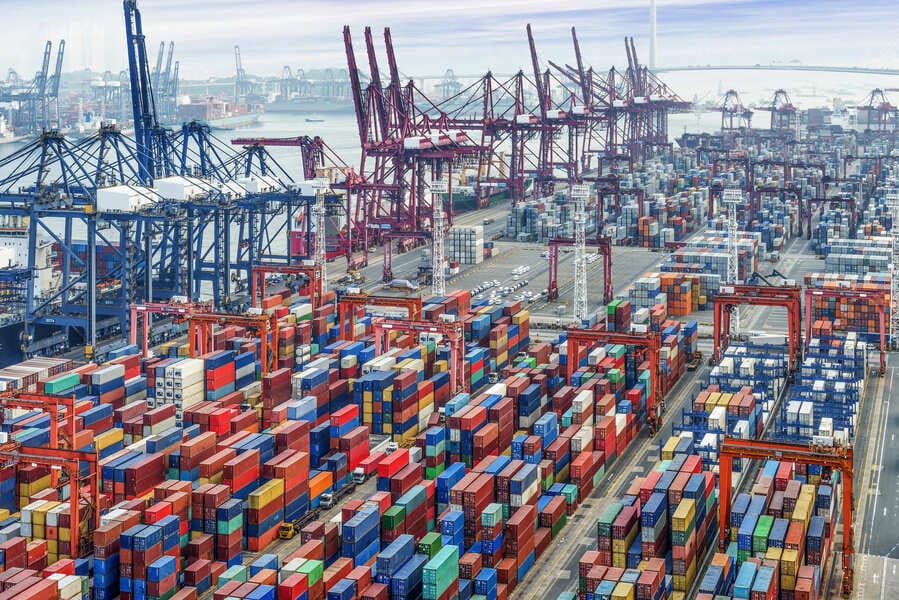
Drayage is the short-distance transportation of freight, usually a shipping container, between a port, rail terminal, warehouse, or another nearby facility. It connects the local pickup or delivery leg with the rest of a shipment’s journey.
For example, moving an imported container from a marine terminal to a nearby warehouse is drayage. The ocean crossing is a separate transportation leg.
What Does Drayage Mean in Shipping?
In shipping, drayage describes a local transportation service within a larger freight movement. It can connect a vessel to inland distribution, a rail terminal to a warehouse, or a shipper’s facility to an export terminal.
A typical import example looks like this:
- A container arrives at a seaport and becomes available for pickup.
- A drayage carrier transports it 25 miles to a warehouse.
- The warehouse unloads the products for storage or onward shipping.
- The carrier returns the empty container to the designated location.
The 25-mile journey is an illustration, not a mileage requirement. Drayage distances vary by market and destination.
What Are Drayage Trucks and Containers?
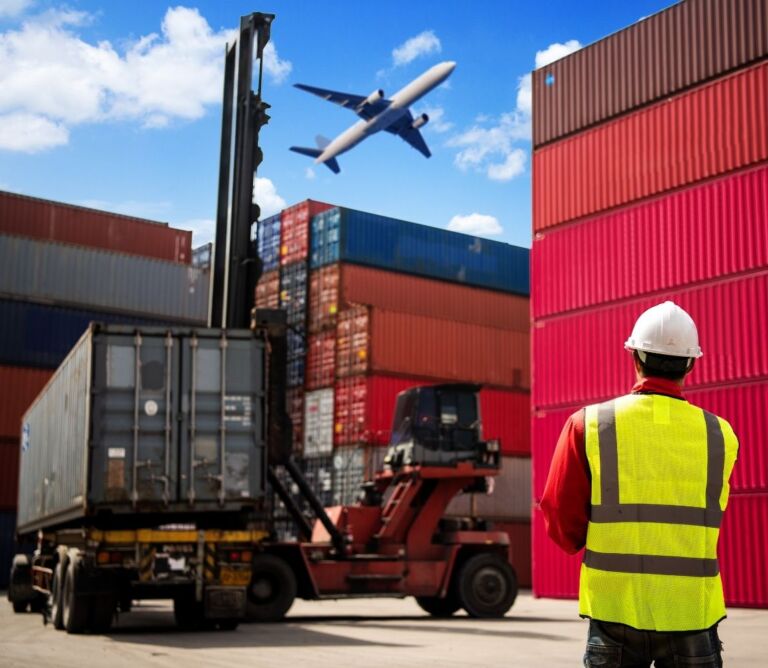
A drayage truck is typically a road tractor that pulls a shipping container mounted on a container chassis. The chassis is the wheeled frame supporting the container; it is separate from both the truck and the container.
There is no special container category called a “drayage container.” Carriers transport standard intermodal containers, including 20-foot and 40-foot ocean containers and 53-foot domestic containers, using compatible equipment.
Container dimensions, loaded weight, and cargo requirements affect equipment selection. Refrigerated freight and heavy loads may require additional planning.
What Are the Main Types of Drayage?
Drayage labels describe the route, the carriers involved, or the urgency of the move. They can overlap: one shipment may require both port drayage and expedited service.
| Type | What it means | Example |
|---|---|---|
| Port or pier drayage | Container transport to or from a marine terminal | Moving an import container to a nearby warehouse |
| Rail drayage | Truck transport to or from an intermodal rail terminal | Delivering a container from a rail ramp to a distribution center |
| Inter-carrier drayage | A transfer connecting different carriers | Moving a container between two carriers’ terminals |
| Intra-carrier drayage | A move between facilities within one carrier’s network | Transferring a container between that carrier’s local facilities |
| Shuttle drayage | A short transfer to a holding yard or temporary location | Moving a container off-terminal until the receiver can accept it |
| Expedited drayage | A prioritized move for urgent freight | Arranging the earliest available pickup for production materials |
| Door-to-door drayage | Direct container delivery from a terminal to the receiver’s premises | Delivering an import container to a manufacturer’s loading dock |
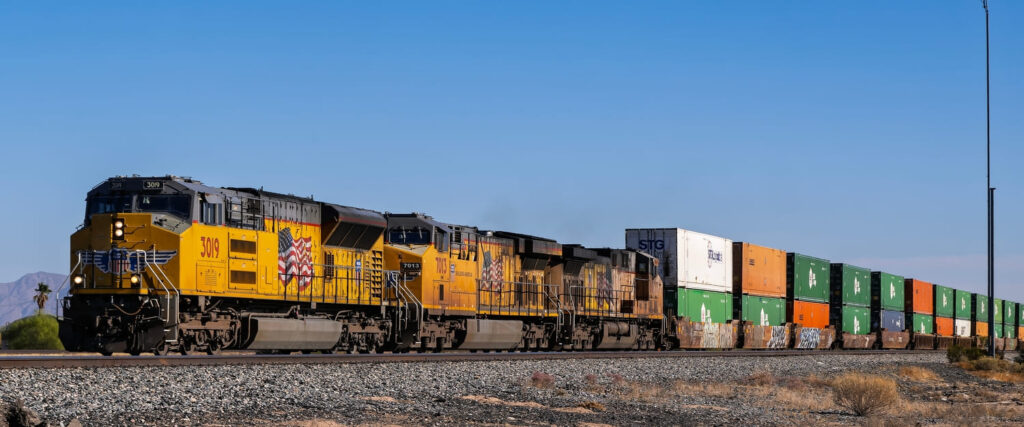
Intermodal drayage describes the truck connection within a journey using multiple transportation modes. Port and rail drayage can both be part of that journey.
Expedited service still depends on container release, terminal access, equipment, and appointment availability.
How Does Drayage Shipping Work?
A typical import drayage move involves five stages.
1. Confirm Availability and Release
A container discharged from a vessel is not automatically ready for pickup. Confirm terminal availability, required customs and carrier releases, and any remaining holds.
Check the applicable last free day: the final day for pickup before the relevant terminal-related charges begin.
2. Coordinate the Truck, Chassis, and Appointments
Arrange the terminal pickup and receiving appointment together. Confirm the correct chassis, container details, and delivery instructions.
Requirements vary by terminal, so verify gate access and pickup documentation before dispatch.
3. Pick Up and Transport the Container
The driver collects the released container and transports it to the warehouse, rail ramp, or other agreed destination. The freight normally remains inside the container during this movement.
4. Unload or Drop the Container
With a live unload, the driver waits while the receiving team unloads the freight. With a drop arrangement, the container is left at the facility and collected later.
Agree on unloading arrangements in advance. A drop can free the driver sooner, but equipment rental and container-use charges may continue.
5. Return the Equipment and Close the Move
After unloading, return the empty container to the location designated by the shipping line or equipment provider. Follow the separate instructions for returning or reusing the chassis.
Retain delivery and equipment-return records. Warehouse delivery alone does not confirm that the empty container has been returned.
Export drayage commonly reverses the flow: an empty container goes to the shipper for loading, then the loaded container goes to the export terminal within its receiving window and before the cutoff.
How Is Drayage Different From Transloading and Intermodal Shipping?
These terms describe different parts of the same shipment.
| Service or process | Main function | What happens to the freight? |
|---|---|---|
| Drayage | Moves freight locally between facilities | Cargo usually stays inside its container during transport |
| Intermodal shipping | Combines transportation modes, such as truck and rail | The same container travels between modes without unloading the goods |
| Transloading | Transfers cargo between transport equipment | Goods are unloaded and reloaded, such as from an ocean container into a domestic trailer |
| Cross-docking | Transfers incoming freight to outbound transport with little or no storage | Goods move through a facility for onward shipment |
The distinction between intermodal shipping and transloading is whether the goods remain in the same container when changing transport modes.
A shipment can use several of these services. A truck may dray a container to a warehouse, where the transloading process transfers its contents into outbound trailers. If the freight moves through with minimal storage, the facility may also use a cross-docking workflow.
What Affects Drayage Costs?
Drayage pricing depends on the lane, container specifications, equipment, timing, and work required. A short trip can still cost more if it involves long waits or additional stops.
Ask for an itemized quote covering:
- Base transportation: The agreed pickup and delivery, including whether empty return is covered.
- Fuel and terminal charges: Applicable surcharges or pass-through fees.
- Chassis usage: Rental duration, minimum charges, and any extra trip to collect or return a chassis.
- Driver waiting time: Charges after the included waiting allowance.
- Additional moves and storage: Pre-pulls, yard storage, drops, and later collection.
- Special requirements: Refrigeration, heavy-load equipment, or other handling needs.
How Do Demurrage and Detention Differ?
Demurrage and detention are separate from the basic cost of moving a container:
- Container demurrage generally applies when a container remains at a marine terminal beyond the allowed free time.
- Container detention, sometimes billed as per diem, generally applies when equipment is kept outside the terminal beyond the allowed period.
- Truck detention or driver waiting time concerns the truck and driver waiting beyond an agreed allowance.
Terminology and billing arrangements vary. Terminal storage may also be charged separately. Confirm each charge’s trigger, free time, and responsible billing party before comparing quotes.
How Can You Reduce Drayage Delays and Extra Charges?
Plan pickup, warehouse receiving, and empty return as one connected schedule. Monitor container availability and holds, then confirm labor and unloading space before dispatch.
Container tracking tools can support visibility, but verify pickup eligibility and appointments through the relevant terminal and carrier systems.
If the receiver cannot accept the container before its last free day, ask about a pre-pull: collecting it from the terminal and holding it at an off-terminal yard before delivery. Compare the extra move, yard storage, and chassis costs with the charges the plan may avoid.
When the goods need a longer holding period, unloading them into short-term pallet storage near major ports may help return the container sooner. Confirm unloading capacity and the empty-return plan before booking.
What Information Do You Need for a Drayage Quote?
Provide the details that determine equipment, timing, and service scope:
- Pickup terminal and delivery address.
- Container quantity, numbers, sizes, and types.
- Cargo description, weight, and special handling requirements.
- Expected availability date, release status, and last free day.
- Receiving hours, appointment requirements, and unloading arrangements.
- Any need for a pre-pull, yard storage, transloading, or warehouse storage.
- Known empty-return location and deadline.
When choosing a drayage carrier, ask about experience at the specific terminal, chassis access, communication during delays, and the full schedule of additional charges. Confirm who monitors pickup deadlines and equipment returns.
Arrange Drayage and Warehouse Support With OLIMP
OLIMP helps coordinate container moves with warehouse services such as transloading, temporary storage, and cross-docking.
If your shipment needs a connection between a terminal and a warehouse, explore our container drayage services. Share the pickup location, destination, container details, and timing so our team can assess the requirements and available options.
Frequently Asked Questions (FAQ) – OLIMP Warehousing
Q: What does drayage mean in simple terms?
Drayage means moving freight a short distance as part of a longer shipping journey. A common example is trucking a container from a port to a nearby warehouse.
Q: What does a drayage service include?
It typically includes container pickup and local transportation. Appointment coordination, chassis use, empty return, storage, and unloading may be included or priced separately, so confirm the scope in the quote.
Q: What is the difference between drayage and freight?
Freight means goods transported commercially, or the transportation service itself. Drayage is one specific freight service: a local move connecting facilities such as ports, rail terminals, and warehouses.
Q: What is a drayage container?
It is a shipping container being moved on a drayage leg, rather than a distinct container design. The carrier selects a chassis suited to the container’s dimensions and loaded weight.
Q: How far can a drayage truck travel?
Drayage usually serves local or regional routes. There is no universal 50-mile cutoff; the distance depends on the terminal, destination, and carrier’s service area.
Q: How long does drayage take?
Timing depends on release status, appointments, terminal queues, chassis availability, unloading, and empty return. The drive may be short, but the full operation can take longer. Confirm the pickup, delivery, and return schedule with the provider.
Q: Is drayage the same as demurrage?
No. Drayage is transportation. Container demurrage generally applies when a container stays at a marine terminal beyond the allowed free time. A shipment may incur both transportation charges and demurrage.
You may be interested in

Intermodal Drayage: Definition, Benefits, Costs & Comparisons
Intermodal drayage is the short-distance trucking bridge between major transport modes in a multimodal supply chain. It connects ocean vessels, railroads and distribution centers so that a shipping container can move seamlessly without being unloaded. Efficient drayage management keeps containers moving, reduces delays and avoids unnecessary warehousing. This article explains how intermodal drayage works, its […]

Intermodal Shipping: The Smart, Efficient Way to Move Freight
Intermodal shipping refers to moving freight by two or more transportation modes (truck, rail, ship, etc.) using standardized containers. Cargo stays sealed inside its container during transfers, reducing handling and speeding up delivery. This containerized approach cuts costs and transit time for long-distance shipments, making intermodal freight shipping a cost-efficient, secure method to move goods. […]
What Is Rail Transloading? Complete Guide & Case Study
Getting goods from origin to destination is rarely a straight line. When highways clog with traffic or drivers are scarce, switching from trucks to trains can drastically reduce costs. Rail transloading – the practice of moving freight between trucks and railcars – makes this possible. A single railcar can replace three to four truckloads, and […]
Ready to streamline your warehousing needs?
Request a quote today and discover how OLIMP's tailored solutions can optimize your operations