Best Container Tracking Tools & Software for 2026
05/20/2026
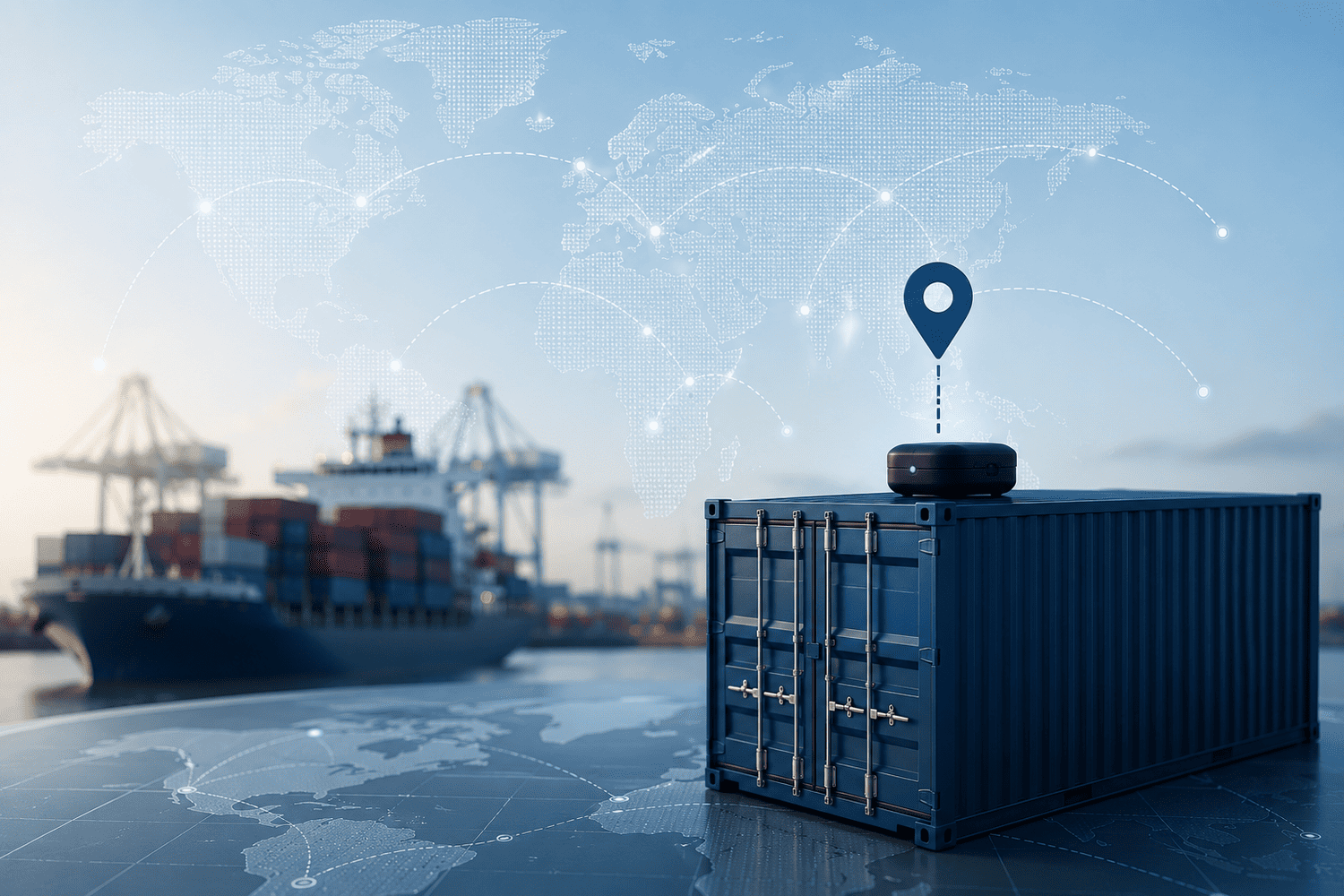
- There is no universal “best” container tracker. Choose according to the problem: public lookup, enterprise visibility, API integration, predictive maritime intelligence, or physical GPS/IoT tracking.
- Modern container tracking platforms combine multiple data sources. These commonly include carrier API or EDI events, standardized shipment events, AIS vessel positions, port and terminal feeds, rail data, schedules, and sometimes GPS/IoT sensors.
- AIS is not container GPS. AIS reports a vessel’s position. A platform may infer the location of a container traveling aboard that vessel, but independent physical tracking requires a device associated with the container or cargo.
- For enterprise visibility, platforms such as project44 and FourKites emphasize broad ocean and multimodal workflows; for API-first ocean data, Vizion is designed around standardized tracking integrations; for quick online tracking, tools such as ShipsGo, GoComet, SeaRates, and track-trace address lighter-weight lookup use cases. These categorizations are based on the providers’ current published capabilities rather than independent ranking tests.
- For a genuinely lost, misplaced, theft-sensitive, or condition-sensitive asset, physical GPS/IoT solutions deserve separate consideration because they can generate location or sensor data independently of normal carrier milestone reporting.
Knowing that a container is “in transit” is no longer enough. Shippers, freight forwarders, importers, and logistics teams increasingly need to know what happened to a container, where its vessel is, whether its ETA has changed, whether it has reached a terminal or rail ramp, and when an exception requires action.
The best container tracking solution depends on which of those questions you need to answer.
A multi-carrier visibility platform may be the right choice for a large importer managing thousands of ocean shipments. An API-first container tracking platform may be better for a software company building visibility into its own system. A free tracking website can be sufficient for occasional lookups. And when you need independent physical location or condition data from the container itself, a GPS/IoT device is a separate and often more appropriate solution category. Current industry standards and vendor architectures reflect this mix of carrier events, AIS information, terminal data, rail feeds, and device-generated IoT telemetry.
What Is Container Tracking and Why Does It Matter?
Container tracking refers to the process of monitoring a container’s location, condition and history throughout its journey. It uses technologies like GPS, AIS (Automatic Identification System), IoT sensors and RFID to collect data on position, status (empty/loaded) and environmental conditions such as temperature and humidity. Tracking delivers three major benefits:
- Real‑time visibility and control: Shippers, freight forwarders and customers can see the exact location and status of containers at any time, improving planning and decision‑making.
- Security and risk mitigation: Alerts about unauthorised movements or anomalies help prevent theft, misplacement and tampering.
- Operational efficiency: Accurate data on location and status optimises routing, reduces idle time, avoids bottlenecks and lowers demurrage and detention costs.
Effective tracking also provides a detailed movement history, aiding performance analysis and process improvement. With global supply chains handling hundreds of millions of TEUs annually, the ability to monitor containers precisely is vital for smooth operations.
Key Features of the Best Container Tracking Tools
A powerful container tracking tool does more than display a vessel’s current position. It consolidates data, generates insights and integrates with other systems to support end‑to‑end supply chain management. Below are the features that distinguish the best tools.
Real‑Time Tracking and Notifications
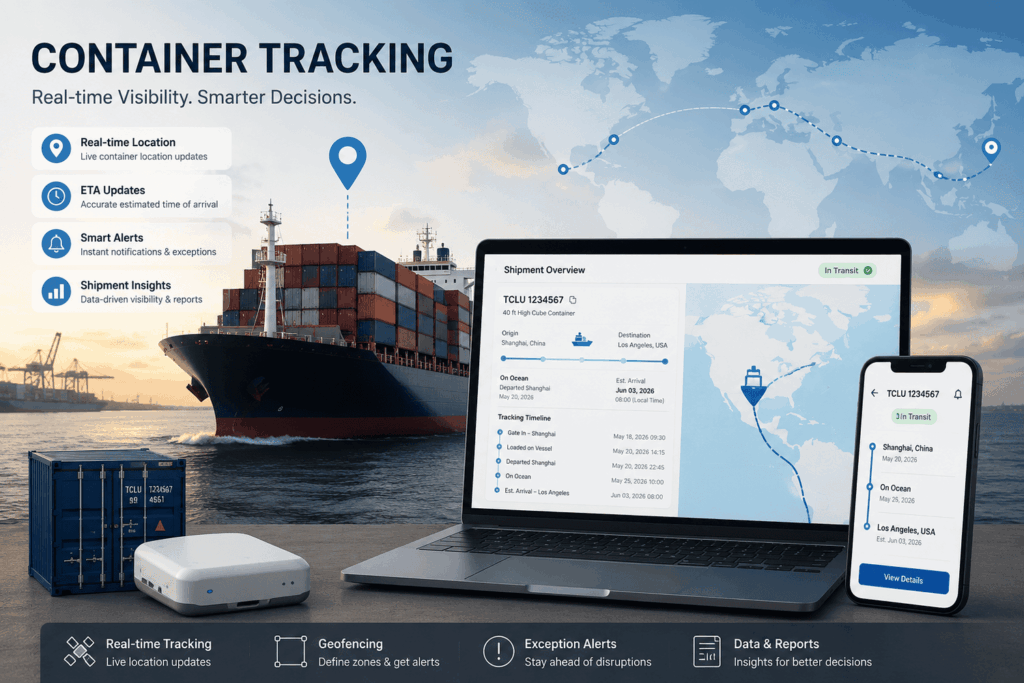
At the core of any tracking solution is continuous visibility. Modern tools integrate with GPS, RFID and carrier systems to provide up‑to‑date information on a container’s location and status. The benefits include immediate updates, proactive alerts about delays or customs issues, and better coordination between freight forwarders, customers and carriers. Real‑time tracking isn’t limited to vessel movements; it also covers inland transport through AIS, IoT sensors and telematics, ensuring visibility across sea, rail and road.
Why it matters: Delays or misrouting can cost thousands in demurrage or lost business. By receiving instant notifications when a container is loaded, discharged, rolled or delayed, logistics teams can take corrective action quickly, reassign equipment or inform downstream partners, avoiding costly surprises.
Multi‑Carrier Coverage and Integration
Global shipments often involve multiple shipping lines, freight forwarders and modes of transport. A tracking tool should seamlessly collect data from different carriers and consolidate it into a single view. Multi‑carrier support allows users to monitor containers from various carriers in one place, increasing flexibility and streamlining operations. Robust carrier onboarding and a broad network of coverage across vessels, barges and ports ensure that the tool delivers comprehensive visibility across routes and regions.
Integration is equally important. Effective tools connect with Transportation Management Systems (TMS), Enterprise Resource Planning (ERP), Warehouse Management Systems (WMS) and customs platforms. Seamless integration centralises data, reduces manual tasks and enables informed decision‑making. Look for a solution that offers API connectivity or ready‑to‑integrate modules to ensure consistent tracking across all partners and systems.
Data Quality and Analytics
Precise decisions require accurate data. Leading platforms emphasise completeness, low latency and accuracy of tracking information. Without complete data, critical updates may be missed or misinterpreted, resulting in costly errors. Near‑real‑time updates prevent delays in pickup and minimise demurrage fees. Data validation and human oversight help ensure reliability.
Beyond accurate data, advanced tools leverage artificial intelligence and machine learning to deliver predictive insights. Detailed reports on carrier performance and historical data help businesses identify high‑risk routes and optimise future shipments. Predictive ETAs that factor in port congestion and historical performance enable proactive planning and improve on‑time delivery rates. Actionable analytics also support root‑cause analysis and continuous improvement.
Port and Terminal Visibility
Tracking a container on a vessel is only part of the story. Delays often occur at terminals, so the best tools provide granular port data. Port terminal visibility includes milestones such as Earliest Receipt Date (ERD) and vessel cut‑off times, which help logistics teams plan deliveries and avoid additional storage costs. Precise information about the specific terminal location within a port enables better truck planning and pick‑up coordination. Alerts for the Last Free Day (LFD) minimise demurrage charges by prompting timely container retrieval.
Alerts, Exceptions and Notifications
Event‑based alerts keep stakeholders informed of critical changes, such as container loading/unloading, customs clearance, route deviations or unexpected delays. The ability to configure alert types, frequency and recipients prevents notification overload while ensuring no blind spots. Exception management tools allow teams to focus on outliers and mitigate disruptions quickly.
User Experience and Collaboration
A simple, user‑friendly interface encourages adoption across logistics teams. Dashboards should allow users to track multiple shipments without switching tabs and present information in a clear, easy‑to‑understand format. Supporting multiple languages facilitates collaboration with international partners. Built‑in messaging and data‑sharing functions enable real‑time communication among internal and external stakeholders, streamlining collaboration and reducing reliance on email.
Security and Data Privacy
With increasing digitalization, cybersecurity is critical. Cyber attacks, ranging from ransomware to data theft, can disrupt operations and compromise sensitive shipment data. Effective container tracking platforms employ robust security measures such as encryption, authentication mechanisms and ISO 27001 certifications to protect data and meet regulatory requirements. DNV emphasises that only cyber‑secure vessels and shore‑side systems can unlock the full potential of digital technologies; secure infrastructures enable remote monitoring, smart containers and other advanced services.
Mobile and Cloud Accessibility
Supply chain professionals need access to tracking data on the go. Many solutions offer mobile apps or responsive web interfaces so users can check container status anytime, anywhere. Cloud-based platforms centralise shipment data, automate disruption alerts and standardise milestones across carriers and regions.
What Are Some Popular Container Tracking Tools?
Several container tracking platforms are widely used across the logistics industry. Different tools focus on areas such as real-time visibility, predictive ETAs, API integrations, shipment analytics, and multimodal tracking.
Some commonly used container tracking solutions include:
- Project44: Known for real-time supply chain visibility and multimodal shipment tracking.
- FourKites: Focuses on predictive visibility, automation, and logistics analytics.
- Vizion: Popular for API-based container tracking and carrier connectivity.
- GoComet: Provides container visibility, freight management, and reporting tools.
- ShipsGo:Often used for simple container and shipment tracking workflows.
- SeaVantage: Offers maritime visibility and ocean freight analytics solutions.
The best container tracking tool depends on shipment volume, integration requirements, global coverage, and the level of visibility needed across the supply chain.
Advanced Technologies Shaping Container Tracking
The field of container visibility is evolving rapidly. The best tools harness emerging technologies to provide deeper insights and greater control.
IoT Sensors and Smart Containers
Smart containers incorporate Internet of Things (IoT) sensors to monitor location and environmental conditions. Integrated sensors track temperature, humidity, shock and vibration, ensuring that sensitive goods like pharmaceuticals or electronics remain within safe limits. These devices transmit data to a cloud platform, enabling real‑time processing and global accessibility. By providing accurate arrival predictions and alerts for schedule deviations or environmental changes, smart containers prevent bottlenecks and reduce damage risks.
Smart containers also contribute to sustainability. Accurate location data reduces unnecessary repositioning of empty containers, cutting carbon emissions and improving fleet utilisation. Sensor data helps optimize route planning and improve the number of trips per container, boosting asset utilisation and lowering transportation costs. For refrigerated units, remote monitoring allows crews to ensure cooling systems are functioning correctly, preventing spoilage and improving energy efficiency.
Predictive Analytics and AI
Modern tracking platforms employ AI and machine learning to analyse historical and real‑time data, forecasting potential delays, port congestion and estimated arrival times. Predictive ETAs provide more accurate delivery windows than static carrier estimates, improving scheduling for drayage, customs clearance and production. AI‑driven analytics identify trends, highlight bottlenecks and evaluate carrier performance, enabling data-driven decisions and negotiation leverage.
Blockchain, 5G and Beyond
Emerging technologies promise further enhancements. Blockchain-based smart contracts can secure container data and automate transactions, increasing transparency and reducing the risk of fraud. The rollout of 5G networks will enable faster data transmission and improved IoT connectivity, enhancing the accuracy and timeliness of tracking information. Drones and satellite-based monitoring are being explored to provide coverage in remote areas and overcome signal loss at sea. As these technologies mature, container tracking tools will become even more powerful and reliable.
Challenges in Container Tracking and How Good Tools Address Them
Despite significant progress, container tracking faces persistent challenges that can affect reliability and cost. Advanced tools tackle these issues through technology and process improvements.
- Data management issues: Inconsistent and delayed data complicates accurate tracking. Integrating multiple data sources and ensuring real‑time updates are essential for timely decisions.
- Operational and logistics obstacles: Time-sensitive shipments, route optimisation, container misplacement and system integration are everyday challenges. Sophisticated tools maintain constant visibility, optimize routes and integrate with legacy systems to streamline operations.
- Technological limitations: Connectivity gaps in remote areas and the durability of tracking devices can hamper real‑time monitoring. Solutions include combining satellite and terrestrial networks and using resilient, weather-resistant hardware.
- Environmental factors: Weather events and geographical barriers disrupt schedules and tracking systems. Predictive analytics and multi-source data help anticipate disruptions and adjust plans accordingly.
- Human error and security: Incorrect data entry and cyber attacks can undermine tracking efforts. Automating data capture, training staff and implementing robust security protocols (encryption, authentication, regular audits) reduce these risks.
Good container tracking tools address these challenges by providing automated data collection, robust integration, predictive analytics and strong security measures. They allow companies to move from reactive problem solving to proactive control.
How to Choose the Right Container Tracking Tool
Selecting a container tracking solution involves assessing your operations, technology requirements and long‑term goals. Consider the following steps:
- Define your visibility needs: Identify the modes of transport, geographic coverage and volume of containers you manage. Determine whether you need basic tracking, end-to-end visibility or advanced analytics.
- Evaluate data accuracy and latency: Ensure the platform delivers comprehensive, near‑real‑time updates. Look for evidence of robust data validation and human oversight to maintain quality.
- Check network coverage and integration: Confirm that the tool supports multiple carriers, ports and terminals and offers integration with your TMS, ERP and customs systems.
- Assess analytics and reporting capabilities: Choose a solution with advanced analytics, predictive ETAs and customizable reports. This will help you optimize routes, evaluate carriers and plan proactively.
- Examine user interface and collaboration features: A clear dashboard, multilingual support and built‑in communication tools improve adoption and collaboration across teams.
- Verify security and compliance: Ensure the platform employs encryption, authentication and certifications (e.g., ISO 27001) to protect sensitive data and comply with industry standards.
- Consider scalability and total cost of ownership: Look for a solution that can grow with your business. Evaluate pricing models, implementation effort, training requirements and potential ROI. Note that comprehensive visibility solutions have been shown to reduce detention and demurrage charges by 35‑45%, cut manual tracking labour by 60‑70% and improve on‑time delivery rates significantly.
By following these steps, you can identify a container tracking solution that aligns with your operations, maximises efficiency and delivers long-term value.
Conclusion
A modern container tracking tool is not just a convenience – it is a strategic investment that transforms how businesses manage global shipments. By leveraging real‑time tracking, multi‑carrier coverage, predictive analytics, port visibility and robust integration, companies gain the insight needed to anticipate disruptions, optimise operations and delight customers. Emerging technologies like IoT smart containers, AI and blockchain promise even deeper visibility and efficiency in the years ahead.
If you are evaluating container tracking solutions, focus on data quality, network coverage, analytics capabilities, user experience, security and scalability. Choosing a tool tailored to your supply chain will help you move from reactive problem‑solving to proactive control, saving costs and building resilience in your logistics operations.
Frequently Asked Questions (FAQ) – OLIMP Warehousing
Q: How does container tracking work?
Container tracking systems monitor the location, status and condition of a container using GPS, AIS, RFID and IoT sensors. They record milestones such as loading, vessel departure, arrival and discharge. Real‑time data is transmitted to a central platform, giving stakeholders up-to-date visibility into their shipments.
Q: Why is real‑time container tracking important?
Real‑time tracking provides immediate updates on container location and status. It enables proactive management of delays, reduces demurrage and detention costs, optimises routes and improves customer satisfaction. Without real-time visibility, shippers may face costly disruptions and manual follow-ups.
Q: What key features should I look for in a container tracking tool?
Essential features include real-time tracking across carriers, accurate and timely data, predictive analytics (e.g., predictive ETAs), port terminal visibility, configurable alerts, integration with TMS/ERP/WMS systems, user-friendly dashboards, and strong security measures.
Q: What are smart containers?
Smart containers are shipping containers fitted with IoT sensors that monitor location, temperature, humidity, shock and vibration. These sensors transmit data in real time, enabling precise arrival predictions and proactive management of environmental conditions. Smart containers reduce detention fees, improve asset utilisation and contribute to sustainability by minimising empty moves.
Q: How does container tracking enhance supply chain sustainability?
Efficient tracking optimises routes and reduces idle time, lowering fuel consumption and emissions. Smart container data helps optimize fleet utilisation, reduce unnecessary repositioning and provide accurate CO<sub>2</sub> emissions data, supporting more sustainable logistics operations.
Q: Can container tracking tools integrate with my existing systems?
Yes. Leading platforms offer APIs and ready‑to‑integrate modules that connect with TMS, ERP, WMS and customs systems. Integration centralises data, automates workflow and improves collaboration across stakeholders.
Q: What data sources power modern container tracking platforms?
Modern container tracking platforms can combine carrier APIs, EDI messages, DCSA-standard events, port and terminal feeds, AIS vessel positions, rail/intermodal data, schedules, and GPS/IoT telemetry. Some platforms then use historical and contextual information to calculate predictive ETAs. AIS tracks the vessel rather than independently locating the container itself.
Q: What is the best container tracking software for real-time global visibility?
There is no single best platform for every business. project44 and FourKites are candidates for enterprise multimodal visibility; Vizion targets API-first ocean container data; SeaVantage emphasizes maritime visibility and predicted arrivals; and ShipsGo or GoComet can fit lighter self-service requirements. Test providers on your own carriers, ports, and trade lanes before selecting one.
Q: How can I choose the best container tracking solution?
Start with the problem you need to solve, then compare coverage, source transparency, event latency, ETA performance, terminal and rail visibility, exceptions, API/webhook support, security, implementation effort, and total cost. Run a pilot using real shipments rather than relying solely on vendor feature lists.
Q: What are the top solutions for tracking lost or overdue containers?
For overdue shipments moving through normal carrier networks, use carrier tracking or a multi-source platform that combines carrier, AIS, terminal, and rail events. For a physically misplaced, stolen, or high-risk asset, consider GPS/IoT hardware that provides independent telemetry from the asset or cargo.
Q: What is the best container tracking website for a quick lookup?
The carrier’s own site is often best for a single known-carrier shipment. For multi-carrier online tracking, GoComet, ShipsGo, SeaRates, and track-trace are current options worth evaluating depending on the carrier and level of information required.
Q: Can shipping containers be tracked with GPS?
Yes, when a GPS/IoT device is attached to or travels with the asset or cargo. Depending on the device, it may transmit physical location and condition information such as temperature, humidity, shock, or light. Without such a device, many tracking platforms instead rely on carrier milestones and vessel AIS information.
Q: What is the difference between container tracking software and GPS/IoT tracking?
Container tracking software commonly aggregates events from carriers, terminals, vessels, railroads, and other logistics systems. GPS/IoT tracking obtains telemetry from physical hardware associated with the container, cargo, or asset. Companies can use either model or combine both for broader visibility.
You may be interested in
Can One Mega Carrier Handle LTL, LCL and Air Cargo Freight?
Many shippers want one simple answer: can one mega carrier handle LTL, LCL, and air cargo freight from start to finish? The short answer is: one logistics provider can coordinate all three, but one carrier usually does not own and operate every truck, ocean container service, aircraft, warehouse, and final-mile network involved. That is why […]
Freight Shipping Guide for Growing Brands: Reduce Costs & Deliver Faster
Shipping becomes more complex as your ecommerce or retail brand grows. Once your products exceed parcel‑carrier limits, packages heavier than 150 pounds are considered freight, you must navigate new modes, pricing models and logistics partners. Choosing the wrong mode or failing to optimize packaging and contracts can erode margins, while a strategic freight program shortens delivery […]

Blockchain in Supply Chain Management: Transparency and Procurement
Blockchain in supply chain management uses a shared digital ledger to record transactions, product movements, and document history across businesses. It can help authorized partners trace goods, compare records, and investigate discrepancies between purchasing, shipping, and receiving. The technology works best when several organizations need a dependable history of their interactions. Its usefulness still depends […]
Ready to streamline your warehousing needs?
Request a quote today and discover how OLIMP's tailored solutions can optimize your operations