Paper Warehousing and Logistics: Climate‑Controlled Storage & Specialized Services
02/11/2025
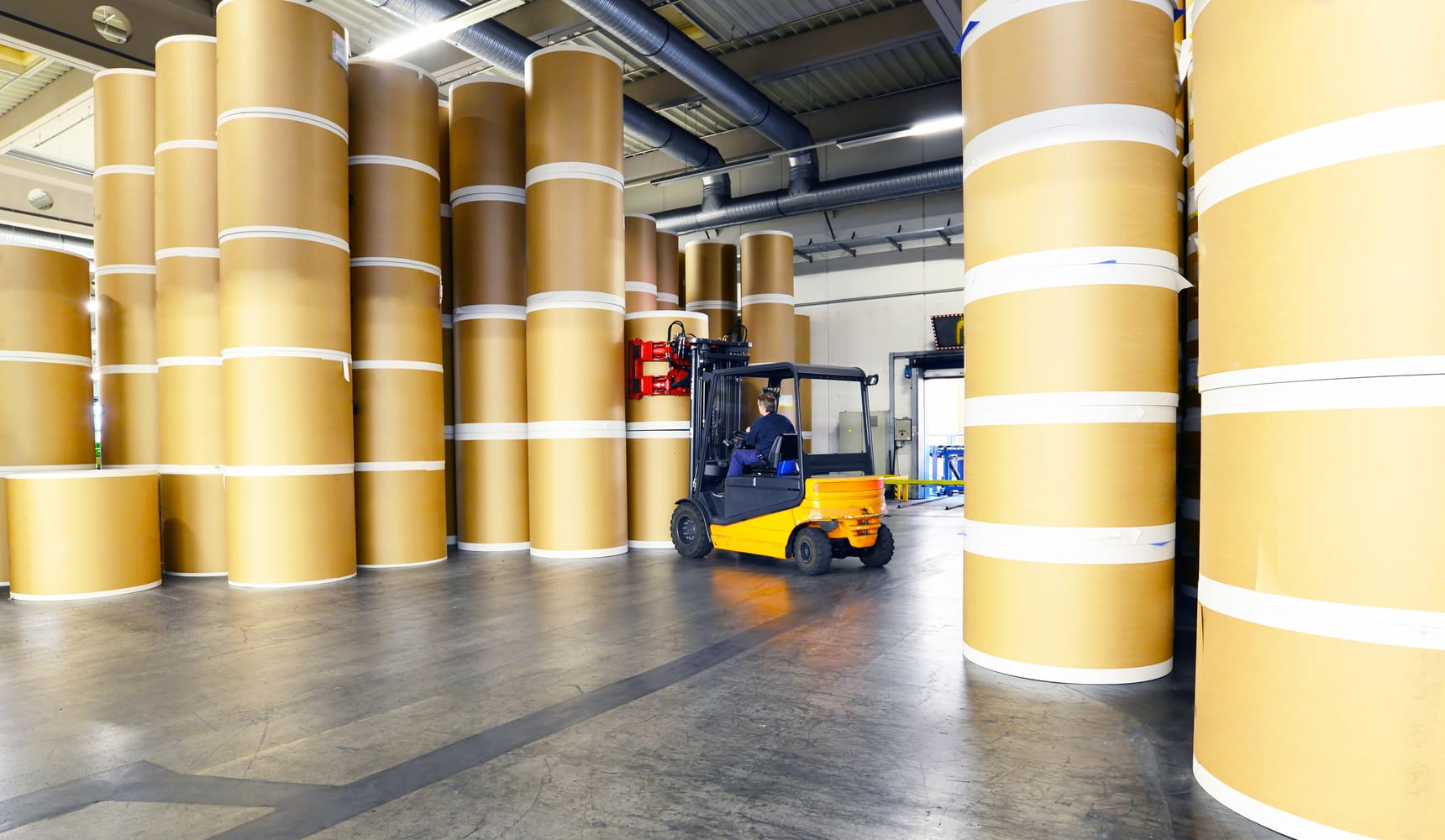
- Paper warehousing refers to the specialized storage and handling of paper rolls, sheets, packaging and pulp. Paper products absorb moisture easily and can warp, mold or become brittle when conditions fluctuate. Warehouses therefore maintain stable temperatures and relative humidity of roughly 40-50 % at around 72 °F.
- Paper logistics is more complex than moving other goods: rolls can weigh 2,500-4,000 lb, require gentle handling and must be kept dry. Facilities near ports and rail hubs enable efficient transport and reduce handling time through services like cross‑docking.
- Effective paper warehousing integrates climate‑controlled environments, high‑capacity racking systems, automated storage/retrieval, specialized roll‑clamp forklifts, inventory management software and robust fire safety protocols. These elements prevent damage and improve efficiency.
- Outsourcing to third‑party providers (3PLs) allows paper manufacturers, distributors and printers to scale storage on demand, avoid capital expense, and focus on production. On‑demand paper warehousing platforms match shippers to facilities with the right equipment and space.
- Choosing a partner like OLIMP provides access to a network of paper warehouses across North America, climate‑controlled storage, roll‑clamp handling, cross‑docking, transloading and real‑time inventory data. Request a quote to find a warehouse near you.
Paper warehousing is the process of storing and managing paper products-such as rolls, sheets, packaging materials and pulp-in controlled environments to preserve quality and facilitate distribution. Unlike generic dry storage, paper warehouses are equipped with humidity control, temperature regulation, specialized racking and handling equipment. Without these measures paper can quickly absorb or lose moisture; studies show that paper gains moisture when relative humidity exceeds 65 % and loses moisture in overly dry air. Maintaining a stable climate prevents curling, warping, mold growth and static electricity.
Paper warehouses serve shippers throughout the supply chain. Pulp and paper mills, converting facilities, printers, packaging converters and distributors rely on warehousing to buffer inventory, stage outbound loads and support just‑in‑time (JIT) production. In regions near ports or rail hubs, paper warehouses offer cross‑docking and transloading to minimize handling and speed up delivery.
The Role of Paper Warehousing in the Supply Chain
A Complex Supply Chain
The paper supply chain spans raw pulp sourcing, manufacturing, warehousing, distribution and final consumption. Supply chain for paper products is expansive, involving warehousing services, storage and distribution of packaging materials and office supplies. After paper production, products are transported to distribution centers or customers, and the bulk and weight of paper require careful logistical planning. Rolls often weigh 2,500–4,000 lb (1,130–1,815 kg), making specialized equipment and expertise essential for safe handling.
Logistics & Transportation Considerations
Paper logistics encompasses trucking, rail, intermodal shipping and port operations. The primary freight service used for paper distribution is transport trucking, but roll handling and stacking require trucks equipped with roll cradles, dunnage and moisture barriers. Cross‑docking facilities allow inbound paper rolls to move directly from the receiving dock to outbound trucks, minimizing dwell time and reducing exposure to humidity. Warehouses with rail spurs and port access can transload between railcars, trucks and containers, improving efficiency for imported pulp or exported finished goods.
Key Elements of Effective Paper Warehousing
1. Climate Control & Humidity Management
Paper is hygroscopic-it continuously exchanges moisture with surrounding air. Improper humidity can degrade quality: relative humidity over 65 % allows cellulose fibers to absorb moisture within 30 seconds, making sheets limp or wavy; humidity below 40 % dries paper, causing curling and static electricity. Ideal paper storage maintains 40–50 % relative humidity at around 72 °F (22 °C). To achieve this, warehouses use HVAC systems with dehumidifiers, humidifiers, vapor barriers and real‑time monitoring sensors. Facilities avoid storing rolls directly on concrete floors and use vapor barriers or elevated cradles to prevent moisture wicking.
2. Space Optimization & Racking Systems
Paper warehouses maximize cubic volume with adjustable racking systems designed for rolls and pallets. High‑density layouts (narrow aisles, double‑deep racks) increase storage capacity without sacrificing accessibility. Automated storage and retrieval systems (AS/RS), robotic shuttles and cranes move heavy rolls efficiently while reducing human error. For large paper rolls, racking can be configured for eye‑to‑the‑sky (vertical) or eye‑horizontal storage; each method balances space utilization with roll protection. Facilities also allocate zones for inbound staging, quality inspection and outbound order picking to streamline flow.
3. Specialized Handling Equipment & Safety
Handling heavy paper requires roll clamps, rotating clamps, vacuum lifters and forklifts with extended forks or slip‑sheet attachments. Proper operator training ensures that clamp pressure is correctly set and approach angles prevent core damage. To protect against contamination and physical damage, warehouses keep storage areas clean, wrap rolls in plastic or stretch film and use enclosed docks during loading/unloading. Fire safety is critical because paper is flammable; facilities employ sprinkler or water‑mist systems, monitored fire alarms, clear aisle spacing and strict no‑spark policies.
4. Inventory Management & Technology
Accurate inventory control reduces waste and enables first‑in, first‑out (FIFO) rotation. Modern paper warehouses integrate warehouse management systems (WMS) that track each roll or pallet with barcodes or RFID, recording its location, age and specifications. Systems can differentiate between virgin and recycled grades, which have different moisture sensitivities, and manage mixed inventory. Integration with enterprise systems via EDI or APIs provides customers with real‑time inventory visibility and automated ordering. Some providers offer customer portals with real‑time data and analytics, enabling shippers to schedule pickups, track orders and monitor humidity conditions remotely.
5. Value‑Added Services
Paper warehousing providers often offer additional services, including:
- Cross‑docking and transloading: Reduces handling time by transferring paper rolls directly between modes of transport.
- Kitting and repackaging: Breaking down jumbo rolls into smaller rolls, reaming, or assembling sets for printers and converters.
- Quality inspection and re‑wrapping: Checking moisture content, core integrity and wrap condition; re‑wrapping damaged rolls.
- Just‑in‑time (JIT) delivery: Storing products until needed and coordinating timed deliveries to support production schedules.
- Recycling and disposal: Managing scrap paper and dunnage in an environmentally responsible manner.
Benefits of Partnering With a Paper Warehousing Service
- Protect product quality: Climate‑controlled storage preserves paper integrity and prevents mold, curling and warping.
- Improve efficiency: Automated handling and WMS reduce labor costs and speed up order fulfillment. Cross‑docking minimizes dwell time.
- Flexibility and scalability: On‑demand warehousing allows paper manufacturers and distributors to scale space for seasonal peaks without committing to long‑term leases.
- Specialized expertise: Experienced providers understand the unique requirements of different paper grades and packaging types.
- Integrated logistics: Many paper warehouses offer transportation, transloading and distribution services, consolidating supply chain management under one roof.
Paper Warehousing Services for Manufacturers & Printers
Paper manufacturers, printers and packaging producers often lack the infrastructure to store large volumes of inventory or handle oversize rolls. Working with a specialized third‑party provider offers:
- Climate‑controlled storage tailored to specific grades (coated, uncoated, recycled) and packaging materials.
- Heavy‑roll handling with roll clamps, crane systems and spool racks.
- Inventory rotation to ensure that older batches ship first, minimizing obsolescence.
- Streamlined inbound/outbound logistics with cross‑docking, transloading and real‑time scheduling.
- JIT supply programs for converters and printers who need timed deliveries of paper rolls or sheets to feed production lines.
Why Choose OLIMP for Paper Warehousing & Logistics?
OLIMP operates a digital platform that connects shippers with a network of paper‑qualified warehouses across North America. Here’s why businesses choose OLIMP:
- Climate‑controlled facilities: Warehouses on the OLIMP platform maintain stable temperature and humidity to preserve paper quality.
- Specialized equipment: Roll clamps, pulp clamps and heavy‑duty forklifts ensure safe handling of large rolls and bales.
- Comprehensive services: Options include warehousing, cross‑docking, transloading, drayage, fulfillment and disposal. Customers can manage paper logistics from a single dashboard.
- On‑demand flexibility: Find long‑term or short‑term storage quickly, with the ability to scale capacity up or down.
- Real‑time visibility: Integrated WMS and customer portals provide inventory tracking, order status and reporting.
- Extensive network: Access warehouses near major ports, rail hubs and distribution corridors, reducing transit time and freight costs.
To streamline your paper logistics, request a quote from OLIMP and leverage climate‑controlled paper warehouses that protect your products and simplify your supply chain.
Frequently Asked Questions (FAQ) – OLIMP Warehousing
Q: What is paper warehousing?
Paper warehousing is the specialized storage, handling and management of paper products (rolls, sheets, packaging and pulp) in climate‑controlled facilities. It aims to preserve paper quality by controlling humidity and temperature and uses specialized equipment like roll clamps and racking systems.
Q: Why is humidity control important for paper storage?
Paper is hygroscopic and absorbs moisture quickly; relative humidity above 65 % can cause fibers to swell, leading to curled or wavy paper. Humidity below 40 % makes paper brittle and causes static. Maintaining a stable environment around 40–50 % humidity at about 72 °F prevents damage and ensures consistent quality.
Q: How are paper rolls handled in a warehouse?
Warehouses use specialized equipment such as roll‑clamp forklifts, rotating clamps, vacuum lifters and cranes to move heavy rolls safely. Operators are trained to adjust clamp pressure and approach angles to avoid crushing cores. Rolls are stored either vertically (eye‑to‑the‑sky) or horizontally in racks; vapor barriers or elevated cradles prevent moisture wicking from the floor.
Q: What logistics services complement paper warehousing?
Paper logistics include transport trucking, rail transloading, drayage, cross‑docking and inventory management. Cross‑docking transfers rolls directly between inbound and outbound vehicles, reducing handling time. Paper transport trucking requires trucks equipped for heavy loads, moisture protection and secure cradles.
Q: How do warehouses manage mixed paper grades?
Professional facilities use warehouse management systems to differentiate products by grade, basis weight and moisture sensitivity. They may segregate climate zones for coated versus uncoated paper, adjust humidity tolerances and rotate inventory using FIFO principles. Operators also understand the differences between virgin and recycled fibers, which require different humidity controls.
Q: What should I look for in a paper warehousing partner?
Look for climate‑controlled facilities with humidity sensors and temperature monitoring, specialized roll‑handling equipment, a WMS with real‑time inventory visibility, cross‑docking capabilities, fire safety systems and a proven track record working with paper manufacturers and distributors. Platforms like OLIMP can match you with vetted paper warehouses that meet these criteria.
Q: How can I find a paper warehouse near me?
The easiest way to find a paper warehouse near you is by using the OLIMP platform. Simply submit a quote request with your storage requirements, and OLIMP will match you with suitable paper warehousing solutions across North America.
The platform provides access to a large network of warehouses equipped to handle paper rolls, including facilities with climate control and specialized handling equipment. This allows businesses to quickly find the right space without long-term commitments.
You may be interested in
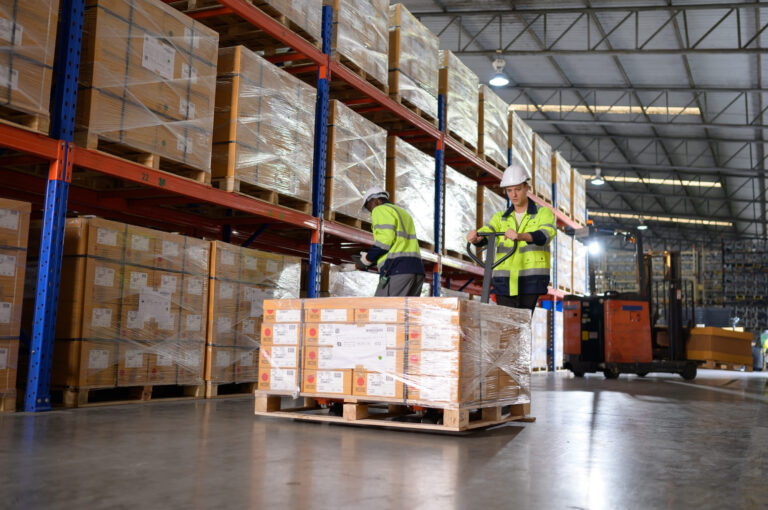
Public Warehouse: A Comprehensive Guide
Public warehouses are third-party storage facilities where multiple companies can rent space and services on a flexible basis. In other words, a public warehouse (or public warehousing facility) is a large, multi-client warehouse owned by an independent provider, not by a single company. Businesses facing seasonal surges or fluctuating inventory needs often use public warehousing […]

Best Practices for Warehouse Receiving Processes
Warehouse receiving is the essential first step of warehouse operations – it encompasses everything from unloading inbound deliveries to updating inventory records. In practice, an effective warehouse receiving process means checking in, inspecting, and storing all incoming goods promptly and accurately. How inventory is received at a warehouse sets the tone for the rest of […]
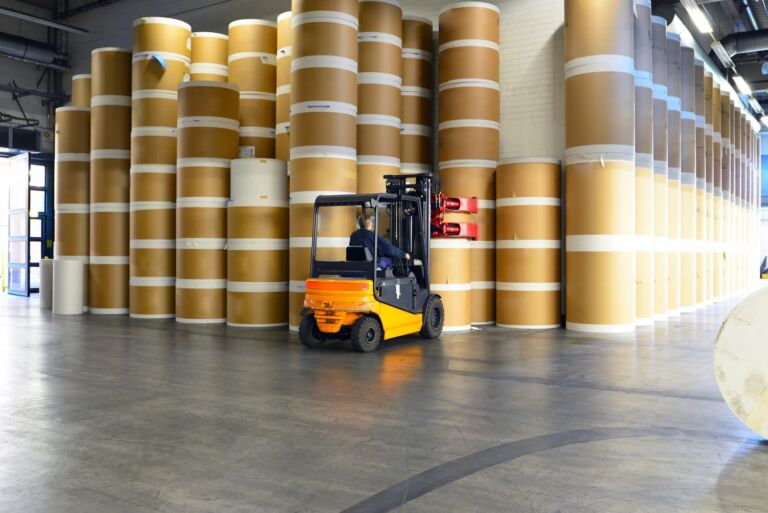
Modern Paper Handling & Storage: Best Practices for Warehouses in 2026
Paper seems simple, but it is one of the most sensitive materials stored in warehouses. It absorbs moisture quickly, can crack when too dry and often weighs thousands of pounds per roll. Improper handling or storage can ruin an entire inventory, halt printing presses and erode customer trust. As digital tools and sustainability initiatives reshape […]
Ready to streamline your warehousing needs?
Request a quote today and discover how OLIMP's tailored solutions can optimize your operations