Winter Shipping Challenges in the USA: Transit, Capacity & Cold-Weather Logistics
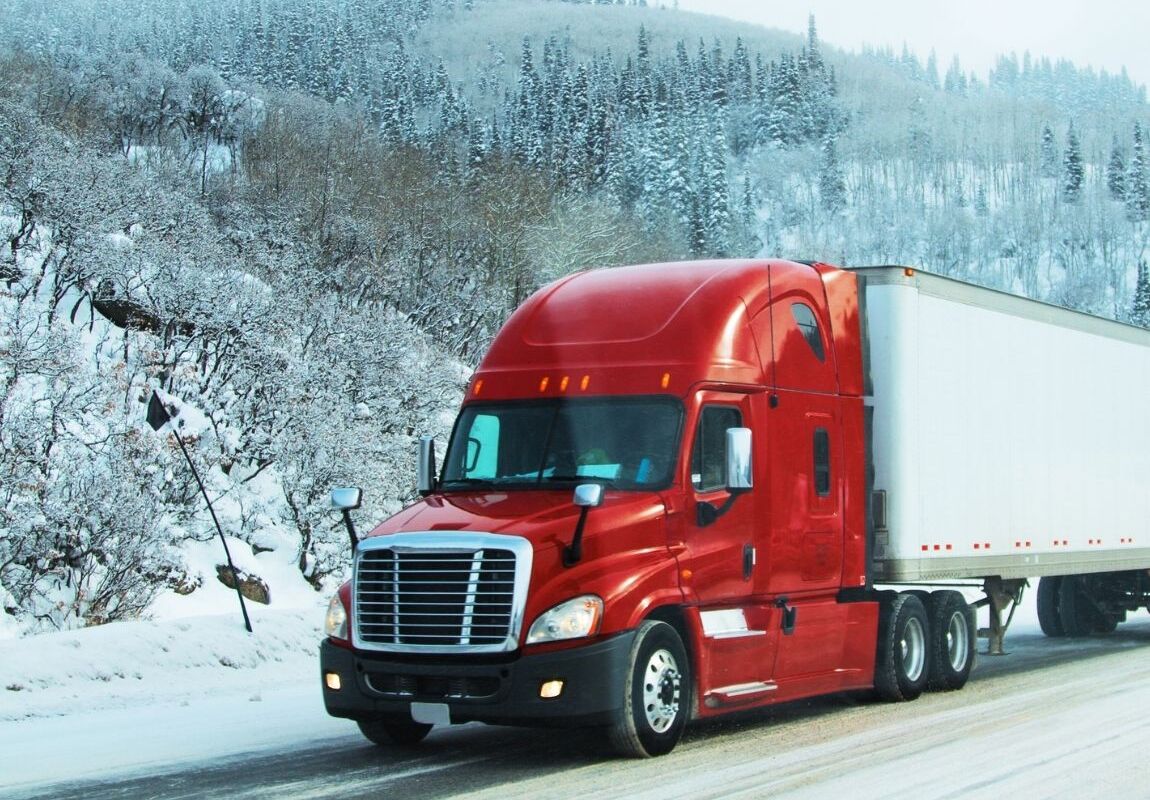
Winter weather can significantly disrupt shipping in the USA. Ice, snow and holiday surges lead to slower transit times, capacity crunches and higher costs – introducing “specific operational risks” that can quietly derail the supply chain. In other words, winter shipping is about much more than a bit of cold or fuel costs; it demands planning to handle longer routes, special equipment (like reefers and tarps), and altered prices.
TL;DR / Key Takeaways
- Transit Delays: Snow, ice and storms slow or reroute trucks, turning 1-day hauls into 2–3 days and causing unpredictable delivery times.
- Capacity Crunch: Holiday surges and driver shortages leave fewer trucks available, tightening capacity and spiking spot rates.
- Reefer Demand: Cold weather boosts refrigerated trailer usage for perishables and “protect-from-freeze” loads. Expect higher reefer rates when demand rises.
- Winter Pricing: Rates usually jump before and during winter holidays (as “more freight + limited trucks = higher prices”), then drop after. Book early and budget for winter premiums.
- Tarping Challenges: Flatbed loads need tarping, which is slower and costlier in cold, increasing open-deck freight costs.
- Best Practices: Build 24–48 hour buffers, upgrade cold-weather packaging, book freight ahead, and use real-time tracking. Working with a dedicated 3PL or cold-chain provider (e.g. Olimp Warehousing) can simplify these winter-specific needs.
Winter Transit Delays and Supply Chain Impact
Winter storms and blizzards often force trucking routes to slow or reroute. In a severe weather event, a load that normally takes 1 day can stretch to 2–3 days. For example, shipping that usually took 3 days might easily take 5 or more in icy conditions. Closed highways and detours cascade delays through the network: one road closure can delay multiple stops on an LTL route. The result is unpredictable transit windows and disrupted delivery schedules. These delays effectively tie up trucks longer and reduce weekly capacity. To keep shippers and customers informed, it’s critical to build extra transit buffers (often 24–48 hours) into schedules and communicate new timeframes upfront.
Even outside of storms, cold weather creates hazards. Snow-covered docks and icy ramps mean loading and unloading take significantly longer than in summer. Forklifts move slower on slick surfaces, and crews spend extra time on cold-weather safety (e.g. wearing more gear, de-icing equipment). What might be a 30-minute dock appointment in summer can easily take 60–90 minutes when it’s freezing. Without planning for these longer dwell times, shipments risk detention fees and further delays.
Capacity Constraints and Freight Pricing
Winter creates a predictable but intense capacity crunch in the U.S. freight market. Holiday shopping surges around Thanksgiving and Christmas push significantly more freight into the network, while many drivers take scheduled time off. The result is a familiar imbalance: more loads competing for fewer available trucks. Truckload spot rates consistently surge in December as freight demand rises faster than available capacity, tightening the market and pushing prices higher. In simple terms, more freight plus fewer trucks leads to higher prices during winter’s peak shipping season.
Harsh winter weather further amplifies these challenges. Snowstorms, ice, and dangerous road conditions slow transit speeds and force carriers to reroute or temporarily avoid high-risk regions altogether. Winter weather combined with holiday demand has repeatedly driven trucking capacity to multi-year lows in December, particularly in weather-sensitive regions. When weather disruptions overlap with peak demand, capacity in rural and secondary markets becomes especially tight, leaving shippers with fewer carrier options and limited flexibility.
This tightening of capacity directly impacts freight pricing. Holiday demand has often exceeded expectations, prompting upward revisions to freight rate and capacity forecasts for the following quarter. In these conditions, shippers who delay bookings frequently pay a premium—often 15–25% more—compared to those that secure trucks earlier, a trend widely observed during peak winter shipping periods.
Winter freight pricing is also highly seasonal. Spot rates typically peak in late November and December, then decline sharply after the holidays. As freight volumes drop in January and drivers return to the road, capacity loosens and rates fall closer to pre-holiday levels, a pattern consistently tracked in seasonal freight market data. Shippers that plan ahead—by locking in capacity early, budgeting for winter premiums, and diversifying carrier options—are far better positioned to avoid last-minute price spikes and keep freight moving reliably throughout winter disruptions.miums – can avoid paying exorbitant last-minute rates and keep freight moving on time.
Reefer Trailer Demand Spikes in Winter
Winter weather significantly increases demand for refrigerated (reefer) trailers across the U.S. freight market. It’s not only perishable goods like produce, dairy, and meat that require temperature control—many so-called “protect-from-freeze” shipments also move into reefers during cold snaps. Beverages, chemicals, pharmaceuticals, and certain electronics are highly vulnerable to freezing temperatures and cannot safely ship in standard dry vans once winter conditions set in.
This shift is clearly reflected in market data. Following a mid-November winter storm, DAT Freight & Analytics reported a sudden surge in reefer demand as shippers rushed to protect freeze-sensitive freight, causing reefer spot rates in the Midwest to jump by approximately 23% in a single week. The report highlights how weather events can instantly tighten reefer capacity, even outside traditional produce seasons.
Holiday demand further amplifies this pressure. During November and December, food shipments increase sharply as retailers stock turkeys, hams, dairy products, and fresh produce for Thanksgiving and Christmas. Reefer demand reliably rises during the holiday season due to higher volumes of food and temperature-sensitive goods, which tightens refrigerated capacity and drives rates higher. Even non-traditional reefer commodities—such as Christmas trees, wreaths, and floral products—often rely on refrigerated transport to maintain freshness during long winter hauls.
When reefer capacity tightens, shippers have limited alternatives. Unlike dry van freight, refrigerated loads cannot easily be converted to standard equipment without risking cargo damage. As freight analysts frequently note, if a shipment requires a reefer, substitution is rarely an option—meaning rates rise quickly when supply falls. Winter storms and holiday surges keep reefer markets unusually tight well into December.
In short, winter conditions compress the reefer load-to-truck ratio. Carriers hauling produce in warmer regions are often redirected to colder markets, further limiting availability elsewhere. For shippers moving temperature-sensitive freight, the takeaway is clear: expect higher reefer rates in winter, monitor weather closely, and secure specialized equipment early to avoid last-minute capacity shortages.
Cold-Weather Logistics Tips & 3PL Solutions
Planning is key to overcoming winter shipping challenges. Here are some best practices and tips:
- Build time buffers. Add 1–2 extra days to transit estimates to account for weather delays.
- Protect your freight. Upgrade packaging for cold (insulated liners, thermal blankets, moisture barriers). Ensure reefers are set to appropriate temperatures and consider moisture control.
- Book early and secure capacity. Reserve trucks well ahead of storms or holidays to lock in rates and equipment. Last-minute bookings can cost 15–25% more.
- Use technology and visibility tools. GPS tracking and logistics platforms help reroute loads if weather hits unexpectedly. Real-time alerts let you act before delays multiply.
- Communicate clearly. Update customers and consignees on possible delays. Scheduling appointments with dock managers in advance can prevent surprise detention fees.
- Consider warehouse or 3PL partnerships. Working with a third-party logistics (3PL) provider can offer flexible warehousing and transport. A 3PL like Olimp, for example, provides nationwide climate-controlled storage and specialized freight services. Their refrigerated warehousing and transportation solutions mean products can be stored or cross-docked if trucks stall, and bookings can be arranged proactively. Having a seasoned partner on your side (with coverage in both warm and cold regions) can turn winter’s surprises into routine parts of the supply chain strategy.
Implementing these precautions and leveraging experienced cold-chain carriers will make winter logistics predictable rather than reactive. .
Conclusion
Winter adds complexity to U.S. shipping, but proactive planning makes all the difference. Understanding the impacts on transit times, capacity and pricing helps you adapt in advance. Use winter-specific strategies – from booking capacity early to tarping or insulating loads properly – to keep freight moving safely. If needed, work with experienced logistics partners: a 3PL provider like Olimp Warehousing offers advanced cold-chain services (refrigerated transport, climate-controlled storage and cross-docking) to ease winter bottlenecks. With the right preparation and partners, your shipments can arrive on time and intact, even when the thermometer plunges.
Frequently Asked Questions (FAQ) – OLIMP Warehousing
Q: How does winter weather affect shipping transit times?
Snow, ice and road closures slow trucks or force reroutes, making transit times unpredictable. In major storms a route that normally takes a day can take 2–3 days instead. Shippers should expect slower speeds and add buffer days to their schedules.
Q: Why are freight capacity and rates so tight in winter?
Winter holiday peaks (e-commerce, grocery stocking) put more freight on the road just as many drivers take time off. This “feast then famine” cycle shrinks available trucks, so spot rates jump during November–December. After the holidays, capacity loosens and rates tend to fall.
Q: How does winter weather impact freight pricing?
Winter weather causes freight rates to spike. Carriers demand premiums for storm-prone lanes and urgent delivery windows. Plus, with limited truck supply, rates climb during holiday surges (as industry data shows). Booking early and avoiding last-minute moves are key to avoiding winter price surges.
Q: Why is refrigerated (reefer) transport more expensive in winter?
Demand for reefers increases in cold weather. Shippers move temperature-sensitive goods (like food and medicines) into reefers and also use reefers for “protect-from-freeze” cargo that can’t be left in dry vans. This spikes demand for limited reefer trucks. For example, one study found Midwest reefer spot rates jumped 23% after a big November storm.
Q: What is tarping and why is it important in winter shipping?
Tarping means covering an open flatbed load with a heavy tarp to shield it from snow and ice. In cold months, it protects cargo from the elements. However, winter tarping is much harder (frozen tarps are stiff, and wind can knock a driver over). Shippers should plan for longer tarping times and higher costs for open-deck loads in winter.
Q: How do you build a winter contingency plan for freight operations?
A winter freight contingency plan should include extra transit buffers, backup carriers, alternative routes, and predefined weather-delay protocols. Shippers should identify high-risk lanes, secure overflow capacity in advance, and establish clear communication plans with carriers, warehouses, and customers before winter begins.
Q: What are the best practices for temperature-sensitive cargo in winter?
For temperature-sensitive freight, use insulated packaging, thermal blankets, or refrigerated trailers even in cold conditions to prevent freezing. Continuous temperature monitoring, proper reefer set-points, and pre-conditioned trailers are essential. Partnering with cold-chain–experienced carriers and warehouses further reduces risk.
Q: How do you choose carriers with cold weather readiness?
Cold-weather-ready carriers typically have winterized equipment, experienced drivers, flexible routing capabilities, and real-time tracking. Look for carriers with strong safety records, regional winter experience, access to reefers or insulated trailers, and proven contingency plans for snow, ice, and road closures.
Q: Which U.S. regions face the worst winter shipping delays?
The Midwest, Northeast, and Mountain regions experience the most severe winter shipping delays due to snowstorms, icy roads, and frequent highway closures. States like Illinois, Michigan, New York, Pennsylvania, Colorado, and Wyoming are especially prone to winter-related transit disruptions.
Q: How can shippers estimate winter weather impact on transit times?
Shippers can estimate winter transit impacts by analyzing historical winter lane performance, adding 24–48 hour buffers, monitoring weather forecasts, and tracking real-time carrier data. Routes through snow-prone regions should always include contingency time, especially between November and February.
Q: Should winter freight planning start before peak season?
Yes. Winter freight planning should begin in early fall. Securing carrier capacity, locking in reefer availability, reviewing packaging standards, and coordinating with 3PL partners ahead of peak season helps avoid last-minute rate spikes and service failures during winter storms.
Q: Can a 3PL help reduce winter shipping risks?
A reliable 3PL can significantly reduce winter shipping risks by providing access to diversified carrier networks, refrigerated and protected equipment, flexible warehousing, and real-time shipment visibility. This allows shippers to reroute, store, or delay freight safely when weather disrupts transit.
You may be interested in
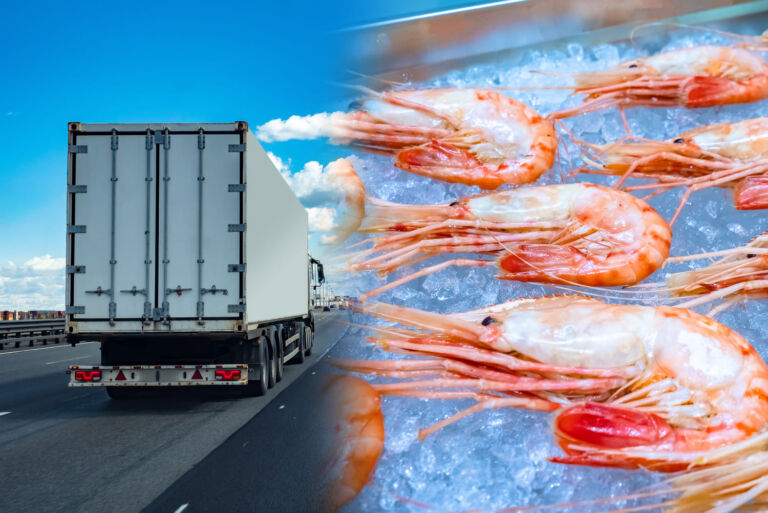
Cold Chain Logistics: Safeguarding Food, Pharma & Electronics
Cold chain logistics refers to the specialized supply chain and warehousing of temperature-sensitive products, from fresh produce and pharmaceuticals to electronics, using refrigeration to prevent spoilage and preserve quality. Temperature-controlled warehousing protects goods from degradation and ensures compliance with strict safety regulations. This sector is booming: the global cold chain market is projected to surge […]
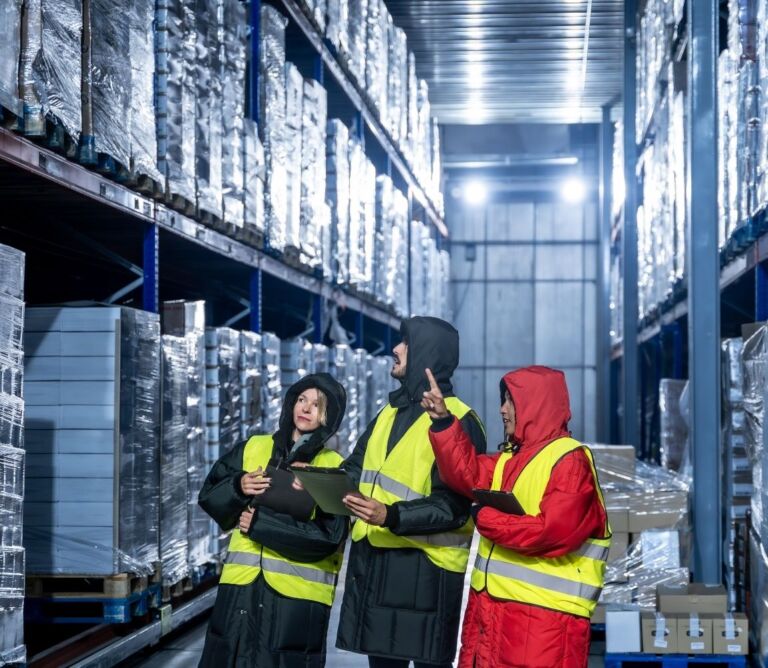
Pharmaceutical Cold Chain Logistics: Ensuring Safety, Compliance & Temperature Integrity
The pharmaceutical cold chain is the temperature-controlled network that keeps medicines, vaccines and biologics at the correct temperature from manufacturer to patient. In pharma logistics, managing every link – from refrigerated warehouses to data-logging monitors – is essential for product safety and regulatory compliance. Key Takeaways: What Is a Pharmaceutical Cold Chain? The pharmaceutical cold […]
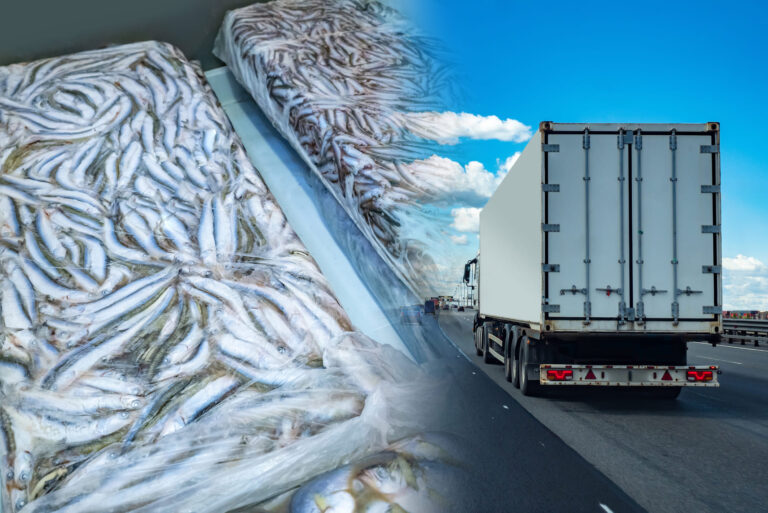
Refrigerated Transportation: Keeping Your Goods Fresh and Safe
In today’s fast-paced supply chain, the demand for refrigerated transportation is higher than ever. Businesses need to move fresh produce, dairy, frozen foods, and pharmaceuticals across long distances while preserving their quality. Refrigerated freight shipping (also known as reefer shipping) provides the solution by using temperature-controlled trucks and containers to keep perishable goods transportation safe […]
Ready to streamline your warehousing needs?
Request a quote today and discover how OLIMP's tailored solutions can optimize your operations
