What Does Backordered Mean? Full Guide for Shoppers & Retailers

Imagine paying for a must‑have gadget only to discover that it won’t ship for weeks. You’re not alone—today’s e‑commerce landscape sees an average backorder rate of about 8 %, and customers who encounter backorders are 30 % less likely to return. Backorders can make or break brand loyalty, yet they remain a necessary tool for retailers faced with demand spikes and supply‑chain turbulence. This guide demystifies backordered items, explains your rights as a shopper, and provides strategies for retailers to minimize delays and satisfy customers.
What Does Backordered Mean?
A backorder occurs when a customer purchases an item that is temporarily out of stock, but is expected to be replenished and delivered later. Backorders are orders that cannot be fulfilled at the time of purchase because the product isn’t in current inventory but is still in production or available from suppliers. Unlike out‑of‑stock items, backordered products remain orderable and have an estimated restock date. They differ from pre‑orders, which apply to products not yet released.
Status Comparison
| Status | Definition | Can You Order? | Restock/Release Date |
| Backordered | Temporarily out of stock but will be replenished; order is processed and fulfilled once stock arrives. | Yes | A restock date is communicated (estimated shipping date). |
| Out of Stock | No inventory available and no confirmed restock date; may be discontinued. | No | Unknown; product may not return. |
| Pre‑Order | Product has not yet been released; customers reserve it before launch. | Yes | Release date specified (future availability). |
Why Do Backorders Occur?
Backorders arise when demand exceeds supply or supply chains fail to deliver on time. Key drivers include:
- Demand spikes from viral trends, new product releases or seasonal peaks.
- Supply‑chain disruptions such as transportation delays, customs issues, weather events and supplier shortages.
- Low safety stock and long lead times, which leave retailers vulnerable to fluctuations.
- Inaccurate forecasting and poor data visibility.
- Human errors in order processing, picking and packing.
Understanding the root cause helps retailers tailor solutions and minimize future backorders.
How Backorders Affect Shoppers and Businesses
For Shoppers
Waiting for a backordered item can be inconvenient. If the delay is long, customers may cancel and purchase elsewhere, reducing loyalty. Research shows that backorders can reduce repeat business by 30 % and a 5 % increase in backorder rate can drop customer satisfaction by ~15 %. Shoppers also worry about whether their payment is secure and when the product will ship.
For Businesses
Backorders create operational burdens. Companies must manage an additional fulfillment queue, communicate with customers, and sometimes expedite shipments at higher cost. They may need to maintain larger safety stocks, which ties up capital, or risk losing revenue when inventory is depleted. Repeated backorders can damage brand reputation and indicate underlying inventory issues.
How Long Do Backordered Items Take?
There is no regulation specifying a universal backorder timeframe; the waiting period depends on the product, supplier, and supply‑chain complexity. However, both U.S. and EU laws provide consumer protections:
- In the U.S., the FTC Prompt Delivery Rules require sellers to ship goods by the promised time or, if no time is stated, within 30 days. If a delay occurs, the seller must notify the customer, provide a revised delivery date and offer the option to cancel and obtain a prompt refund.
- In the EU, if the contract lacks a specified delivery time, the seller must deliver within 30 days; customers may set a new deadline and cancel if it’s still not delivered. Traders must assume delivery responsibility and issue refunds or replacements for lost or damaged goods.
Shopper’s Guide: What To Do When an Item Is Backordered
- Check the estimated delivery date: Before purchasing, look for the promised shipping date. Legitimate retailers will display an estimated restock date or shipping window.
- Research the seller’s reputation: Read reviews and policies to ensure they honor backorders and refunds.
- Know your rights: In the U.S., if the product cannot ship within the promised or 30‑day period, you are entitled to a delay notice and the option to cancel with a prompt refund. In the EU, you can cancel after giving a new reasonable deadline.
- Communicate: Contact the seller for updates. Document conversations and set expectations for new deadlines. If you need the item by a specific date (e.g., a birthday), specify this at purchase; then you can cancel without granting additional time.
- Consider alternatives: If the delay is too long, search for similar products or buy from retailers with available stock.
- Save proof of purchase: Keep invoices and communication records in case you need to dispute charges.
Retailer’s Guide: Managing and Reducing Backorders
Effective backorder management can boost sales while minimizing customer frustration.
Forecast and Plan
- Use AI‑powered demand forecasting: With 74 % of leaders planning to implement AI for demand planning and adoption expected to reach 82 %, predictive analytics can anticipate demand spikes and adjust inventory accordingly.
- Monitor lead times and maintain safety stock: Set reorder points and safety stock using formulas that account for maximum and average usage. Holding extra inventory may increase carrying costs but reduces the risk of backorders.
Strengthen Supply Chains
- Diversify suppliers to reduce dependency and avoid delays; diversified supplier networks can lower stockouts by 27 %.
- Adopt cross‑docking and partial shipments: Shipping available items first can shorten customer wait times.
- Use a WMS/IMS: Warehouse and inventory management systems provide real‑time visibility, automate replenishment and reduce human errors.
Communicate Transparently
- Set realistic expectations: Inform customers of estimated shipping dates and update them promptly when delays occur.
- Offer options: Allow customers to cancel or receive partial shipments; this builds trust and reduces cancellations.
- Follow regulations: Comply with FTC Prompt Delivery Rules in the U.S. and EU consumer rights. For regulated industries (e.g., pharmaceuticals), notify authorities of potential supply disruptions.
Measure and Optimize
- Calculate backorder rate: Divide the number of backordered items by total orders, multiply by 100. Aim to keep rates low (e.g., below 5 % is excellent for retail).
- Use customer feedback: Negative reviews can highlight problems with forecasting or communication.
Future Trends & Innovations
Supply‑chain resilience has become a board‑room priority. Leading trends include:
- Generative AI and predictive analytics: More companies are using AI for demand planning, scenario modelling and dynamic pricing.
- Digital twin technology: Creating virtual models of supply chains to test responses to disruptions.
- Nearshoring and regional diversification: Reducing reliance on long global supply chains.
- Automated order management systems: Integrating inventory, order processing and customer communications in real time.
Real‑World Examples & Case Studies
Backorders frequently occur when demand spikes unexpectedly. During the 2020–2021 pandemic, video‑game consoles and fitness equipment were chronically backordered due to factory shutdowns and surging demand. Similarly, new smartphone launches often sell out within minutes, pushing orders into backorder status for weeks. Companies that communicated clear restock dates and allowed cancellations retained more customers than those that did not. Retailers can learn from these examples by ensuring visibility into production schedules and providing transparent updates.
Conclusion
Backorders are a reality of modern retail, bridging the gap between customer demand and supply‑chain limitations. By understanding what backordered means and distinguishing it from being out of stock or pre‑ordered, both shoppers and retailers can make informed decisions. Shoppers should check estimated delivery dates, exercise their rights to cancel or receive refunds, and consider alternatives if delays are excessive. Retailers should improve forecasting, maintain safety stocks, diversify suppliers, communicate transparently and comply with regulatory requirements. Embracing AI and modern inventory systems can dramatically reduce backorders and enhance customer experience.
Frequently Asked Questions (FAQ) – OLIMP Warehousing
Q: Does backordered mean out of stock?
No. Out of stock items cannot be ordered and have no confirmed restock date, whereas backordered items can still be purchased and will ship once inventory is replenished.
Q: How long does a backorder take?
There is no universal timeline. In the U.S., sellers must ship by the promised date or within 30 days if no date is given. In the EU, delivery should occur within 30 days unless another period is agreed. Actual times vary by product and supply‑chain conditions.
Q: Can I cancel a backordered item?
Yes. Under FTC rules, if the seller cannot meet the promised or 30‑day timeframe, they must notify you and offer the right to cancel with a full refund. EU consumers can cancel if goods aren’t delivered within the extra deadline they set.
Q: What causes backorders?
Common causes include demand spikes, supply‑chain disruptions, low safety stock, inaccurate forecasting and human error.
Q: How can businesses prevent backorders?
Maintain safety stock, use AI‑driven forecasting, diversify suppliers, implement modern inventory systems, monitor real‑time inventory and communicate transparently.
Q: How is backorder rate calculated?
Backorder rate = (number of backordered items / total items ordered) × 100. High backorder rates signal supply‑demand imbalance; aim for below 5 % in e‑commerce.
Q: What is the difference between backorder and pre‑order?
A pre‑order allows customers to reserve a not‑yet‑released product; there has never been inventory available. A backorder occurs when a previously available product sells out but will be restocked.
You may be interested in
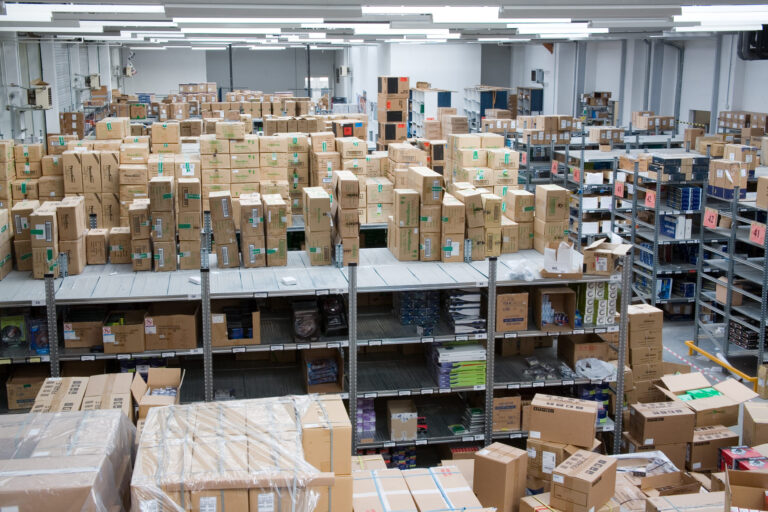
Backorder vs Out of Stock: Meaning, Differences & Management Strategies
Backorder vs Out of Stock – these two terms can be a source of confusion for consumers and a critical decision point for businesses. If you’ve ever tried to buy something online and seen it listed as “out of stock,” you know the disappointment of not being able to order it. On the other hand, […]
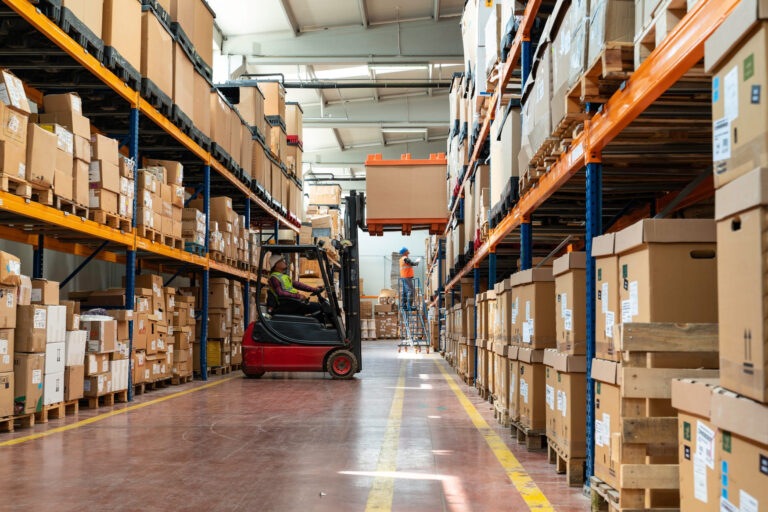
3PL vs In-House Logistics: When to Use a Warehouse or 3PL? (Essential Guide)
Running order fulfillment from your garage or back room can save money at first, but growth brings new challenges. In-house logistics means you handle everything yourself – storing inventory, packing boxes, managing shipping, and processing returns. This gives you full control and customization, but it becomes complex as orders grow. A 3PL (third-party logistics) provider […]
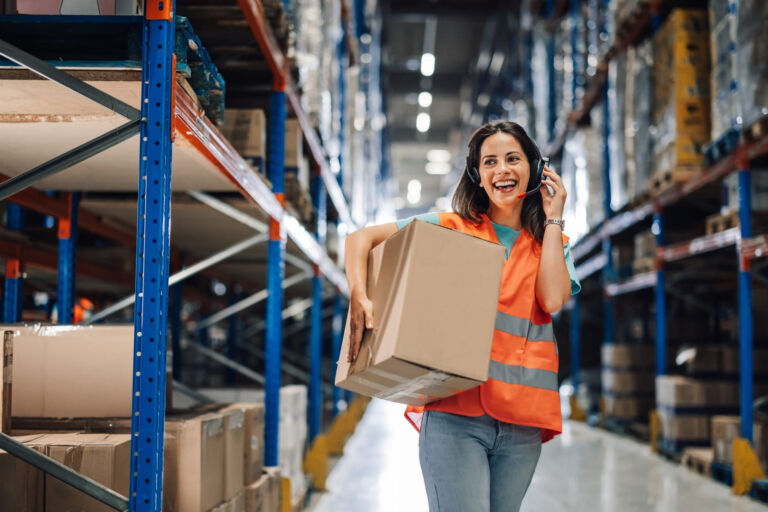
3PL Mispick Prevention: Best Practices for Error‑Free Fulfillment
In the fast‑paced world of e‑commerce and retail, accuracy is everything. A mispick-selecting the wrong item, quantity or variant during order picking-disrupts operations, drives up costs and erodes customer trust. Industry estimates show that mispicks can cost between $50 and $300 per incident and that approxima tely 30 % of customers will not reorder after […]
Ready to streamline your warehousing needs?
Request a quote today and discover how OLIMP's tailored solutions can optimize your operations
