Third‑Party Fulfillment: Save Money & Scale Faster

Outsourcing order fulfillment isn’t just a logistics decision; it’s a strategic move that can lower costs, save time and help you expand into new markets. According to the U.S. Chamber of Commerce, working with a third‑party fulfillment provider reduces costs by leveraging the provider’s infrastructure and negotiated carrier rates. At the same time, logistics costs in the U.S. have risen significantly, with a Bloomberg report noting a 16 % increase over the past year, making it even more important for merchants to optimize their fulfillment strategy. This guide explains what third‑party fulfillment (3PL) is, outlines its benefits and cost components, and provides practical steps for choosing and implementing a 3PL so you can focus on scaling your business.
What Is Third‑Party Fulfillment?
Third‑party fulfillment, often called 3PL, means outsourcing the operational tasks of receiving, storing, picking, packing, shipping and handling returns to a specialized provider. E‑commerce order fulfillment encompasses several steps: receiving and storing inventory until a customer places an order, processing the order (picking the item and packing it for shipment), shipping the package to the customer and handling returns. When you partner with a 3PL, you still own the inventory but the fulfillment company manages these processes and often provides advanced reporting and logistics software.
Key tasks handled by a 3PL
- Inbound receiving: Receiving and logging incoming inventory so products are ready to sell. Most providers charge a flat or hourly fee for unloading goods.
- Storage and inventory management: Warehousing goods in climate‑controlled facilities, performing cycle counts and providing analytics to reduce shrinkage and optimize reorder points.
- Picking & packing: Collecting items from storage locations and packaging them using branded or standard materials. Fees are often charged per item or per order.
- Shipping & multi‑carrier logistics: Coordinating carriers to ship orders quickly and affordably across regions. Leveraging a 3PL’s network can minimize inbound shipping distance and cost.
- Returns handling: Managing returns, restocking and refunds to ensure customer satisfaction.
By outsourcing these functions, brands convert fixed overhead into variable costs and free up internal resources to focus on product development and marketing.
Benefits of Outsourcing to a 3PL
- Cost savings: 3PLs negotiate lower shipping rates because they aggregate volume across many clients, reducing postage and freight costs. They also provide infrastructure (warehouse space, labor and technology) so you don’t have to invest in facilities and staff.
- Time savings: Outsourcing fulfillment lets you concentrate on high‑value activities like product design and marketing. Logistics isn’t a core skill for most e‑commerce entrepreneurs; outsourcing the “hard labor” gives you more time to focus on what you do best.
- Scalability: A 3PL can absorb order surges during peak seasons and scale operations as your business grows. Multiple fulfillment centers help you reach customers nationwide more quickly.
- Market expansion: Access to a network of strategically located warehouses allows you to enter new regions without the expense of building your own infrastructure.
- Professional expertise: Leading providers offer advanced inventory management software, real‑time tracking and automated order routing. They also handle complex tasks like kitting, labeling and hazardous materials compliance.
3PL Cost Components & Typical Ranges
Fulfillment pricing can be confusing because providers structure fees differently. Rather than comparing individual line items, experts recommend focusing on the total cost of fulfillment. Typical fee ranges for U.S. 3PL services include:
| Fee type | Typical range (USD) | Notes |
|---|---|---|
| Setup / account fees | $250 – $1 000+ | One‑time onboarding fees vary by integration complexity. |
| Inbound receiving (per pallet) | $5 – $15 | Covers unloading and putting away inventory. |
| Pick & pack (per order) | $0.20 – $2.00+ | Base fee plus per‑item fees; ecommerce orders often average higher (around $3.25 per order). |
| Storage (per pallet / month) | $15 – $40 | Equivalent to about $0.46 per cubic foot for small goods. |
| Shipping markup / discount | 0 % – 12 % | 3PLs may mark up carrier rates or provide 10–30 % discounts off standard rates. |
To understand how these costs translate into per‑order expenses, consider a typical direct‑to‑consumer order weighing about 2 lb. Fetch Fulfillment’s 2025 pricing breakdown reports that postage makes up roughly half of the cost ($5–$7), pick & pack around 25 % ($2.50–$3.50), receiving and returns about 8 % ($0.80–$1.12), shipping supplies about 7 % ($0.70–$0.98), storage about 5 % ($0.50–$0.70) and other fixed costs around 5 % ($0.50–$0.70). These figures imply an average total cost of about $10–$14 per order. Postage and pick & pack fees are therefore the biggest drivers; focusing on these areas yields the greatest savings.
Hidden fees & cost pitfalls
Low headline rates can mask hidden surcharges. Some “budget” 3PLs add high shrinkage allowances (up to 4 % inventory loss), peak surcharges, fuel indexes and other fees that can negate initial savings. Always request a detailed breakdown of fees and model your total cost based on order volume, product size and service requirements.
When to Outsource & How Many Fulfillment Centers
Deciding whether to outsource fulfillment depends on your growth stage, order volume and strategic goals. Signs it may be time to partner with a 3PL include rapid order growth, expansion into new regions, seasonal spikes, rising warehouse or labor costs and the need for advanced technology. Smaller businesses can start with one fulfillment center; as order volume grows into the thousands per month, distributing inventory across two or more strategically located centers can reduce shipping zones and speed up delivery. An East‑Coast and West‑Coast combination often achieves two‑day delivery across the contiguous U.S., while larger brands may add Midwest or Southern hubs for greater coverage.
Cost Reduction Levers & ROI Example
Four proven ways to lower fulfillment costs without sacrificing service:
- Increase units per order: Encourage multi‑item purchases (e.g., free shipping thresholds) so that pick & pack and postage are spread across more units.
- Use ready‑to‑ship packaging: Pre‑box or bag products to reduce labor, packaging materials and dimensional‑weight surcharges.
- Grow order volume: Higher volumes unlock better negotiated carrier rates, slotting efficiencies and lower fixed costs per order.
- Optimize shipping zones: Distribute inventory across multiple warehouses (e.g., East and West coasts) to shorten shipping distances and reduce postage.
ROI example: Suppose your current in‑house fulfillment costs about $13 per order, with $7 for postage, $3.50 for pick & pack and $2.50 in other fees. By outsourcing to a 3PL with two strategically located centers and using ready‑to‑ship packaging, you might reduce postage to $5.50 and pick & pack to $2.80, lowering the total cost to about $9 per order. Over 10 000 orders per year, that equates to $40 000 in savings. Additionally, shifting fulfillment to a 3PL frees dozens of staff hours each month that you can reallocate to marketing or product development.
How to Choose a 3rd‑Party Fulfillment Partner
Selecting the right 3PL is essential to achieving cost savings and customer satisfaction. When evaluating providers, consider:
- Integration and technology: Ensure the 3PL integrates seamlessly with your ecommerce platforms (Shopify, WooCommerce, Amazon, ERP) and offers real‑time inventory visibility and reporting.
- Network coverage: Look for providers with fulfillment centers close to your major customer bases to minimize shipping time and cost. Ask about multichannel capabilities and international reach.
- Pricing transparency: Request a clear breakdown of setup fees, receiving, storage, pick & pack, packaging and shipping charges. Watch for vague “miscellaneous fees,” long contracts and high minimum volumes.
- Service level agreements (SLAs): Confirm service commitments for order accuracy, delivery speed and returns processing. Ask for KPIs and reporting frequency.
- Returns & customer experience: Investigate how returns are processed, restocked and refunded. A smooth return process boosts customer loyalty.
- Scalability & capacity: Ensure the provider can handle seasonal peaks and increased order volumes without performance degradation.
- Reputation & support: Check reviews and case studies, and make sure there’s a dedicated account manager to address issues quickly.
Implementation & Transition Roadmap
- Audit your operations: Evaluate your current order accuracy, processing times and pain points.
- Run a pilot: Select a 3PL and test with a subset of SKUs for 30 days. Monitor costs, delivery times and customer feedback.
- Expand gradually: If the pilot succeeds, move more SKUs, refine packaging and labeling processes and integrate additional sales channels.
- Full cutover: After 60–90 days, transition most orders to the 3PL. Review performance metrics regularly and adjust workflows as needed.
- Continuous optimization: Track KPIs such as order accuracy, average shipping time, cost per order and return rate. Use data to refine inventory placement and shipping strategies.
Conclusion: Outsource Smart to Grow Faster
Third‑party fulfillment converts logistics headaches into a scalable, cost‑effective growth engine. By understanding the core tasks a 3PL performs, evaluating cost components and focusing on total cost of ownership, merchants can cut fulfillment costs, speed delivery and reallocate resources to innovation. Choose a reputable provider with transparent pricing, strategic locations and strong technology, implement a phased transition and continuously optimize your operations. With the right partner, third‑party fulfillment will help you meet rising customer expectations while protecting margins and accelerating growth.
Frequently Asked Questions (FAQ) – OLIMP Warehousing
Q: What is third‑party fulfillment?
Third‑party fulfillment (3PL) is when an ecommerce business outsources receiving, storage, picking, packing, shipping and returns to a specialized provider. This allows the merchant to focus on product development and marketing while a logistics expert handles the operational tasks.
Q: How much does 3PL cost per order?
Costs vary by order size, product dimensions and service level, but a typical 2 lb direct‑to‑consumer order ranges from $10–$14 per order, with postage ($5–$7) and pick & pack ($2.50–$3.50) being the largest components. Setup fees, receiving, storage and other expenses make up the rest.
Q: What are the benefits of outsourcing fulfillment?
Outsourcing reduces costs, saves time and provides access to a network of warehouses and negotiated shipping rates. It also frees your team to focus on high‑value activities like product design and marketing.
Q: How do I reduce fulfillment costs?
Increase units per order, use ready‑to‑ship packaging, grow your order volume and distribute inventory across multiple warehouses to minimize postage and handling fees.
Q: How many fulfillment centers do I need?
Start with one center when volumes are low. As your business grows to thousands of orders per month, adding locations on the East and West Coasts—or in the Midwest or South—helps achieve two‑day delivery and reduces shipping zones. Evaluate order volume and customer geography to decide.
Q: How do I choose the right 3PL provider?
Look for transparent pricing, robust technology integration, strategically located warehouses, clear SLAs, strong customer service and the ability to scale with your business.
You may be interested in
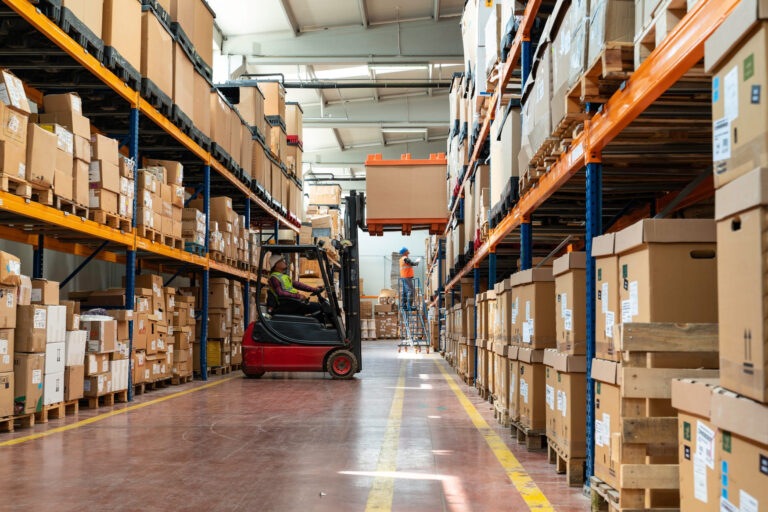
3PL vs In-House Logistics: When to Use a Warehouse or 3PL? (Essential Guide)
Running order fulfillment from your garage or back room can save money at first, but growth brings new challenges. In-house logistics means you handle everything yourself – storing inventory, packing boxes, managing shipping, and processing returns. This gives you full control and customization, but it becomes complex as orders grow. A 3PL (third-party logistics) provider […]
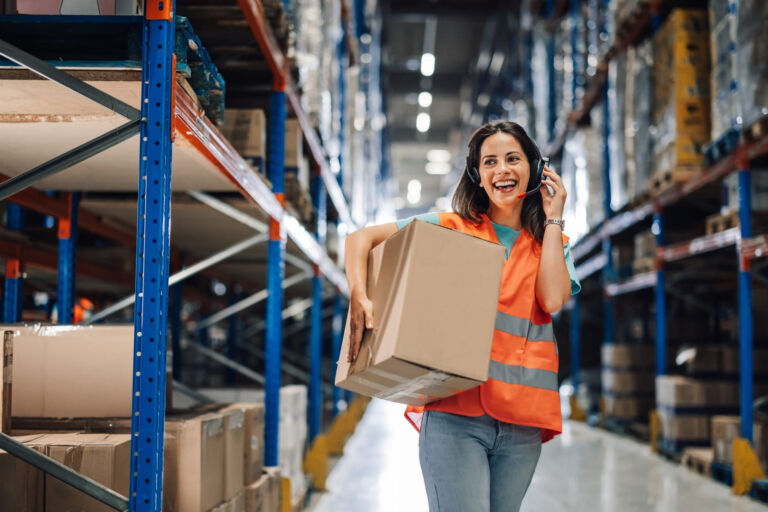
3PL Mispick Prevention: Best Practices for Error‑Free Fulfillment
In the fast‑paced world of e‑commerce and retail, accuracy is everything. A mispick-selecting the wrong item, quantity or variant during order picking-disrupts operations, drives up costs and erodes customer trust. Industry estimates show that mispicks can cost between $50 and $300 per incident and that approxima tely 30 % of customers will not reorder after […]
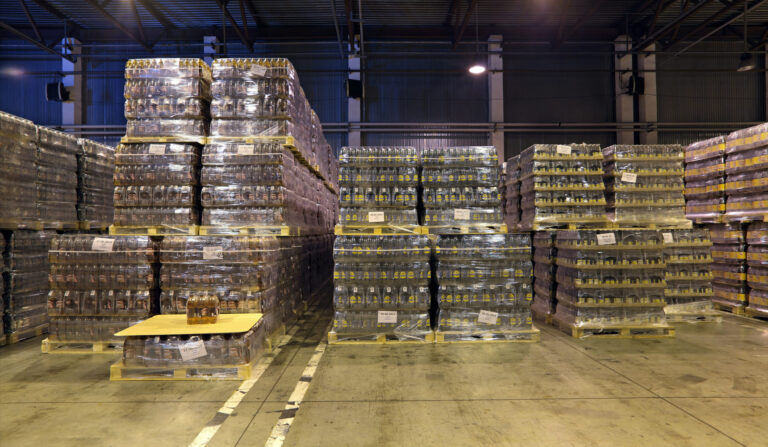
Guide to Top Alcohol 3PL Companies in Los Angeles
Third-party logistics (3PL) providers handle warehousing and distribution on behalf of brands, including specialized cases like alcoholic beverages. In the Los Angeles area, a major U.S. trade hub, partnering with a local 3PL can cut delivery times and costs. A Los Angeles 3PL warehouse stores, picks, and ships products (wine, beer, spirits) under strict compliance. […]
Ready to streamline your warehousing needs?
Request a quote today and discover how OLIMP's tailored solutions can optimize your operations
