OLIMP WAREHOUSING SMART STORAGE AND FASTER LOGISTICS SOLUTIONS ACROSS NORTH CANTON
More Efficient and Flexible Warehouse Management with OLIMP Warehousing
OLIMP Warehousing services in North Canton are designed to help businesses manage their logistics operations more efficiently and with greater control. OLIMP handles short- and long-term storage, cross-docking, pallet rework, repackaging, and load preparation under one roof, reducing the operational burden on companies. Thanks to its flexible capacity structure, businesses can easily scale their storage space up or down during seasonal peaks without investing in additional warehouse infrastructure. Experienced operations teams, consistent inventory tracking, and structured workflows help minimize errors, damage, loss, and delays. As a result, companies can focus on their core business activities while achieving a more cost-effective and sustainable supply chain performance.
Request Warehouse Now
Get a Customized Cross Docking Plan
Get a Load Correction Quote
Explore Transloading Solutions
Advanced Warehousing Management Systems and Storage Solutions
OLIMP Warehousing services in North Canton provide businesses with reliable industrial warehousing solutions designed to simplify daily logistics operations. Through scalable warehousing space, companies can store inventory based on real-time needs while avoiding the cost of maintaining their own facilities. Our integrated warehousing management systems support accurate inventory tracking, organized workflows, and better operational visibility. In addition to storage, OLIMP also supports warehousing distribution activities, including cross-docking, pallet rework, repackaging, and order preparation, all managed by experienced operations teams. This structure helps reduce errors, prevent delays and product damage, and allows businesses to focus on their core operations while maintaining a more cost-efficient and sustainable supply chain.
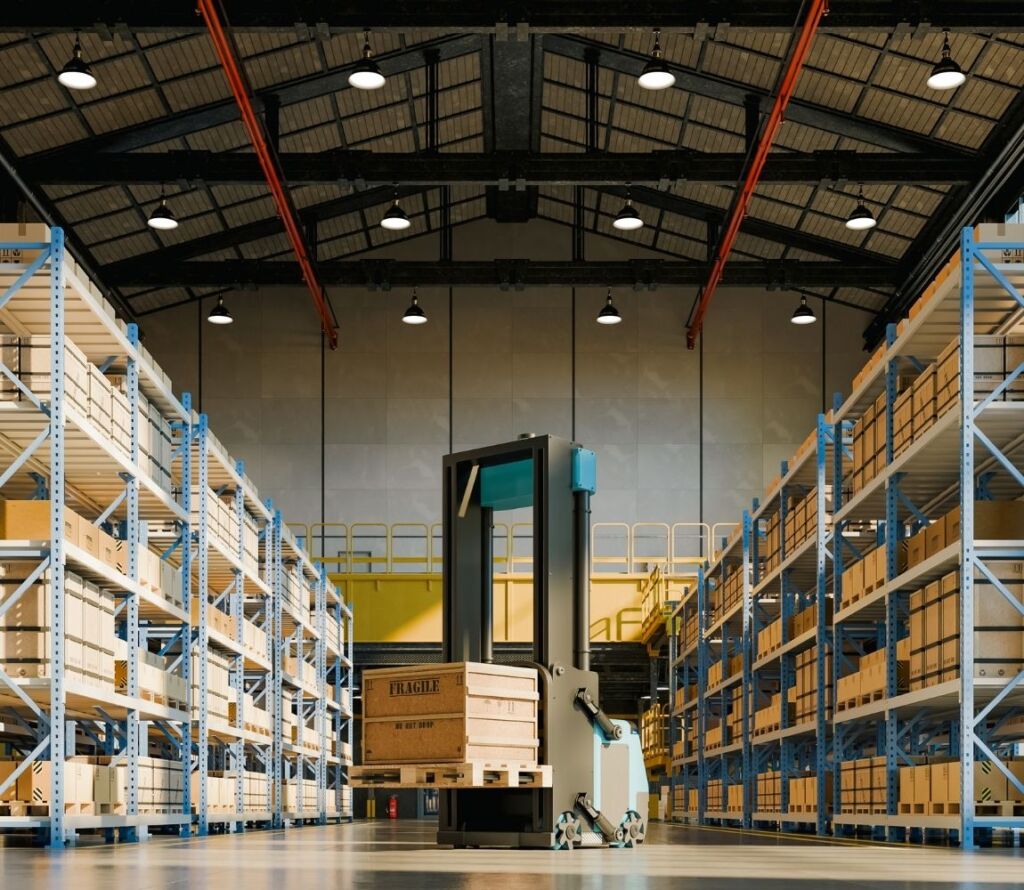
Accelerate Your Supply Chain with Advanced Cross Docking Systems
Cross docking is a logistics method that keeps products moving instead of sitting in inventory. Within our operations, cross docking and warehouse systems are structured to transfer inbound shipments directly to outbound transportation with minimal handling time. This process reduces long-term holding needs while still working alongside a cross docking facility and storage setup when temporary staging is required. By coordinating scheduling, sorting, and load consolidation through integrated cross docking & warehouse systems, shipments are processed faster, inventory congestion is minimized, and businesses gain better control over delivery timelines. The result is a more responsive supply chain, lower handling costs, and improved order flow from arrival to final distribution.
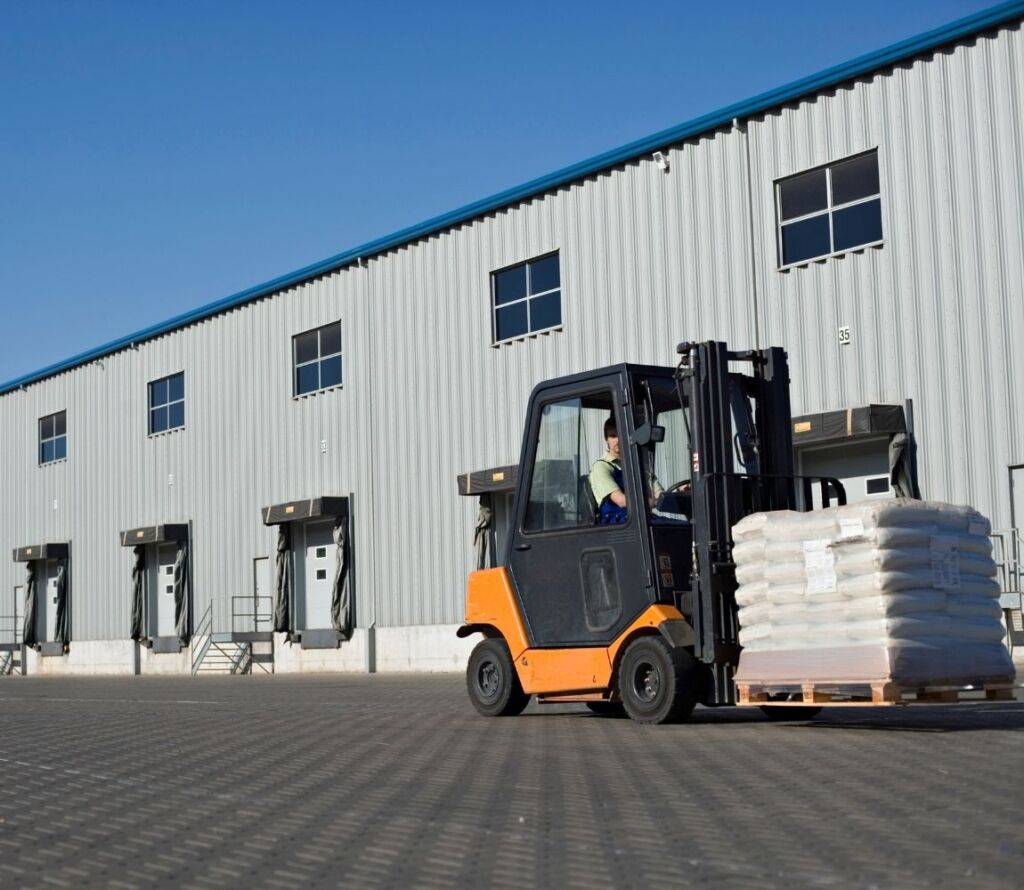
Professional Pallet Rework Services for Compliant Shipments
Pallet rework is an important warehouse service used when shipments arrive in a condition that does not meet retailer, carrier, or compliance requirements. Our team inspects inbound freight, corrects pallet configurations, and rebuilds loads so products are safe, stable, and ready for distribution. This includes restacking shifted cartons, replacing damaged pallets, adjusting pallet height, correcting labeling, and securing loads with proper wrapping and bracing. By handling these issues directly within our warehouse operations, businesses avoid refused deliveries, chargebacks, and costly transportation rescheduling. With organized processes and experienced staff, we help ensure shipments leave the facility compliant, protected, and prepared for smooth final delivery.
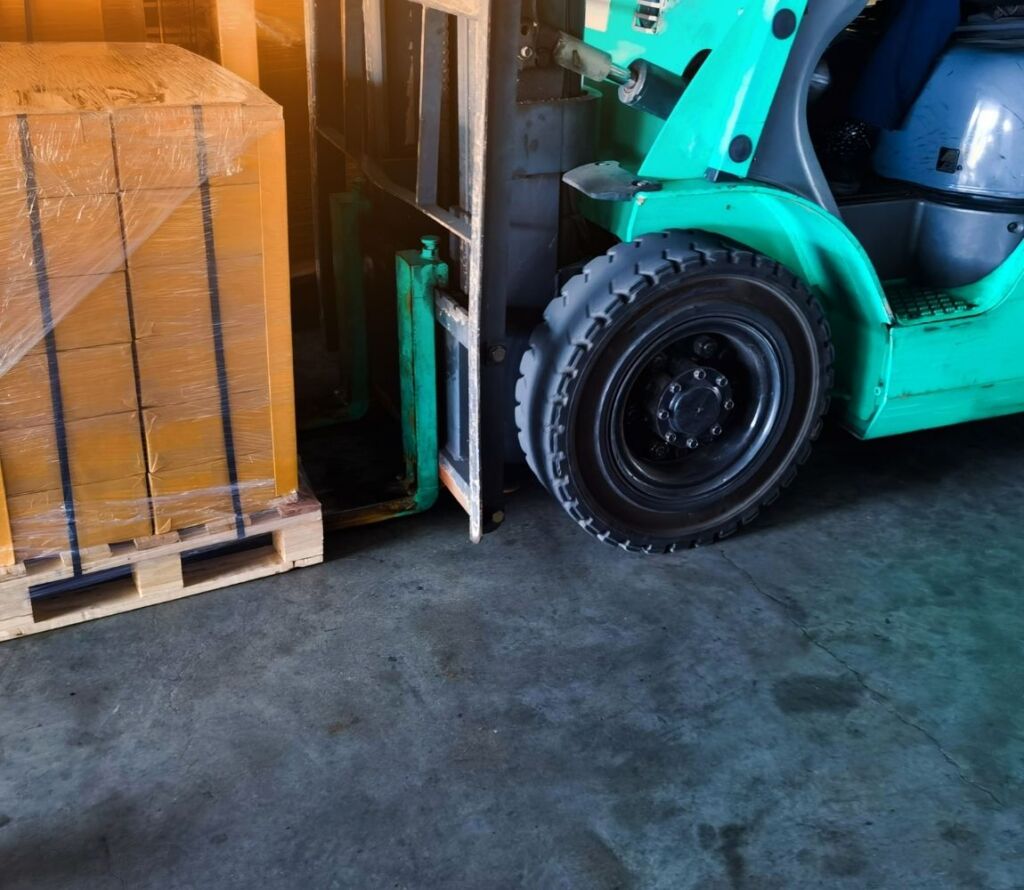
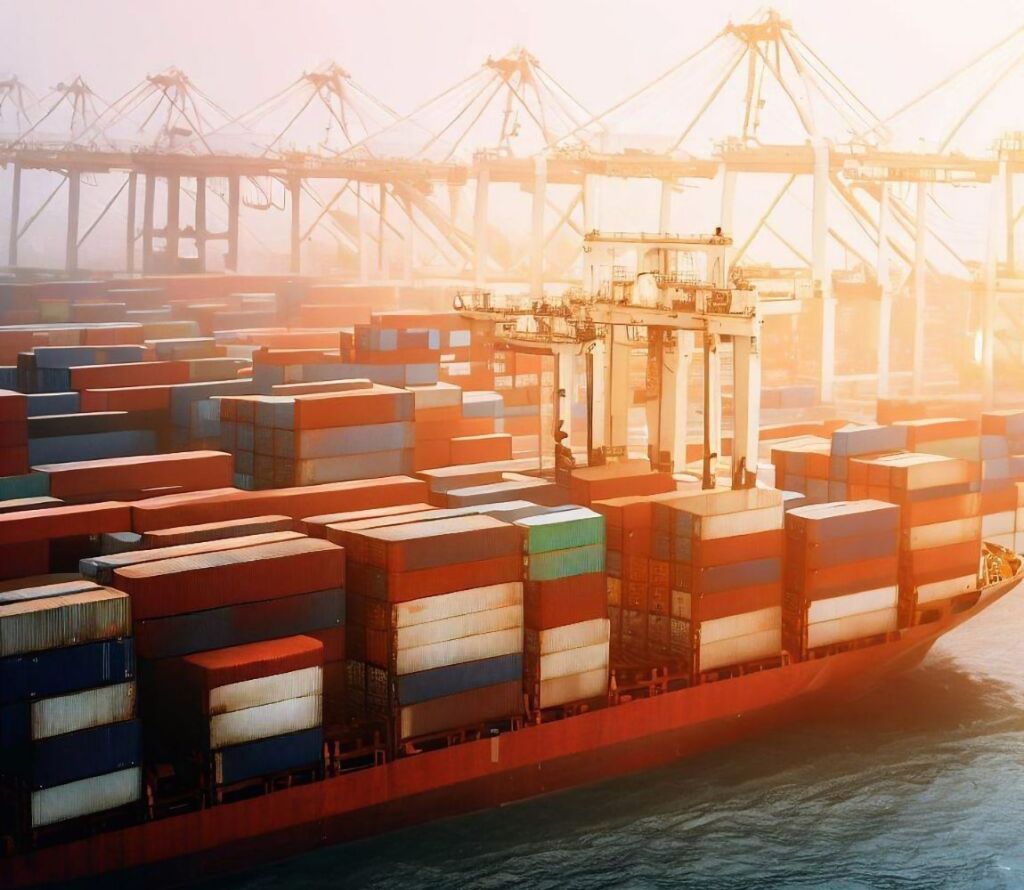
Reliable Transloading Rail to Truck and Drayage Solutions
Transloading and drayage play a critical role in keeping freight moving smoothly between long-haul transportation and final delivery networks. Businesses that rely on transloading services can quickly reposition cargo after arrival at ports or rail terminals, minimizing idle time and helping shipments reach customers faster.
Within daily operations, these services typically include:
- Transloading rail to truck to move freight from intermodal railcars into domestic trailers for regional delivery
- Container pickup and short-distance drayage between ports, rail yards, and distribution points
- Load transfer, palletizing, and reconfiguration based on retailer or delivery requirements
- Freight consolidation and deconsolidation to improve trailer utilization and routing efficiency
- Short-term staging, inspection, and damage checks before outbound shipping
- Appointment scheduling, documentation processing, and carrier coordination
Companies searching for reliable transloading services near me benefit from faster turnaround times, reduced detention risk, and better shipment visibility. When combined with organized drayage coordination, this process improves delivery consistency while helping control transportation and handling costs across the supply chain.
Frequently Asked Questions (FAQ) – OLIMP Warehousing
Q: What are the 7 types of warehouses?
Warehouses generally vary based on ownership, function, and the type of goods they handle. The most common types include public warehouses that offer shared storage space, private warehouses operated by a single company, bonded warehouses used for imported goods awaiting customs clearance, distribution centers designed for fast order fulfillment, fulfillment warehouses focused on e-commerce order processing, climate-controlled warehouses for temperature-sensitive products, and smart warehouses that use automation and inventory technology. Each type serves a different operational need, from long-term storage to rapid distribution.
Q: What are the services of warehousing?
Warehousing services go beyond simply storing inventory. A modern warehouse typically includes receiving and unloading shipments, organized storage, inventory tracking, order picking and packing, labeling, pallet rework, cross-docking, and distribution preparation. Many facilities also support value-added services such as repackaging, inspection, returns processing, and shipment staging. These services help businesses manage stock efficiently while preparing products for safe and accurate delivery.
Q: How do I choose a warehouse service?
Choosing a warehouse service depends on operational requirements, shipping volume, and product characteristics. Businesses should evaluate storage capacity, scalability, technology integration, inventory tracking capabilities, and the provider’s handling experience. It is also important to consider service flexibility, response time, reporting visibility, and the ability to support additional services like cross-docking or transloading. A reliable warehouse partner should help reduce operational risk while improving delivery consistency and cost control.
Q: What are the 5 main activities in a warehouse?
The five main warehouse activities form the foundation of daily operations. These include receiving incoming goods, put-away and organized storage, inventory management and tracking, order picking and packing, and shipping or dispatch preparation. Together, these processes ensure that products move accurately from arrival to outbound transportation while maintaining proper handling and stock visibility.
Q: What are the 7 rules of logistics?
The seven rules of logistics, often called the “7 Rights,” focus on delivering the right product, in the right quantity, in the right condition, to the right place, at the right time, for the right customer, and at the right cost. When logistics operations follow these principles, companies improve service reliability, reduce errors, and maintain a balanced and efficient supply chain.
Ready to streamline your warehousing needs?
Request a quote today and discover how OLIMP's tailored solutions can optimize your operations