RELIABLE WAREHOUSE OPERATIONS IN GROVEPORT, OHIO BY OLIMP WAREHOUSING
Integrated Warehousing & Logistics Solutions for Modern Supply Chains
OLIMP Warehousing provides comprehensive logistics solutions for businesses looking to accelerate supply chain operations and reduce operational costs. With modern warehouse infrastructure, short- and long-term storage, cross-docking, pallet rework, and transloading services are managed within a single operation. Experienced teams ensure freight is safely unloaded, reorganized, and prepared for shipment, while flexible space utilization and rapid operational planning allow customers to easily adapt to changing demand. This integrated approach helps products move from supplier to final destination faster, more efficiently, and with greater control.
Upgrade Your Warehousing
See How Cross-Docking Solutions
Request a Pallet Rework Quote
Speak With a Logistics Specialist
Reliable Warehouse Storage Solutions in Groveport
OLIMP Warehousing provides comprehensive warehouse storage solutions at its facility in Groveport, offering storage options tailored to different operational needs. The site includes bulk storage areas, racked storage systems, short-term staging and cross-dock spaces, as well as temperature-controlled sections for sensitive goods. In particular, warehousing of food products is handled in clean, organized, and compliant environments to maintain product quality and safety. With the support of modern warehouse forklift equipment, loading, unloading, and product placement processes are carried out quickly and securely. This diversified warehouse structure allows OLIMP to deliver flexible and efficient solutions for both short-term and long-term storage requirements.
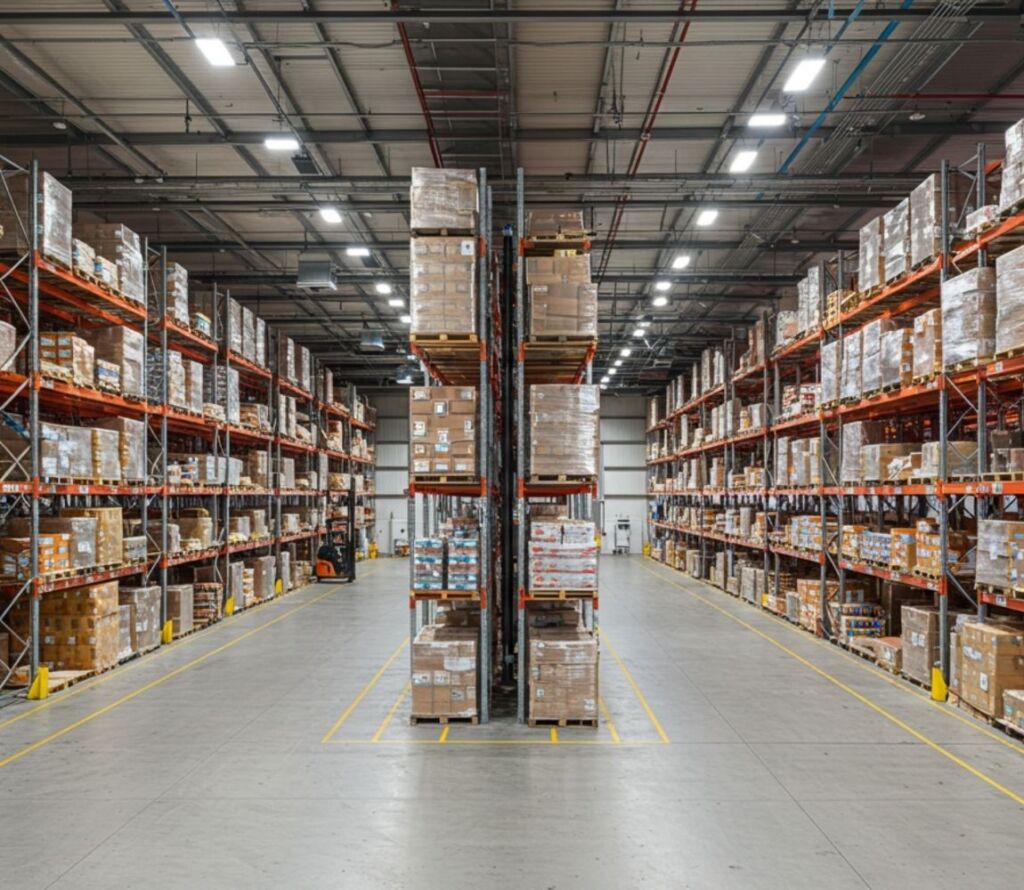
Streamlined Cross-Docking Operations for Faster Distribution
Cross-docking services provided by OLIMP Warehousing enable products to move directly from inbound to outbound transportation without long-term storage, delivering greater speed, cost savings, and operational efficiency. By applying cross docking in logistics management, shipments are quickly sorted, consolidated, and prepared for dispatch, which reduces inventory holding costs, shortens delivery times, and creates a smoother supply chain flow. Businesses that work with professional cross docking companies simplify complex distribution processes and gain more predictable operations, while advanced cross docking solutions help maximize time efficiency for both retail and industrial freight.
This model offers several key benefits for businesses:
- Minimizes the time products spend inside the warehouse
- Reduces handling and storage costs
- Speeds up delivery times and improves customer satisfaction
- Decreases inventory congestion and improves organization
- Provides better visibility and control across the supply chain
As a result, cross-docking is an ideal strategy for fast-moving and time-sensitive shipments, helping companies achieve a leaner, more flexible, and more competitive logistics structure.
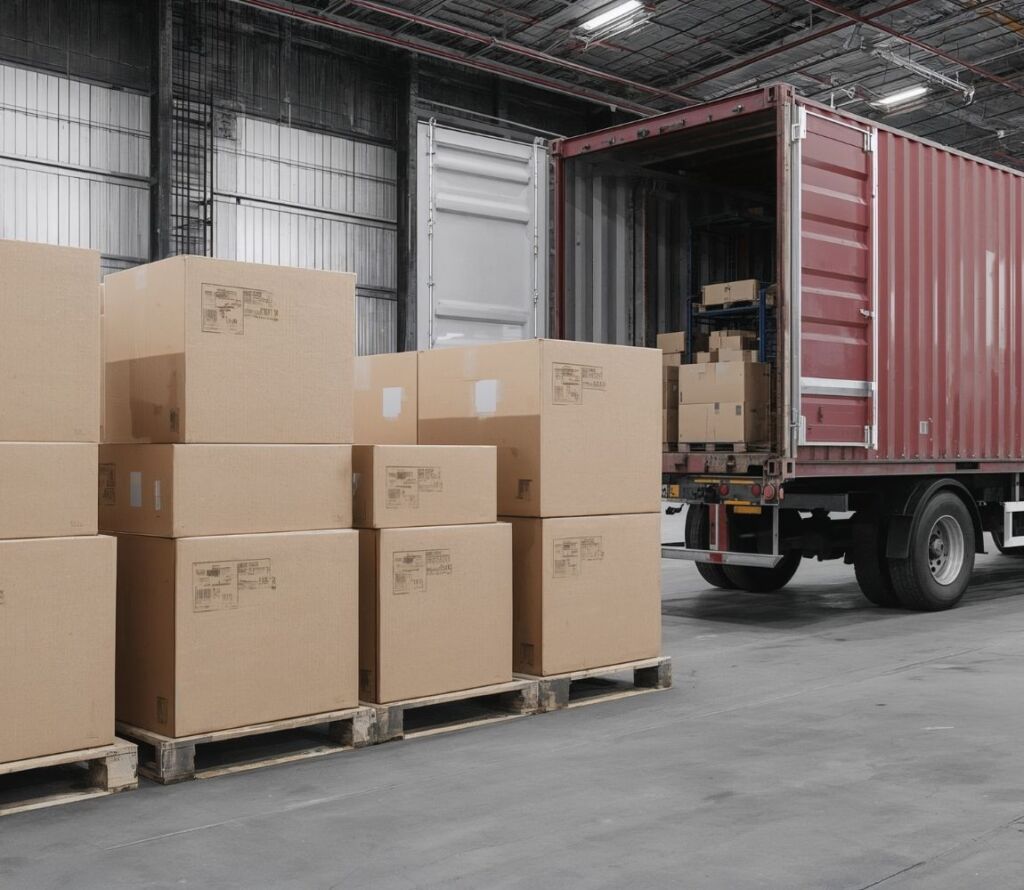
Professional Pallet Rework Services for Load Stability
Pallet stability is a critical factor in maintaining product integrity across storage, handling, and transportation stages. When freight is improperly stacked or inadequately secured, loads may shift, lean, or collapse, creating a higher risk of product damage, shipment delays, and unexpected operational costs.
OLIMP Warehousing provides comprehensive pallet rework services designed to restore load balance and structural integrity before goods continue through the supply chain. Our team carefully evaluates each pallet, reorganizes and realigns cartons, strengthens weak stacking points, and applies secure wrapping to ensure every load is properly supported. By correcting instability issues early, we help businesses reduce damage claims, prevent rejected shipments, minimize costly returns, and improve overall warehouse efficiency. Whether the solution requires full restacking, added stabilization, packaging reinforcement, or load redistribution, OLIMP delivers tailored pallet rework strategies that enhance shipment safety, maintain compliance standards, and support a more reliable, cost-effective logistics operation.
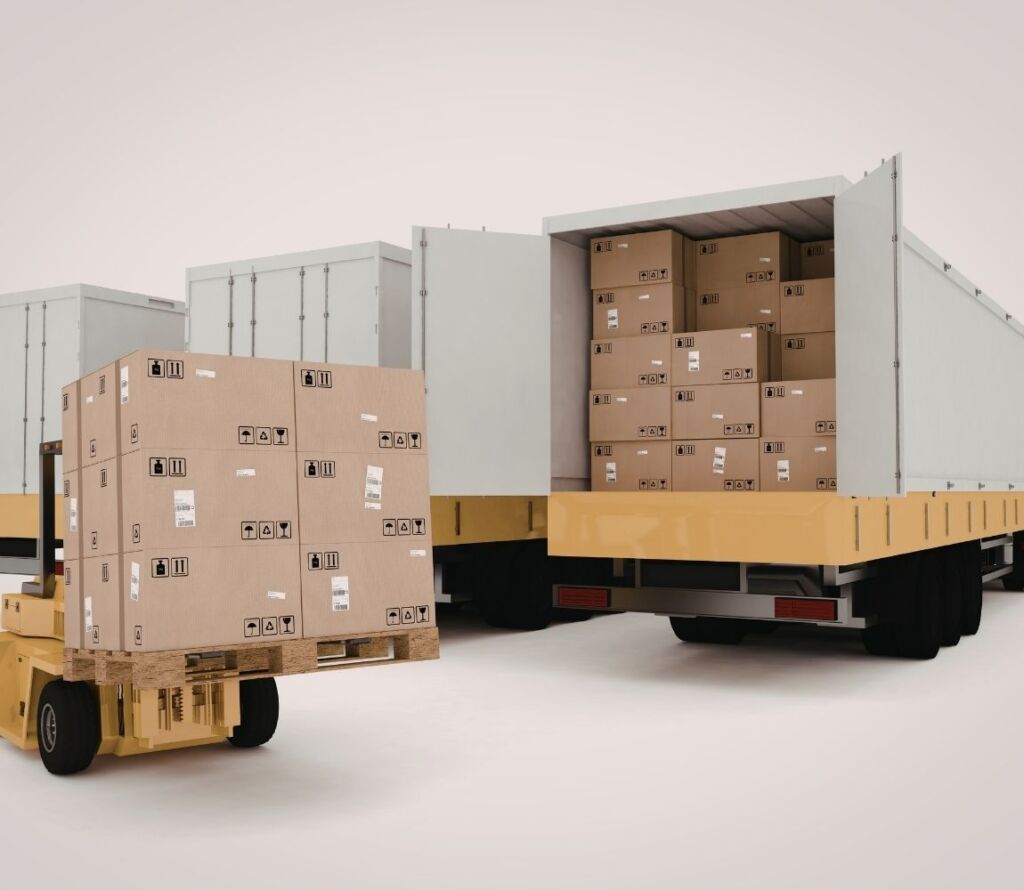
Dedicated Transloading Operations for Supply Chain Efficiency
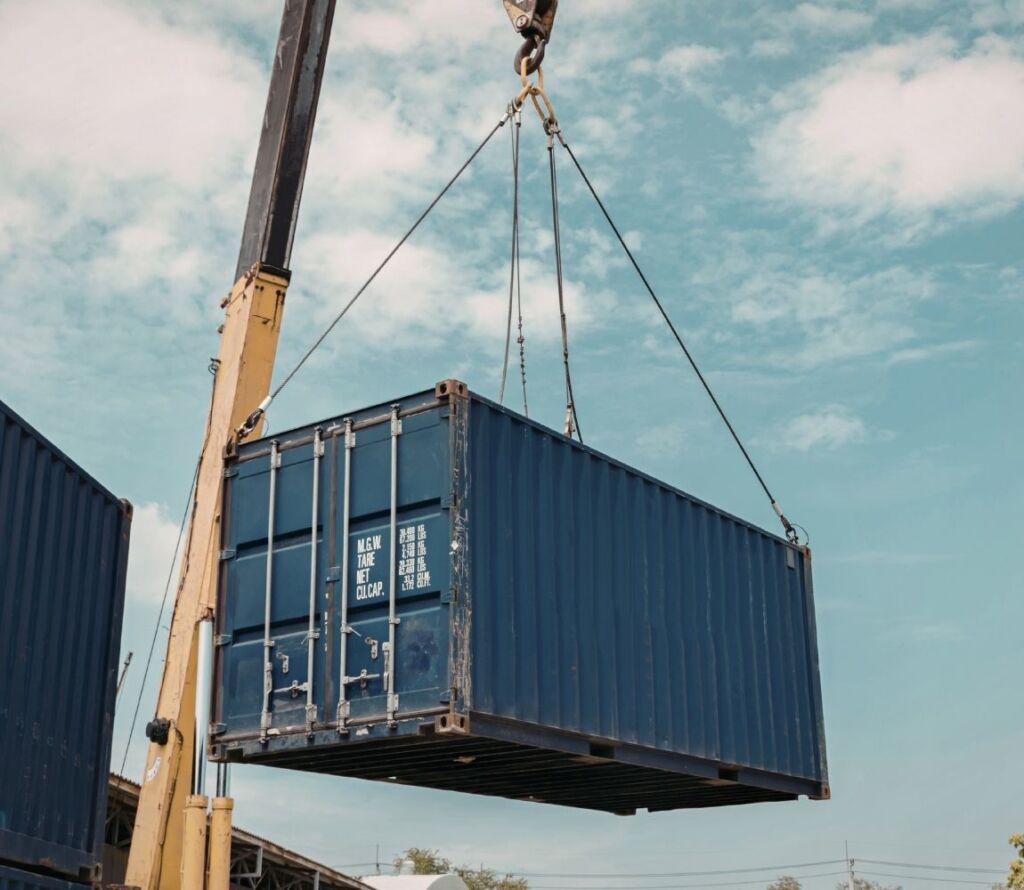
In today’s fast-moving supply chain, a reliable transloading process can be the difference between delayed freight and on-time delivery. Our team works closely with importers, exporters, and distributors to coordinate efficient transfers from rail to truck and port to warehouse. As one of the experienced transloading truck companies, we handle container unloading, palletizing, and reloading with speed and accuracy. Every shipment is managed by a dedicated transloaded company team that monitors cargo condition and inventory visibility at every step. We also provide secure drayage storage, giving customers short-term staging space near the port so freight can move immediately when appointments open — reducing detention, demurrage, and unnecessary transportation costs.
Frequently Asked Questions (FAQ) – OLIMP Warehousing
Q: What is the cross-docking method?
The cross-docking method is a logistics process where inbound shipments are received at a warehouse or distribution facility and transferred directly to outbound transportation with little or no long-term storage. Instead of storing inventory on racks, products are sorted, consolidated, and quickly dispatched to their next destination. This approach reduces storage costs, shortens handling time, and accelerates delivery across the supply chain.
Q: What does cross-docked mean in shipping?
In shipping, “cross-docked” refers to freight that has passed through a terminal or warehouse only for sorting and transfer purposes rather than storage. The cargo arrives on one truck or container, is briefly staged, inspected, or reorganized if necessary, and then loaded onto another outbound vehicle. The goal is to keep goods moving continuously and avoid inventory holding delays.
Q: What are the five types of cross-docking?
The five common types of cross-docking include:
•Manufacturing Cross-Docking: Components are delivered directly to production facilities for immediate use.
•Distributor Cross-Docking: Products from multiple suppliers are consolidated into mixed outbound shipments for customers or retailers.
•Retail Cross-Docking: Goods are sorted by store location and shipped directly to individual retail outlets.
•Transportation Cross-Docking: Shipments from several carriers are combined into optimized routes to improve transportation efficiency.
•Opportunistic Cross-Docking: Items already in the warehouse are immediately transferred to fulfill outgoing orders without entering storage.
Q: What is transloading in logistics?
Transloading is the process of transferring cargo from one mode of transportation to another, such as from ocean container or railcar to a truck. During transloading, goods may be unloaded, palletized, reconfigured, or repackaged to match delivery requirements. This method helps businesses manage international freight, reach inland destinations efficiently, and reduce transportation and handling costs.
Q: What are the 7 steps of logistics?
The logistics cycle typically includes seven key steps:
1.Order processing
2.Inventory planning and control
3.Warehousing and storage
4.Material handling and packaging
5.Transportation and freight movement
6.Distribution and last-mile delivery
7.Returns management and reverse logistics
Together, these steps ensure products move efficiently from supplier to end customer while maintaining visibility, cost control, and service reliability.
Ready to streamline your warehousing needs?
Request a quote today and discover how OLIMP's tailored solutions can optimize your operations
