FLEXIBLE, RELIABLE, AND ADVANCED WAREHOUSING SOLUTIONS IN LANCASTER WITH OLIMP WAREHOUSING
Professional and Comprehensive Warehousing Solutions in Lancaster
Warehousing services in Lancaster provide fast, reliable and flexible solutions for all storage and operational needs. These services combine essential functions such as short- and long-term storage, product consolidation, order preparation, pallet rework, cross-docking, and transloading under one roof. Thanks to Lancaster’s strategic location, your products are stored securely, organized efficiently, and prepared for redistribution with maximum effectiveness. With precise inventory management, consistent reporting, and professional operational support, warehousing in Lancaster offers businesses a streamlined logistics experience—allowing brands to focus on growth rather than daily logistics challenges.
Access a Warehouse Now
Optimize Your Logistics Today
Book Pallet Reworks
Book Transloading Services
Flexible and Advanced Warehousing Solutions in Lancaster
OLIMP Warehousing in Lancaster delivers a flexible and efficient operational structure tailored to the needs of modern businesses, following the principles of an advanced auto warehousing company. Our technology-driven systems, featuring real-time tracking and full visibility, enable customers to oversee all aspects of storage and warehousing services instantly, reducing errors and enhancing supply chain management. Strategically located in Lancaster, our facility provides businesses with a prime advantage for optimizing regional distribution, as close proximity to major transportation routes ensures smooth and timely inbound and outbound freight.
OLIMP’s comprehensive offerings include ecommerce warehousing, food warehousing, and general warehousing, all designed to support both short-term projects and long-term operations. With customizable storage solutions, secure facilities, and adaptable space, clients achieve maximum efficiency in capacity management and operational costs. These capabilities make OLIMP Warehousing a trusted partner, delivering speed, visibility, strategic location benefits, and a full range of storage and logistics solutions beyond standard warehousing providers.
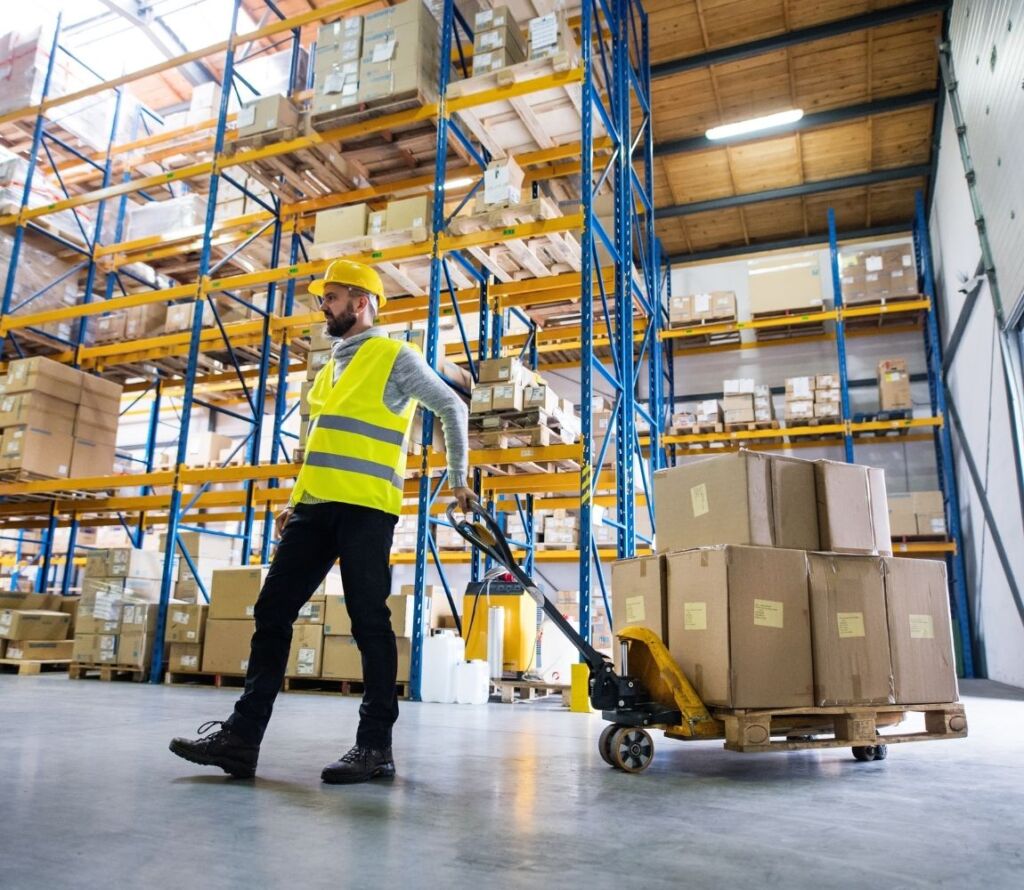
Cross Docking in Supply Chain Management Made Simple
Cross docking is a logistics strategy that minimizes storage time by moving goods directly from inbound to outbound transportation. In warehousing and cross docking operations, efficiency and speed are prioritized to reduce inventory holding costs. The cross docking process typically includes the following steps:
- Receiving: Goods arrive at the warehouse or cross-docking facility from suppliers or transport carriers.
- Sorting and Inspection: Shipments are checked, sorted, and directed to the appropriate outbound vehicles based on delivery routes.
- Immediate Transfer: Products are quickly reloaded onto outbound trucks, minimizing storage time and streamlining the flow.
- Dispatch and Delivery: Final shipments are sent to customers or distribution centers, completing the crossdocking & delivery cycle efficiently.
Implementing cross docking in supply chain management helps companies reduce lead times, lower handling costs, and improve overall delivery speed, creating a more agile and responsive logistics network.
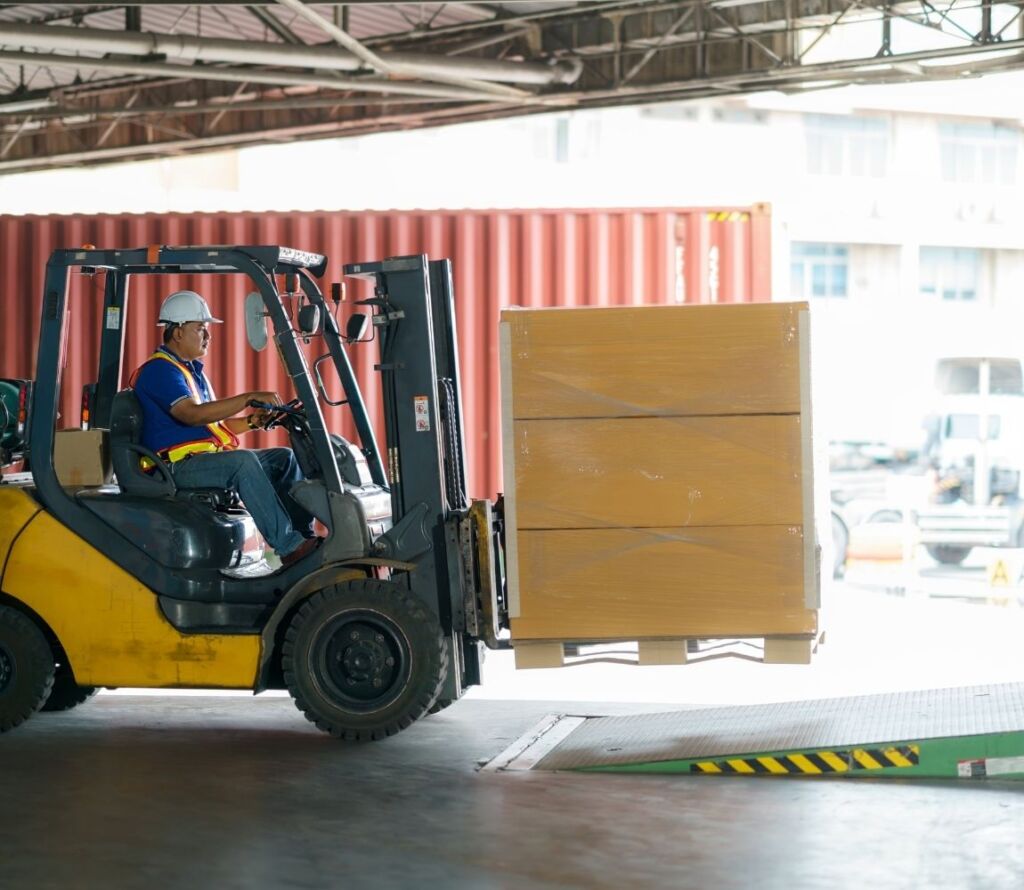
Pallet Rework, Cross-Docking & Last-Mile Delivery Solutions in Lancaster
Customized pallet rework services in Lancaster ensure freight is restacked securely, wrapped with durable materials, and prepared for safe transit. When loads shift or experience minor damage in transport, our team reorganizes pallet structure, reinforces packaging, and adds protective layers to maintain stability and product integrity. We move freight quickly through streamlined cross-docking, transferring items directly to the next carrier for continued movement without unnecessary delays. Last-mile delivery is also available, allowing shipments to leave our facility and arrive at their final destination efficiently and on schedule. With every step managed carefully, OLIMP Warehousing provides the reliability and precision needed to protect your products from dock to doorstep.
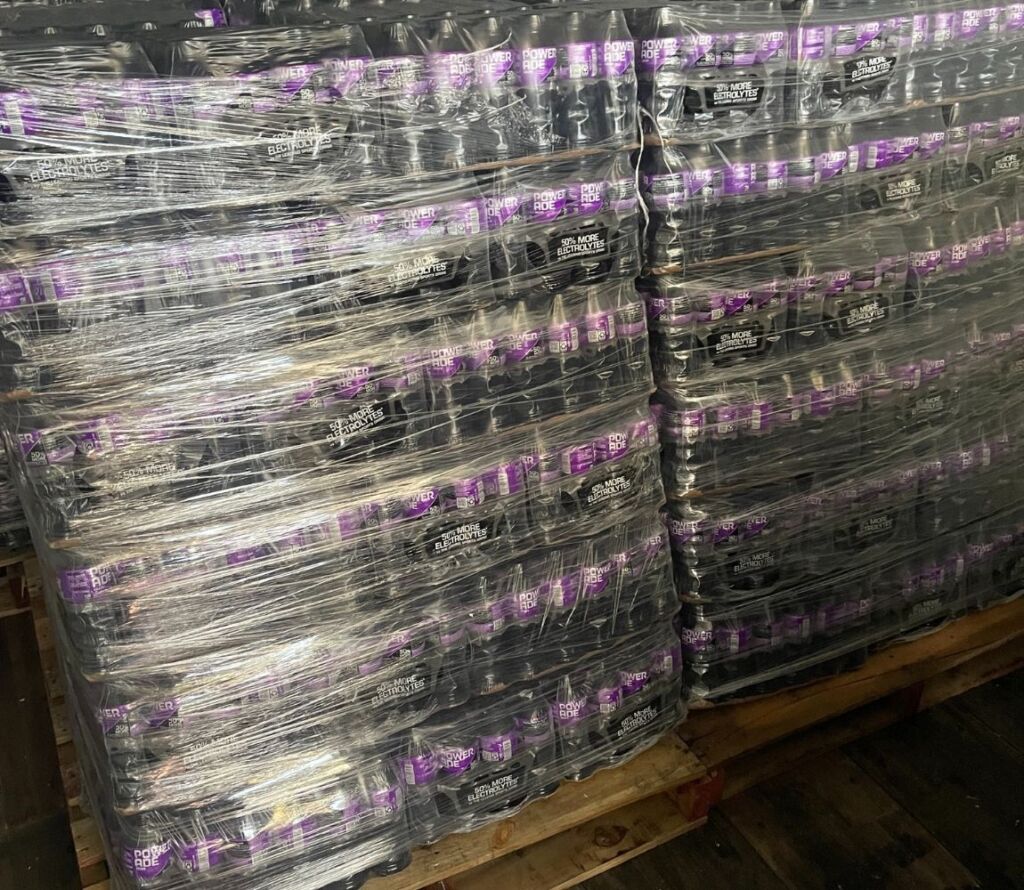
Transloading & Drayage for Smooth Intermodal Freight Flow
Transloading and drayage services provide a flexible logistics solution for shipments transitioning between transportation modes, helping freight move efficiently through each stage of distribution. Within warehouse and transloading logistics, cargo can be unloaded from trucks, containers, or railcars and then reloaded onto new equipment based on delivery routes and capacity needs. This warehouse transloading approach supports quicker transfer times, especially for shipments requiring separation, palletization, repacking, or consolidation before final delivery. Understanding the different types of transloading — such as truck-to-rail, rail-to-truck, or container-to-warehouse handling — is key to selecting the right method for your freight. Throughout the transloading process, goods are monitored, handled carefully, and optimized for onward movement, ensuring a smooth drayage connection and a streamlined path through the supply chain.
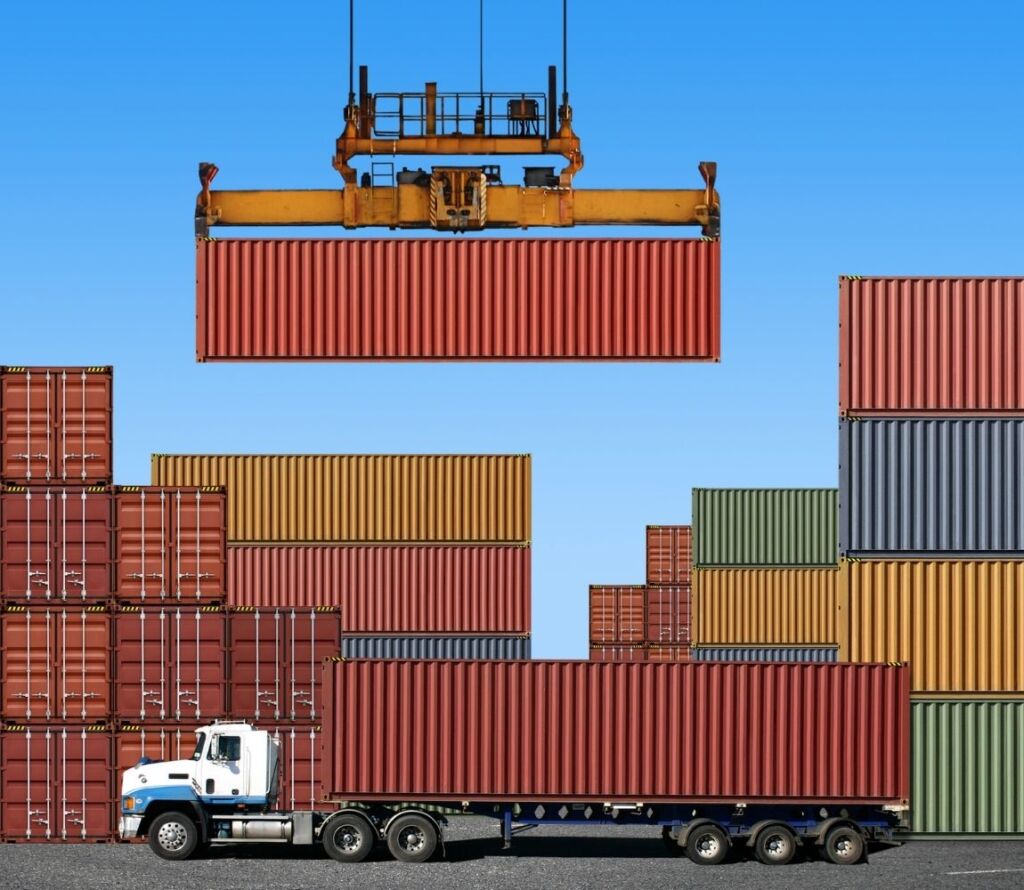
Frequently Asked Questions (FAQ) – OLIMP Warehousing
Q: What are the assets of a warehouse?
A warehouse holds a variety of assets essential for efficient operations, including:
•Physical inventory (raw materials, finished goods, packaging)
•Storage equipment (racks, pallets, bins, forklifts)
•Technology systems (WMS, real-time tracking, barcode scanners)
•Infrastructure (shelves, climate control, security systems)
•Human resources (warehouse staff, supervisors, logistics coordinators)
Q: How to control the stock in a warehouse?
Stock control can be managed effectively using a combination of:
•Inventory management systems: Automate tracking of stock levels and movements
•Regular cycle counts: Frequent checks of physical stock to prevent discrepancies
•Barcode/RFID scanning: Ensure accurate recording of items in and out
•FIFO/LIFO methods: Manage product rotation to reduce spoilage or obsolescence
•Reporting and analytics: Monitor trends, shortages, and overstock situations
Q: What is a warehouse solution?
A warehouse solution refers to a comprehensive approach or service that optimizes storage, handling, and distribution of goods. This can include:
•Inventory management and tracking systems
•Flexible storage options (racks, bulk storage, climate-controlled areas)
•Operational services like cross-docking, pallet rework, and transloading
•Logistics planning and integration with transportation networks
Q: What are the 5 ways in which the efficiency of a warehouse may be improved? Warehouse efficiency can be enhanced through:
Warehouse efficiency can be enhanced through:
1.Optimized layout: Organize storage areas to reduce travel time and streamline workflow
2.Automation & technology: Use WMS, barcode scanning, and real-time tracking
3.Staff training & management: Ensure employees are skilled and processes are standardized
4.Inventory control: Maintain accurate stock levels to reduce errors and delays
5.Cross-docking and transloading: Minimize storage time and accelerate product movement
Ready to streamline your warehousing needs?
Request a quote today and discover how OLIMP's tailored solutions can optimize your operations