SMART, FLEXIBLE AND STRATEGIC WAREHOUSING SOLUTIONS WITH OLIMP WAREHOUSING ON THE EAST COAST
Comprehensive Warehousing Solutions in North East, Maryland
OLIMP Warehousing in North East, Maryland offers comprehensive and flexible storage solutions for businesses. The company provides distribution warehousing for high-volume products, on-demand warehousing for short-term peak periods, and specialized warehousing for goods with specific temperature or security requirements. With modern cross-docking and pallet rework capabilities, OLIMP ensures fast and secure transfer of products. Additionally, its transloading and drayage services enable smooth container-to-truck transfers and efficient last-mile delivery. Strategically located near the I-95 corridor, major ports, and key transportation routes, OLIMP Warehousing delivers significant time and cost advantages, while its scalable infrastructure supports operations of all sizes.
Access a Warehouse Now
Explore Cross Docking Services
Learn More About Our Pallet Solutions
Start Transloading Today
Smart Storage & Logistics Solutions for Growing Brands
Because storage needs vary based on a company’s size and industry, different types of warehousing come into play. On-demand warehousing offers flexibility during short-term peak periods, while distribution warehousing is the best fit for brands with high product volumes. When products require specific temperature or security conditions, specialized warehousing becomes essential; meanwhile, e-commerce brands often choose fulfillment-focused warehousing solutions that support fast shipping. OLIMP’s location in North East, Maryland provides the access, infrastructure, and scalability needed to support all these warehousing types, giving brands comprehensive operational flexibility.
OLIMP Warehousing in North East, Maryland stands out among regional warehousing companies thanks to its strategic location. This point offers fast access to both the Northeast and Mid-Atlantic, significantly accelerating brands’ distribution & warehousing operations. Its proximity to the I-95 corridor, major ports, and key transportation routes delivers reliable warehousing and logistics processes and offers major advantages for warehousing suppliers seeking the right partner in their supply chain. This strategic location in North East helps products move faster, more cost-effectively, and more efficiently.
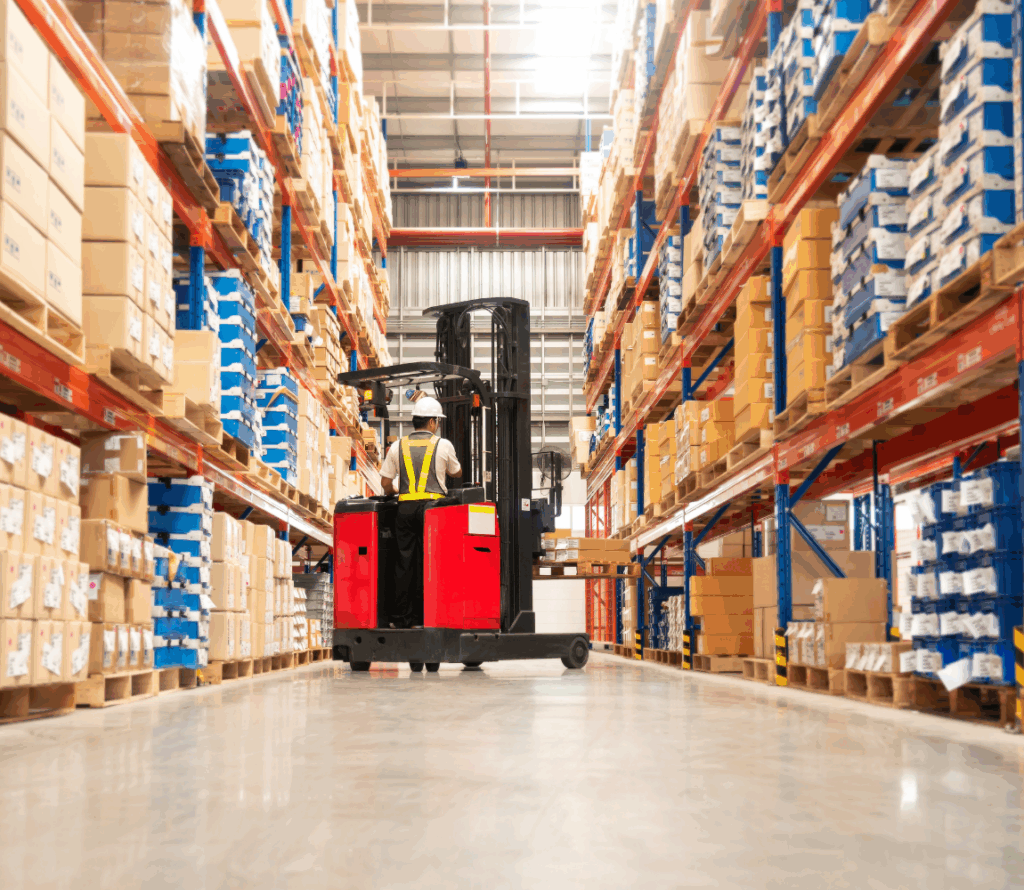
Seamless Cross Docking for Faster, Leaner Distribution
Cross docking is a process in which products are quickly transferred from inbound to outbound shipments without being stored, which is why many businesses look for clear answers to “what is cross-docking” when aiming to increase operational speed and reduce inventory load. When implemented correctly, cross docking inventory management systems minimize dwell time, reduce holding costs, and significantly accelerate shipping operations. With modern cross docking & warehouse systems, OLIMP Warehousing operates as a reliable 24 hour cross docking warehouse in North East, Maryland, providing brands with fast, uninterrupted, and dependable service. OLIMP’s expert team ensures that products are transferred to the right truck at the right time with minimal delay, maximizing supply chain efficiency for every client.
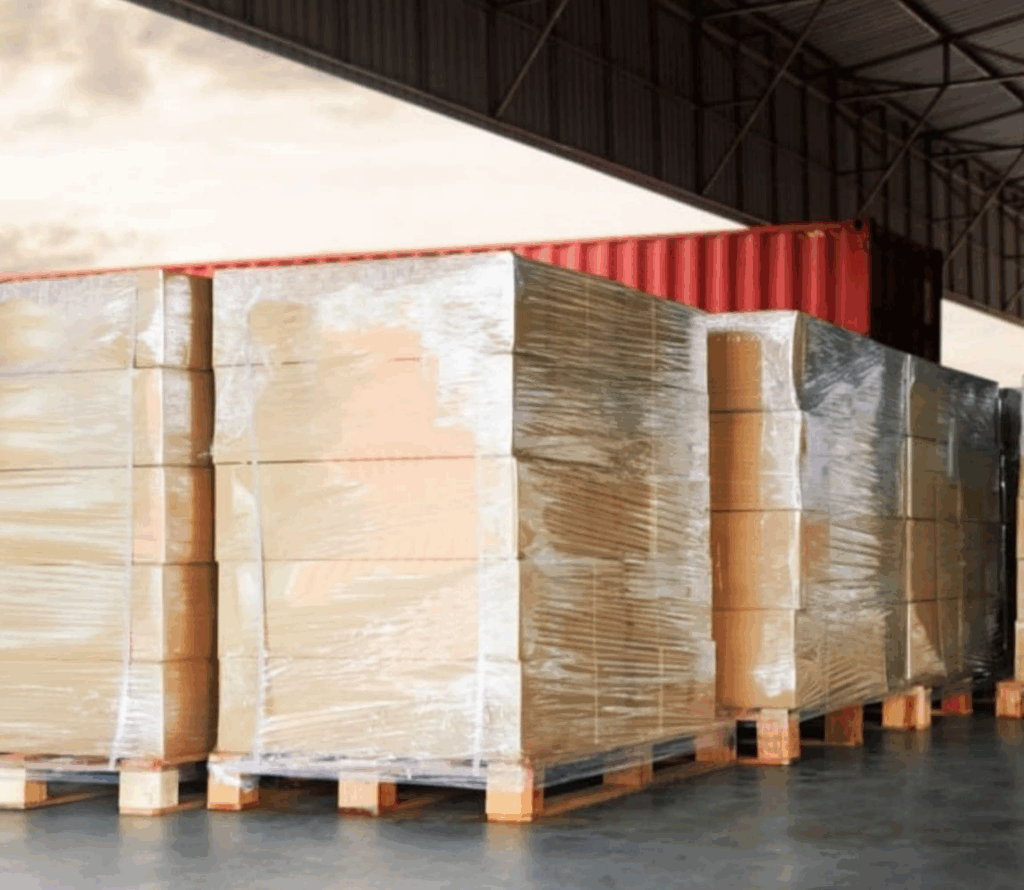
Comprehensive Pallet Rework and Cross-Docking Solutions
At OLIMP Warehousing in North East, we offer specialized pallet rework solutions designed to ensure your shipments are securely stacked, properly wrapped, and fully prepped for safe transport. If your cargo has shifted or suffered minor damage during transit, our team meticulously reorganizes and reinforces pallets to maintain stability, while also upgrading packaging with stronger materials and added protective measures. In addition to pallet preparation, we optimize the flow of goods with efficient cross-docking operations, allowing rapid transfer to the next transport mode, and provide dependable last-mile delivery, managing shipments directly from our facility to their final destination. With OLIMP Warehousing, every stage of your logistics process is handled with expertise and attention to detail, ensuring your products reach their destination safely and on schedule.
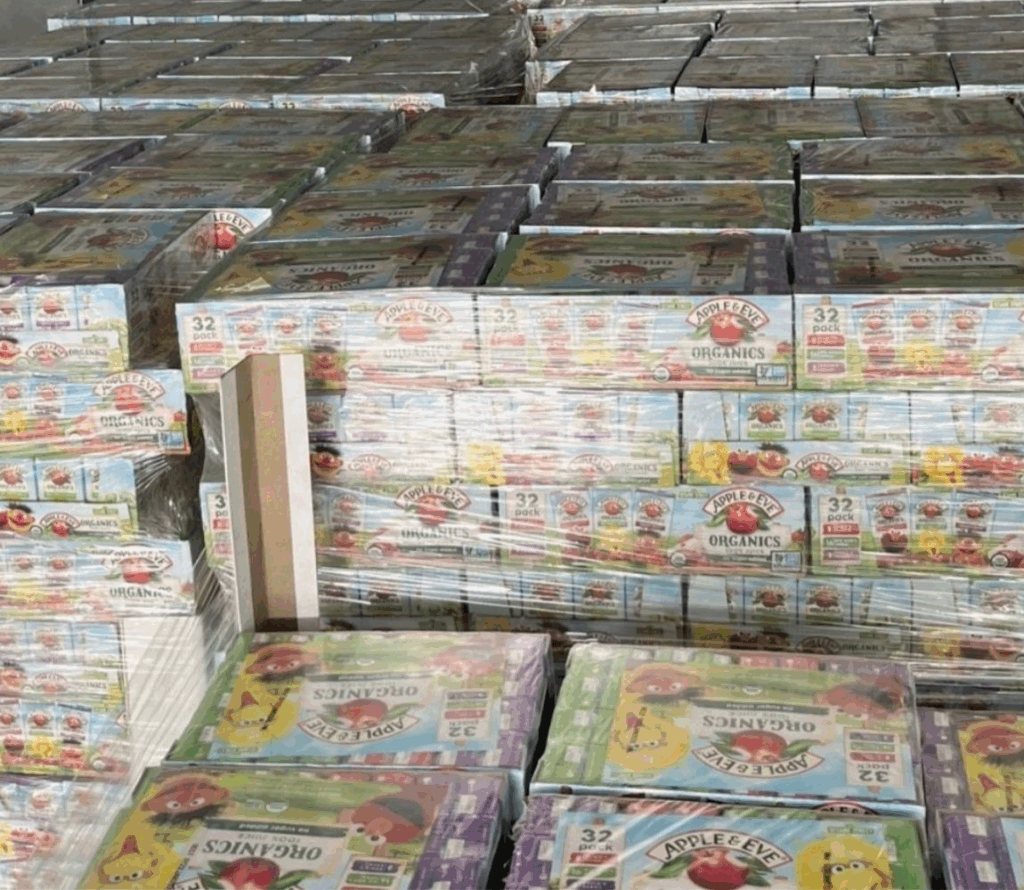
Comprehensive Transloading and Drayage for Seamless Logistics
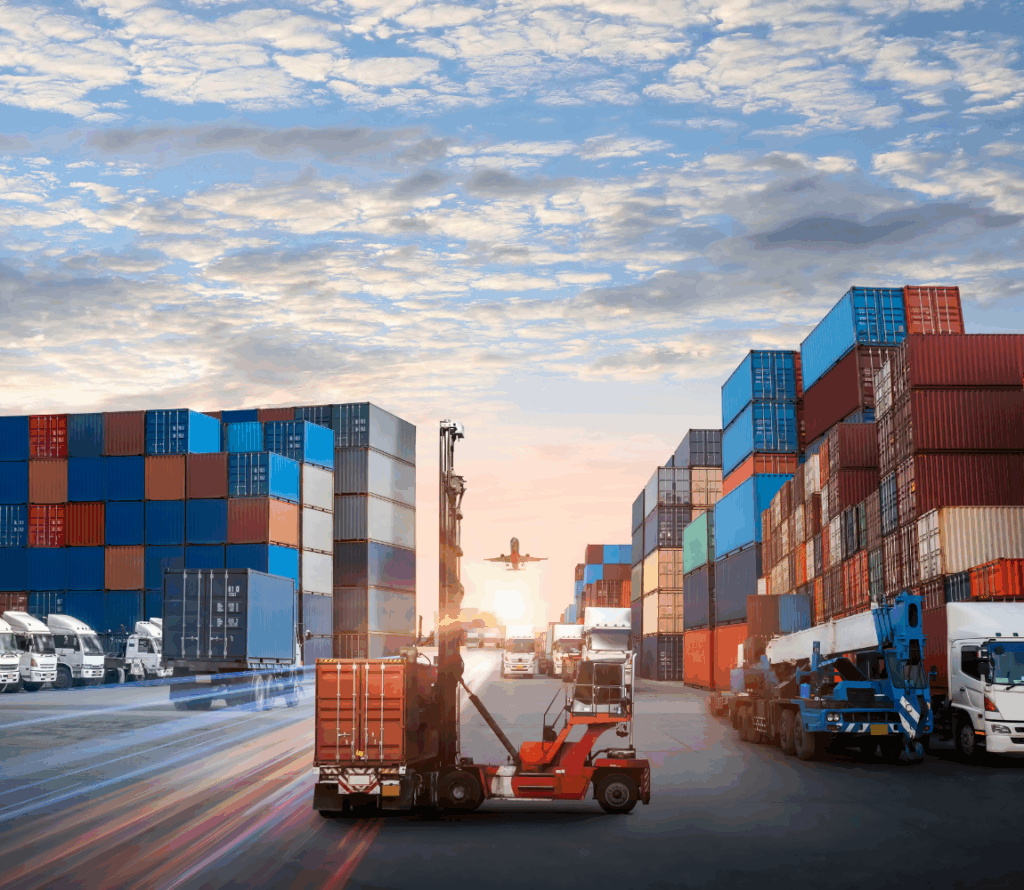
Transloading and drayage are essential services for ensuring faster and more efficient movement of goods, especially in regions with busy port and rail connections. When a product is transferred from a container to a truck—or vice versa—using the right transloading facility can save both time and costs. This is why many businesses search for reliable transloading services near me. It’s also important to understand the difference between transloading vs cross docking: transloading focuses on transferring goods between different equipment or transport modes, while cross docking emphasizes rapid transfer with minimal storage.
OLIMP Warehousing in North East, Maryland combines the benefits of both through its comprehensive transloading and warehousing services. Its proximity to regional ports and trusted partner network makes it a top choice among container drayage companies, offering fast, secure, and seamless drayage freight solutions. OLIMP’s experienced team optimizes the entire process, from container handling to product transfer, ensuring businesses enjoy a smooth, efficient, and competitive supply chain.
Frequently Asked Questions (FAQ) – OLIMP Warehousing
Q: What are the three main types of cross-docking?
The three main types of cross-docking are:
1.Manufacturing Cross-Docking – used to consolidate parts or raw materials for production..
2.Distributor Cross-Docking – used by distributors to quickly transfer products to retail locations.
3.Retail Cross-Docking – used to sort and send products directly to stores, reducing storage time.
Q: When should cross-docking be used?
Cross-docking should be used when rapid product movement is needed, inventory holding costs need to be minimized, or products have a short shelf life. It is ideal for perishable goods, high-volume shipments, and time-sensitive deliveries.
Q: What is the main industry in the North East?
The North East region is known for diverse industries, including manufacturing, logistics, distribution, technology, and finance. Warehousing and supply chain services are particularly critical due to the high volume of imports and exports through regional ports.
Q: Where are warehouses usually located?
Warehouses are typically located near major highways, ports, rail lines, and urban centers to ensure efficient distribution, reduce transportation costs, and enable quick access to markets
Q: What are the four major types of warehousing?
The four major types of warehousing are:
1.Private Warehouses – owned and operated by a company for its own goods.
2.Public Warehouses – available for use by multiple businesses on a rental basis.
3.Bonded Warehouses – licensed by customs to store imported goods before duties are paid.
4.Cooperative or Shared Warehouses – used collectively by multiple companies to reduce costs.
Ready to streamline your warehousing needs?
Request a quote today and discover how OLIMP's tailored solutions can optimize your operations