RELIABLE LOGISTICS SERVICES IN EDWARDSVILLE BY OLIMP WAREHOUSING
Supporting Business Growth Through Reliable Warehousing
OLIMP Warehousing in Edwardsville provides businesses with dependable logistics support backed by a wide network of professional warehouse partners and modern operational standards. Companies benefit from flexible storage capacity, responsive communication, and fast service coordination designed to minimize delays and keep freight moving efficiently. From daily inventory handling to time-sensitive shipments, the team focuses on accuracy, safety, and consistent turnaround times. By combining experienced local facilities with scalable solutions, OLIMP Warehousing helps businesses maintain service reliability, improve delivery performance, and adapt to changing demand without heavy infrastructure investment.
Discover Flexible Storage
Explore Our Logistics Solutions
Request Pallet Rework Service
Request Transloading Service
Upgrade Your Supply Chain with Modern Logistic Warehousing
In today’s supply chain, speed and flexibility have become more critical than ever. A well-planned logistic warehousing solution does more than simply store products; it improves inventory visibility, shortens delivery times, and reduces operational costs. Partnering with a provider that offers comprehensive logistical & warehousing services gives businesses a strong competitive advantage. For companies facing seasonal demand fluctuations, short term warehousing options create growth opportunities without requiring heavy capacity investments. With its reliable infrastructure and extensive warehouse network, OLIMP warehousing helps optimize storage operations and ensures products reach customers at the right place, at the right time.
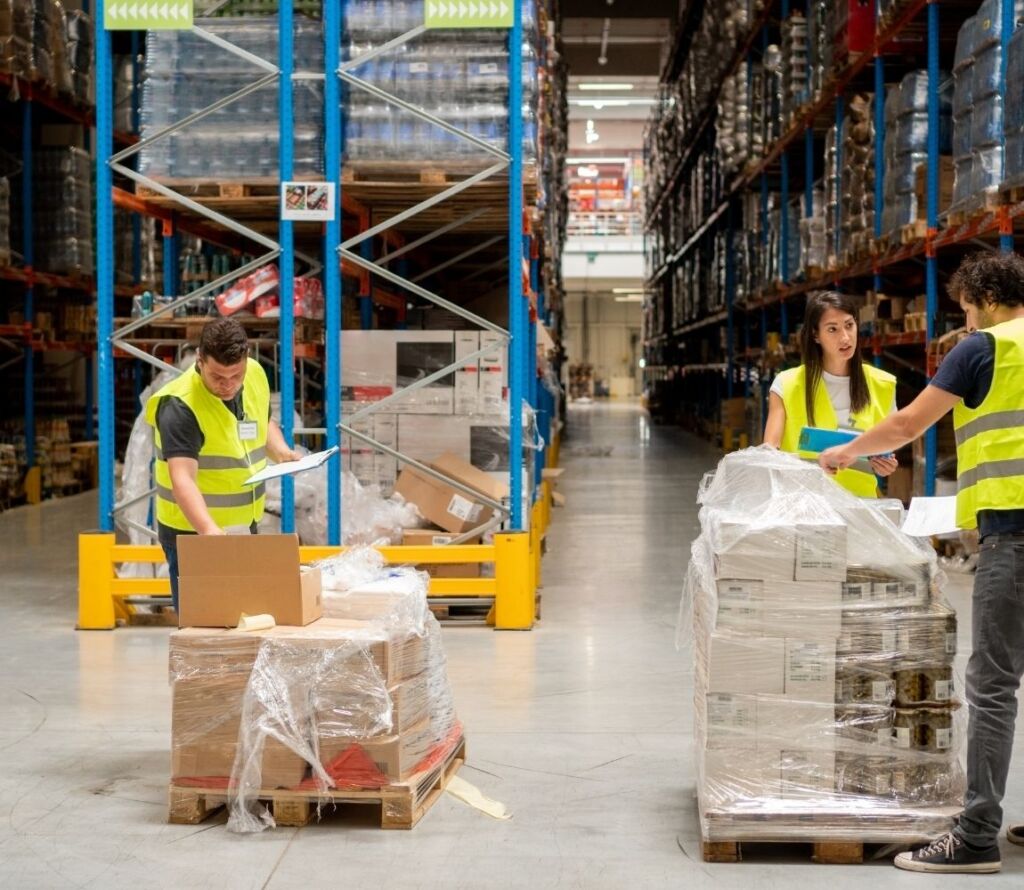
Real-Time Cross Dock Operations for Modern Logistics
Cross docking is based on transferring products directly from inbound shipments to outbound transportation without long-term storage; in other words, the basic cross docking definition is minimizing storage time while maximizing distribution speed. After receiving the freight, goods are quickly sorted, labeled, and routed to the correct shipping line, significantly reducing both labor and space costs compared to traditional warehousing. With modern cross docking & warehouse systems, operations can be monitored in real time, shipment planning becomes more accurate, and delays are largely prevented.
Especially for retail, e-commerce, and fast-moving consumer goods sectors, effective cross docking inventory management eliminates excess stock risk while improving order accuracy and customer satisfaction. Supported by an advanced cross dock facility infrastructure, OLIMP Warehousing enables products to move without unnecessary storage, shortens delivery times, optimizes transportation costs, and provides businesses with a more flexible supply chain operation. This approach helps companies increase operational efficiency and respond more quickly to changing market demand.
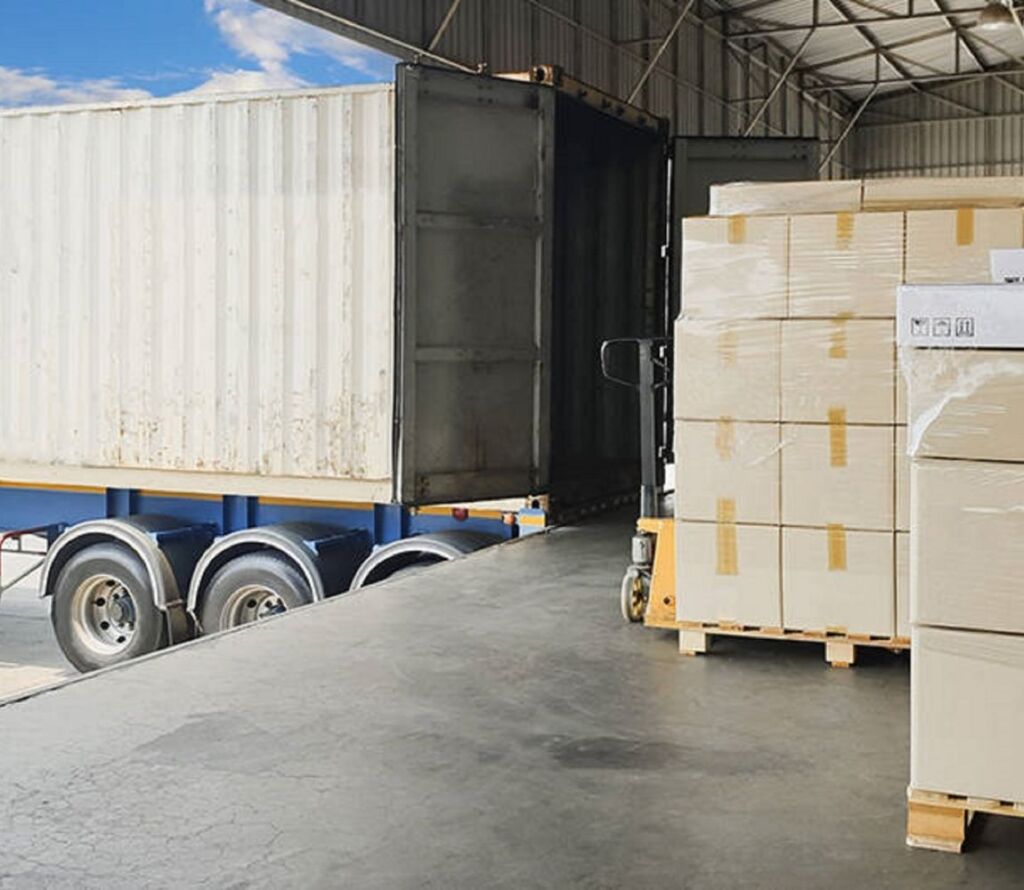
Fix Shifted or Damaged Pallets Before They Cause Delays
Maintaining stable and properly secured freight is critical to avoiding delays in today’s fast-moving logistics environment. When pallets arrive leaning, collapsed, or non-compliant with carrier requirements, professional pallet rework becomes necessary to keep shipments moving. Our restacking solutions reorganize and stabilize loads, correct weight distribution, and replace or reinforce damaged packaging so freight can safely continue in transit. These adjustments not only improve handling safety but also reduce the risk of product damage, carrier refusal, or unexpected detention charges. Through reliable freight rework services, labeling corrections, repackaging, and pallet reinforcement are completed efficiently, helping businesses protect their inventory and maintain on-time delivery schedules. With OLIMP Warehousing, companies can quickly connect with trusted facilities and ensure cargo is shipment-ready without interrupting the supply chain.
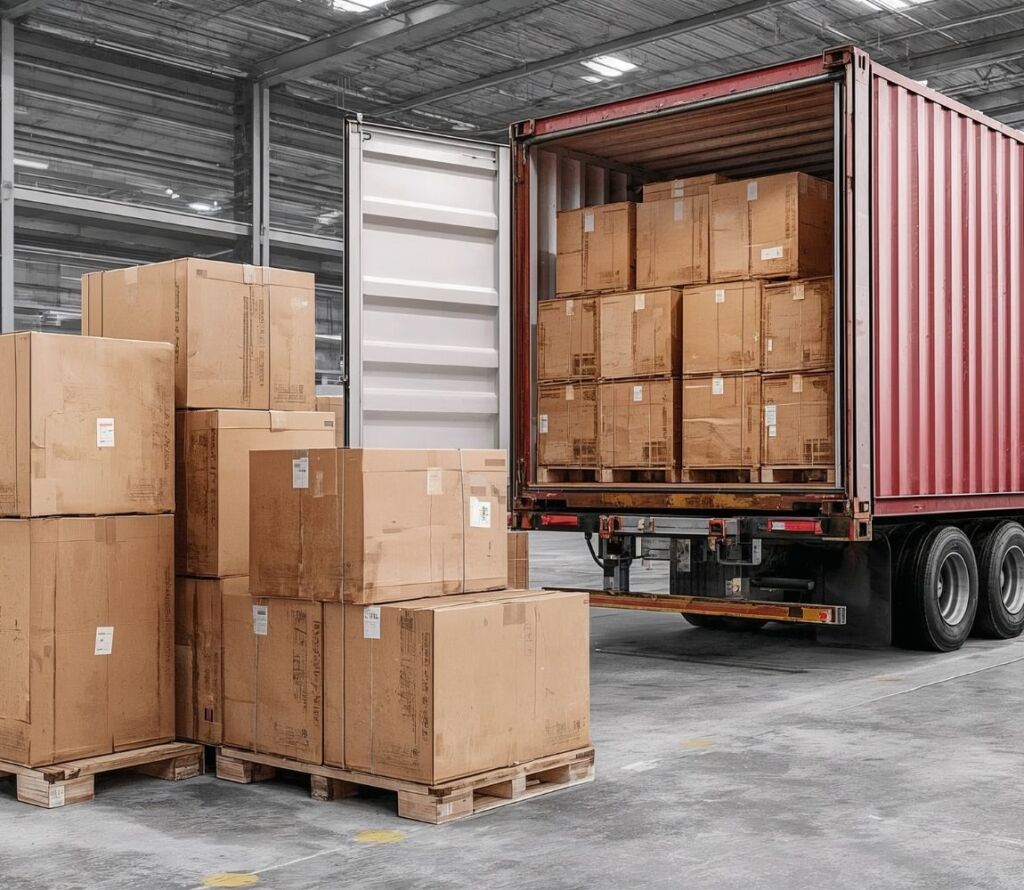
Keep Your Freight Moving Between Every Mode of Transport
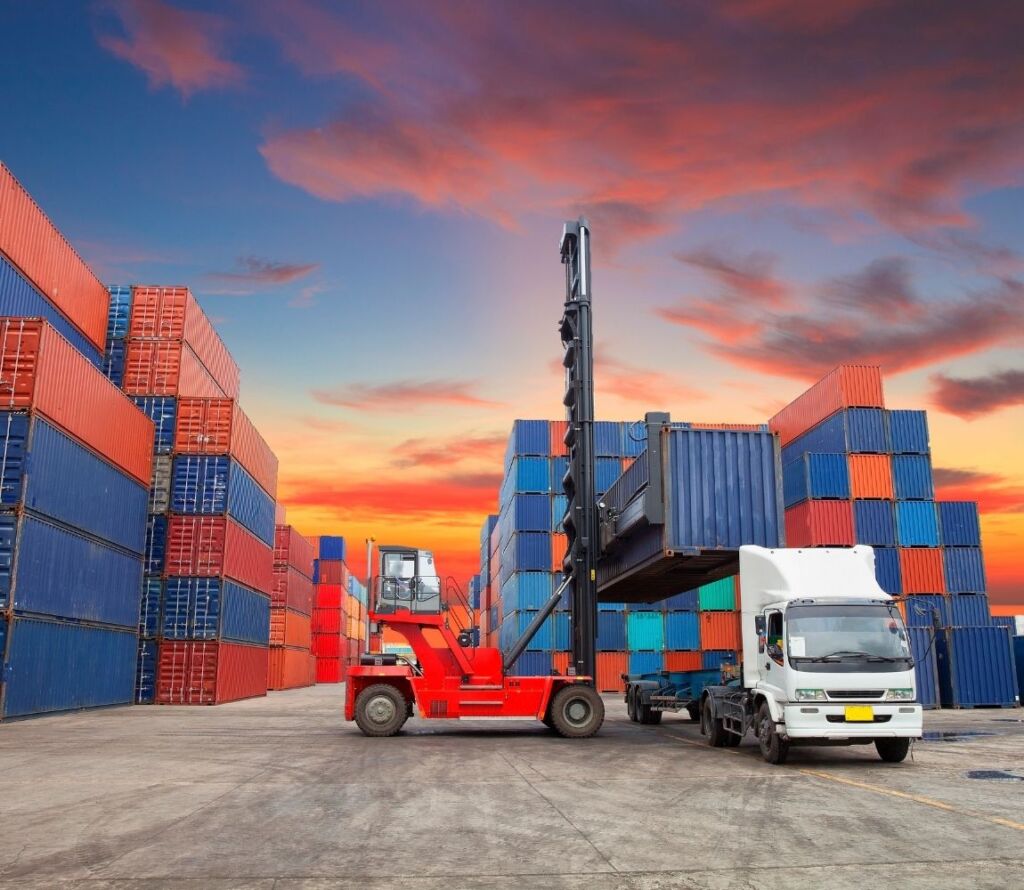
Transloading and drayage services play a vital role in keeping freight moving smoothly between ports, rail terminals, and distribution points. A dependable transloading company manages the transfer of cargo between transportation modes so shipments can continue without unnecessary storage or delay. By using specialized transloading equipment, products are handled carefully while moving between containers, trailers, or railcars, protecting cargo and maintaining efficiency.
Key benefits include:
- Faster cargo transfers that reduce dwell time and keep deliveries on schedule
- Flexible routing options when capacity or transportation methods need to change
- Access to nearby transloading facilities near me for quicker turnaround and regional distribution
- Reliable drayage trucking for short-distance moves between ports, rail ramps, and warehouses
Together, these services improve supply chain visibility, lower handling risks, and help businesses maintain consistent delivery performance.
Frequently Asked Questions (FAQ) – OLIMP Warehousing
Q: What are the 5 S in warehousing?
The 5S methodology is a workplace organization system used to improve efficiency and safety in warehouse operations. It stands for Sort (remove unnecessary items), Set in Order (organize tools and inventory), Shine (clean the workspace), Standardize (create consistent procedures), and Sustain (maintain and audit the process regularly). Warehouses that follow 5S principles typically experience fewer errors, safer handling, and faster order fulfillment.
Q: Which type of warehouse is best?
There is no single “best” warehouse type; the right option depends on your business needs. Public and shared warehouses work well for flexible storage, private warehouses suit companies with consistent volume, and on-demand or third-party facilities are ideal for scaling operations without investing in infrastructure. Many growing businesses choose flexible warehousing networks to adjust capacity during seasonal demand.
Q: What's the difference between 3PL & 4PL?
A 3PL (third-party logistics provider) performs operational tasks such as storage, fulfillment, cross docking, and transportation coordination. A 4PL (fourth-party logistics provider) manages the entire supply chain strategy, often overseeing multiple 3PL providers, analytics, and optimization planning. In simple terms, a 3PL handles the work, while a 4PL manages the logistics ecosystem.
Q: What is a class 3 warehouse?
A Class 3 warehouse generally refers to an older facility with basic infrastructure and lower operating costs. These buildings may have fewer loading docks, lower ceiling heights, and limited automation compared to modern Class A distribution centers. They are often used for overflow storage, non-sensitive inventory, or short-term warehousing needs.
Q: What are the 7 types of warehouses?
Common warehouse categories include: public warehouses, private warehouses, bonded warehouses, distribution centers, fulfillment centers, climate-controlled warehouses, and smart/automated warehouses. Each type supports different industries and inventory requirements depending on storage duration, handling needs, and regulatory conditions.
Q: What services are offered in a warehouse?
Modern warehouses provide more than storage. Typical services include inventory management, order picking and packing, cross docking, pallet rework and restacking, labeling and repackaging, transloading, drayage coordination, and distribution support. These services help businesses reduce handling time, improve accuracy, and streamline delivery operations.
Ready to streamline your warehousing needs?
Request a quote today and discover how OLIMP's tailored solutions can optimize your operations