Transloading and Drayage Services
in Atlanta, GA
Keep Atlanta Intermodal Freight Moving When Timing Changes
Move containerized and palletized freight between Atlanta rail terminals, warehouse docks and outbound trucks through one coordinated request.
A delayed rail release, missed delivery appointment or unavailable receiving dock can leave a container sitting while storage, detention or equipment-related charges continue to build. Finding a dray carrier is only part of the solution-you may also need a compatible Atlanta transload warehouse, handling equipment, temporary staging and an outbound truck.
OLIMP helps freight brokers, carriers, shippers and manufacturers source transloading and drayage services in Atlanta through a network of independent warehouse and transportation partners. Instead of calling multiple providers, submit the shipment details once so the team can check appropriate options based on location, timing, freight characteristics and required handling.
Atlanta is an inland freight hub, so local drayage is typically focused on short-haul container movement between rail terminals, warehouses and distribution centers. Ocean containers arriving through the Port of Savannah may reach Atlanta by rail or highway before being transloaded for regional distribution.
Whether you need a planned container program or short-notice transloading services near you, OLIMP can help identify an option that fits the move-subject to local capacity and shipment requirements.
Source an Atlanta-area transload option based on your rail ramp, deadline, cargo and equipment needs.
Combine drayage, cargo transfer, short-term staging and onward transportation when matching services are available.
Keep containers and drivers moving by coordinating terminal pickup, unloading, outbound loading and container return.
Atlanta Transloading and Drayage for Rail, Truck and Air Cargo
Drayage is the short-distance transportation of a container between an intermodal terminal and a nearby warehouse, distribution center or receiver. Transloading is the transfer of the freight itself from one type of transportation equipment to another.
In Atlanta, these services frequently work together. A container may be collected from an intermodal rail ramp, delivered to a warehouse, unloaded and transferred into a domestic dry van for delivery across Georgia or the Southeast.
Common use cases include:
- Transferring imported freight from a 20-foot or 40-foot container into a 53-foot domestic trailer
- Unloading a container before rail or equipment free time expires
- Splitting one container into multiple outbound shipments
- Consolidating several inbound loads into one outbound shipment
- Moving freight between trailers after a breakdown, rejection or missed appointment
- Holding freight temporarily until the receiver or outbound carrier is ready
- Restacking, repalletizing, labeling or repackaging freight before redelivery
- Coordinating container pickup, unloading and empty-container return
- Transferring air cargo to trucks for regional distribution
How the OLIMP process works
- Submit the shipment details: Provide the rail terminal or pickup point, destination, container or trailer size, cargo description, weight, pallet count, deadline and special-handling requirements.
- Review matched options: OLIMP checks its network for Atlanta-area providers with suitable location, availability and capabilities.
- Confirm the operating plan: Review the warehouse, drayage, transfer, staging and outbound transportation requirements before booking.
- Move and transfer the freight: The selected providers coordinate pickup and cargo handling according to the confirmed scope.
- Complete the next step: Freight can move to the receiver, another carrier or short-term storage, with container return coordinated when included.
Positioned for Atlanta’s Rail and Highway Freight Network
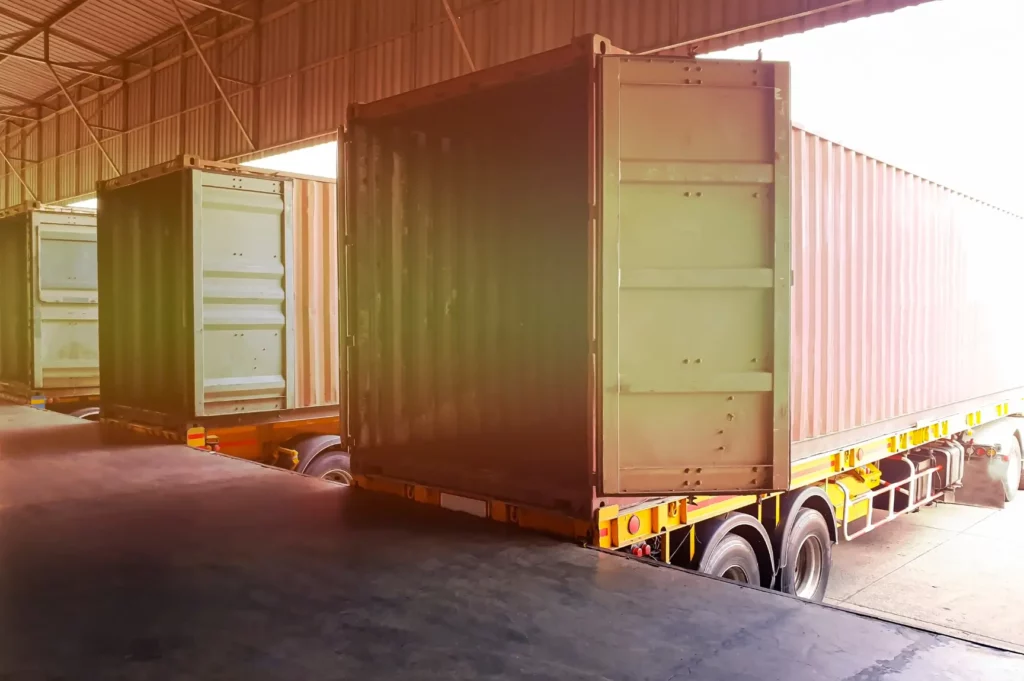
Atlanta supports freight moving through Norfolk Southern’s Inman and Austell intermodal facilities and the CSX intermodal terminal in Fairburn. These rail connections make the region an important inland transfer point for imported containers and domestic intermodal freight.
The city’s highway network provides multiple directions for onward distribution:
- I-20 connects west toward Birmingham and east toward Augusta.
- I-75 supports freight moving north toward Chattanooga and south toward Macon.
- I-85 connects Atlanta with major markets in the Carolinas and the broader Southeast.
- I-285 provides perimeter access between Atlanta’s industrial and distribution areas.
Transloading and drayage options may be sourced around Fulton Industrial Boulevard, College Park, East Point, Fairburn, Austell, Doraville, Norcross, Tucker and other metro Atlanta freight clusters.
Hartsfield-Jackson Atlanta International Airport adds another logistics channel. Its North, Midfield and South cargo complexes have direct access to I-20, I-75, I-85 and I-285, supporting transfers between air cargo operations, local warehouses and regional trucks.
Because Atlanta’s busiest freight corridors can experience congestion, terminal cutoff times, warehouse appointments and driver schedules should be confirmed before dispatch.
Match the Service to Your Atlanta Shipment
- Rail-ramp-to-warehouse container drayage
- Warehouse-to-terminal container returns
- Container-to-trailer or truck-to-truck transloading
- Floor-loaded and palletized freight handling
- Cross-docking and immediate outbound transfer
- Short-term freight staging
- Consolidation and deconsolidation
- Pallet restacking, wrapping and load repair
- Labeling, sorting and repackaging
- Local delivery or freight redelivery
- Forklift or specialized handling equipment
- Temperature-sensitive, food-grade, hazardous or unusually heavy freight handling at appropriately qualified facilities
Special freight should be disclosed before booking. Certifications, temperature ranges, weight limits, equipment, operating hours and security requirements must be confirmed for the specific facility.
Get an Atlanta Transloading and Drayage Quote
Tell OLIMP where the freight is located, when it must move and what handling it requires. The team will evaluate compatible Atlanta-area options and provide a solution based on available capacity.
Frequently Asked Questions (FAQ) – OLIMP Warehousing
Q: What is the difference between transloading and drayage?
Drayage moves a container a short distance between a terminal, warehouse or receiver. Transloading transfers the cargo from the container into another trailer, railcar or transportation unit.
Q: Is Atlanta drayage primarily rail or port drayage?
Atlanta is an inland market, so drayage is primarily associated with rail ramps, warehouses and distribution centers. For pickup directly from the Port of Savannah, use OLIMP’s Savannah transloading and drayage service.
Q: Can freight be stored temporarily after transloading?
Yes, short-term staging or storage may be included when an appropriate warehouse is available. Provide the pallet count, required storage period and environmental requirements with the quote request.
Q: What Atlanta areas can be supported?
Options may be available throughout metro Atlanta, including the Fulton Industrial corridor, College Park, East Point, Fairburn, Austell, Doraville, Norcross and Tucker. Coverage depends on the terminal, warehouse and shipment requirements.
Ready to streamline your warehousing needs?
Request a quote today and discover how OLIMP's tailored solutions can optimize your operations