OLIMP WAREHOUSING’S COMPLETE WAREHOUSING, CROSS DOCKING, AND TRANSLOADING SERVICES IN TAYLOR
Integrated Warehousing, Distribution, and Logistics Services in Taylor
OLIMP Warehousing provides comprehensive logistics services at its Taylor facility, enabling businesses to manage all storage and distribution needs from a single location. With modern warehouse space, it ensures secure product storage, inventory tracking, and flexible space management, while cross docking operations help sort and prepare goods for shipment quickly without unnecessary holding time. Pallet rework services reorganize damaged or unstable loads, improving both safety and operational efficiency. In addition, transloading and drayage solutions allow freight to move seamlessly between port, rail, and truck transportation, reducing transit times and optimizing transportation costs. All processes are handled by a professional team with structured operational management and real-time coordination, helping businesses create a faster, more organized, and controllable supply chain.
Reliable Storage Capacity When Your Business Needs It Most
OLIMP Warehousing, located in Taylor, provides warehouse solutions that make storage operations more efficient, flexible, and reliable for businesses. With its modern infrastructure and experienced team, it optimizes warehouse logistics end-to-end, ensuring your products are stored safely and shipped on time. Its scalable warehousing and fulfillment services easily adapt to the changing needs of industries ranging from e-commerce to retail. Standing out among leading warehouse companies, OLIMP Warehousing helps reduce costs, ease operational workload, and allow you to focus on growing your business. If you want greater speed and control in your logistics operations in Taylor, now is the perfect time to work with the right partner.
Real-Time Flow for Real-World Logistics
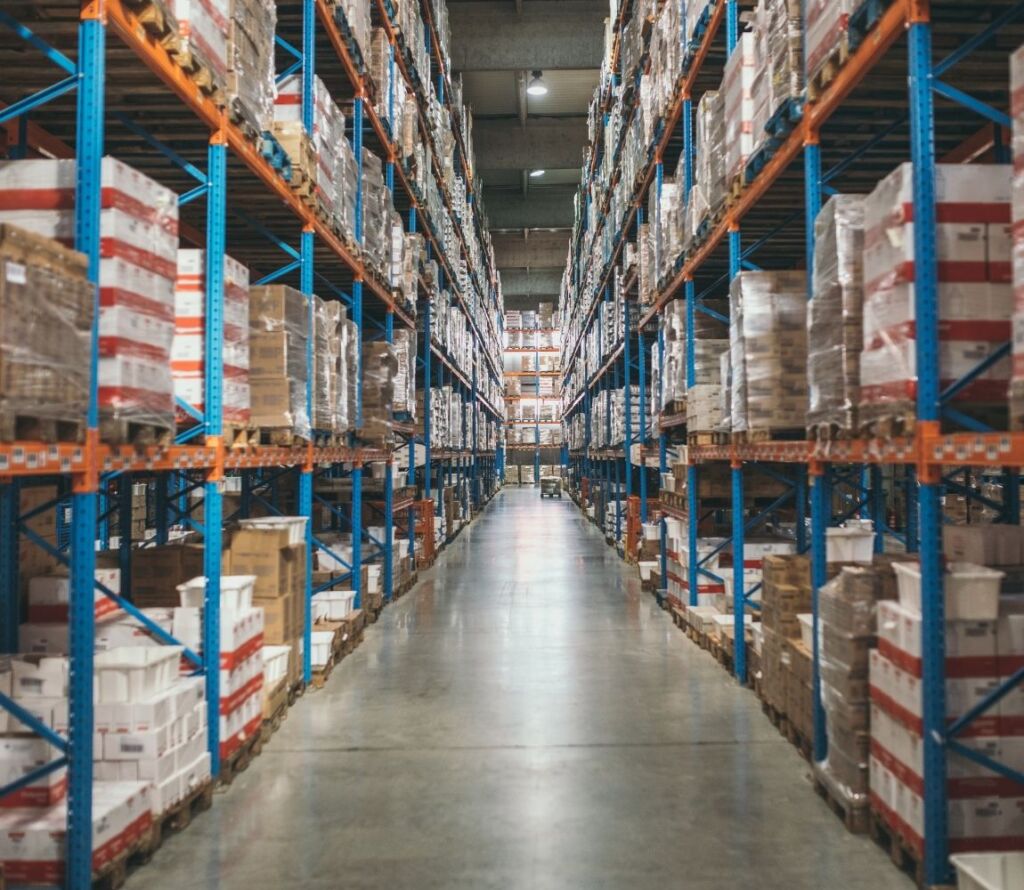
Cross docking is a fast logistics method based on transferring products from an incoming vehicle directly to an outgoing vehicle without long-term storage, and it is a key component of modern cross docking in logistics management. The goal is not to store goods but to manage the flow; products are quickly sorted and consolidated within a cross dock center and prepared for shipment without delay. This significantly accelerates cross dock delivery processes and keeps the supply chain moving without interruption.
Main advantages of cross docking for businesses:
- Significantly reduces storage time and related costs
- Enables faster delivery of orders to customers
- Minimizes the need for holding inventory
- Lowers the risk of product damage and loss
- Improves supply chain visibility and planning control
- Increases operational efficiency, especially for retail, e-commerce, and fast-moving consumer goods
Flexible Restacking for Maximum Efficiency
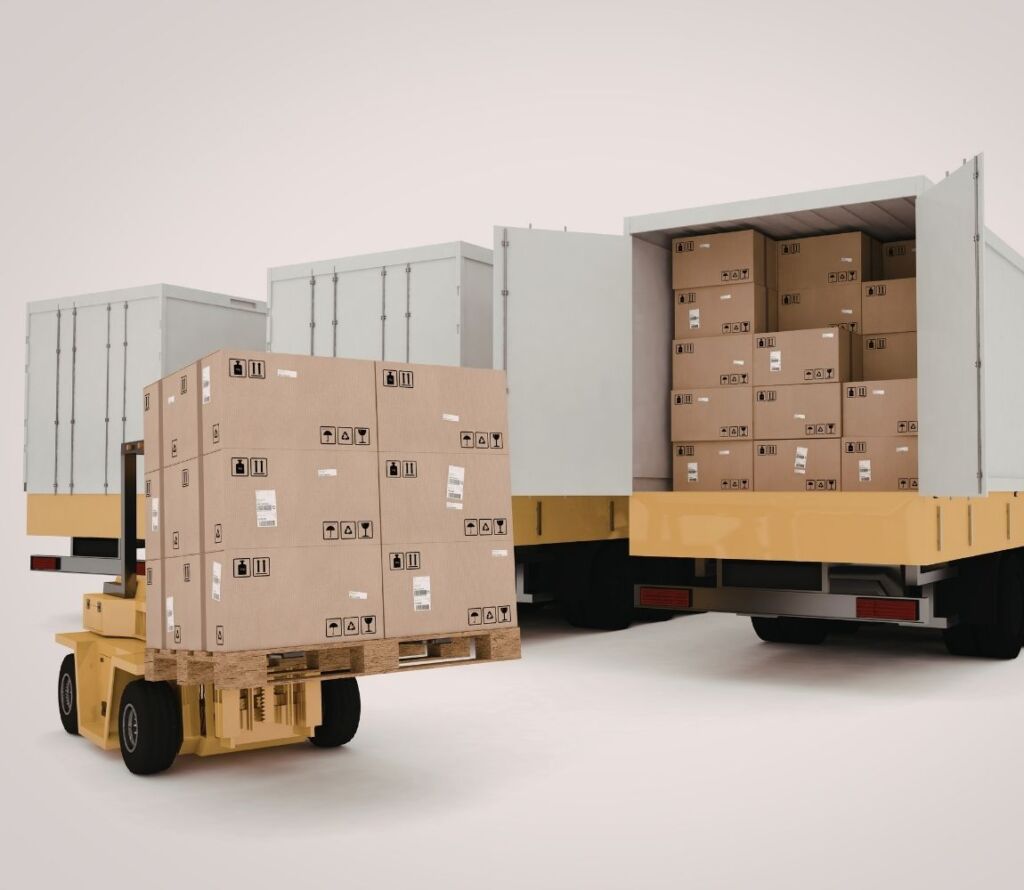
At OLIMP Warehousing, our pallet reconfiguration services are built to create smoother and more cost-efficient logistics operations. By restructuring and stabilizing pallet loads, we remove handling obstacles, accelerate outbound processing, and prevent unnecessary slowdowns. Pallets are carefully rebuilt to maximize storage capacity, reduce congestion, and improve overall handling safety, while clear organization enables warehouse teams to locate, move, and ship freight more quickly with minimal idle time. Improved pallet management also lowers manual handling and processing hours, helping reduce total operating expenses. With experienced handling and detailed inspection, our pallet rework service enhances supply chain performance, supports on-time deliveries, and ensures more consistent day-to-day warehouse operations.
Streamlined Drayage and Transloading for Modern Supply Chains
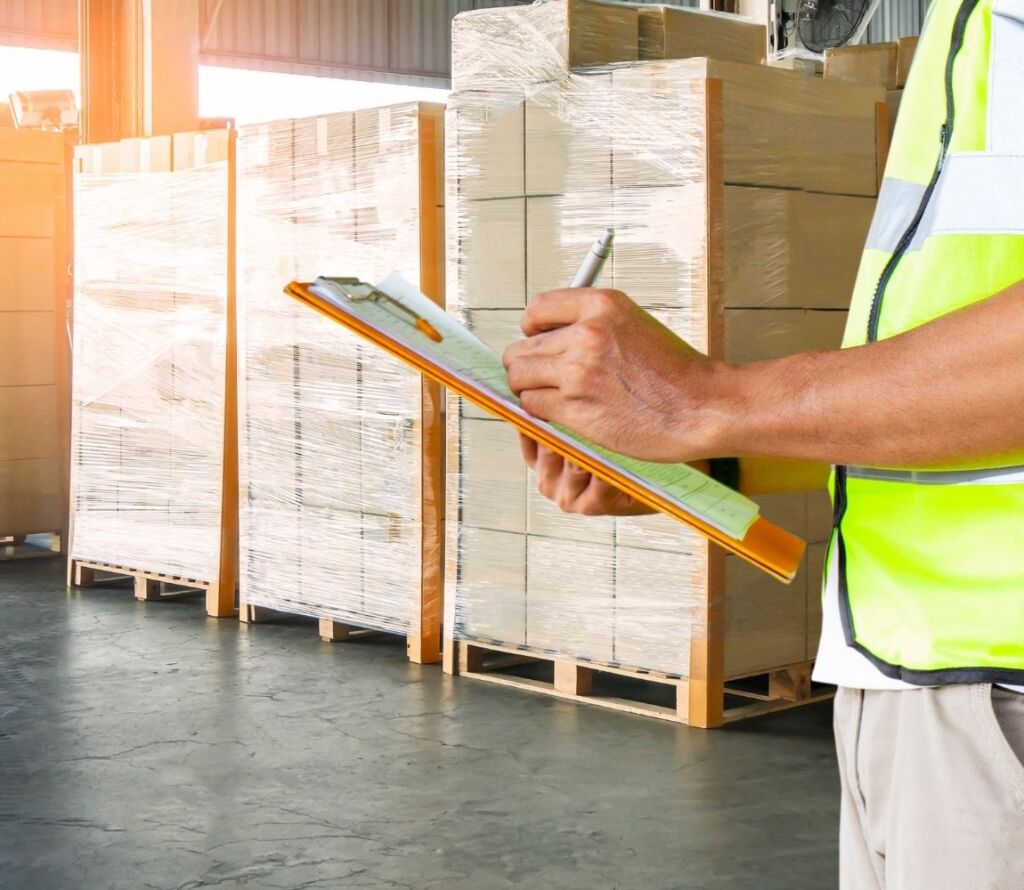
Transloading and drayage services play a critical role in keeping freight moving efficiently between ports, rail ramps, and final destinations. In modern transloading logistics, cargo is transferred from one mode of transportation to another—such as rail to truck—allowing shipments to continue without costly delays. Through professional truck transloading, products are quickly unloaded, sorted, and reloaded for regional or last-mile distribution. Specialized handling procedures also make hazmat transloading possible, ensuring regulated and sensitive materials are managed safely and in compliance with transportation standards. Businesses searching for reliable transloading near me solutions benefit from faster transit times, reduced transportation costs, and greater flexibility in their supply chain. When properly coordinated with drayage operations, transloading helps companies avoid port congestion, meet delivery deadlines, and maintain consistent inventory flow.
Frequently Asked Questions (FAQ) – OLIMP Warehousing
Q: What are the services of warehousing?
Warehousing services cover much more than simply storing goods. A modern warehouse provides receiving and inspection of incoming shipments, organized storage, inventory management, order picking and packing, labeling, kitting, palletizing, and shipping preparation. Many facilities also support cross-docking, returns processing, quality control checks, and real-time inventory tracking through warehouse management systems. These services help businesses maintain accurate stock levels, speed up fulfillment, and reduce operational costs.
Q: What are the 7 types of warehouses?
There are several warehouse categories designed to support different supply chain needs. Common types include private warehouses operated by manufacturers or retailers, public warehouses that provide shared storage space, bonded warehouses used for imported goods awaiting customs clearance, distribution centers focused on fast order fulfillment, cold storage warehouses for temperature-sensitive products, smart warehouses using automation and technology, and cooperative warehouses shared by multiple businesses. Each type serves a specific operational or regulatory purpose depending on inventory requirements.
Q: What are the 5 main activities in a warehouse?
The core warehouse operations revolve around managing product flow efficiently. The process begins with receiving goods from suppliers and verifying their condition and quantity, followed by organized storage and location assignment within the facility. Inventory is then monitored and controlled to maintain accurate stock records. When orders are placed, items are picked, packed, and prepared for shipment, and finally dispatched to customers or retail locations. Together, these activities ensure products move smoothly through the supply chain.
Q: What is warehouse as a service?
Warehouse as a Service (WaaS) is a flexible logistics model where businesses can access storage and fulfillment infrastructure without owning or leasing a facility long-term. Companies pay only for the space and services they actually use, allowing them to scale operations up or down based on demand. This approach is especially useful for e-commerce brands, seasonal businesses, and growing companies that need professional logistics support, advanced technology, and nationwide distribution capabilities without heavy capital investment.
Q: What are the three main types of warehouses?
The three primary warehouse types are private warehouses, public warehouses, and bonded warehouses. Private warehouses are owned and operated by companies for their own inventory, offering full operational control. Public warehouses are third-party facilities that rent storage and handling services to multiple businesses, making them cost-effective and flexible. Bonded warehouses are regulated facilities where imported goods can be stored without immediate payment of customs duties until the products are released for distribution or sale.
Ready to streamline your warehousing needs?
Request a quote today and discover how OLIMP's tailored solutions can optimize your operations