MORENO VALLEY’S TRUSTED WAREHOUSING & CROSS DOCKING PROVIDER – OLIMP WAREHOUSING
Reliable End-to-End Logistics Solutions with OLIMP Warehousing
OLIMP Warehousing provides comprehensive logistics support designed to help businesses manage inventory, movement, and delivery more efficiently. The company offers flexible warehousing and distribution solutions supported by modern warehouse management systems that improve stock visibility and order accuracy. In addition to storage, OLIMP handles cross docking to accelerate freight flow, pallet rework to correct and reorganize shipments, and container transloading to transfer cargo between transportation modes. By combining these services under one operation, OLIMP Warehousing helps reduce handling time, control operational costs, and keep products moving smoothly from arrival to final delivery, making it a reliable partner for companies seeking scalable supply chain support.
Book Warehousing Services
Start Cross Dock Operations
Optimize My Warehouse Operations
Optimize My Transloading Operations
Smarter Logistics with Modern Warehousing Solutions
Cold-chain to e-commerce operations of every scale rely on the right cold storage and warehousing solutions to protect product quality and speed up workflows. With modern warehousing systems, inventory can be tracked in real time, reducing errors and enabling faster order preparation. Integrated warehousing and fulfillment services manage picking, packing, and shipping from a single hub, improving customer satisfaction. In addition, a strong warehousing & distribution infrastructure ensures products reach the right destination at the right time, lowering costs while making the supply chain more efficient.

Direct Transfer, Zero Storage: Modern Cross Docking Solutions
Cross docking is one of the most effective methods in modern logistics for achieving speed and efficiency. Through cross docking in supply chain management, products are transferred directly from inbound vehicles to outbound shipment without long-term storage. This process reduces warehousing costs while minimizing inventory risk. A professional cross dock facility provides advanced planning and operational coordination to quickly sort and route shipments correctly. With efficient cross dock logistics, companies can shorten delivery times and maintain a seamless flow throughout the supply chain. As a result, well-planned crossdocking & delivery operations increase customer satisfaction and significantly strengthen a company’s competitiveness.
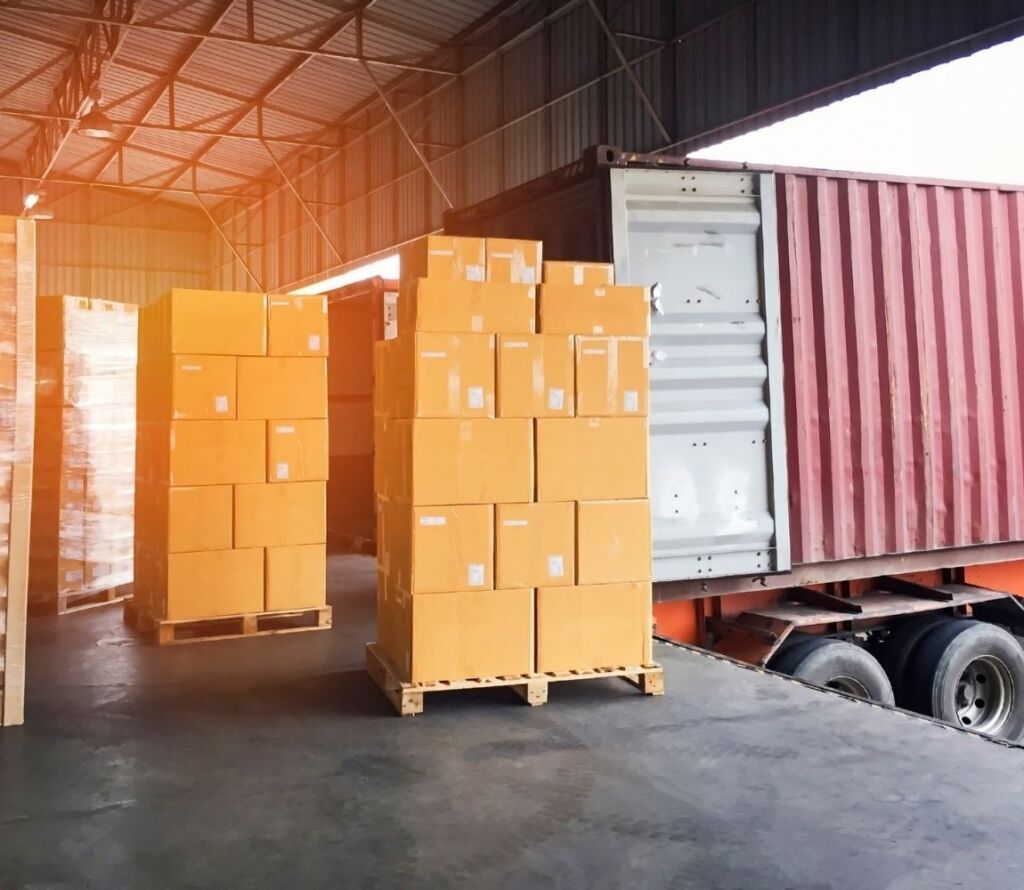
Transform Your Warehouse Operations with Smart Pallet Reorganization
At OLIMP Warehousing, our pallet rework services offer a comprehensive and cost-effective solution to optimize every aspect of your logistics operations.With OLIMP’s expert pallet rework solutions, your supply chain gains a measurable boost in productivity, enabling quicker shipments, reduced expenses, and more seamless day-to-day operations, while supporting your business’s growth and customer satisfaction objectives.
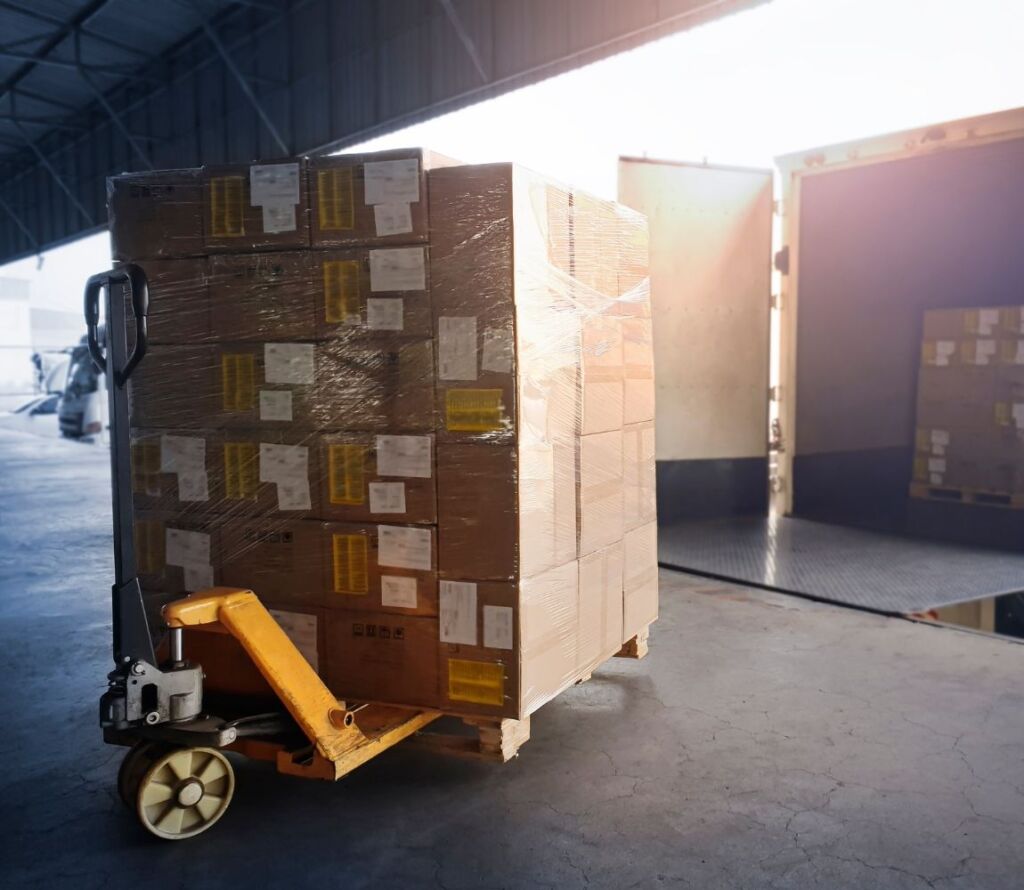
Reduce Costs and Speed Up Deliveries with Transloaded Services
In container transportation and logistics operations, speed and efficiency make container transloading services an essential part of today’s supply chain.
- Transloading logistics processes ensure that cargo is transferred in the correct sequence and securely, minimizing errors and delays.
- Transload and logistics solutions optimize operations across multiple transport modes, including sea, road, rail, and air.
- Transloading and cross docking applications allow products to move quickly from the warehouse to outbound vehicles, maintaining a seamless flow in the supply chain.
- A reliable transloaded company manages high-volume shipments with modern equipment, professional teams, and strategic planning, reducing logistics costs.
As a result, businesses can deliver products to the right place at the right time, increase customer satisfaction, and maintain a competitive advantage.
Frequently Asked Questions (FAQ) – OLIMP Warehousing
Q: What are the 7 types of warehouses?
There are several warehouse models designed for different supply chain needs. The most common seven types of warehouses are:
•Public warehouses – Shared facilities used by multiple businesses on a short- or long-term basis
•Private warehouses – Owned and operated by a single company for its own inventory
•Bonded warehouses – Secure storage for imported goods awaiting customs clearance or duties
•Distribution centers – High-turnover facilities focused on fast order processing and shipping
•Cold storage warehouses – Temperature-controlled storage for food, pharmaceuticals, and sensitive goods
•Fulfillment centers – Facilities dedicated to picking, packing, and shipping e-commerce orders
•Smart/automated warehouses – Technology-driven operations using WMS systems, automation, and real-time inventory tracking
Q: What services are offered in a warehouse?
Modern warehouses provide far more than simple storage. Typical warehousing services include:
•Inventory storage and management
•Order picking and packing
•Shipping and receiving
•Warehousing & distribution operations
•E-commerce fulfillment services
•Labeling, kitting, and repackaging
•Pallet rework and restacking
•Cross docking and transloading coordination
•Real-time inventory tracking through warehouse management systems (WMS)
These services help businesses reduce operational costs while improving delivery speed and accuracy.
Q: What is the purpose of cross-docking?
The purpose of cross-docking is to move products quickly through the supply chain without long-term storage. Incoming freight is unloaded, sorted, and immediately transferred to outbound transportation.
Cross-docking helps:
•Reduce storage and labor costs
•Minimize inventory holding time
•Accelerate delivery schedules
•Improve supply chain efficiency
It is especially useful for retail distribution, time-sensitive shipments, and high-volume freight operations.
Q: What is the difference between cross dock and single dock?
A cross dock facility is designed for transfer operations. Goods arrive at inbound docks and are quickly sorted and loaded onto outbound trucks with little or no storage time.
A single dock (traditional warehouse dock) is used mainly for receiving or shipping independently. Products are typically unloaded, stored in the warehouse, and later picked and shipped when needed.
Ready to streamline your warehousing needs?
Request a quote today and discover how OLIMP's tailored solutions can optimize your operations