NVOCC Explained: Definition, Benefits for Shippers & Key Differences with Freight Forwarders
02/11/2026
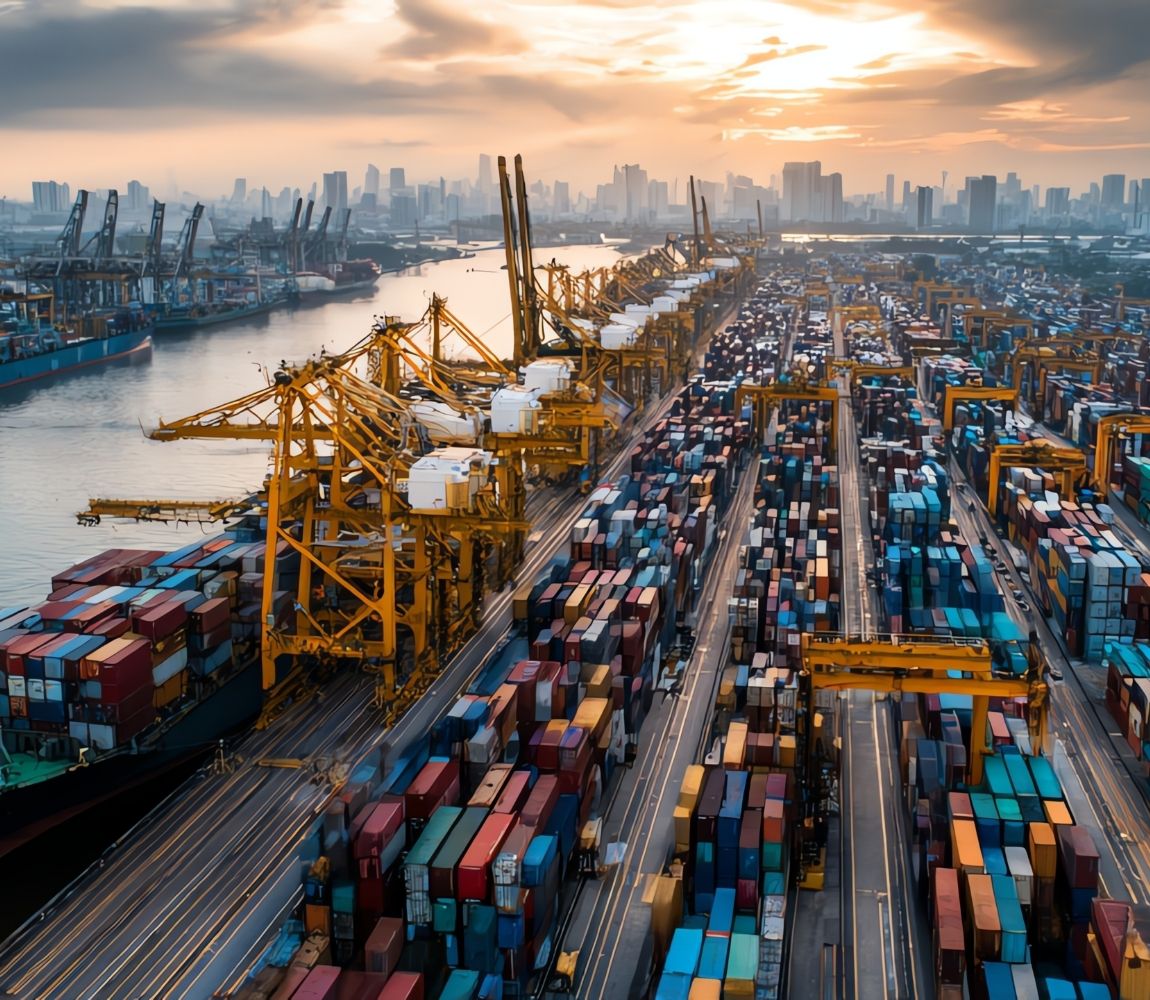
International ocean freight can be daunting. Rates fluctuate, vessel space disappears during peak season, and compliance rules change constantly. For many businesses, especially those shipping low volumes, negotiating directly with a vessel‑operating common carrier (VOCC) is impractical. Non‑Vessel Operating Common Carriers (NVOCCs) bridge this gap by acting as carriers without owning ships. They purchase blocks of space from VOCCs and resell it to shippers, issuing their own House Bills of Lading and assuming legal responsibility for cargo.
This guide demystifies NVOCCs: what they are, how they differ from freight forwarders, the benefits they deliver and when they may not be the best fit. Use it to decide whether partnering with an NVOCC aligns with your supply‑chain strategy.
What Is an NVOCC?
An NVOCC is a common carrier that doesn’t operate vessels but provides ocean‑transport services. According to the U.S. Federal Maritime Commission (FMC), an NVOCC holds itself out to the public to provide ocean transportation, issues its own House Bill of Lading (HBL) or equivalent document and does not operate the vessels by which ocean transportation is provided. In practice:
- Carrier under the law: NVOCCs buy container space from vessel operators, consolidate multiple shipments and resell that space. They issue their own HBLs and are legally liable for the cargo.
- Bulk purchasing power: Because they commit to high volumes with multiple carriers, NVOCCs secure wholesale rates unavailable to individual shippers.
- Focus on ocean freight: While some NVOCCs offer ancillary services, their core business revolves around full‑container‑load (FCL) and less‑than‑container‑load (LCL) ocean shipments.
NVOCC vs. Freight Forwarder
Both NVOCCs and freight forwarders are Ocean Transportation Intermediaries, yet their roles diverge.
| Attribute | NVOCC | Freight Forwarder |
|---|---|---|
| Legal Role | Acts as a carrier, signs service contracts with steamship lines, and assumes direct liability for the cargo. | Acts as an agent for the shipper; arranges transport across carriers and modes but does not assume carrier liability. |
| Documentation | Issues its own House Bill of Lading, taking responsibility from origin to destination. | Facilitates the carrier’s Master Bill of Lading or issues a forwarder’s cargo receipt; the ocean carrier remains liable. |
| Rate Strategy | Negotiates bulk space contracts with VOCCs and resells capacity at wholesale rates. | Secures rates individually based on each shipment and may source capacity from both carriers and NVOCCs. |
| Service Scope | Primarily focused on ocean freight consolidation and carrier relationships. | Offers end-to-end logistics across modes: air, ocean, trucking, warehousing, and customs brokerage. |
Understanding these distinctions helps shippers choose the right partner: an NVOCC for direct ocean‑freight capacity and consolidated pricing, or a freight forwarder for multi‑modal logistics and broader service coverage.
Why Use an NVOCC? Key Benefits for Shippers
Competitive rates through consolidation
NVOCCs negotiate volume‑based service contracts with multiple vessel‑operating carriers, locking in rates below the spot market and passing those savings to customers. They also consolidate LCL cargo from multiple shippers into full containers, enabling small and midsized businesses to pay only for the space they need.
Flexibility and capacity assurance
By maintaining contracts with numerous carriers across different trade lanes, NVOCCs offer rerouting options and priority access to space during capacity crunches. This flexibility minimizes the risk of cargo rollovers and delays, especially in peak seasons.
Simplified documentation and compliance
Licensed NVOCCs handle all carrier‑side paperwork, including issuing the HBL, filing Automated Manifest System (AMS) and Importer Security Filing (ISF) documents and managing customs clearance. In the United States they must publish a public tariff and post a surety bond-$75,000 for U.S.‑based NVOCCs and $150,000 for unlicensed foreign NVOCCs. Their familiarity with tariffs and regulations reduces administrative burdens and mitigates the risk of fines or shipment holds.
Single point of contact and liability
Because an NVOCC issues its own HBL and acts as the carrier of record, shippers deal with one party instead of juggling multiple providers. The NVOCC is responsible for arranging drayage, monitoring cargo and handling claims if damage or delay occurs. Freight forwarders, by contrast, coordinate providers but do not assume cargo liability.
Strategic value for small & midsized shippers
SMEs often lack the negotiating clout to secure favorable FCL rates directly. NVOCCs level the playing field through consolidation and contracted pricing. Shippers can enter new markets without booking full containers or dealing with multiple carrier contracts.
Risk management and legal protection
The FMC’s licensing and bonding requirements provide financial safeguards for shippers. When an NVOCC issues an HBL, it legally accepts responsibility for cargo loss or damage. This accountability offers a clearer claims process compared with coordinating between a freight forwarder and the underlying carrier.
When an NVOCC May Not Be the Right Fit
An NVOCC isn’t the best option for every shipment. Consider alternatives when:
- You need multimodal coverage: If your supply chain includes significant air, road or rail segments, a full‑service freight forwarder may better coordinate those modes.
- You have high‑volume FCL contracts: Large shippers with consistent full‑container volumes might negotiate directly with carriers for lower rates.
- You require specialised project logistics: Oversize cargo, charter services or complex trade‑lane arrangements often fall outside the typical NVOCC scope.
Evaluate your cargo profile, volume and service requirements before deciding on an NVOCC or freight forwarder.
Conclusion
Partnering with an NVOCC can transform your ocean freight strategy. By consolidating cargo, negotiating lower rates, providing flexible routing and handling documentation, NVOCCs deliver significant cost savings and operational efficiencies. They offer real‑time visibility, assume carrier liability and help small businesses compete in global markets. However, they may not suit every shipment profile-evaluate your cargo volume, multimodal needs and desired level of control when choosing between an NVOCC, freight forwarder or direct carrier.
If you’re considering an NVOCC for your next shipment, consult a licensed provider and discuss your specific trade lanes, cargo type and growth plans. A knowledgeable NVOCC partner can unlock smooth, cost‑effective ocean freight and help your business thrive.
Frequently Asked Questions (FAQ) – OLIMP Warehousing
Q: How does an NVOCC save money compared to booking directly with carriers?
NVOCCs buy container space in bulk from ocean carriers and resell it to shippers. This consolidation allows them to negotiate lower rates and pass savings to clients. Smaller shippers benefit from economies of scale they wouldn’t achieve by negotiating directly with carriers.
Q: Can an NVOCC handle customs clearance?
Many NVOCCs assist with export documentation and customs clearance. They prepare and file required documents and coordinate with customs brokers, reducing the risk of clearance delays.
Q: Is an NVOCC good for small shippers?
Yes. NVOCCs enable small and midsized businesses to ship internationally by offering cost‑effective Less‑than‑Container Load (LCL) services. Consolidation and negotiated rates make global trade accessible without needing a full container.
Q: What is the difference between an NVOCC and a freight forwarder?
A freight forwarder is an agent that arranges logistics across multiple modes and coordinates documentation but does not act as the carrier. An NVOCC functions as a carrier, issues its own bill of lading and assumes legal responsibility for the cargo.
Q: Do NVOCCs offer tracking and visibility?
Modern NVOCCs offer digital platforms with real‑time tracking and status updates. This transparency provides complete visibility over cargo and helps shippers anticipate delays.
Q: Can an NVOCC be a freight forwarder?
Some NVOCCs also operate as freight forwarders, offering broader logistics services like air freight, warehousing and inland trucking. In such cases, they may provide an integrated solution that combines carrier responsibility with end‑to‑end logistics management.
Q: How do NVOCC rates compare with VOCC and freight forwarders?
NVOCCs often offer more competitive ocean freight rates than booking directly with VOCCs because they buy space in bulk and pass savings to shippers. Compared to freight forwarders, NVOCC pricing is usually more stable for ocean shipments since they specialize in carrier contracts and consolidation.
Q: When should a shipper choose LCL consolidation via an NVOCC?
Shippers should choose LCL consolidation through an NVOCC when they don’t have enough cargo to fill a full container. NVOCCs combine multiple small shipments into one container, reducing per-unit costs and making international shipping more affordable.
Q: What liabilities and carrier responsibilities does an NVOCC assume?
An NVOCC acts as a legal carrier and issues its own Bill of Lading, assuming responsibility for cargo during ocean transport. This includes liability for loss or damage under the terms of the shipping contract.
Q: How do NVOCCs handle claims and cargo insurance options?
NVOCCs typically assist shippers with claims processing and coordinate directly with underlying carriers. Many also offer access to cargo insurance options to provide additional financial protection against loss or damage.
Q: What documentation does an NVOCC issue and how does it differ from carrier BLs?
An NVOCC issues a House Bill of Lading (HBL), which serves as the contract of carriage with the shipper. The vessel operator issues a Master Bill of Lading (MBL) to the NVOCC. The HBL gives shippers a single point of responsibility and communication.
Q: Do NVOCCs need a license?
Yes. U.S.-based NVOCCs must obtain an Ocean Transportation Intermediary (OTI) license from the Federal Maritime Commission and post a US$75,000 surety bond; unlicensed foreign NVOCCs must post US$150,000 and publish a tariff.
Q: Are NVOCC rates cheaper than booking directly with carriers?
Often, yes. NVOCCs secure favorable rates through volume contracts and pass those savings to customers. Their LCL consolidation reduces per-unit costs.
You may be interested in
Freight Shipping Guide for Growing Brands: Reduce Costs & Deliver Faster
Shipping becomes more complex as your ecommerce or retail brand grows. Once your products exceed parcel‑carrier limits, packages heavier than 150 pounds are considered freight, you must navigate new modes, pricing models and logistics partners. Choosing the wrong mode or failing to optimize packaging and contracts can erode margins, while a strategic freight program shortens delivery […]
Why Mid-Sized Freight Forwarders Are the New Backbone of Agile U.S. Supply Chains
Global supply chains continue to face severe disruptions. Persistent port congestion, container shortages and labor gaps are slowing shipments, while volatile freight rates keep costs unpredictable. In this environment, agility – the ability to reroute, react, and adjust quickly – has become a must-have competitive factor. Mid-sized freight forwarders are emerging as ideal partners because […]
Winter Shipping Challenges in the USA: Transit, Capacity & Cold-Weather Logistics
Winter weather can significantly disrupt shipping in the USA. Ice, snow and holiday surges lead to slower transit times, capacity crunches and higher costs – introducing “specific operational risks” that can quietly derail the supply chain. In other words, winter shipping is about much more than a bit of cold or fuel costs; it demands […]
Ready to streamline your warehousing needs?
Request a quote today and discover how OLIMP's tailored solutions can optimize your operations