Multi‑Node Shipping Without Blowing Up Freight Costs: What Actually Works
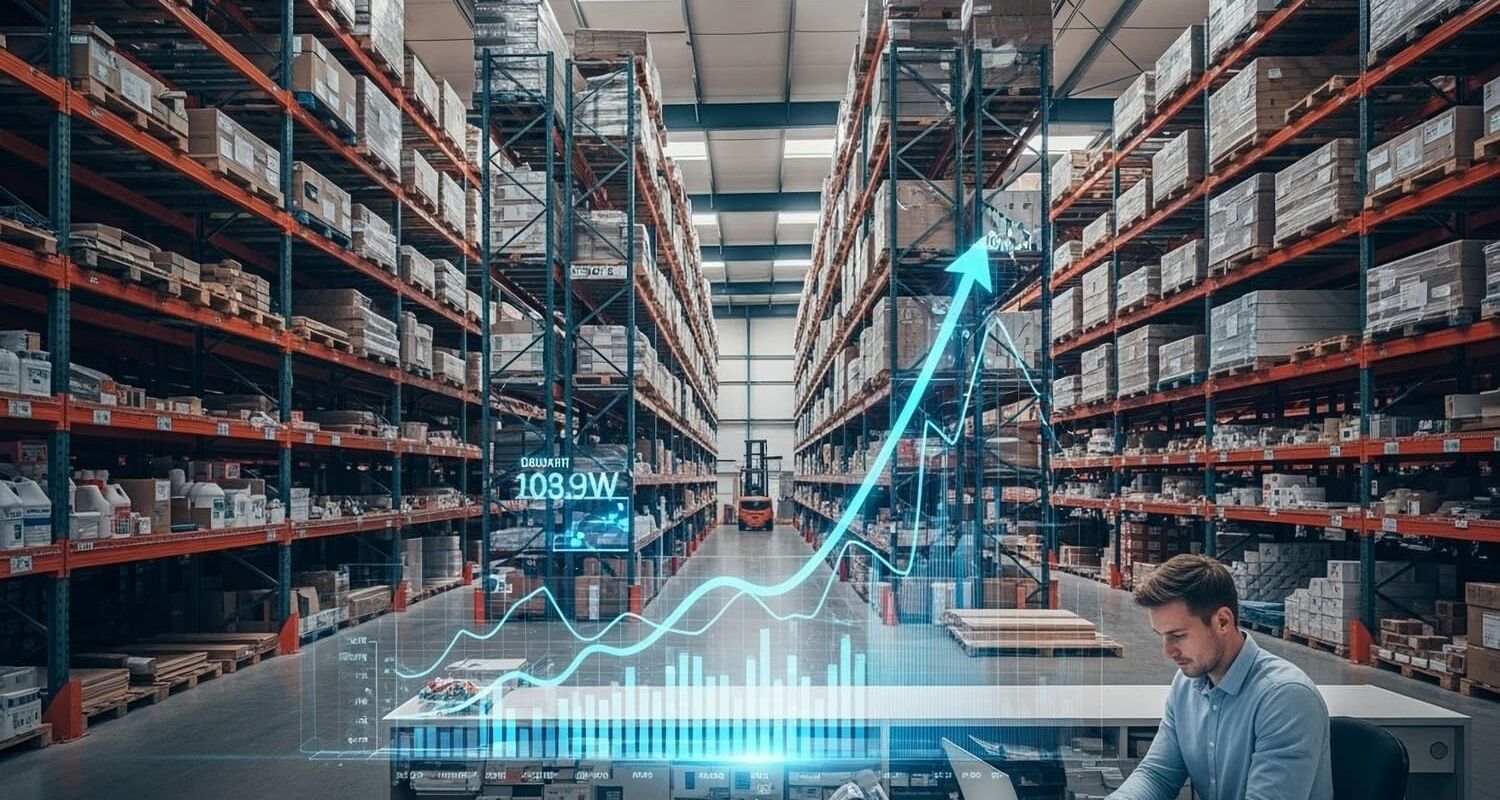
- Split shipments, touches and accessorial fees inflate costs. Each extra handling event demands labour and packaging, and LTL carriers charge absolute minimums on every shipment. Missed appointments trigger detention fees of about US$50–$100/hr and layovers of $150–$300/day.
- Operational overhead is the hidden killer. More nodes mean extra inventory, internal transfers and administrative work; the added complexity can outweigh freight savings.
- Centralisation and flexible networks bring balance. Consolidating inbound freight reduces touches and costs, while cross‑docking, pool distribution and on‑demand warehousing let companies scale up or down without long‑term commitments.
Shipping a single purchase order to several fulfilment centres (FCs), distribution centres (DCs) or stores seems straightforward: divide the goods and send each location its share. In reality, split loads, multiple appointments and extra handling quickly erode margins because each partial shipment carries its own freight bill, accessorial fees and risk of delay.
This guide explains why multi‑node shipping costs climb and offers practical guidance for keeping freight and operational headaches in check. It outlines key cost drivers, highlights hidden administrative overhead and compares direct shipping, centralised hubs and flexible third‑party logistics so you can choose the right strategy for your network.
1. Why Multi‑Destination Purchase Orders Blow Up Budgets
Directly shipping to every FC or retail node seems simple, but several factors cause costs to spiral:
- Split loads and carrier minimums: LTL carriers won’t bill below an absolute minimum charge. Splitting one PO across multiple destinations hits that minimum several times and requires extra picks, packaging and paperwork. More nodes also mean more safety stock and internal transfers.
- Extra handling and poor routing: Unloading, staging and reloading merchandise at multiple nodes increase labour and damage risk; cross‑docking studies show eliminating storage and moving freight directly to outbound docks can cut handling costs by 25–30 %. Without a central routing plan, carriers may run inefficient multi‑stop routes, and chasing micro‑optimisation often overwhelms teams.
- Accessorial fees from missed appointments: When trucks arrive early or late, detention and layover fees add up. MyFreightWorld notes that detention ranges from $50–$100 per hour and layovers cost $150–$300 per day. The more nodes you serve, the harder it becomes to coordinate dock appointments.
These factors explain why directly serving many nodes, especially at low volumes, turns a profitable PO into a margin‑eating headache.
2. The Hidden Cost: Operational Overhead
Freight bills are only part of the equation. Running a multi‑node network demands extra coordination and inventory balancing. Each additional warehouse increases safety stock and rebalancing shipments. Operations teams must handle more purchase orders, bills of lading and dock appointments, and the resulting email chains and spreadsheets erode productivity. Trying to micro‑optimise every route often backfires because the time spent managing exceptions outweighs the theoretical savings. Key takeaway: A seemingly cheaper route on paper can be more expensive in practice once internal labour is counted.
3. Comparing Multi‑Node Fulfilment Models
Businesses typically choose among three fulfilment models. Understanding their strengths and weaknesses helps you pick the right fit.
3.1 Direct Shipping to Every Node
Direct shipping sends goods straight from suppliers to each node. It eliminates an extra warehousing step and suits lightweight, high‑value or bulky products. However, each parcel pays the carrier’s minimum charge, and splitting orders multiplies picks, packaging jobs and freight bills.
3.2 Centralise, Then Break Out
This model consolidates inbound freight at a hub or cross‑dock before rebuilding outbound loads. Cross‑docking cuts handling costs by 25–30 % and consolidating linehauls lowers per‑unit freight and accessorial fees. It does require investment in dock space and precise scheduling.
3.3 Outsourced and Flexible Networks
Third‑party logistics providers (3PLs) negotiate better freight rates and spread facility and technology costs across many clients. On‑demand warehousing takes flexibility further by letting companies rent space only when needed and position inventory nearer to customers. These outsourced models provide technology and capacity but may require minimum volumes or offer less direct control.
4. A Practical Playbook
Most resilient networks follow three principles:
- Centralise inbound freight: Ship suppliers’ products to a strategically located hub or cross‑dock to consolidate volume and rebuild outbound loads quickly. This reduces handling and storage costs.
- Use regional carriers and pool distribution: Sort consolidated loads at a regional terminal, then deliver multiple orders to the same area with fewer linehauls.
- Prioritise repeatability over perfection: Aiming for the absolute lowest rate often increases coordination time. A slightly higher freight cost can save far more in internal labour.
5. Deciding on the Right Model
Choosing the right model depends on volume and constraints. For low volumes and few destinations, direct shipping keeps things simple. As orders increase, consolidating linehauls and using pooled distribution avoids paying multiple carrier minimums. High‑volume networks benefit most from a central hub and cross‑docking, which unlock economies of scale and reduce touches. Beyond volume, ask whether your team is more constrained by freight spend or internal labour. If labour is the bottleneck, partnering with a 3PL that provides integrated technology may deliver better results than squeezing a few cents from freight rates.
6. Key Metrics to Watch
Focus on a few simple metrics, total landed cost per order, number of touches per shipment and exception rate, to gauge whether your network is too complex.
Conclusion: Balance Cost and Sanity
There is no one‑size‑fits‑all blueprint. Direct shipping works for simple networks but grows expensive as orders proliferate. Centralising freight and using cross‑docks or pool distribution unlock economies of scale, while flexible 3PLs and on‑demand networks allow you to scale without long leases. The goal isn’t zero inefficiency; it’s a network your team can manage without burning out. Paying slightly more for freight can save far more in labour and customer satisfaction. Focus on repeatable processes and clear accountability.
Frequently Asked Questions (FAQ) – OLIMP Warehousing
Q: Is cross‑docking always cheaper than traditional warehousing?
Not always. Cross‑docking can cut handling costs by 25–30 %, but it requires precise scheduling and dock investment, so traditional warehousing may be better for customisation or unpredictable flows.
Q: When should I use pool distribution instead of direct shipping?
Use pool distribution when you regularly send multiple orders to the same region; consolidating linehauls and sorting at a regional terminal reduces cost and transit time compared with separate shipments.
Q: How can I avoid detention and layover fees?
Plan pick‑ups and deliveries carefully; ensure loads are ready, coordinate dock appointments and use real‑time visibility tools. Detention fees of $50–$100/hr and layover charges of $150–$300/day add up quickly.
Q: What’s the difference between a traditional 3PL and on‑demand warehousing?
Traditional 3PLs usually require long‑term contracts but leverage buying power and provide technology, whereas on‑demand warehousing lets you rent space as needed and locate inventory closer to customers.
Q: Why do split shipments cost so much?
Because each parcel hits a carrier minimum and requires its own packaging and labour; Splitting orders multiplies picks and parcels, raising per‑unit cost.
Q: How do I know my network is too complex?
If exception rates, missed appointments or coordination hours climb, your network may be too complicated; at that point simplification or outsourcing can help.
You may be interested in
Is 4PL More Cost‑Effective Than 3PL? Detailed Cost & ROI Guide
Rising transportation costs and service disruptions have forced many businesses to reassess their logistics strategy. According to the 2025 Third‑Party Logistics Study, 89 % of shippers report successful relationships with 3PL providers but only 68 % say their 3PL reduces costs. This gap hints at a critical question: could a fourth‑party logistics (4PL) model provide better cost […]
How E‑commerce Is Reshaping U.S. Logistics Real Estate in 2026
The e‑commerce boom continues to transform how goods move through the U.S. supply chain. As online penetration climbs toward 20 % of global retail sales by 2026, digital retailers and their logistics partners are racing to secure warehouse space. Research by Prologis shows that e‑commerce companies will account for nearly a quarter of all new […]
Importing From China to the U.S. Is a Compliance Minefield: How Top Importers Avoid Delays and Build a Smarter Warehousing Strategy
Importing from China can look simple-book freight, pay duties, deliver to a warehouse-until a missing compliance detail turns “arrival day” into a weeks-long hold. In the U.S., import clearance is a multi-agency process where documentation accuracy and warehouse readiness directly affect speed, cost, and cash flow.Why Importing From China Is a Compliance Minefield in the […]
Ready to streamline your warehousing needs?
Request a quote today and discover how OLIMP's tailored solutions can optimize your operations
