Lean Warehousing: Optimize Your Warehouse Operations for Cost, Speed, and Efficiency
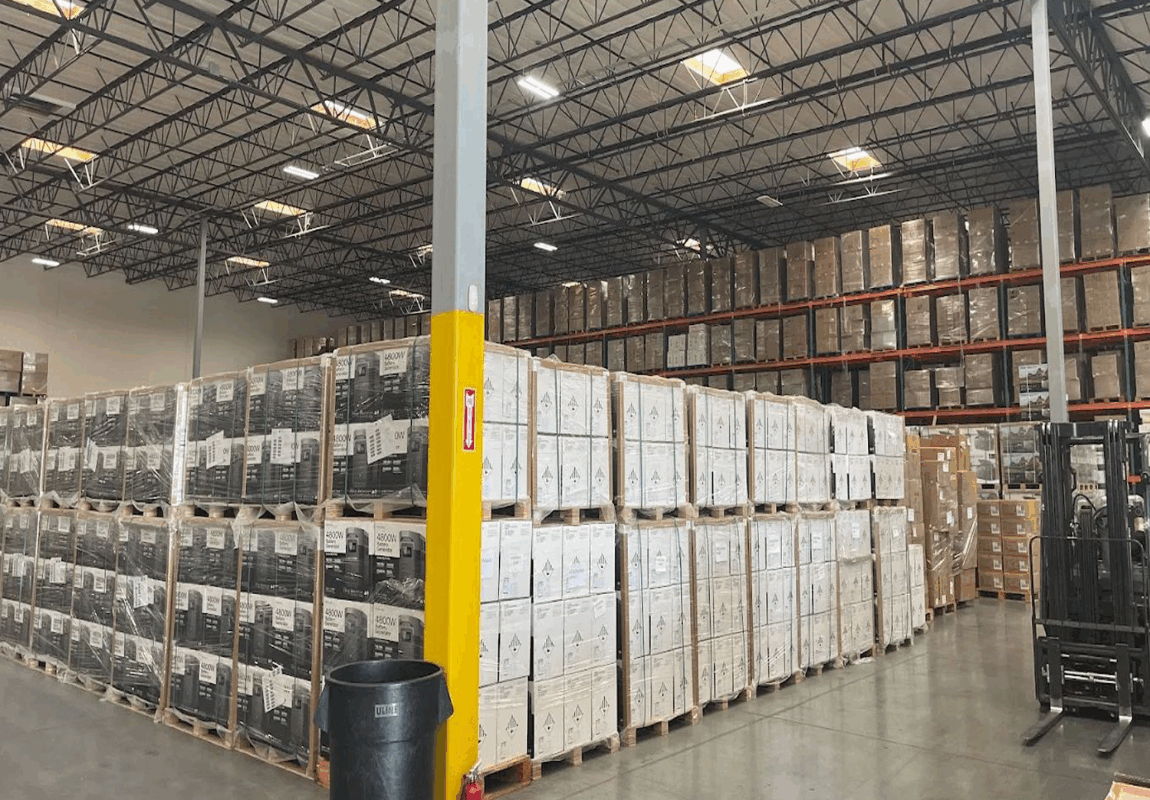
- Lean warehousing eliminates non‑value‑adding activities and optimizes flow.
- Five core principles-value, value stream, flow, pull and perfection-guide the improvement process.
- 5S (Sort, Set in Order, Shine, Standardize, Sustain) is a practical framework for organizing and sustaining lean practices.
- Benefits include reduced costs, faster fulfillment, better space utilization, greater flexibility and higher employee morale.
- Implement lean by auditing processes, redesigning layout, standardizing work, integrating technology and engaging employees in continuous improvement.
- Lean warehousing matters because rising e‑commerce demands and labor costs make efficiency essential in U.S. logistics.
Lean warehousing is a systematic approach to managing warehouses that eliminates activities that don’t add value and optimizes the flow of goods, information and labor. By focusing on waste reduction, continuous improvement and employee involvement, lean warehouses become faster, more flexible and more cost‑effective. This article explores lean warehousing principles, the 5S methodology, implementation steps and common questions to help U.S. logistics providers improve operations.
What Is Lean Warehousing?
Lean warehousing applies lean manufacturing concepts to logistics. It involves a thorough assessment of warehouse processes to identify and eliminate activities that do not add value for the customer. Lean warehousing aims to minimize waste and optimize processes while emphasizing five core principles: value, value stream, flow, pull and perfection. Value is defined from the customer’s perspective, the value stream maps all processes to spot waste, flow ensures smooth operations, pull bases inventory on actual demand rather than forecasts, and perfection focuses on continuous improvement.
Lean warehousing emerged from the Toyota Production System and has evolved into a key differentiator in North American logistics. Modern warehouses handle thousands of SKUs, rising labor costs and pressure for same‑day delivery. A lean approach helps reduce excess inventory, eliminate unnecessary steps and streamline workflows. Every process, piece of equipment and employee action should directly contribute to customer value; when this happens the result is lower costs, faster throughput and higher customer satisfaction.
Why Lean Warehousing Matters Today
Competition in e‑commerce, manufacturing and third‑party logistics has intensified. Customer expectations for speed and accuracy are high while space and labor are costly. Inefficient warehouse operations create bottlenecks that delay shipments and increase costs. Lean warehousing focuses on doing “more with less” by reducing waste, downtime and unnecessary steps. Benefits include streamlined operations, lower inventory holding costs, better customer service, improved safety and greater flexibility to respond to demand swings.
Core Principles of Lean Warehousing
Lean warehousing draws from five core principles that guide continuous improvement:
Value
Identify what the customer truly values and ensure each warehouse activity contributes to that value. If a process does not add value (such as excessive repackaging or moving goods back and forth), eliminate or minimize it. Defining value helps prioritize work and align resources.
Value Stream Mapping
Value stream mapping (VSM) visualizes every step from receipt to shipping, recording cycle times, queues and handoffs. The goal is to distinguish value‑adding steps from necessary waste (e.g., compliance checks) and unnecessary waste. Mapping every action, classifying it as value, necessary waste or unnecessary waste, and creating a future‑state map guides focused improvements.
Flow
Efficient flow means goods and information move smoothly through receiving, storage, picking and shipping. Poorly designed layouts or unbalanced workloads create stoppages and delays. Optimizing the physical arrangement of storage areas, workstations and pathways to minimize unnecessary movement. Placing high‑velocity items near shipping areas shortens travel distances and improves throughput.
Pull
Pull systems trigger replenishment based on actual demand rather than forecasts. Techniques like Just‑in‑Time (JIT) inventory order materials only when needed, thereby reducing excess stock. JIT minimizes holding costs and frees up warehouse space. Pull systems align inventory with consumption and reduce the risk of obsolescence.
Perfection (Continuous Improvement)
Lean warehousing is never “finished.” Continuous improvement (Kaizen) encourages employees at all levels to identify small changes that remove waste and enhance efficiency. Regular assessment and refinement of processes support sustainable lean practices.
Key Practices and Tools in a Lean Warehouse
Implementing lean warehousing principles requires practical tools and methods. The 5S methodology provides a structured starting point and is often considered a foundation for lean warehouse management.
5S Methodology
The 5S framework-Sort, Set in Order, Shine, Standardize and Sustain-offers a clear roadmap for organizing and maintaining efficient operations:
- Sort (Seiri): Assess every item in the warehouse and remove obsolete or rarely used materials. Eliminating unnecessary items frees up space, improves safety and helps operators find items faster.
- Set in Order (Seiton): Organize inventory based on frequency of use. Store fast‑moving goods in accessible locations near dispatch, and place slow movers in less accessible areas. ABC analysis helps categorize items and reduce travel time.
- Shine (Seiso): Maintain cleanliness and perform regular maintenance. Establish routines for sweeping and equipment checks; use shelves and bins to keep items organized. Clean, well‑maintained environments reduce accidents and improve morale.
- Standardize (Seiketsu): Develop clear standard operating procedures (SOPs) for receiving, picking, packing and shipping. Use visual cues-labels, floor markings and color coding-to ensure consistency. Training should reinforce these standards.
- Sustain (Shitsuke): Make lean practices habitual through leadership commitment, regular audits and ongoing training. Recognize employees who uphold standards to foster a culture of continuous improvement.
Layout Optimization and Minimizing Motion
An efficient warehouse layout reduces travel distance and unnecessary handling. Place high‑demand SKUs near docks, align aisles with workflow and minimize cross‑traffic. Efficient layout design shortens travel distances, reduces congestion and improves order fulfillment speed.
Inventory Management Techniques
Lean warehouses use inventory techniques like Just‑in‑Time (JIT) and frequent replenishment to reduce excess stock. JIT orders materials only as needed, lowering holding costs and freeing space. Coupled with demand forecasting and real‑time data, JIT helps prevent overstocking and obsolescence.
Technology Support
Warehouse management systems (WMS), bar‑code scanners, radio‑frequency identification (RFID) and automation support lean practices. WMS platforms track inventory, optimize pick paths and automate reporting to reduce errors and improve visibility. Automation tools like automated storage and retrieval systems (AS/RS) and robotics minimize travel time and labor costs.
Standardized Processes and Visual Management
Standard operating procedures should be documented and reinforced with visual management. Clear signage, color coding and dashboards make it easy for employees to follow processes and see performance metrics. Consistency reduces errors and supports continuous improvement.
Employee Involvement and Culture
Lean warehousing is not solely a management initiative. Engaging frontline employees in improvement efforts increases buy‑in and generates practical ideas. Regular training, cross‑functional teams and recognition programs help build a culture of continuous improvement. Employees who understand why lean matters are more motivated to uphold standards.
Benefits of Adopting Lean Warehousing
When implemented effectively, lean warehousing delivers significant benefits:
Reduced operational costs: Eliminating unnecessary steps and excess inventory cuts labor, storage and energy costs.
Improved throughput and shorter lead times: By streamlining processes and optimizing layout, warehouses can pick, pack and ship orders faster.
Higher customer satisfaction: Accurate and timely order fulfillment enhances trust and loyalty.
Better space utilization: Lean practices reduce clutter and improve layout, enabling more efficient use of warehouse space.
Enhanced flexibility: Lean warehouses adapt quickly to changing demand through pull systems and scalable processes.
Increased employee morale and safety: Clean, organized environments and clear procedures reduce accidents and make jobs more fulfilling.
Challenges and How to Overcome Them
Lean warehousing is not without challenges. Initial investment is required for training, process redesign and sometimes technology upgrades. Employees may resist change if they are accustomed to traditional practices. To overcome these obstacles:
Start small: Pilot lean practices in a specific area, such as receiving or picking, to prove benefits before scaling.
Communicate and train: Inform employees about upcoming changes and provide thorough training.
Build momentum: Use quick wins to build support and maintain momentum. Continuous improvement relies on frequent feedback and updates.
Balance inventory risk: Lean inventory levels carry a risk of stock‑outs. Use real‑time data, accurate demand forecasting and safety stock policies to balance efficiency with service.
Sustain improvement: Regular audits, KPI tracking and leadership commitment ensure that lean practices do not fade over time.
Step‑by‑Step Implementation for Commercial Warehousing Providers
- Audit current processes. Assess your warehouse operations to identify bottlenecks, redundant processes and areas of waste.
- Identify priority areas. Focus on layout bottlenecks, excess inventory and motion waste. Use VSM to visualize current processes.
- Redesign layout and flow. Place the fastest‑moving SKUs near docks, minimize travel distances and simplify routes.
- Introduce standard work and visual tools. Create SOPs, visual signage and defined pick paths.
- Integrate technology. Deploy WMS, automation and real‑time tracking systems to support lean flows.
- Train staff and cultivate a culture of continuous improvement. Provide hands‑on workshops and cross‑training. Engage employees in identifying waste.
- Monitor KPIs and iterate. Track metrics like inventory turns, order fulfillment times, error rates and space utilization. Use this data to refine processes and sustain lean practices.
Commercial Relevance: Why 3PLs and Shippers Should Care
Lean warehousing is a competitive advantage for U.S. warehousing providers and their clients:
- Warehousing providers benefit from lower costs, improved margins and the ability to offer more competitive pricing. Applying lean principles can reduce costs while speeding up delivery times.
- Shippers, manufacturers and retailers gain faster, more accurate service and lower storage costs. In a climate of seasonal demand spikes and high SKU counts, lean partners can adapt quickly without sacrificing quality.
- Adaptation to 2026 logistics climate. With rising labor costs, ESG goals and same‑day delivery expectations, lean warehousing is no longer optional; it’s a differentiator that helps providers remain agile and sustainable.
Conclusion
Lean warehousing transforms warehouse operations into nimble, cost‑efficient and customer‑focused systems. By applying the five lean principles, using the 5S methodology and embracing technology, U.S. logistics providers can overcome rising costs and high consumer expectations. A small pilot project can reveal quick wins and build momentum for broader change. In today’s competitive landscape, lean warehousing isn’t just a nice‑to‑have-it’s a strategic necessity.
Ready to optimize your warehouse? Conduct a process audit, engage your team and start implementing lean practices to see measurable improvements in cost, speed and efficiency.
Frequently Asked Questions (FAQ) – OLIMP Warehousing
Q: What is lean warehousing?
Lean warehousing is a systematic approach to warehouse operations that minimizes waste and optimizes processes. It emphasizes five principles-value, value stream, flow, pull and perfection-to reduce activities that do not add customer value.
Q: How does lean warehousing differ from traditional warehouse management?
Traditional warehousing often focuses on maximizing storage and throughput without continuous improvement. Lean warehousing aims to eliminate waste, use pull‑based inventory, and continuously refine processes for efficiency and flexibility.
Q: What is the 5S methodology in lean warehousing?
The 5S framework-Sort, Set in Order, Shine, Standardize and Sustain-provides a structured method for organizing, cleaning and maintaining efficient operations. It helps remove clutter, organize inventory by use frequency, standardize processes and sustain improvements.
Q: What are the benefits of lean warehousing?
Lean warehousing reduces operational costs, improves throughput, enhances space utilization, boosts employee morale and delivers higher customer satisfaction.
Q: How can a warehouse implement lean practices?
Start by auditing current processes, identify waste, redesign layouts for efficient flow, standardize procedures, adopt WMS and automation, train staff and monitor key metrics for continuous improvement.
Q: Can lean warehousing work in automated warehouses?
Yes. Automation and lean principles complement each other. WMS, AS/RS systems and robotics reduce travel time, improve accuracy and support pull‑based inventory management.
Q: What challenges might companies face when adopting lean warehousing?
Challenges include initial investment, cultural resistance and maintaining momentum. Overcome them by starting small, communicating clearly with employees, and building a culture of continuous improvement.
You may be interested in

Best Practices for Warehouse Receiving Processes
Warehouse receiving is the essential first step of warehouse operations – it encompasses everything from unloading inbound deliveries to updating inventory records. In practice, an effective warehouse receiving process means checking in, inspecting, and storing all incoming goods promptly and accurately. How inventory is received at a warehouse sets the tone for the rest of […]

Choosing the Right National 3PL for D2C E‑Commerce Fulfillment
Direct‑to‑consumer (D2C) e‑commerce has exploded in recent years. Lockdowns accelerated a decade of growth within just a few months, and consumer expectations for fast, affordable delivery have never been higher. A 2025 survey shows that 74 % of online shoppers expect delivery within two days and 56 % of shoppers aged 18‑34 expect same‑day delivery. In this […]
Ecommerce Warehouse: What Is It and How to Find One?
In today’s fast-paced digital marketplace, efficient ecommerce warehousing is pivotal for timely order fulfillment and customer satisfaction. Whether you’re a budding online retailer or an established ecommerce giant, understanding and selecting the right warehousing solution can significantly impact your business’s success. What Is An Ecommerce Warehouse? An ecommerce warehouse is a storage facility that holds […]
Ready to streamline your warehousing needs?
Request a quote today and discover how OLIMP's tailored solutions can optimize your operations
