Logistics and 3PL Services in Jacksonville, FL: What Businesses Need to Know
06/19/2026
Jacksonville Logistics & 3PL Services
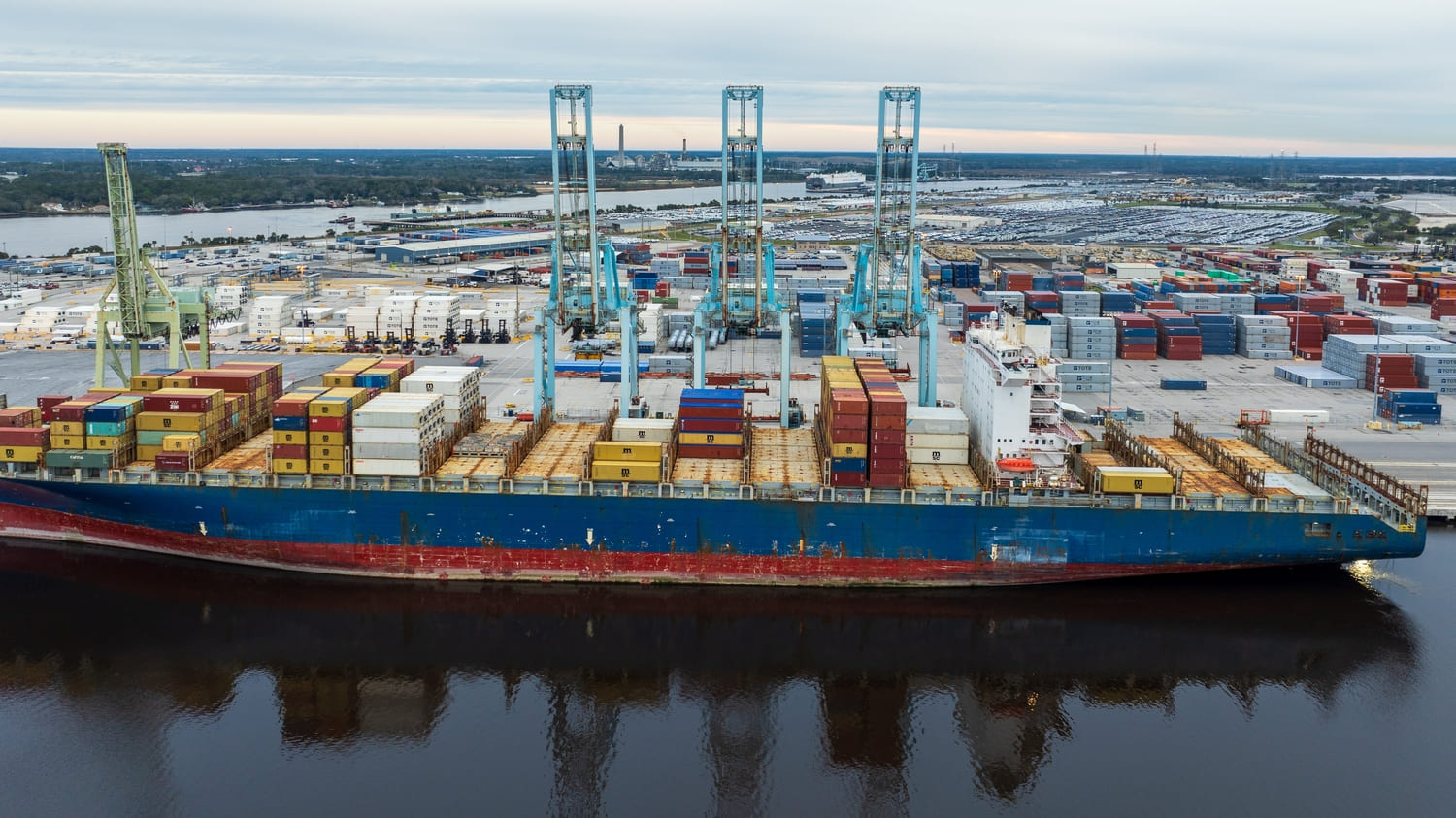
Jacksonville offers a full suite of logistics and 3PL services, including warehousing, cross‑docking, transloading, drayage, pallet rework, container unloading and short‑term storage. The Port of Jacksonville (JAXPORT) boasts uncongested berths and deep water, with highway and rail connections providing same‑day access to tens of millions of consumers. Local 3PL providers handle warehousing, transportation, packaging, order fulfillment, reverse logistics and inventory management. Industries such as healthcare, retail, manufacturing and food & beverage rely on Jacksonville’s logistics ecosystem. For flexible, on‑demand services, OLIMP Warehousing Solutions connects businesses to vetted warehouses offering cross‑docking, transloading, pallet rework, drayage and short‑term storage.
Jacksonville, Florida sits at the westernmost deep‑water port on the U.S. East Coast and at the crossroads of major highways and railways. This strategic location, combined with strong port infrastructure and intermodal connections, has transformed the city into a bustling hub for logistics, shipping and third‑party logistics (3PL) services. Whether you’re a retailer needing overflow storage, a manufacturer shipping raw materials, or an e‑commerce company looking to move goods quickly, understanding Jacksonville’s logistics landscape can help you streamline your supply chain and reduce costs.
Why Jacksonville Is a Logistics Hub
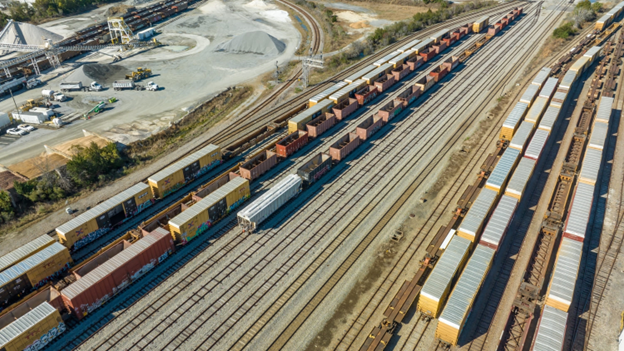
Jacksonville’s location in the Southeast provides convenient access to major markets through Interstate 95, Interstate 10, and Interstate 75. JAXPORT’s deepwater shipping channel supports international trade, while its transportation network includes 40 daily trains through Class I railroads CSX and Norfolk Southern, regional carrier Florida East Coast Railway, and on-dock and near-dock rail facilities. Jacksonville International Airport adds air-cargo connectivity for supply chains that need another transportation option.
Together, these connections allow freight to move efficiently between ship, truck, rail, warehouse, and air networks. Jacksonville’s location provides one-day access to more than 98 million U.S. consumers, giving businesses broad reach across Florida and the Southeast.
The city’s logistics infrastructure also includes intermodal facilities and a substantial network of warehousing, distribution, trucking, and transportation businesses. These advantages make Jacksonville attractive to logistics companies and 3PL providers serving regional and national supply chains. JAXPORT reports more than 150 trucking firms in the Jacksonville area in addition to its rail connections.
What Logistics and 3PL Services Are Available?
Warehousing
Jacksonville’s warehousing landscape ranges from large, long-term distribution centers to flexible, on-demand facilities where businesses can rent space based on their operational needs. Temperature-controlled warehouses can support perishables and other temperature-sensitive goods, while facilities with specialized equipment can handle heavier or oversized cargo. Many warehouse operations are positioned around Jacksonville’s port and transportation network, supporting the movement of containerized freight into storage and distribution.
For businesses searching for a 3PL warehouse in Jacksonville, the right facility depends on more than available space. Consider the freight type, required equipment, storage duration, temperature requirements, receiving schedule, and proximity to the next point in the supply chain.
Cross‑Docking
Cross‑docking facilities unload products from inbound trucks or containers and immediately transfer them to outbound vehicles. By minimising storage time, cross‑docking reduces handling costs and speeds up deliveries. This service is ideal for time‑sensitive goods and retail replenishment.
Transloading
Transloading involves transferring goods between transportation equipment or modes, such as moving freight from an ocean container into a domestic trailer or rail equipment. Businesses may use transloading to return marine containers sooner, adapt freight to inland transportation, or make better use of domestic equipment.
Cross-docking and transloading overlap, but the emphasis is slightly different: cross-docking focuses on moving freight rapidly through a facility with minimal storage, while transloading focuses on transferring cargo between different equipment or transportation modes. Jacksonville’s proximity to port terminals, highways, warehouses, and rail facilities makes both services valuable for import and distribution operations.
Drayage
Drayage refers to short‑distance movements of containers or cargo by truck, typically between the port and a nearby warehouse or rail terminal. Reliable drayage ensures that ocean freight connects smoothly with inland transportation.
Pallet Rework and Freight Handling
When pallets shift or collapse during transit, cross‑dock facilities offer pallet rework (also known as restacking or re‑palletization). Teams unload the damaged load, rebuild it to meet receiver specifications and rewrap the pallets. These corrective services prevent rejections and delays.
Container Unloading
Container unloading, also called devanning, involves removing goods from shipping containers and staging them for inspection or distribution. Jacksonville’s warehouses provide labor and equipment to unload floor‑loaded or palletised cargo, handle heavy or oversized items, and prepare goods for final delivery.
Short‑Term Storage
Short‑term storage gives businesses flexible access to warehouse space for days or weeks. It is ideal for managing seasonal peaks, project staging and overflow inventory. Facilities typically offer daily or weekly terms and charge only for the space used.
Value‑Added 3PL Services
In addition to core logistics functions, Jacksonville’s 3PL providers offer packaging, labelling, order fulfillment, distribution, reverse logistics and inventory control. Advanced software systems, such as warehouse management systems (WMS) and transportation management systems (TMS), enhance accuracy, visibility and efficiency.
Key Industries Served by Jacksonville 3PL Providers
Jacksonville’s logistics and 3PL providers serve a diverse range of industries, reflecting the region’s port, highway, rail, airport, and warehousing infrastructure.
- Healthcare and pharmaceuticals: Appropriate storage, careful handling, inventory control, and timely distribution are important for medical and pharmaceutical supply chains.
- Retail and e-commerce: Cross-docking, fulfillment, and short-term storage can help retailers manage seasonal spikes, inventory flows, and delivery expectations.
- Manufacturing and automotive: Transloading, drayage, and warehousing support inbound components, raw materials, and outbound finished products.
- Food and beverage: Temperature-controlled warehousing, refrigerated handling, and drayage can support perishable and temperature-sensitive freight. JAXPORT specifically supports fresh and frozen cargo through refrigerated cargo services and related logistics partners.
Benefits of Using Jacksonville Logistics and 3PL Services
Choosing Jacksonville for logistics operations can offer several advantages:
- Reduced transit time: Proximity to highways, rail networks, airport infrastructure, and a major ocean port supports efficient movement of goods. JAXPORT and JAXUSA report one-day access to more than 98 million U.S. consumers.
- Potential cost savings: Cross-docking, transloading, and short-term storage can reduce unnecessary storage or handling when they are matched to the right freight movement.
- Scalability: 3PL providers and flexible warehouse networks can provide additional space or services during seasonal peaks, projects, or business growth.
- Technology: Providers using WMS, TMS, inventory systems, or tracking tools can give shippers greater visibility into freight and warehouse activity.
- Transportation options: Jacksonville combines maritime, highway, rail, and air-cargo infrastructure, giving businesses multiple ways to move freight through the region.
The exact benefit depends on the shipment, origin and destination, service level, storage requirements, and provider, so businesses should compare total logistics costs rather than choosing a Jacksonville 3PL based on a single rate.
How to Choose the Right Service or Provider
When comparing logistics companies in Jacksonville, FL, start with the operational requirements of your freight rather than price alone.
Consider:
- Your supply chain needs: Determine whether you need warehousing, cross-docking, drayage, transloading, pallet rework, short-term storage, or a combination of services.
- Industry expertise: Choose a provider familiar with the handling, documentation, safety, and compliance requirements relevant to your freight.
- Equipment and facility capabilities: Confirm dock access, forklifts or other handling equipment, temperature requirements, pallet or floor-loaded capabilities, and any special handling needs before the shipment arrives.
- Technology capabilities: For ongoing programs, consider whether WMS, TMS, inventory reporting, or shipment-tracking tools are important to your operation.
- Scalability and flexibility: Make sure the provider can accommodate seasonal demand, urgent loads, overflow inventory, or changing volumes.
- Location and timing: For port freight, shifted loads, missed appointments, or emergency rework, distance from the freight’s current location can be just as important as warehouse capacity.
- Reputation and communication: Review customer feedback and clarify response times, operating hours, pricing, and the point of contact before committing freight.
The best Jacksonville 3PL is the one that can meet the specific requirements of your shipment reliably, not simply the provider offering the largest warehouse or the lowest headline rate.
OLIMP Warehousing Solutions in Jacksonville
If you need flexible logistics or 3PL services without committing to a long-term warehouse contract, OLIMP Warehousing Solutions can help. OLIMP connects shippers with warehouse and cross-dock facilities in Jacksonville based on freight type, equipment needs, timing, service requirements, and location. This can reduce the need to contact multiple facilities individually when a shipment needs a fast solution.
Services available through OLIMP’s Jacksonville warehouse network include:
- Warehousing: On-demand storage and access to facilities with specialized capabilities.
- Cross-docking: Rapid transfer of freight between inbound and outbound vehicles.
- Transloading: Transfer of freight between ocean containers, domestic trailers, or other transportation equipment.
- Drayage: Short-haul transportation between port terminals, warehouses, and other nearby logistics facilities.
- Pallet rework and shifted-load support: Restacking, re-palletizing, rewrapping, and other corrective handling for freight that has shifted or become unstable in transit.
- Container unloading: Devanning and handling floor-loaded or palletized cargo.
- Short-term storage: Flexible warehouse space for overflow freight, delayed appointments, projects, or temporary staging.
OLIMP’s Jacksonville pallet-rework service specifically supports loads affected by shifted, unstable, or damaged freight and connects customers with local warehouse partners for restacking and repair.
Whether you’re staging a few pallets, unloading an import container, handling an urgent cross-dock, or trying to correct shifted freight before a delivery appointment, OLIMP can help you identify an appropriate Jacksonville warehouse solution.
Need Jacksonville 3PL, cross-dock, warehousing, or freight rework support? Request a quote with your freight location, service needed, timing, load details, and equipment requirements so OLIMP can match the shipment with an appropriate warehouse option.
You may be interested in

Kansas City Warehousing: Public, Contract & FTZ Benefits
Choosing where to position inventory is one of the most consequential decisions in a supply‑chain network. Facility location determines how quickly you can deliver orders, how much you spend on transportation and how well you can serve national customers. A poorly placed warehouse can translate into long haul routes, missed service levels and excess stock. […]
West Coast vs New Jersey Fulfillment: Same‑Day & 2‑Day Shipping Compared
Shoppers expect fast delivery, and direct‑to‑consumer (DTC) brands that can’t meet those expectations risk cart abandonment. Fulfillment location drives how quickly you can deliver and how much it costs. This guide compares West Coast and New Jersey fulfillment services for both same‑day and two‑day shipping. It answers common questions about pick‑and‑pack warehouses, shipping zones, and […]
Freight Consolidation Services in North America: Top Benefits for Small Businesses
Freight consolidation means combining multiple small shipments into one larger full truckload (FTL) or full-container load (FCL). Shippers pay only for the space they use, while a consolidator (a 3PL or warehouse partner) groups less‑than‑truckload (LTL) orders heading to the same destination. By using fewer vehicles and maximizing container capacity, businesses lower per‑unit freight costs […]
Ready to streamline your warehousing needs?
Request a quote today and discover how OLIMP's tailored solutions can optimize your operations