Best D2C Fulfillment Solutions for Branded Shipping 2026

The direct-to-consumer (D2C) landscape is evolving rapidly. Brands are no longer just selling products, they are creating experiences. Today’s consumers expect seamless, fast, and personalized delivery that reflects the brand’s identity. That’s why best D2C fulfillment solutions for branded shipping have become a critical differentiator for 2026. Companies that invest in modern, efficient, and customer-centric fulfillment strategies are not just delivering products; they’re building loyalty, increasing repeat purchases, and strengthening their brand.
In this article, we’ll explore the best D2C fulfillment solutions for branded shipping, discuss key considerations for choosing a provider, compare D2C fulfillment with traditional logistics, highlight strategies to reduce costs, and provide insights for international customers.
Why Branded Shipping Matters in D2C Fulfillment
Branded shipping is more than packaging; it’s a direct reflection of your brand. When executed correctly, it turns every delivery into a marketing opportunity. From custom boxes to branded inserts, personalized messages, and eco-friendly materials, best D2C fulfillment solutions for branded shipping ensure that every touchpoint enhances customer perception.
Investing in branded shipping offers several benefits:
- Enhanced Customer Experience: Customers feel valued when products arrive in well-designed, branded packaging.
- Brand Recall and Loyalty: Memorable unboxing experiences encourage repeat purchases and social sharing.
- Competitive Advantage: In crowded markets, branded shipping differentiates your D2C brand from generic e-commerce competitors.
Understanding D2C Fulfillment vs. Traditional Logistics
Understanding the difference between D2C fulfillment and traditional logistics is key to selecting the right solution. While traditional logistics focuses on moving large quantities of goods to retailers or distribution centers, D2C fulfillment is centered on shipping individual orders directly to consumers.
Key differences include:
| Feature | D2C Fulfillment | Traditional Logistics |
| Customer Focus | Direct delivery to end consumers | Bulk shipments to retailers or warehouses |
| Packaging | Branded, personalized | Standardized, bulk packaging |
| Speed | Fast, often same-day or 2–3 days | Slower, bulk-oriented |
| Flexibility | Easily handles small orders, international shipping, and customization | Less flexible, optimized for large shipments |
| Data & Insights | Detailed consumer analytics | Limited visibility into end-customer preferences |
By choosing specialized logistics services that support D2C fulfillment, brands can offer faster delivery, reduce errors, and create consistent, branded customer experiences.
What to Look for in a D2C Fulfillment Provider
Choosing a D2C fulfillment partner involves evaluating capabilities that ensure speed, customization, and reliability. Key factors include:
- Branded Packaging Options
Custom packaging, inserts, and eco-friendly materials enhance brand perception and create a memorable unboxing experience. - Technology Integration
Look for providers with modern warehouse management systems (WMS) that integrate with your e-commerce platform. Live inventory tracking and automation (like “pick-to-light” or robotics) speed processing and reduce errors. Platforms that sync with Shopify, Amazon, etc., streamline orders. - Scalability
Whether you’re shipping 100 orders or 10,000, the provider should scale operations seamlessly without compromising quality. - International Fulfillment Capabilities
For brands targeting a global audience, D2C fulfillment for international customers is essential. Providers should offer transparent shipping rates, customs handling, and fast delivery to multiple regions. - Returns Management
Handling returns efficiently is part of the D2C customer experience. Providers with reverse logistics capabilities streamline the process and minimize customer frustration. - Customer Support
Strong customer support ensures that issues like delayed shipments, lost packages, or damaged goods are resolved quickly, maintaining brand reputation.
When evaluating potential partners, consider what to look for in a D2C fulfillment provider. Beyond cost, focus on reliability, technology, and their ability to align with your brand’s vision.
Strategies to Reduce Shipping Costs in D2C Fulfillment
Shipping costs can significantly impact profit margins, especially in D2C models. Efficient fulfillment strategies not only improve customer experience but also reduce expenses. Here’s how to reduce shipping costs in D2C fulfillment:
- Regional Warehousing
Storing inventory closer to customers minimizes shipping distances and speeds up delivery. - Automated Fulfillment
Using automation for picking, packing, and sorting reduces labor costs and errors. - Optimized Packaging
Use appropriately sized boxes to avoid dimensional weight charges and reduce material costs. - Carrier Negotiations
Partnering with multiple carriers and negotiating rates helps reduce costs and improves flexibility. - Subscription and Bulk Shipping Options
Encouraging customers to consolidate orders or sign up for subscription models can lower per-package shipping costs.
By implementing these tactics, brands can achieve a more profitable and sustainable D2C operation. Leveraging reduced shipping costs D2C fulfillment strategies ensures that you can maintain competitive pricing without compromising customer satisfaction.
Supporting International D2C Fulfillment
Global expansion is a natural growth path for many D2C brands. However, D2C fulfillment for international customers comes with unique challenges:
- Customs and Duties: Delays and additional charges can frustrate customers.
- Shipping Transparency: Real-time tracking ensures customers are informed.
- Localized Packaging: Adapting packaging to local languages or regulations enhances compliance and customer experience.
- Returns Management: Efficient cross-border returns policies are essential for customer trust.
Choosing a fulfillment provider experienced in international logistics ensures seamless global operations and strengthens brand credibility abroad.
The Role of Technology in D2C Fulfillment
Technology is the backbone of modern D2C fulfillment solutions. Leading providers leverage AI, warehouse automation, and analytics to optimize operations:
- Real-Time Inventory Management: Prevents overselling and stockouts.
- Order Routing: Automatically selects the closest warehouse for faster, cost-effective shipping.
- Analytics for Demand Forecasting: Helps brands plan inventory and reduce storage costs.
- Personalization Tools: Enables customized packaging, promotions, and messaging for each order.
Integrating these tools ensures your fulfillment provider can meet the growing expectations of D2C customers.
Logistics Services That Support D2C Fulfillment
Not all logistics services are designed for D2C needs. Providers specializing in logistics services that support D2C fulfillment offer:
- Multi-channel order processing for e-commerce platforms
- Branded and sustainable packaging
- Flexible shipping options including same-day, next-day, and international delivery
- Reverse logistics for hassle-free returns
- Data-driven insights for operational improvements
These capabilities make them ideal partners for D2C brands looking to scale efficiently while maintaining exceptional customer experiences.
Future Trends in D2C Fulfillment
Looking ahead to 2026, several trends are shaping the D2C fulfillment landscape:
- Sustainable Fulfillment: Eco-friendly packaging and carbon-neutral shipping are becoming standard expectations.
- Hyper-Personalization: Brands are leveraging customer data to offer tailored unboxing experiences.
- Omnichannel Integration: Seamless coordination between online and offline channels strengthens the reverse supply chain.
- AI and Automation Expansion: From predictive analytics to autonomous warehouses, technology will continue to drive efficiency.
Brands that adopt best D2C fulfillment solutions for branded shipping will be well-positioned to outperform competitors and deliver consistent customer delight.
Conclusion
In 2026, the D2C landscape demands more than just shipping products—it requires creating experiences that resonate with customers. By leveraging the best D2C fulfillment solutions for branded shipping, brands can enhance customer loyalty, streamline operations, and expand globally. From cost reduction strategies to international fulfillment, choosing the right provider and logistics services is key.
Evaluating what to look for in a D2C fulfillment provider, understanding D2C fulfillment vs traditional logistics, and implementing smart reduced shipping costs D2C fulfillment strategies ensures your brand thrives in an increasingly competitive marketplace.Investing in technology, sustainable practices, and customer-centric operations will transform your fulfillment process from a logistical necessity into a strategic advantage.
Frequently Asked Questions (FAQ) – OLIMP Warehousing
Q: What to look for in a D2C fulfillment provider?
Choose a provider with a robust warehouse network, modern technology (WMS, tracking), and support for custom branding. Verify they handle shipping in your key regions and can flex capacity during spikes. Assess their track record (accuracy, speed guarantees) and whether they integrate with your sales channels. The ideal partner balances speed, cost, and branding flexibility.
Q: How to improve unboxing with D2C fulfillment?
Use custom packaging elements: branded boxes, tissue paper, and inserts. Provide a cohesive “brand reveal” experience. Data shows 47% of customers enjoy premium unboxing and 41% are more likely to repurchase. Even touches like color-coordinated packaging or personalized notes increase customer excitement and loyalty.
Q: How to reduce shipping costs in D2C fulfillment?
Shipping costs can be managed through strategies such as regional warehousing, optimized packaging, carrier negotiation, and bulk shipping options. Integrating technology like automated order routing and inventory management can further minimize costs while maintaining delivery speed. Providers offering logistics services that support D2C fulfillment can help implement these cost-saving strategies efficiently.
Q: What D2C fulfillment options scale with growth?
Scalable D2C fulfillment options include cloud-based order management systems, multi-warehouse networks, and partnerships with 3PL providers. These solutions allow you to handle increasing order volumes without compromising speed or quality. Scalable fulfillment also ensures that returns in e-commerce and the e-commerce returns process are managed efficiently, even as order volume grows.
Q: Who are the leading D2C fulfillment companies?
Leading D2C fulfillment companies specialize in fast, branded shipping and offer end-to-end solutions including warehousing, packaging, international shipping, and reverse logistics services. They combine technology, customer-centric processes, and strategic networks to optimize the reverse logistics e-commerce flow and maintain low e-commerce return rates while enhancing customer experience.
You may be interested in
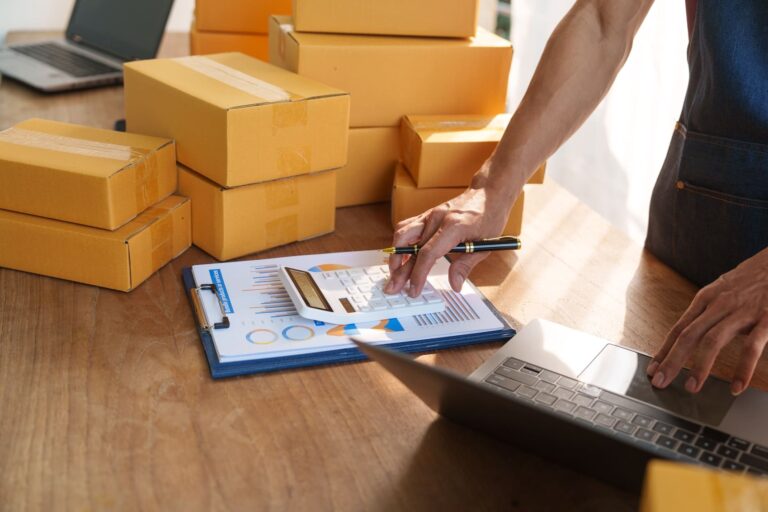
Direct-to-Consumer (D2C) Fulfillment Guide
Direct-to-consumer (D2C) fulfillment means shipping products directly from a brand’s own warehouse or fulfillment center straight to the customer. This direct shipping model bypasses traditional retailers and distributors, giving brands full control over packaging, shipping speed, and the customer experience. By eliminating middlemen and retail markups, D2C fulfillment can improve profit margins and strengthen customer […]
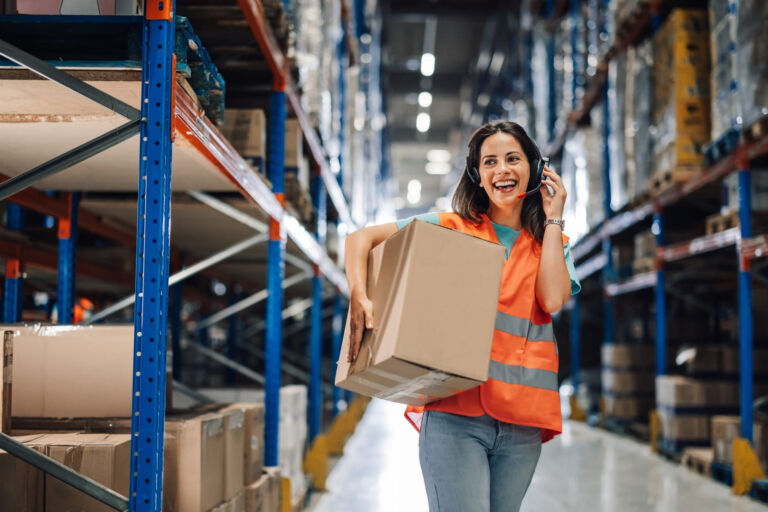
3PL Mispick Prevention: Best Practices for Error‑Free Fulfillment
In the fast‑paced world of e‑commerce and retail, accuracy is everything. A mispick-selecting the wrong item, quantity or variant during order picking-disrupts operations, drives up costs and erodes customer trust. Industry estimates show that mispicks can cost between $50 and $300 per incident and that approxima tely 30 % of customers will not reorder after […]

4PL Logistics: The Ultimate Guide to Fourth-Party Logistics
Fourth-party logistics (4PL) refers to hiring a single partner to integrate and manage an entire supply chain. In practice, a 4PL provider acts as a strategic supply chain integrator, overseeing transportation, warehousing, inventory, and fulfillment on behalf of a company. In other words, businesses outsource their full logistics management to one expert who coordinates multiple […]
Ready to streamline your warehousing needs?
Request a quote today and discover how OLIMP's tailored solutions can optimize your operations
