SLIP SHEET FORKLIFT WAREHOUSE SERVICES
Move More, Spend Less with Specialized Slip Sheet Forklifts
At OLIMP, our warehousing services rely on slip sheet forklifts-standard forklifts equipped with hydraulic push‑pull or roller‑fork attachments designed to handle pallet‑free loads efficiently. These machines grip the extra lip of a slip sheet and pull the unitized load onto wide, flat platens. The ability to lift goods using slip sheets or pallets lets you reduce material costs, reclaim valuable space and speed up loading while keeping your cargo secure and clean.
Why Our Slip Sheet Forklift Service Stands Out
- Specialized attachments: Each forklift is fitted with a push‑pull or roller‑fork attachment to handle slip sheets and pallets.
- Versatility: Handle bagged, cylindrical, boxed and unboxed products with capacities up to 4,000 lbs.
- Cost and space efficiency: Slip sheet loads weigh less and take up less space than palletized goods, lowering transport costs and freeing up floor and trailer capacity.
What Is a Slip Sheet Forklift?
A slip sheet forklift is a conventional forklift enhanced with a push–pull attachment that firmly grips a slip sheet’s protruding edge and pulls the load onto the forks. Some models use roller forks, which slide under the sheet and roll the load onto the fork carriage. This equipment can quickly switch between palletized and slip‑sheet loads, making it ideal for operations handling both.
Capabilities
- High load strength: Slip sheets may weigh around one pound yet can support loads of up to 4,000 pounds.
- Multiple product types: Suitable for bagged, boxed, cylindrical or unboxed goods.
- Customizable attachments: Options include removable push‑pull units, hydraulically‑positionable platens and roller forks for smoother loading.
Operational Considerations
- Training required: Operators must learn to align and engage the push‑pull mechanism properly.
- Unitized loads: Loads must be shrink‑wrapped or strapped to stay intact during the push/pull process.
- Attachment impact: Push‑pull attachments add weight and can reduce lift capacity; regular maintenance is essential.
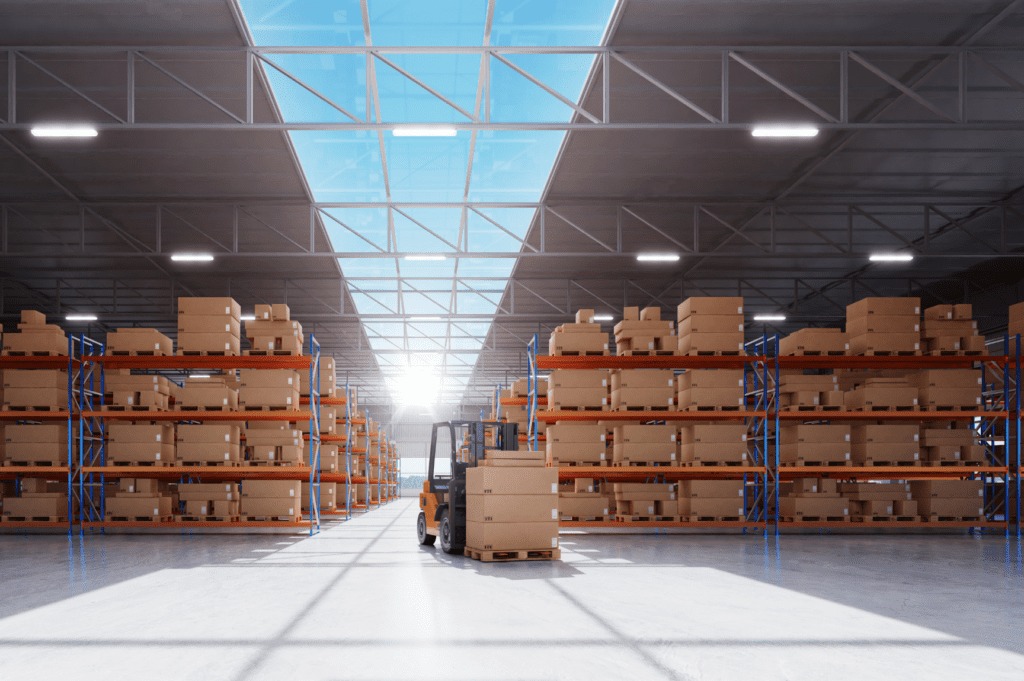
Benefits of Using Slip Sheet Forklifts
Lower Costs & Reduced Footprint
- Material savings: Slip sheets cost only a few dollars each, far less than wooden pallets. Because they weigh twenty times less, you save on fuel and freight.
- Increased storage density: One pallet thickness equals a stack of 100 slip sheets, allowing you to stack 12-15% more products in trailers and warehouse shelves.
- Faster turnaround: Loading and unloading times can decrease by up to 60%, reducing labor costs and eliminating pallet exchange delays.
- Cleaner operations: Metal or plastic slip sheets create a barrier against insects and rodents and reduce debris from broken pallets.
When Slip Sheet Forklifts Make Sense
- High‑volume operations moving uniform goods like agricultural products, bottled beverages, cased food, cement, cosmetics or electronics.
- Logistics networks seeking to reduce return logistics and pallet maintenance costs.
- Export shipments where pallet fumigation or disposal costs are high.
Limitations
- Operations handling uneven or unbalanced loads may still prefer the structural support of wooden pallets.
- For low‑throughput facilities, the push/pull attachment may take longer to pay for itself.
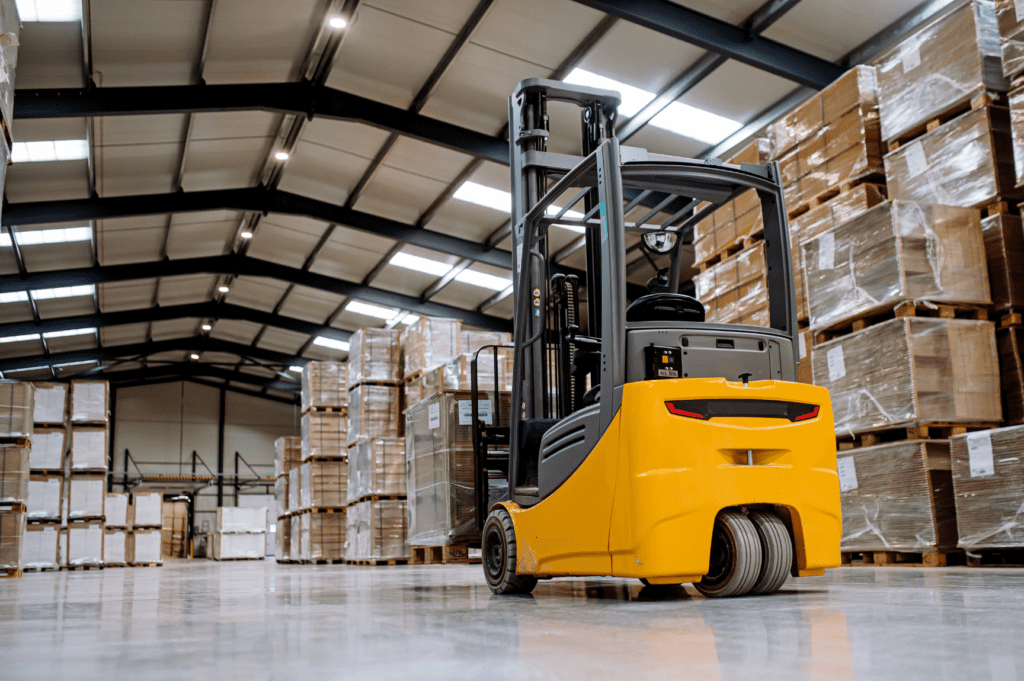
Why Choose OLIMP’s Slip Sheet Forklift Warehouses?
Our warehouses are designed to leverage slip sheet forklifts effectively. With our service, you benefit from:
- Fully equipped facilities: Our fleet includes forklifts with push‑pull and roller‑fork attachments and hydraulic functions to handle both pallets and slip sheets smoothly.
- Expert operators: Staff are trained to manage push‑pull attachments, ensure proper load unitization and maintain equipment.
- Improved throughput: By combining slip sheet technology with optimized storage systems, we help you maximize load per shipment and reduce handling cycles, minimizing costs.
- Comprehensive support: From evaluating whether slip sheet handling suits your products to providing cross‑dock and distribution services, we manage the entire process so you can focus on your core business.
Industries We Serve
- Agriculture and food processing
- Beverage bottling and distribution
- Consumer packaged goods
- Construction materials and chemicals
- Electronics and appliances
Request a Quote
Discover how OLIMP’s slip sheet forklift services can improve your logistics and reduce costs. Reach out for a personalized assessment and quote.
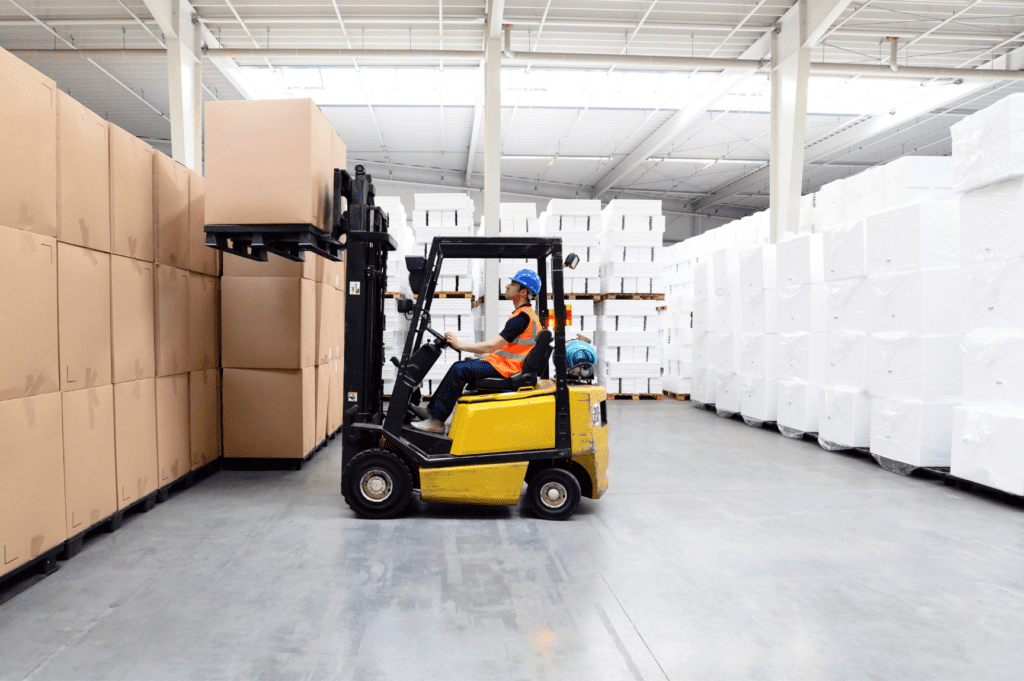
Frequently Asked Questions (FAQ) – OLIMP Warehousing
Q: What distinguishes a slip sheet forklift from a regular forklift?
A slip sheet forklift uses a hydraulic push‑pull or roller‑fork attachment that grabs the lip of a slip sheet and pulls the load onto flat platens, allowing it to handle both palletized and slip‑sheet loads.
Q: How much weight can a slip sheet support?
Despite weighing about a pound, slip sheets can support loads of up to 4,000 pounds.
Q: What types of products work best with slip sheet forklifts?
Uniformly packaged goods such as bagged, boxed, cylindrical or unboxed products-including agricultural products, beverages, cased food, cement and electronics—are ideal.
Q: Do slip sheet forklifts replace pallets entirely?
They can handle both slip‑sheet and palletized loads. In operations with mixed or unbalanced loads or low volume, pallets may still be preferred.
Ready to streamline your warehousing needs?
Request a quote today and discover how OLIMP's tailored solutions can optimize your operations