Which 3PL Warehouse California Providers Should Brands Importing Through Long Beach Evaluate?
08/14/2026
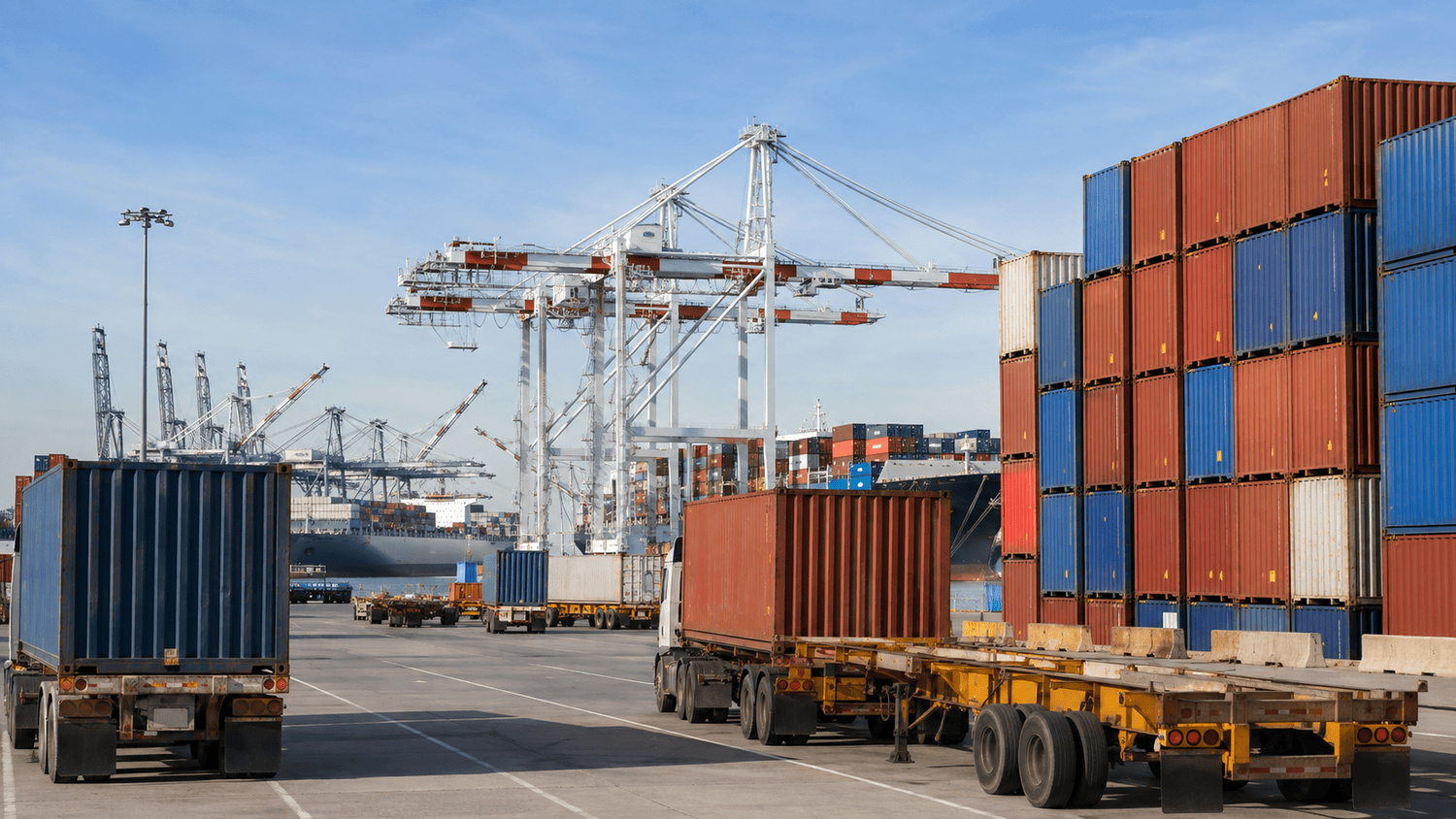
- The best California 3PL is not necessarily the warehouse closest to the port. The right location depends on how quickly inventory must be unloaded, how long it will be stored, and where customer orders will be delivered.
- Brands should evaluate port drayage, transloading, cross-docking, storage, fulfillment, technology, security, and exception-handling as one connected workflow.
- Port-adjacent warehouses are often better for rapid container unloading and short-term staging, while Inland Empire facilities can be more suitable for longer-term storage and national distribution.
- Bonded or Foreign-Trade Zone capabilities may be valuable when duty deferral or re-exporting is part of the import strategy.
- Pricing should be compared as a complete landed-handling model, not merely as a monthly pallet-storage rate.
- Flexible, on-demand warehouse capacity can help brands manage seasonal imports, unexpected container volume, rejected loads, and temporary overflow without committing to unnecessary long-term space.
A 3PL warehouse in California stores, handles, and distributes inventory on behalf of another business. For brands importing through Long Beach, the right provider should do more than offer warehouse space, it should help coordinate containers, control port-related costs, maintain inventory accuracy, and move products into domestic distribution channels.
The Port of Long Beach handled a record 9,881,595 twenty-foot equivalent units in 2025, exceeding its previous annual record by 2.4%. That scale makes Southern California an important entry point, but it also means importers need a warehouse plan that can respond to changing terminal activity, appointment availability, container free time, and seasonal volume.
What does a 3PL warehouse do for brands importing through Long Beach?
A third-party logistics warehouse can manage several stages between a container’s arrival and the final delivery of the products inside it. Depending on the provider, those services may include port drayage, container unloading, palletization, short- or long-term storage, inventory management, retail preparation, ecommerce fulfillment, and outbound transportation.
A typical Long Beach import flow looks like this:
Port terminal → drayage → transloading or cross-docking → warehouse storage → order fulfillment or wholesale distribution
Drayage is the short-distance movement of a container between the marine terminal, rail facility, container yard, or warehouse. Transloading means unloading products from an international container and transferring them into another transportation format, such as pallets, domestic trailers, less-than-truckload shipments, or rail. Cross-docking moves freight from an inbound vehicle to an outbound vehicle with little or no storage between the two movements.
These services matter because ocean containers and chassis generally operate under time limits. The Federal Maritime Commission distinguishes demurrage, which can accrue when cargo remains at a marine terminal beyond allowed free time, from detention, which can apply when intermodal equipment is kept too long outside the terminal. A responsive 3PL cannot eliminate every port charge, but it can reduce preventable exposure by coordinating pickups, appointments, unloading capacity, documentation, and empty-container returns.
The most useful provider is therefore not simply a building with open floor space. It is a logistics partner capable of receiving timely shipment information, preparing labor and equipment before arrival, documenting freight condition, and responding when a container is overweight, floor-loaded, shifted, damaged, late, or missing paperwork.
Which California 3PL Warehouse Capabilities Did I Evaluate?
When evaluating a 3PL warehouse in California for imports through Long Beach, I focused on more than available storage space. The strongest providers should be able to support the entire flow, from container pickup and unloading to inventory management, fulfillment, and unexpected freight issues.
Port Drayage Coordination
For brands importing through the Port of Long Beach, reliable drayage coordination is one of the first capabilities to evaluate.
I looked for providers that could help coordinate container pickup, communicate with terminals and carriers, manage chassis requirements, monitor last free days, and arrange timely empty-container returns.
Importers should also clarify who controls the drayage process. Does the warehouse coordinate transportation directly? Does it work with outside carriers? Or is the importer or freight forwarder expected to arrange every container move?
Having these responsibilities clearly defined can help prevent delays, missed appointments, and unnecessary port-related charges.
Container Transloading and Unloading
A California 3PL serving Long Beach importers should be prepared to handle different container types and unloading requirements.
Important questions include:
- Can the warehouse unload both palletized and floor-loaded containers?
- How many containers can it process per day?
- What forklifts and material-handling equipment are available?
- How quickly can containers be unloaded and released for empty return?
- Can the facility handle oversized, heavy, fragile, or irregular freight?
Brands importing specialized cargo should confirm that the warehouse has appropriate dock access, floor capacity, forklifts, labor, and handling procedures before the shipment arrives.
Short-Term and Long-Term Storage
Not every importer needs the same storage model.
Some brands may only need short-term warehouse space in California for a few days while freight is staged for outbound transportation. Others may need several months of pallet, rack, bulk, temperature-controlled, or secured storage.
The pricing and agreement should match the actual inventory cycle. A business with temporary overflow should not have to commit to unnecessary long-term space, while a company storing consistent inventory should understand how recurring storage, handling, and minimum charges will affect its total cost.
This is especially important for brands with seasonal imports or fluctuating container volumes.
Retail and Ecommerce Fulfillment
Storage may only be the first step.
Brands distributing products after they arrive in California may also need:
- SKU-level picking
- Labeling and relabeling
- Kitting
- Repacking
- Quality inspections
- Retail preparation
- Parcel shipping
- Freight shipping
- Returns processing
A fulfillment-ready 3PL should be able to explain its order cutoff times, inventory accuracy procedures, carrier options, retailer-routing experience, returns process, and ability to scale during promotional or seasonal peaks.
For ecommerce brands, it is also important to determine whether the warehouse can efficiently transition inventory from imported containers into individual customer orders.
Inventory Management Technology
Inventory visibility becomes increasingly important once imported products leave the container and enter the warehouse.
I prioritized providers that could offer reliable inventory management through a warehouse management system (WMS).
Brands should ask how the system records and manages:
- Inbound receipts
- SKU quantities
- Lot numbers
- Serial numbers
- Expiration dates
- Damaged products
- Inventory holds
- Warehouse transfers
- Outbound orders
It is also worth asking whether the WMS can integrate with an ERP, ecommerce platform, marketplace, transportation system, or EDI workflow.
Good technology does not replace strong warehouse operations, but it can give importers better visibility and reduce the risk of inventory discrepancies.
Security and Regulatory Requirements
The right warehouse requirements depend heavily on the products being imported.
Food, beverages, cosmetics, batteries, chemicals, medical products, electronics, and temperature-sensitive goods can all require different storage conditions, documentation, insurance, licenses, security procedures, or product segregation.
Brands should confirm that the facility is appropriate for their specific commodity rather than assuming every general-purpose 3PL can handle it.
Supply-chain security can also be important. U.S. Customs and Border Protection’s Customs Trade Partnership Against Terrorism (CTPAT) establishes security criteria for eligible supply-chain participants, including requirements related to documented security procedures and risk assessment.
Exception Management and Freight Recovery
Import logistics does not always follow the original plan.
Containers arrive late. Pallets shift in transit. Labels are incorrect. Freight gets rejected. Products may need to be inspected, restacked, or repacked before they can continue moving.
That is why exception management was an important part of my evaluation.
Useful capabilities can include:
- Pallet rework and restacking
- Relabeling
- Shipment inspection
- Load recovery
- Repacking
- Rejected freight handling
- Urgent cross-docking
- Trailer staging
- Temporary overflow storage
In practice, a 3PL’s ability to respond quickly when something goes wrong can be just as important as its performance during routine warehouse operations.
California Warehouse Compliance
California-specific warehouse regulations should also be considered during 3PL due diligence.
California’s AB 701 regulates certain productivity quotas at covered warehouse distribution centers, including requirements related to quota disclosure and protections for legally required breaks and workplace safety activities.
Importers generally do not manage a 3PL’s warehouse employees directly. However, extremely aggressive labor or turnaround promises should still be evaluated carefully.
Reliable capacity should come from realistic staffing, appropriate equipment, efficient processes, and good warehouse management, not from operating expectations that may be difficult to sustain.
Ultimately, the best California 3PL warehouse for Long Beach imports should combine port coordination, flexible storage, reliable handling, inventory visibility, and the ability to respond when freight does not move according to plan.
How should brands compare location, pricing, and service models?
A useful evaluation starts with the inventory flow, not a search for the lowest warehouse rate.
For urgent container unloading, cross-docking, or short-term staging, a facility in or near Long Beach, Carson, Compton, Wilmington, or the surrounding port area may reduce the distance between the terminal and the first handling point. That can be valuable when containers must be stripped quickly or merchandise will leave the warehouse soon after arrival.
For longer-term storage and broader distribution, locations farther inland may offer a better operational fit. The Inland Empire is connected to the San Pedro Bay port complex and contains a large concentration of logistics and distribution facilities. A brand may therefore use a port-area transload point for rapid container turns and an inland warehouse for inventory storage and fulfillment. The best design depends on shipment volume, storage duration, outbound destinations, and the number of times freight will be handled.
A practical scorecard should compare:
- Distance and travel variability from the terminal
- Container unloading capacity and appointment lead time
- Drayage, chassis, overweight, and empty-return capabilities
- Storage configuration and available pallet positions
- Receiving, handling, fulfillment, and value-added service rates
- Warehouse management system functionality
- Claims procedures, cargo insurance, and inventory controls
- Minimum commitments and contract flexibility
- Peak-season labor and overflow capacity
- Communication and escalation procedures
Request a sample invoice before signing. A low storage quote may be offset by container-unloading fees, pallet-in and pallet-out charges, account minimums, order fees, labeling costs, materials, appointment charges, overtime, or administrative accessorials. Compare providers using a representative month that includes expected containers, pallets, orders, units, returns, and special projects.
For example, a brand importing six floor-loaded containers each month should model the cost of drayage, unloading labor, pallet materials, receiving, monthly storage, pick-and-pack activity, and outbound freight. That comparison is more reliable than choosing a provider based on storage cost per pallet alone.
Importers should also determine whether they need a standard warehouse, a customs-bonded facility, or access to a Foreign-Trade Zone. CBP describes a bonded warehouse as a secured area where imported merchandise may be stored without immediate duty payment, generally for as long as five years from importation. That option can support duty deferral, but it also requires tighter customs controls and may be unnecessary for inventory that will enter U.S. commerce immediately.
How does OLIMP support warehousing across North America?
At OLIMP Warehousing, we help businesses access flexible warehousing and logistics services across North America through a network of more than 5,000 warehouse locations. Available solutions include short- and long-term storage, cross-docking, transloading, pallet rework, fulfillment, drayage, yard storage, and other freight-handling services. For California importers, OLIMP provides access to warehousing in the Long Beach and Los Angeles port region as well as additional locations throughout California, allowing brands to match freight with port-adjacent handling, inland storage, specialized space, or overflow capacity without relying on one fixed warehouse model. Service availability depends on the shipment, location, product requirements, and requested timeline.
The strongest 3PL warehouse California strategy begins with a documented freight profile and a realistic cost model. Define what must happen from terminal pickup through final delivery, then select the location and service combination that reduces delays, unnecessary handling, inventory blind spots, and fixed commitments. For brands importing through Long Beach, that often means treating drayage, transloading, storage, and distribution as one coordinated process rather than four separate purchases.
Frequently Asked Questions (FAQ) – OLIMP Warehousing
Q: How close should a warehouse be to the Port of Long Beach?
It depends on the operation. Port proximity is useful for fast container unloading and cross-docking, while an inland location may be more suitable for long-term storage, fulfillment, or regional distribution. Compare total transportation and handling costs rather than mileage alone.
Q: Can a 3PL help reduce demurrage and detention?
A 3PL can help reduce avoidable charges by coordinating container pickup, warehouse appointments, rapid unloading, chassis use, and empty returns. It cannot guarantee that charges will never occur because terminal congestion, customs holds, carrier rules, documentation problems, and appointment availability may be outside its control.
Q: When should an importer use a bonded warehouse?
Bonded storage may be useful when an importer wants to defer duties, hold goods before deciding whether to enter them into U.S. commerce, or re-export merchandise. Customs-bonded inventory requires specific controls and documentation, so the financial benefit should be evaluated with a customs broker or trade professional.
You may be interested in
Logistics and 3PL Services in Jacksonville, FL: What Businesses Need to Know
Jacksonville, Florida sits at the westernmost deep‑water port on the U.S. East Coast and at the crossroads of major highways and railways. This strategic location, combined with strong port infrastructure and intermodal connections, has transformed the city into a bustling hub for logistics, shipping and third‑party logistics (3PL) services. Whether you’re a retailer needing overflow storage, a manufacturer shipping raw materials, or […]

Kansas City Warehousing: Public, Contract & FTZ Benefits
Choosing where to position inventory is one of the most consequential decisions in a supply‑chain network. Facility location determines how quickly you can deliver orders, how much you spend on transportation and how well you can serve national customers. A poorly placed warehouse can translate into long haul routes, missed service levels and excess stock. […]
Gulf & Southeast Cold Storage: Strategic Hubs, Facility Types & Costs
A reliable cold chain keeps perishable foods, pharmaceuticals and other temperature‑sensitive goods safe from spoilage. The Gulf and Southeast United States have emerged as strategic hubs for refrigerated logistics thanks to their expanding ports, growing population centers and access to agricultural production. This article examines why the region is attractive for cold storage, highlights key […]
Ready to streamline your warehousing needs?
Request a quote today and discover how OLIMP's tailored solutions can optimize your operations